
Main Courses
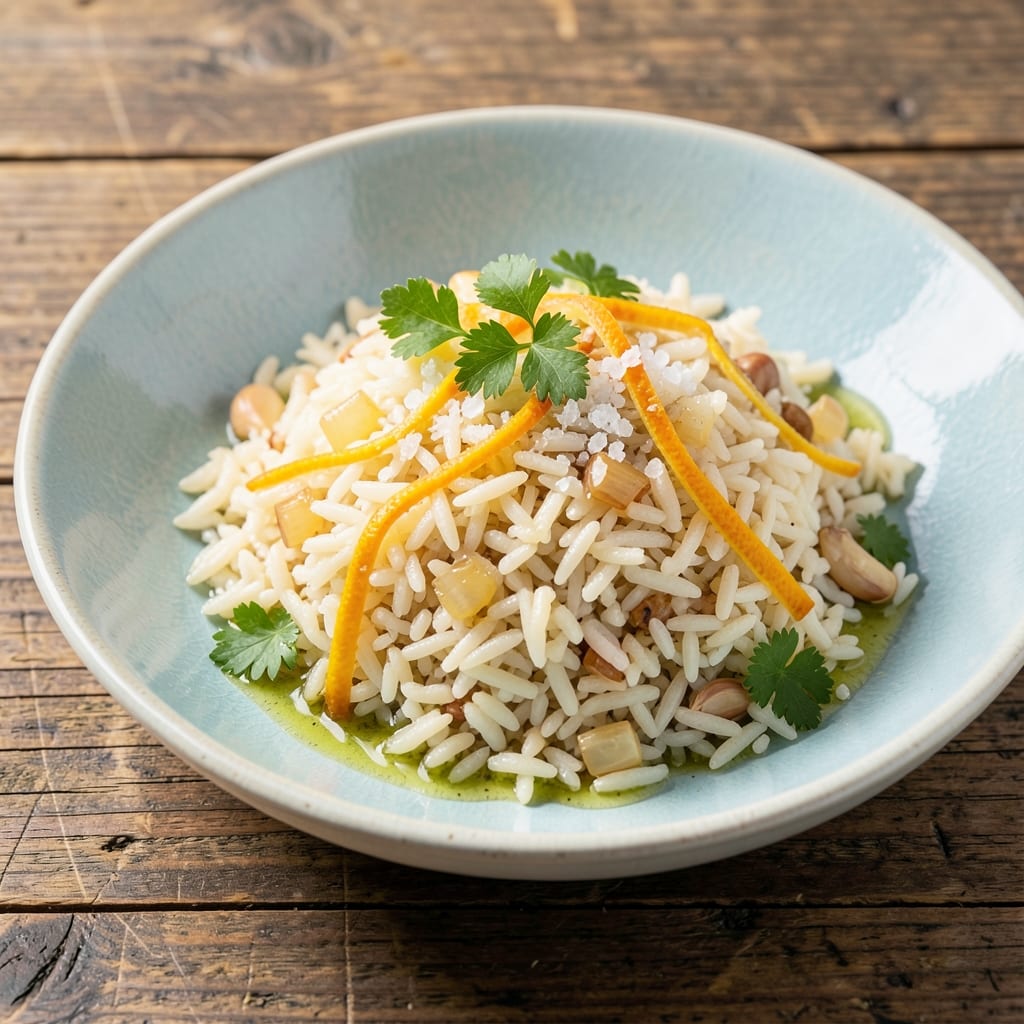
This one-pot lemon garlic herb pilaf transforms 2 cups of rice into a fragrant, restaurant-worthy side that’s ready in just 30 minutes with minimal cleanup. The secret lies in cooking the rice directly in a flavorful broth—no separate pot, no soggy results—just tender grains infused with bright citrus and aromatic herbs. I developed this method after years of testing one-pot techniques, and it’s become my go-to for weeknight dinners and holiday tables alike.
The magic happens when you toast the rice briefly in olive oil before adding the broth, which builds a subtle nutty depth before the liquid transforms it into perfectly fluffy, separate grains. Lemon zest and fresh herbs (parsley or dill) brighten the dish, while garlic and onion create a savory foundation that pairs beautifully with grilled chicken, roasted vegetables, or even as a standalone meal. The one-pot approach ensures the rice absorbs all the flavors evenly, eliminating the risk of dry or mushy textures.
By the time you’re done, you’ll have a golden, fragrant pilaf with a perfect balance of tangy, herby, and garlicky notes—ideal for serving alongside proteins or as a hearty vegetarian main. The method is foolproof, requiring only basic ingredients and a single pot, yet delivers results that taste like they simmered for hours. This recipe proves that simple techniques can yield extraordinary flavors, especially when you start with 2 cups of rice and let the broth work its magic.
For extra versatility, consider adding toasted nuts or dried fruit for texture, or swap the herbs based on what’s fresh in your kitchen. Leftovers reheat beautifully, making this a perfect meal-prep solution. Ready to elevate your rice game? Let’s get started.
Ingredients for 2 cups of rice
Here’s what transforms simple rice into fragrant, restaurant-style pilaf with just one pot.
| Ingredient | Amount | Notes |
|---|---|---|
| Long-Grain White Rice 🍚 | 2 cups | Uncooked, jasmine or basmati preferred |
| Extra-Virgin Olive Oil 🫒 | 2 tbsp | High-quality, fruity variety |
| Yellow Onion 🧅 | 1 whole | Medium size, finely diced |
| Garlic Cloves 🧄 | 4 cloves | Fresh, minced |
| Lemon Zest 🍋 | 1 tbsp | Freshly grated |
| Lemon Juice 🍋 | 2 tbsp | Freshly squeezed |
| Vegetable Broth 💧 | 2 ½ cups | Low-sodium preferred |
| Fresh Parsley 🌿 | ¼ cup | Chopped, stems removed |
| Fresh Dill 🌿 | ¼ cup | Chopped, or substitute parsley |
| Salt 🧂 | 1 tsp | Diamond Crystal kosher salt |
| Ground Black Pepper 🌶️ | ½ tsp | Freshly ground |
| Dried Thyme 🌿 | ½ tsp | Or 1 tsp fresh thyme leaves |
| Butter 🧈 | 1 tbsp | Unsalted, for finishing |
The rice is the foundation, so jasmine or basmati gives you that delicate floral aroma and separate grains. Trader Joe's or Whole Foods carry these varieties if your grocery store doesn’t. For the broth, low-sodium vegetable broth keeps the flavors balanced—no need to adjust salt later. Fresh herbs like parsley and dill are ideal, but if you’re using dried, reduce to one-third the amount of fresh. The lemon zest and juice are non-negotiable for that bright, tangy punch—always zest fresh from a good organic lemon if possible.
No fresh herbs? Dried oregano or marjoram at half the amount works in a pinch. Short on lemon juice? Substitute lime juice for a different citrus twist. The butter at the end adds richness, but if you’re watching calories, olive oil works just as well. For extra depth, toast the rice in the olive oil for 2-3 minutes before adding broth—this builds nutty notes that elevate the whole dish. And if you’re serving this alongside proteins, consider adding toasted pine nuts or slivered almonds for crunch.
This pilaf reheats beautifully—just add a splash of water or broth to revive it. Keeps 4-5 days in the fridge, or freeze portions for up to 3 months. I always make extra because it’s perfect for meal prep—just store in an airtight container and reheat with a splash of water. The flavors actually deepen overnight, so leftovers often taste even better the next day.
Why You'll Love This Recipe
- I swear by this 2: 1 rice-to-water rule—no measuring cups, no guesswork. Toss in the rice, add water, and let it do its thing while I chop veggies or even scroll through my phone. Honestly, it’s the kind of recipe that makes me question why I ever overcomplicated things.
- No-Fuss Ratio: I swear by this 2:1 rice-to-water rule—no measuring cups, no guesswork. Toss in the rice, add water, and let it do its thing while I chop veggies or even scroll through my phone. Honestly, it’s the kind of recipe that makes me question why I ever overcomplicated things.
- Bright, Garlicky Magic: That lemon zest? It’s the secret weapon. The olive oil sizzling with onions and garlic gives it this golden, toasty base, but the zest lifts everything—like a little sunshine in every bite. I’ll be real: my picky-eating partner actually finishes his plate now.
- Weeknight & Meal Prep: Make it once, eat it three times. The flavors only get better the next day, and it’s perfect for stuffing into wraps, tossing with roasted veggies, or serving under a protein. Between us, this is my go-to when I need to feed a crowd without stressing—just double the batch and call it dinner.
Step-by-step instructions for one-pot lemon garlic herb pilaf
This bright, aromatic pilaf comes together in a single pot with minimal cleanup and maximum flavor.
Sauté Onions and Garlic Until Translucent
Heat the 2 tablespoons extra-virgin olive oil in a medium saucepan over medium heat. Add the finely diced yellow onion and cook for 5 minutes, stirring occasionally, until it softens and becomes translucent. This is your flavor foundation—don't rush it.
Push the onions to the sides of the pan and add the minced garlic cloves. Stir for 30 seconds until fragrant but not browned. Garlic burns quickly, so keep an eye on it. The onions should be tender enough to fall apart when pressed between your fingers.
Toast the Rice for Nuttier Flavor
Add the 2 cups long-grain white rice to the pan and stir to coat it evenly in the onion-garlic mixture. Cook for 2 minutes, stirring constantly, until the rice grains become slightly translucent at the edges. This step, called "toasting," enhances the rice's natural nuttiness and prevents mushiness.
Here's the thing—if you see the rice sticking, add 1 tablespoon vegetable broth to deglaze the pan. The rice should be evenly coated but not browned. This is your last chance to adjust seasoning before everything comes together.
Deglaze with Lemon and Build the Flavor Base
Pour in the 2 tablespoons lemon juice and 1 tablespoon lemon zest, stirring vigorously to combine. The citrus will brighten the entire dish and cut through the richness of the olive oil. Let it simmer for 1 minute until the lemon aroma intensifies noticeably.
Add the 2.5 cups vegetable broth, 1 teaspoon salt, ½ teaspoon ground black pepper, and ½ teaspoon dried thyme. Stir once to distribute the seasonings evenly. The broth should just cover the rice—this is perfect for even cooking without overcrowding.
Simmer Until Rice Absorbs All Liquid
Bring the mixture to a gentle boil, then immediately reduce heat to low, cover the pan with a tight-fitting lid, and simmer for 18 minutes. Don't peek! The steam needs to build and circulate properly for even cooking.
After 18 minutes, check the rice. If it's still slightly underdone (there might be a tiny bit of liquid remaining), cover and cook for another 2 minutes. The rice should be tender but still have a slight bite—this is al dente perfection. If it's too dry, add 1-2 tablespoons water and cover for 1 more minute.
Finish with Fresh Herbs and Butter
Remove the pan from heat and let it sit covered for 5 minutes. This resting period allows the rice to steam evenly and absorb any remaining liquid. Then, stir in the ¼ cup fresh parsley and ¼ cup fresh dill, followed by the 1 tablespoon unsalted butter. The herbs add a vibrant finish, while the butter adds richness and helps distribute the flavors.
Taste and adjust seasoning if needed—you might want to add a pinch more salt or a squeeze of lemon juice. Serve immediately while the rice is still hot, garnished with extra lemon zest if desired. The aroma alone will make your kitchen smell like a Mediterranean bistro!
Pro Tips For Making 2 Cups Of Rice
- TOAST THE RICE FIRST: I learned this the hard way—skipping the initial toast in olive oil makes the rice gummy. Heat your dry rice in a hot pan with 1 tablespoon of olive oil for 2 minutes until you hear it popping and smell that nutty aroma. This step locks in flavor and prevents clumping later.
- SWEAT THE ONION LOW: Don’t rush the onion—it’s the base of your flavor. Cook it over medium-low heat for 5-6 minutes until it’s translucent but not browned. If you crank the heat, it’ll burn before softening, and your whole dish will taste bitter. Patience here makes a real difference.
- USE A MEASURING CUP, NOT HANDS: I used to eyeball rice, and my portions were always off. For 2 cups of rice, use a proper 2-cup dry measuring cup—pack it down gently but don’t press too hard. Too loose? You’ll end up with undercooked grains. Too tight? It’ll turn out mushy. Find that middle ground.
- ZEST LEMON LAST MINUTE: Add the lemon zest right after the rice is off the heat—it’s the easiest way to keep it bright. If you toss it in too early, the acid will break down and make the rice taste dull. A quick sprinkle at the end is all it needs to cut through the richness of the olive oil.
Wine and beer pairings for these flavors
White Wine Pairings
The bright acidity of this lemon garlic herb pilaf makes it a perfect match for crisp white wines. A Sauvignon Blanc from New Zealand—like Cloudy Bay—cuts through the richness with its citrus and herbal notes, mirroring the lemon and dill flavors. The slight grassiness in the wine complements the fresh herbs beautifully. 🍷
Rosé for Balance
For a lighter option, a dry Provence rosé from France offers a refreshing contrast. Look for Château d'Esclans—its delicate floral and citrus notes enhance the dish without overpowering it. The pale color also makes it visually appealing when served alongside the golden pilaf.
Light Red Options
If you prefer red wine, a Pinot Noir from Oregon or Burgundy works surprisingly well. The Domaine Drouhin Oregon Pinot Noir has enough acidity to stand up to the lemon, while its red fruit notes harmonize with the garlic and thyme. Avoid heavy, tannic reds like Cabernet Sauvignon—they’ll clash with the dish’s brightness.
Beer Pairings
A crisp Belgian witbier, like Hoegaarden, brings a perfect balance with its citrusy and spicy notes from coriander. The effervescence cleanses your palate between bites, making each mouthful of pilaf taste fresh. For a lighter option, a German Helles Lager like Weihenstephaner Original adds a malty sweetness that contrasts nicely with the lemon.
Craft Beer Choices
If you’re a craft beer fan, try a hazy IPA with light citrus notes—like Hazy Little Thing from New Belgium. The tropical fruit flavors complement the lemon zest, while the low bitterness lets the herbs shine. Avoid overly hoppy IPAs, as they’ll overpower the delicate flavors of the pilaf.
Non-Alcoholic Options
For a refreshing non-alcoholic pairing, try a sparkling lemonade infused with fresh herbs like thyme or rosemary. The bubbles and citrus notes echo the dish’s brightness, while the herbal infusion ties everything together. A ginger beer with a squeeze of lime also works wonderfully for a spicy-sweet contrast. 💧
Nutrition facts
Frequently asked questions
Can I use brown rice instead of white rice in this recipe?
Yes, but you'll need to adjust the cooking time and liquid ratio. Brown rice requires 20-25 minutes of simmering and about 3 cups of broth (instead of 2.5 cups) to absorb properly. Toast it for 3 minutes to enhance its nutty flavor, and check for doneness after 20 minutes—it should be tender but still slightly firm.
How do I prevent my pilaf from turning out mushy?
Mushy rice usually happens from overcooking or too much liquid. Always use a tight-fitting lid to trap steam, and never peek while cooking. If your rice needs more time, add 1-2 tablespoons broth instead of water—it keeps the flavors balanced. Also, toasting the rice in oil first creates a barrier that prevents sticking.
Can I make this recipe with less than 2 cups of rice?
Scale down all ingredients proportionally. For 1 cup of rice, use 1.25 cups broth, 1 tablespoon olive oil, and halve all other measurements. The cooking time remains the same, but reduce the simmer to 15 minutes instead of 18. This works perfectly for a single serving or meal prep portions.
What are the best proteins to serve with this pilaf?
This lemon garlic herb pilaf pairs beautifully with grilled or roasted chicken breast, shrimp skewers, or even pan-seared salmon. For a vegetarian option, try marinated tofu or roasted eggplant. The bright citrus notes complement the richness of proteins while keeping the dish light and balanced.
How can I make this recipe gluten-free?
Simply ensure your vegetable broth is gluten-free and use certified gluten-free rice if needed. All other ingredients in this recipe are naturally gluten-free. Double-check labels on spices and broth to avoid cross-contamination. The flavor profile remains unchanged, making it a safe and delicious gluten-free option.