
Main Courses
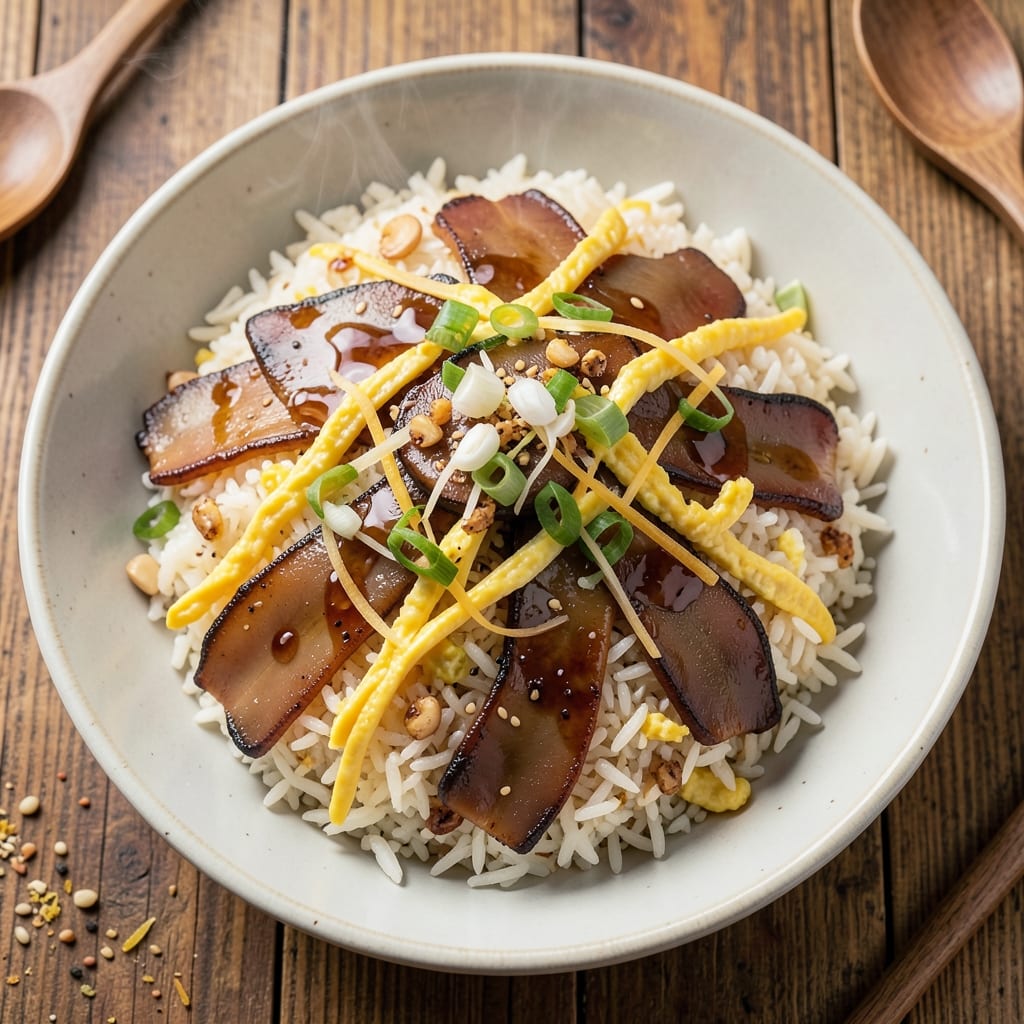
This abalone fried rice recipe transforms ordinary takeout into a luxurious seafood centerpiece—where tender abalone meets perfectly stir-fried rice in a single pan. The key lies in searing the abalone just until it develops a delicate crispness while keeping the interior velvety, then folding it into fragrant garlic-ginger rice with a glossy soy-based sauce. I perfected this technique after years of experimenting with seafood fried rice, ensuring the abalone remains the star without overpowering the dish's balanced flavors.
The process starts with properly preparing the abalone—slicing it thinly and searing it skin-side down to lock in moisture while creating a subtle crunch. Meanwhile, day-old rice gets stir-fried with garlic, ginger, and scallions until fragrant, then combined with a rich soy-based sauce that ties everything together. What makes this recipe special is how the abalone's natural sweetness complements the savory depth of the rice, creating a harmonious bite that feels both elegant and approachable.
By the time you plate this dish, you'll have golden-brown rice speckled with crisp-tender abalone pieces, all coated in a glossy sauce that clings perfectly. The aroma alone—garlicky, umami-rich, with a hint of seafood sweetness—will have everyone at the table anticipating that first bite. This isn't just fried rice; it's a restaurant-quality seafood experience you can recreate at home with minimal effort.
Optional garnishes like toasted sesame seeds or thinly sliced scallions add freshness and texture, while a drizzle of chili oil can introduce a subtle heat for those who prefer it. Serve with a side of steamed greens or a simple cucumber salad to balance the richness. Let's get cooking—your taste buds will thank you.
Ingredients for abalone fried rice
Sixteen ingredients for a restaurant-worthy seafood dish that's surprisingly simple to make at home.
| Ingredient | Amount | Notes |
|---|---|---|
| Fresh Abalone 🐚 | 6 oz | Skin-on, sliced thinly |
| Day-Old Jasmine Rice 🍚 | 3 cups | Cold, uncooked rice preferred |
| Large Eggs 🥚 | 2 whole | Beaten for stir-fry |
| Green Onions 🧅 | ½ cup | Thinly sliced, white and green parts |
| Garlic Cloves 🧄 | 6 cloves | Minced finely |
| Fresh Ginger 🌿 | 1 tbsp | Grated, aromatic |
| Light Soy Sauce 🍶 | ½ cup | Kikkoman preferred |
| Dark Soy Sauce 🍶 | 1 tbsp | For rich color |
| Sesame Oil 🫒 | 1 tbsp | Toasted, for aroma |
| Oyster Sauce 🍜 | 2 tbsp | Lee Kum Kee brand |
| Vegetable Oil 🫒 | 3 tbsp | High smoke point |
| Toasted Sesame Seeds 🌰 | 1 tbsp | For garnish |
| Chili Oil 🌶️ | 1 tbsp | Optional for heat |
| Salt 🧂 | ½ tsp | Kosher salt preferred |
| White Pepper 🌶️ | ¼ tsp | Freshly ground |
Abalone is the star here, so look for fresh, high-quality pieces—the skin should be smooth and slightly translucent, not dried out. Whole Foods or specialty seafood markets usually carry the best cuts, though Asian grocery stores often have frozen abalone that works in a pinch. If using frozen, thaw overnight in the fridge. The rice? Day-old, cold rice is non-negotiable—it absorbs flavors better and won't turn mushy. For the garlic and ginger, freshly minced makes all the difference—pre-minced jars lack that bright punch. If you're short on time, Trader Joe's sells pre-minced garlic in tubes that work surprisingly well.
No abalone? Scallops or shrimp can stand in, but adjust cooking time—they'll cook faster. Running low on soy sauces? Substitute coconut aminos at a 1:1 ratio, though the flavor will be slightly different. The oyster sauce can be swapped for hoisin sauce plus a splash of fish sauce, but you'll lose some depth. For the sesame oil, toasted sesame oil is a must—regular won't give that nutty aroma. If you're sensitive to heat, skip the chili oil entirely or use a pinch of red pepper flakes instead. The eggs? Room temperature beats cold straight from the fridge for even cooking.
This dish reheats beautifully—microwave for 2 minutes with a damp paper towel to restore crispiness. Store leftovers in an airtight container for 3-4 days, though I rarely have any. The abalone pieces keep best at the center of the container, shielded from drying out. For meal prep, portion into single servings with a side of steamed greens or cucumber salad. The sesame seeds and chili oil should be added fresh before serving—they lose their pop when stored. Double the recipe? No problem—it scales perfectly for crowds.
Why You'll Love This Recipe
- One-Pan Magic: I swear by this recipe on lazy nights—just heat your wok, toss in the day-old rice (no soggy mess here), and let the abalone’s natural sweetness caramelize while you scramble the eggs. The garlic sizzles in seconds, and suddenly, dinner’s ready before your takeout order arrives.
- Umami Bomb: That first bite? The abalone’s briny richness meets the crispy edges of the rice, while the green onions add a bright finish. It’s like a seafood stir-fry but with that je ne sais quoi—the kind of flavor that makes you pause mid-bite and think, “Why don’t I do this more often?”
- Lunchbox Hero: Pack this for work or school—it reheats like a dream (microwave or toaster oven, no judgment). The eggs stay tender, the rice holds its shape, and the abalone? Still melts in your mouth. Honestly, my kids would rather eat this than their “fancy” bento boxes.
- Budget Luxury: Abalone might sound fancy, but one piece stretches far—especially when paired with rice and eggs. I’ll be real: it’s my go-to for feeding a crowd without breaking the bank. Plus, the leftovers taste just as good the next day, so you’re basically getting two meals for the price of one.
Step-by-step instructions for abalone fried rice
Transform simple ingredients into a restaurant-worthy dish with this elevated fried rice technique.
Prepare the Abalone and Egg Mixture
Slice the 6 oz fresh abalone into thin, even strips about ¼-inch thick. Pat them dry with paper towels—this ensures they sear properly instead of steaming. In a bowl, beat the 2 whole large eggs until just combined with a fork, then season with 0.25 tsp white pepper and 0.5 tsp salt. Set aside while you prep the aromatics.
Here's the thing—abalone cooks fast, so keep the slices uniform. If any pieces look thick, slice them thinner. The goal is tender, not rubbery abalone that overcooks while the rice fries. I like to work in batches if needed, but we'll cook everything together in one pan for maximum flavor infusion.
Stir-Fry Aromatics and Cook the Abalone
Heat 3 tbsp vegetable oil in a 14-inch wok or large skillet over high heat until shimmering. Add the 6 cloves minced garlic and 1 tbsp grated fresh ginger, stirring constantly for 20-30 seconds until fragrant but not browned. Immediately add the abalone slices and stir-fry for 1-2 minutes until they turn opaque and curl slightly at the edges.
Don't crowd the pan—work in batches if needed to maintain high heat. The abalone should develop a delicate golden sheen but remain tender. If it starts to stick, add a splash of water and scrape up those flavorful browned bits. This quick sear locks in the abalone's natural sweetness while keeping it moist.
Incorporate the Rice and Sauces
Push the abalone to one side of the pan and add the beaten eggs to the empty space. Scramble them quickly with a spatula until just set—about 30 seconds. Then add the 3 cups day-old jasmine rice, breaking up any clumps with your spatula. Stir-fry for 1 minute to coat the rice with the egg mixture.
Pour in the 0.5 cup light soy sauce, 1 tbsp dark soy sauce, 2 tbsp oyster sauce, and 1 tbsp toasted sesame oil. Stir everything together vigorously for 2-3 minutes until the rice is evenly coated and begins to sizzle. The dark soy sauce will give your dish that beautiful mahogany color while deepening the umami flavor.
Finish with Green Onions and Garnishes
Add the 0.5 cup thinly sliced green onions and stir for another 30 seconds until wilted. Taste and adjust seasoning—you might need a splash more light soy sauce if the rice seems bland. Remove from heat and drizzle with 1 tbsp chili oil (if using) for a subtle kick. Let it rest for 1 minute to allow the flavors to meld.
Garnish generously with 1 tbsp toasted sesame seeds and serve immediately. The contrast of crispy abalone against the tender rice, combined with the aromatic green onions, creates a harmonious balance. Each bite should deliver the briny sweetness of abalone, the richness of the egg and oyster sauce, and the nutty depth of sesame.
Pro Tips For Making Abalone Fried Rice
- PREP ABALONE SMALL: Cut it into 1-inch cubes—no bigger, or they’ll stay chewy no matter how long you fry them. I learned this the hard way when I tried to use thick slices and ended up with rubbery bites. ---
- DRY RICE WELL: Spread day-old rice on a tray and let it sit for 10 minutes before frying—this prevents soggy, gloppy rice. Sounds weird, but it works: the extra moisture evaporates, and the grains stay separate. ---
- FRY EGGS FIRST: Scramble the eggs in a separate pan until just set, then push them to one side and pour in the rice. This keeps the eggs creamy instead of breaking apart when you mix everything together later. ---
- SAVE TIME WITH GARLIC: Mince the garlic super fine—almost paste-like—so it blends into the rice instead of sitting as chunks. I used to chop it normally, and it always ended up looking like I forgot to cook it.
Flavor customization for abalone fried rice
Sweet and Tangy
Balance the abalone’s natural sweetness with a touch of tang by adding 1 tbsp rice vinegar to the sauce mixture. This brightens the dish and cuts through the richness. I also recommend swapping ½ tbsp of the light soy sauce for rice vinegar and adding 1 tsp honey to enhance the abalone’s sweetness while keeping the sauce glossy. 💛
For extra tang, finish with a drizzle of ponzu sauce (about 1 tbsp) just before serving. The citrusy, umami punch from ponzu elevates the dish without overpowering the abalone’s delicate flavor. Store-bought ponzu works, but homemade is even better—simmer ¼ cup soy sauce, 2 tbsp rice vinegar, 1 tbsp mirin, and 1 tbsp grated yuzu peel (or lemon zest) for 5 minutes.
Spicy Kick
If you love heat, amp up the spice with 1 tbsp chili crisp (like Lao Gan Ma) mixed into the sauce. This adds a smoky, fiery depth that pairs perfectly with abalone’s sweetness. For a smoother heat, blend 1 tbsp gochujang (Korean chili paste) with 1 tsp honey and stir it into the sauce at the end. 🌶️
For a fresher spice profile, top the fried rice with thinly sliced Thai bird’s eye chilies and a sprinkle of toasted chili flakes. Adjust to taste—start with ½ tsp chili flakes and add more if you’re feeling adventurous. A squeeze of lime after plating also brightens the heat.
Umami Bomb
Boost the umami factor by adding 1 tbsp fish sauce to the sauce mixture. This deepens the savory notes and complements the abalone’s natural richness. For an extra layer, stir in 1 tsp dried shiitake powder (or finely chopped dried shiitake mushrooms rehydrated and minced) for an earthy, mushroomy depth. 🍄
Another umami powerhouse? Mushroom stems (like enoki or shiitake) sautéed with the garlic and ginger. Pulse them in a food processor for a fine texture, then stir-fry with the aromatics before adding the abalone. This adds a meaty, savory dimension without overpowering the seafood.
Herbaceous Twist
Fresh herbs add brightness and texture. Stir in 2 tbsp chopped cilantro or thai basil at the very end for a vibrant, aromatic finish. For a more sophisticated touch, mix 1 tbsp finely chopped mint with the green onions before adding them to the pan. The cool, fresh notes contrast beautifully with the rich abalone. 🌿
For a Southeast Asian-inspired twist, add 1 tbsp sliced lemongrass (white parts only) and 1 kaffir lime leaf, torn, to the stir-fry. Remove them before serving, but their essence will infuse the dish with citrusy, floral notes. Pair this version with a side of cucumber salad for a refreshing contrast.
Nutrition facts
Frequently asked questions
Why is day-old rice better for fried rice?
Day-old rice is firmer and absorbs flavors better than fresh rice, which turns mushy when stir-fried. The slightly dried surface creates a better texture for crispy edges. Plus, it prevents a gummy consistency that ruins the dish's integrity.
Can I substitute abalone with another seafood?
Yes! Scallops or shrimp work well, but adjust cooking time—they cook faster than abalone. For scallops, sear for 1-2 minutes per side until opaque. Shrimp should be cooked through in 1-2 minutes after adding to the pan. The texture will differ but still be delicious.
How do I prevent the abalone from overcooking?
Slice abalone thinly and sear over high heat for only 1-2 minutes until just opaque. Avoid overcrowding the pan, and work in batches if needed. The key is quick cooking—abalone becomes rubbery if left too long. A meat thermometer set to 145°F helps gauge doneness.
What if I don't have dark soy sauce?
Use 1 extra tbsp light soy sauce plus ½ tsp molasses or brown sugar to mimic the color and depth. The dish will still taste great, though the traditional mahogany hue will be missing. For extra richness, add 1 tsp oyster sauce to compensate for the missing umami.
Can I make this ahead of time?
Cook the fried rice, let it cool, and store in an airtight container for 3-4 days in the fridge. Reheat in the microwave for 2 minutes with a damp paper towel to restore crispiness. Add fresh garnishes (sesame seeds, green onions) just before serving for maximum flavor.