
Main Courses
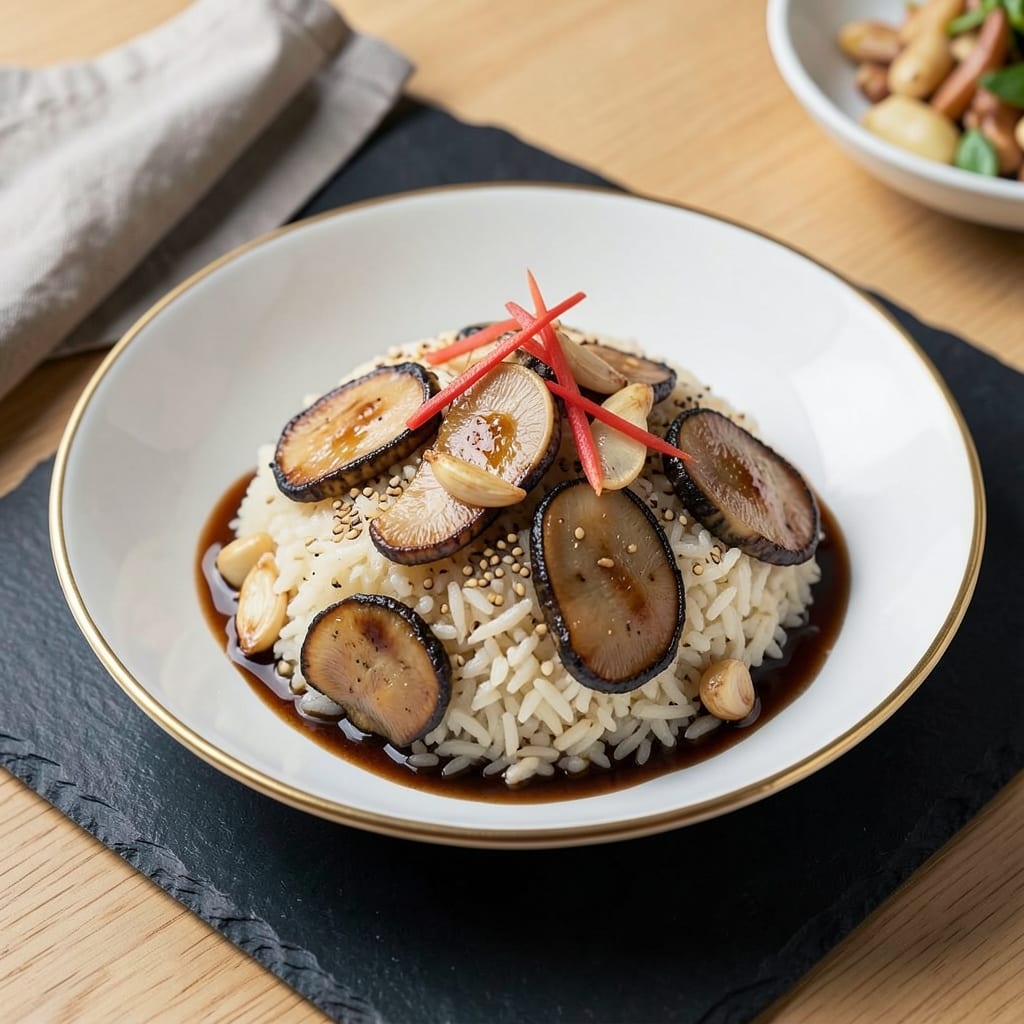
Abalone rice delivers a luxurious seafood feast with tender abalone and fragrant jasmine rice in perfect harmony. The secret lies in properly preparing the abalone—steamed to maintain its delicate texture—before combining it with garlic, ginger, and soy sauce for deep umami flavor. This dish transforms a simple rice bowl into a restaurant-worthy experience without requiring advanced techniques.
What sets this recipe apart is the balance between buttery abalone and aromatic rice. The abalone is first steamed until just tender, then quickly seared to develop a golden crust that adds texture contrast. Meanwhile, jasmine rice is cooked to ideal fluffiness, absorbing the savory-sweet sauce that ties everything together.
The result is a dish where each bite offers tender abalone with a subtle buttery richness, paired with fragrant rice that soaks up the garlic-ginger-infused sauce. The dish comes together in about 45 minutes, making it perfect for special occasions or when you want to impress without spending hours in the kitchen.
Serve with a drizzle of sesame oil and fresh cilantro for added brightness. This abalone rice recipe proves that elegant seafood dishes can be both approachable and unforgettable—ideal for anyone looking to elevate their weeknight dinner.
Ingredients for abalone rice
Jasmine rice pairs perfectly with delicate abalone for an elegant seafood dish.
| Ingredient | Amount | Notes |
|---|---|---|
| Abalone 🐚 | 1 ½ lb | Fresh, cleaned, sliced into bite-sized pieces |
| Jasmine Rice 🍚 | 2 cups | Uncooked, long-grain preferred |
| Garlic Cloves 🧄 | 6 cloves | Minced, fresh preferred |
| Fresh Ginger 🌿 | 2 tbsp | Finely grated, peeled |
| Soy Sauce 🍶 | ½ cup | Light or dark, high-quality |
| Sesame Oil 🫒 | 1 tbsp | Toasted, for finishing |
| Mirin 🍶 | 2 tbsp | Sweet rice wine, authentic flavor |
| Sugar 🍬 | 1 tbsp | White granulated |
| Vegetable Oil 🫒 | 2 tbsp | High smoke point for searing |
| Salt 🧂 | 1 ½ tsp | Kosher or sea salt |
| Black Pepper 🌶️ | ½ tsp | Freshly ground |
| Fresh Cilantro 🌿 | ¼ cup | Chopped, for garnish |
| Water 💧 | 2 ½ cups | For rice cooking |
| Butter 🧈 | 2 tbsp | Unsalted, for abalone sear |
The abalone is the star here, so quality matters. Look for fresh, plump abalone at specialty seafood markets or high-end grocers like Whole Foods or H Mart. If you're buying frozen, thaw it overnight in the fridge—never under running water, as it dries out the meat. For the jasmine rice, Calrose or Mahatma brands are ideal—they stay separate and fragrant. The butter used for searing should be cold and unsalted to create that perfect golden crust without overpowering the abalone's natural flavor.
No mirin? Substitute with 1 tbsp sugar plus 1 tbsp dry white wine—it won't be identical, but it'll work. Fresh ginger too fibrous? Use 1 tsp ground ginger at half the amount, though fresh has that zing you can't replicate. For the soy sauce, Kikkoman or Pearl River Bridge brands add authentic depth. If you're short on time, pre-minced garlic from a jar (like Garlic & Herbs brand) saves steps without sacrificing flavor. The cilantro can be swapped for baby spinach or green onions if you prefer milder greens.
Abalone cooks fast—once it's sliced, keep it chilled until ready to use. The rice should be cooked just until tender (about 12 minutes) and then left to steam for 10 minutes covered. Store leftovers in an airtight container for up to 3 days, but the abalone's texture suffers after day 2. For freezing, portion the rice and sauce separately—3 months max. Reheat gently in a steamer or with a splash of water to restore moisture.
Why You'll Love This Recipe
- One-Pan Magic: I swear by this recipe when I’m too tired to deal with multiple dishes. Toss the abalone and jasmine rice in one pot, add a splash of soy sauce and a thumb of ginger, then let it simmer—no chopping, no fuss, just pure, hands-off satisfaction.
- Umami Bomb: That abalone? It’s the star—rich, briny, and so tender it melts in your mouth. The garlic and ginger hit just right, balancing the deep savory notes of the soy sauce without overpowering. Honestly, I’ve made simpler meals that didn’t taste half as good.
- Leftovers That Don’t Suck: Between us, most leftovers end up in the trash. Not this. The rice stays fluffy, the abalone stays juicy, and reheating it? A breeze. Pack it for lunch or serve it cold the next day—still delicious, still impressive.
- Date Night or Lazy Sunday: This dish is my secret weapon for when I want to feel fancy without actually trying. The aroma alone makes the kitchen feel like a restaurant, and it’s ready in time to impress even if I’m still in my pajamas. (Yes, even on a Tuesday night.)
Step-by-step instructions for buttery sear and fragrant jasmine abalone rice
Master this luxurious dish with precise technique for perfectly seared abalone and fragrant rice.
Prepare the Abalone for Optimal Texture
Pat the 1.5 lb abalone dry with paper towels to remove all moisture. This critical step prevents the meat from steaming instead of searing. Using a sharp chef's knife, slice the abalone into bite-sized pieces—about ½-inch thick—working quickly to maintain freshness.
In a small bowl, combine 2 tbsp vegetable oil and 2 tbsp butter. Melt this mixture in a large skillet over medium-high heat until it shimmers but doesn't smoke. The butter adds richness while the vegetable oil ensures proper heat conduction for that coveted caramelized crust.
Add the abalone pieces in a single layer, leaving space between them. Let them sear undisturbed for 2-3 minutes per side until they develop a deep golden-brown crust. This initial sear locks in juices and creates the foundation for the dish's signature buttery flavor. Remove the abalone and set aside on a plate.
Build the Fragrant Jasmine Rice Base
In the same skillet (with all those flavorful browned bits still clinging), reduce heat to medium. Add the 6 cloves minced garlic cloves and 2 tbsp fresh ginger, cooking for 30 seconds until fragrant but not browned. This quick sauté releases their aromatic oils without burning.
Pour in 2 cups jasmine rice and stir to coat evenly in the garlic-ginger oil. Cook for 1 minute until the rice grains become translucent at the edges. This step, called "toasting," enhances the rice's nutty flavor and prevents mushiness.
Add 2.5 cups water, 0.5 cup soy sauce, 2 tbsp mirin, 1 tbsp sugar, 1.5 tsp salt, and 0.5 tsp black pepper. Stir gently once to distribute the seasonings, then bring to a simmer. Cover tightly with a lid and reduce heat to low. Cook for 15 minutes without disturbing.
Finish the Abalone and Combine with Rice
After the initial 15 minutes of rice cooking, uncover the skillet and increase heat to medium. Add the reserved abalone pieces back to the pan along with any accumulated juices from the plate. Spoon some of the rice cooking liquid over the abalone to create a light sauce.
Cook for an additional 3-4 minutes until the abalone is heated through and the rice has absorbed most of the liquid. The abalone should be tender with just a slight resistance when pierced with a fork. If the rice appears dry, add 2-3 tablespoons of water and cover for 2 minutes to steam.
Remove from heat and let the abalone-rice mixture rest for 5 minutes covered. This resting period allows the abalone to reabsorb any juices and the rice to finish steaming. The result should be perfectly al dente rice with tender, buttery abalone pieces infused with garlic and ginger.
Garnish and Serve with Professional Flair
Transfer the abalone-rice mixture to a serving platter. Drizzle with 1 tbsp sesame oil and sprinkle evenly with 0.25 cup chopped fresh cilantro. The sesame oil adds a nutty finish while the cilantro provides a bright contrast to the rich abalone and rice.
For presentation, arrange the abalone pieces slightly exposed on top of the rice so they're visible when serving. This dish pairs beautifully with a side of steamed bok choy or a simple cucumber salad. Serve immediately while the abalone is still warm and the rice maintains its perfect texture.
Pro Tips For Making Abalone Rice
- STEAM ABALONE FIRST: I learned this the hard way—raw abalone is tough as a boot. Give it 10 minutes in a steamer with a splash of water before cooking, and it’ll turn tender enough to slice with a spoon. (Yes, even if you’re impatient like me.)
- GRATE GINGER FINE: No, "diced" isn’t fine enough. Use the small holes of a box grater for ginger—this way, it melts into the rice instead of sitting in stubborn chunks. My grandmother swore by this, and she was right: the flavor spreads evenly.
- DON’T OVERCOOK THE RICE: Once the rice is tender, turn off the heat immediately. Let it sit covered for 5 minutes—this steams it just right. I used to walk away and forget, ending up with dry rice that tasted like sawdust. (Your future self will thank you.)
- SAUTE GARLIC LOW: Garlic burns faster than you think, especially when you’re distracted. Cook it on medium-low until it’s just golden, not brown—you want sweetness, not bitterness. Sounds weird, but it works: skip the crispy bits, and the dish tastes richer.
Common mistakes when making perfect results
Overcooking Abalone
Abalone cooks in a flash—just 2-3 minutes per side for that perfect golden sear. I’ve seen beginners leave it in too long, turning the meat rubbery and dry. The moment it develops a deep golden crust (3-4 minutes total), it’s done. Overcooking releases too much moisture, and the texture becomes tough. Keep a timer handy and watch closely—abalone doesn’t forgive lingering in the pan. 🌡️
Skipping the Dry Pat
Never skip patting the abalone dry before searing! Any moisture on the surface will cause the meat to steam instead of developing that coveted caramelized crust. I learned this the hard way—my first attempt turned out soggy. Use paper towels and press firmly to remove all moisture. This step is non-negotiable for that buttery, restaurant-quality texture.
Using Low-Quality Soy Sauce
Not all soy sauces are created equal. Cheap, salty brands will overpower the delicate abalone flavor. I recommend using Kikkoman or Pearl River Bridge soy sauce—they balance saltiness with authentic umami. If you’re using a low-sodium option, add an extra pinch of salt to the rice. The right soy sauce elevates the dish from good to extraordinary.
Disturbing the Rice While Cooking
Once you add the rice and liquid, resist the urge to stir! Disturbing the rice during cooking can break the grains, leading to a mushy texture. After the initial 1-minute toast, stir just once to distribute seasonings, then leave it alone. The rice will steam perfectly on its own, resulting in fluffy, separate grains. Patience here is key—don’t peek or prod! 🍚
Ignoring the Resting Period
Rushing to serve immediately is a common mistake. After combining the abalone and rice, let the dish rest for 5 minutes covered. This allows the abalone to reabsorb any juices and the rice to finish steaming. Skipping this step means dry rice and potentially tough abalone. Trust the process—your patience will be rewarded with perfectly balanced flavors and textures.
Using the Wrong Oil for Searing
Vegetable oil has a high smoke point, but butter adds richness—use both! Some cooks try to sear abalone in just butter, which can burn and create a bitter flavor. The 2 tbsp vegetable oil + 2 tbsp butter combo ensures a perfect sear without overpowering the abalone. If you’re short on time, a high-smoke-point oil like avocado oil works, but butter is worth the effort for that signature buttery finish. 🧈
Nutrition facts
Frequently asked questions
Can I substitute fresh abalone with canned for this recipe?
Fresh abalone is ideal for this dish because its delicate texture and flavor shine when seared. Canned abalone works in a pinch but lacks the same buttery richness and tender bite. If substituting, choose high-quality canned abalone (like Japanese or Korean brands) and drain it well before using. The texture will be slightly firmer, so reduce cooking time to 1-2 minutes per side to avoid overcooking.
What's the best way to reheat leftover abalone rice?
Reheat gently to preserve texture: spread leftovers on a baking sheet and warm in a 350°F oven for 10-12 minutes, or steam in a rice cooker with 2 tbsp water for 5 minutes. Microwaving is risky—it can dry out the abalone. For extra flavor, add a splash of soy sauce or sesame oil before reheating. Store leftovers in an airtight container for up to 3 days.
Can I make this dish gluten-free?
Yes! Replace the soy sauce with tamari or coconut aminos (use ½ cup) and check that mirin is gluten-free (some brands contain wheat). For extra umami, add 1 tsp fish sauce or ½ tsp gluten-free oyster sauce. The dish will still be flavorful—just ensure all ingredients are certified gluten-free.
How do I know when the abalone is done?
The abalone is perfectly cooked when it reaches 145°F internally and develops a deep golden-brown crust (3-4 minutes total). It should feel tender but still slightly resistant when pierced with a fork—overcooking turns it rubbery. For visual cues, look for a caramelized exterior with no translucent edges.
Can I use brown rice instead of jasmine?
Technically yes, but brown rice requires 20-25 minutes longer to cook and absorbs more liquid. Use 2.75 cups water and increase cooking time to 30 minutes (covered). The texture will be chewier, which contrasts differently with the abalone. For a lighter option, try jasmine-brown rice blends (50/50 ratio) for a balance of flavor and texture.