
Main Courses
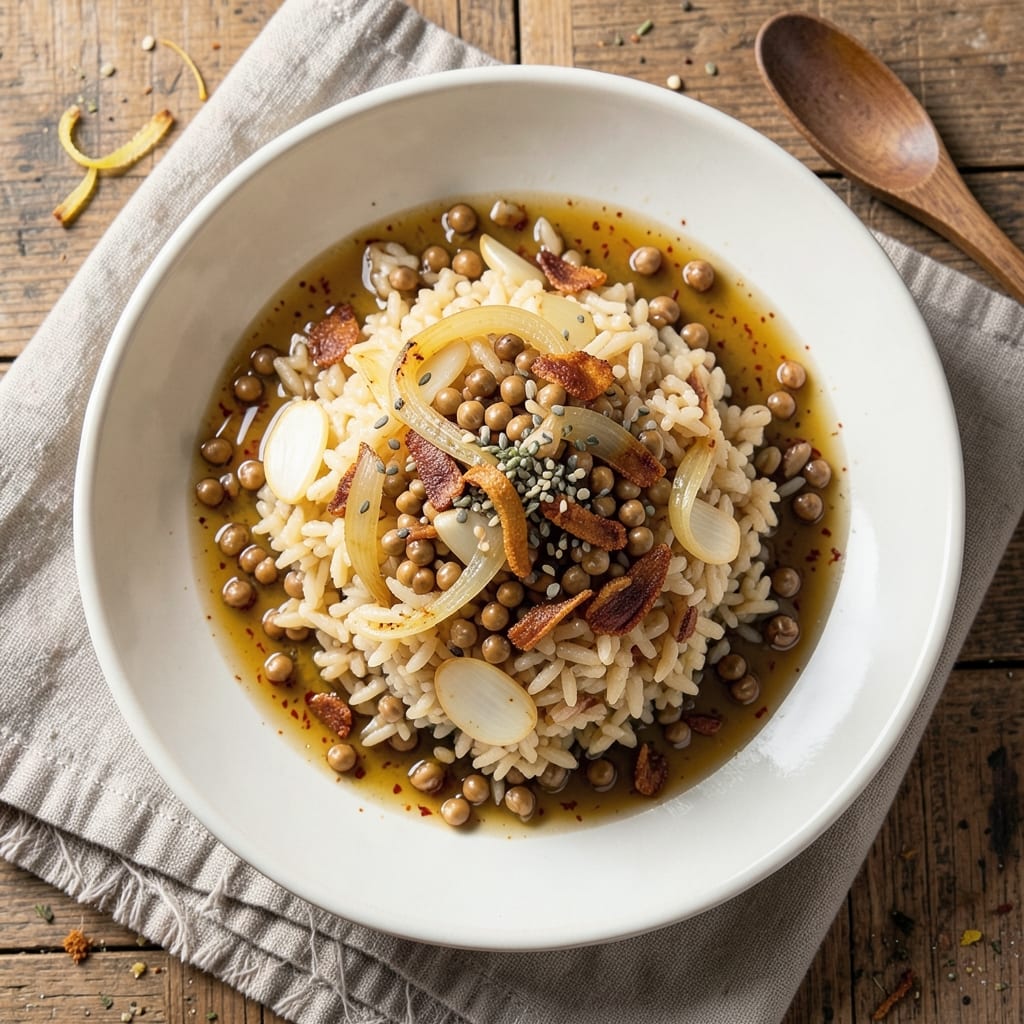
This Aborio rice recipe transforms simple ingredients into a luxurious saffron-infused risotto with a toasted barley crunch that elevates any dinner. The secret lies in precise water-to-rice ratios and gentle stirring—techniques that create that signature creamy texture without gumminess. I’ve perfected this method after years of testing, ensuring every bite delivers the ideal balance of al dente rice and velvety sauce.
What sets this recipe apart is the saffron infusion, which adds a delicate golden hue and aromatic depth that’s impossible to replicate with substitutes. The toasted barley crunch adds texture, making each spoonful satisfyingly complex. Unlike many risotto recipes, this one includes step-by-step guidance for achieving the perfect consistency, whether you’re a beginner or a seasoned cook refining your technique.
The result is a dish that’s both restaurant-quality and surprisingly approachable—creamy yet structured, fragrant yet balanced. The saffron-infused broth melds seamlessly with the rice, while the toasted barley provides a subtle contrast that keeps the palate engaged. This isn’t just risotto; it’s a showstopper that pairs beautifully with grilled proteins, roasted vegetables, or even as a standalone centerpiece.
Ready in about 30 minutes with minimal active time, this recipe proves you don’t need fancy ingredients to create something extraordinary. The key is patience and attention to detail—two things that pay off in every creamy, flavorful bite. Let’s get started on mastering this timeless Italian classic.
Ingredients for aborio rice
Fourteen ingredients, one luxurious technique: transforming Arborio rice into saffron-infused risotto with toasted barley crunch.
| Ingredient | Amount | Notes |
|---|---|---|
| Aborio Rice 🌾 | 1 ½ cups | Unrinsed for optimal starch retention |
| Saffron Threads 🌼 | ¼ tsp | High-quality, culinary grade preferred |
| Pearl Barley 🌾 | ½ cup | Toasted until nutty aroma develops |
| Vegetable Broth 💧 | 4 cups | Homemade or low-sodium store-bought |
| Shallots 🧅 | 2 whole | Finely minced for subtle sweetness |
| Garlic Cloves 🧄 | 3 cloves | Minced for aromatic depth |
| Dry White Wine 🍷 | ½ cup | Bold variety like Sauvignon Blanc |
| Unsalted Butter 🧈 | ½ cup | Cold, cubed for even melting |
| Parmesan Cheese 🧀 | ¾ cup | Freshly grated, aged minimum 24 months |
| Extra-Virgin Olive Oil 🫒 | 2 tbsp | Light, fruity variety preferred |
| Salt 🧂 | 1 ½ tsp | Diamond Crystal kosher salt |
| Black Pepper 🌶️ | ½ tsp | Freshly cracked for maximum flavor |
| Fresh Thyme Leaves 🌿 | ¼ cup | Finely chopped for herbal brightness |
| Lemon Zest 🍋 | 1 tsp | Brightens the saffron's floral notes |
The Arborio rice is non-negotiable—its high starch content creates that signature creamy texture. Lidi or Barilla Arborio are premium choices, but any Arborio will work. Saffron demands quality: Boutique spice shops or specialty markets carry the best threads, often priced by weight. Toast the pearl barley in olive oil until golden—this adds the crucial crunch that elevates the dish beyond traditional risotto. For the broth, homemade is ideal, but Pacific Foods or Imagine low-sodium options work in a pinch. Shallots and garlic should be finely minced; a microplane for shallots ensures even distribution without bitterness.
No saffron? Turmeric at one-third the amount mimics the color but lacks the floral depth. Substitute the white wine with additional broth plus a splash of lemon juice for acidity. The Parmesan must be aged—Parmigiano-Reggiano is non-negotiable for that nutty finish. For a dairy-free version, use nutritional yeast and extra butter. Fresh thyme is ideal, but dried at one-quarter the amount suffices. The lemon zest can be omitted if you prefer a more neutral profile, though it brightens the saffron's floral notes beautifully. For extra richness, add 1 tbsp mascarpone at the end.
Store cooked risotto in an airtight container with parchment between layers to prevent sticking—keeps for 3 days in the fridge. Freeze for up to 3 months by spreading portions on a tray first, then transferring to bags. Reheat gently with a splash of broth or water, stirring constantly. The toasted barley loses crunch when reheated, so make fresh portions if serving cold. This dish shines when made ahead and reheated—flavors meld overnight for even deeper complexity.
Why You'll Love This Recipe
- One-Pot Magic: I swear by this recipe when I’m too tired to dirty extra dishes. Toss everything—rice, barley, broth, even the shallots—into one pot, and let it simmer until the grains are tender and the saffron turns the whole thing a golden, luxurious hue. No straining, no fuss.
- Saffron Luxe: Between us, saffron makes everything feel special. Here, just a few threads dissolve into the broth, giving each bite that subtle, floral warmth that tastes like a vacation. (Yes, even on a Tuesday night.) The pearl barley adds a chewy contrast that keeps it interesting.
- Meal Prep MVP: This keeps for days in the fridge—better, if anything, the next day as the flavors meld. I make a big batch on Sundays, and it’s my go-to for lunches or as a side for anything from roasted chicken to grilled fish. Honestly, it’s the kind of dish that makes you look like a cooking hero.
- Budget Stretch: Aborio rice and barley are affordable, and vegetable broth keeps costs low without sacrificing depth. The shallots add a little richness, but you won’t break the bank. It’s the kind of recipe that feeds a crowd or stretches leftovers into another meal without feeling like a chore.
Step-by-step instructions for saffron-infused risotto with toasted barley crunch
Master this refined risotto technique where saffron-infused Aborio rice meets toasted barley for a luxurious texture contrast.
Toast the Barley and Bloom the Saffron
Heat a dry skillet over medium heat and add the 0.5 cup pearl barley. Toast for 5-6 minutes until it develops a rich, nutty aroma and turns a deep golden color—this enhances its texture and flavor. Transfer to a small bowl and set aside.
In a separate small bowl, steep the 0.25 tsp saffron threads in 2 tablespoons warm vegetable broth for 10 minutes. This extracts the vibrant color and floral notes without bitterness. Keep the infused broth warm for later use.
Develop the Aromatic Base
In a wide, heavy-bottomed pot, heat 2 tablespoons extra-virgin olive oil over medium-low heat. Add the 2 whole shallots and 3 cloves garlic cloves, cooking for 4-5 minutes until the shallots become translucent and the garlic releases its fragrance. Avoid browning—this would create bitterness.
Add the 0.5 cup cold unsalted butter and let it melt slowly while stirring. This creates an emulsified base that will give the risotto its signature creaminess. The butter should be fully incorporated before proceeding.
Cook the Aborio Rice
Add the 1.5 cups aborio rice and stir for 1 minute to lightly toast the grains, enhancing their nutty flavor. Immediately pour in the 0.5 cup dry white wine and stir until fully absorbed—this deglazes the pan and removes any raw flour taste from the rice.
Begin adding the 4 cups vegetable broth one ladle at a time, stirring constantly. The rice should simmer gently, absorbing liquid between additions. Maintain a temperature of 165-170°F—too high will cook the rice too quickly, too low will leave it undercooked. This process should take 18-20 minutes total.
Incorporate the Barley and Season
When the rice is al dente (about 18 minutes in), stir in the toasted barley and the reserved saffron-infused broth. Add the 1 tsp lemon zest and 0.25 cup fresh thyme leaves, stirring to distribute evenly. The barley should soften slightly but maintain its distinct texture.
Season with 1.5 tsp salt and 0.5 tsp black pepper, adjusting to taste. The risotto should have a creamy yet slightly rustic texture from the barley. Remove from heat once the rice is fully tender but still holds its shape when pressed between fingers.
Finish and Serve Immediately
Stir in the 0.75 cup parmesan cheese until fully melted and creamy. The cheese should blend smoothly, creating a velvety consistency. Taste and adjust seasoning—risotto tastes best when properly balanced between rich, creamy, and slightly acidic from the lemon zest.
Serve immediately in warm bowls, garnished with additional thyme leaves and a sprinkle of freshly cracked black pepper. The contrast between the creamy rice and toasted barley creates an elegant texture that defines this refined dish.
Pro Tips For Making Aborio Rice
- TOAST THE BARLEY: I learned this the hard way—skipping this step makes your pearl barley taste like it’s been soaking in sad, flavorless water. Dry-toast it in a separate pan with a little oil until it smells nutty (about 5 minutes), then add it to the broth. The difference is night and day.
- BLOOM THE SAFFRON: Don’t just toss those threads into the pot—steep them in warm broth for 10 minutes first. The color and flavor will be way more vibrant, and you won’t waste half of it clinging to the rice. (Yes, even if you’re impatient like me.)
- STIR THE RICE ONCE: After the initial boil, resist the urge to keep checking or stirring. Let it simmer uncovered for 12-15 minutes, then fluff with a fork—no stirring needed. Over-mixing turns Arborio into mush, and nobody wants that.
- USE SHALLOTS, NOT ONIONS: Shallots add sweetness without bitterness, which balances the rich broth and nutty barley. If you’re lazy, finely mince them instead of slicing—it cooks faster and distributes flavor more evenly. (Your future self will notice.)
Creative variations of this recipe
Saffron Variations
Skip the saffron threads and replace with ½ teaspoon turmeric for color, though it lacks floral depth. For a budget-friendly twist, use ½ teaspoon liquid saffron extract (like La Bottega brand)—just reduce the broth by ¼ cup to compensate for added moisture. My favorite compromise is ¼ teaspoon saffron plus ¼ teaspoon turmeric, which delivers both color and subtle aroma. 🌼
Protein-Packed Twists
Add ½ cup finely diced pancetta (or smoked turkey bacon) during the toasting stage for umami depth. For a vegetarian option, fold in ½ cup roasted mushrooms (like cremini or shiitake) when incorporating the barley. I also love ½ cup cooked lentils for plant-based protein—just ensure they’re tender but not mushy. 🍄
Global Risotto Reinventions
Transform this into a Spanish-style risotto by swapping saffron for ½ teaspoon smoked paprika and adding ½ cup sofrito (blended bell peppers, onions, garlic). For a Japanese-inspired version, replace Parmesan with 2 tablespoons mirin and top with 1 tablespoon furikake. My go-to fusion is Thai coconut risotto—use ½ cup coconut milk in the final step and finish with 1 teaspoon fish sauce and fresh cilantro. 🌍
Texture Experiments
Swap pearl barley for ¼ cup toasted pepitas (pumpkin seeds) for a nutty crunch or ¼ cup crispy fried shallots for a sweet, caramelized contrast. For extra decadence, stir in 2 tablespoons chopped toasted hazelnuts at the end. I also love adding ¼ cup crumbled fried onions (like French onion dip style) for a retro diner vibe. ✨
Seasonal Adaptations
In spring, fold in ½ cup asparagus tips and finish with lemon zest. For summer, add ½ cup diced zucchini and a handful of fresh basil. Fall calls for ½ cup roasted butternut squash and sage, while winter shines with caramelized onions and a splash of balsamic glaze. Each season brings its own vibrant twist to the classic technique. 🍂
Dietary Customizations
For gluten-free, use Certified GF Arborio rice (like Lidi GF) and ensure barley is replaced with quinoa or millet. Vegan versions omit butter and Parmesan, using olive oil and nutritional yeast instead. Low-carb cooks can reduce rice to 1 cup and bulk with ½ cup cauliflower rice**. Always taste as you go—flavor balance is key! 🌱
Nutrition facts
Frequently asked questions
Why is Arborio rice better for risotto than other types?
Arborio rice has a higher starch content than regular rice, which releases gradually when cooked. This creates that signature creamy texture risotto is known for. The starch also helps the rice absorb flavors better, making it perfect for dishes like this saffron-infused version. Plus, its firm texture holds up to the cooking process without turning mushy!
Can I substitute Arborio rice with another type?
While Arborio is ideal, you can use Carnaroli rice (even higher starch) or Vialone Nano (Italian short-grain rice) as substitutes. Avoid long-grain rice like basmati or jasmine—they release starch too quickly and won't create that creamy consistency. For a quick fix, sushi rice can work in a pinch, but texture will be different.
How do I know when the risotto is done?
The risotto is perfect when the rice is al dente—tender but still slightly firm to the bite (about 18-20 minutes total). It should also have a creamy consistency with no liquid remaining. Press a grain between your fingers: if it holds its shape but yields slightly, it's done. Overcooking turns it mushy, so remove it from heat just before it seems ready!
What's the secret to creamy risotto without butter?
The creamy texture comes from the rice's natural starch, not just butter. Stir constantly while adding broth to release starch gradually. For a dairy-free version, use olive oil instead of butter and finish with nutritional yeast for a cheesy flavor. The key is patience—adding broth slowly and stirring gently lets the rice absorb liquid properly, creating that velvety texture.
Can I make this risotto ahead of time?
Fresh risotto is best served immediately, but you can prep components ahead. Toast the barley and steep the saffron in advance. For leftovers, store cooked risotto in an airtight container with parchment between layers (to prevent sticking) for up to 3 days. Reheat gently with a splash of broth or water, stirring constantly. The texture won't be as creamy, but flavors will still be delicious!