
Side Dishes
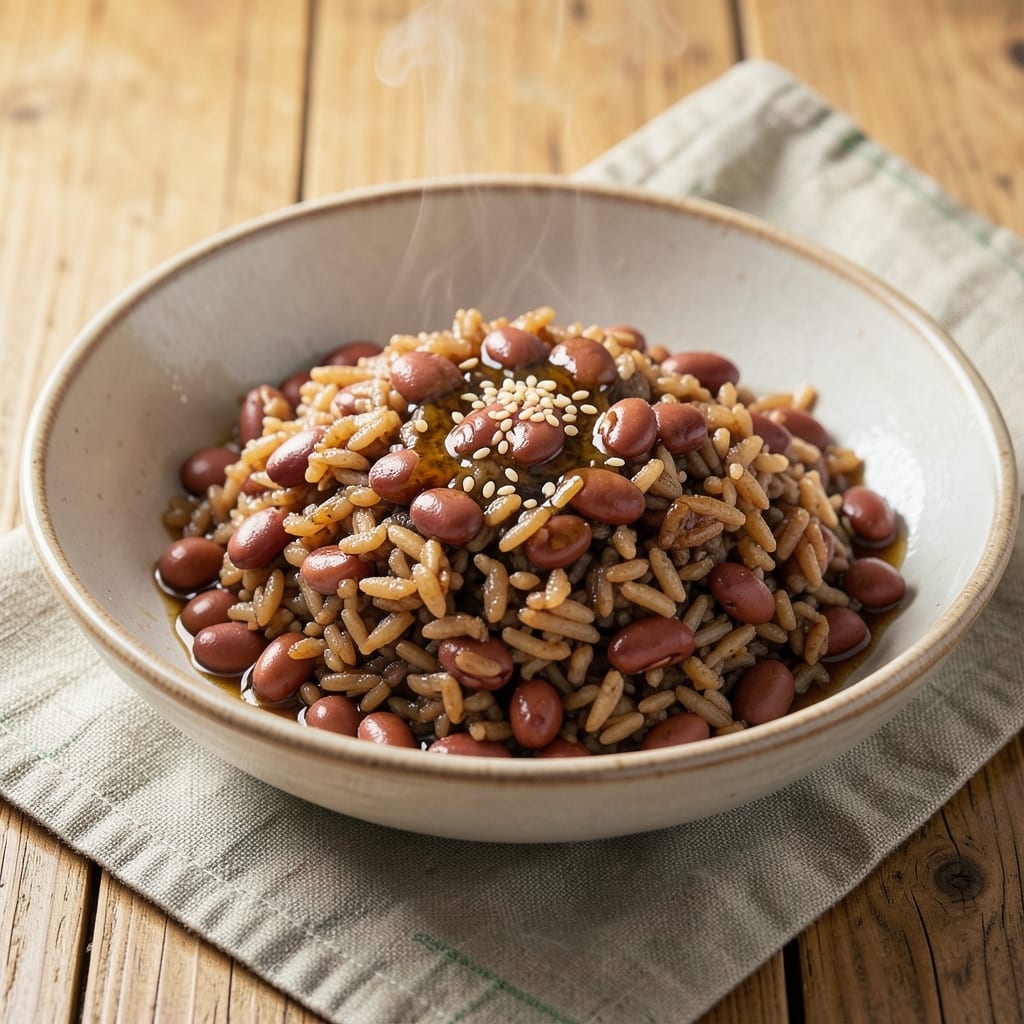
This adzuki beans and brown rice recipe delivers a perfectly balanced, one-bowl meal that combines earthy brown rice with naturally sweet adzuki beans—a classic pairing in both Japanese and Latin American cuisines. The secret lies in cooking the beans until tender while preserving their subtle sweetness, then simmering them with the rice in a light broth until every grain absorbs rich, savory flavors. What makes this dish special is how simple ingredients—like soy sauce, mirin, and a touch of sesame oil—transform into a restaurant-quality bowl that’s both hearty and satisfying.
The beauty of this recipe is its versatility—it serves as a complete vegetarian meal on its own or pairs beautifully with quick pickled vegetables, steamed greens, or a sprinkle of toasted sesame seeds. Japanese-style preparation focuses on minimal seasoning to let the natural flavors shine, while Latin American adaptations might include spices like cumin or a dash of lime. Either way, the result is a dish that’s packed with plant-based protein, fiber, and complex textures—crispy edges on the rice, tender beans, and a light, fragrant broth that ties everything together.
By the time you’re done, you’ll have a bowl that’s as visually appealing as it is delicious—golden-brown rice speckled with deep red beans, finished with a drizzle of sesame oil and a sprinkle of green onions. The dish stays warm for hours, making it perfect for meal prep or serving at gatherings. Whether you’re cooking for one or feeding a crowd, this recipe proves that a simple combination of rice and beans can become something extraordinary with the right technique.
Ready in about 45 minutes with minimal hands-on time, this recipe is designed for both beginners and experienced cooks. The key is patience—allowing the beans to soak and simmer gently ensures they stay tender and absorb the flavors deeply. Once mastered, you’ll find yourself reaching for this bowl again and again, whether as a quick weeknight dinner or a nourishing meal to share.
Ingredients for adzuki beans and brown rice
Nine simple ingredients transform into a restaurant-quality Japanese-inspired one-bowl meal.
| Ingredient | Amount | Notes |
|---|---|---|
| Brown Rice 🌾 | 1 cup | Uncooked, long-grain preferred |
| Adzuki Beans (Dried) 🌱 | 1 cup | Rinsed thoroughly before soaking |
| Dashi Broth 🍜 | 2 cups | Vegetarian version with kombu and shiitake |
| Soy Sauce 🥢 | 2 tbsp | Japanese-style preferred |
| Mirin 🍶 | 1 tbsp | Sweeter than dry sake |
| Sesame Oil 🫒 | 1 tbsp | Toasted for aroma |
| Green Onions 🧅 | 3 whole | Thinly sliced for garnish |
| Ginger (Fresh) 🧄 | 1 tbsp | Grated, aromatic |
| Vegetable Oil 🫒 | 1 tbsp | High smoke point |
| Salt 🧂 | ½ tsp | Diamond Crystal preferred |
| Toasted Sesame Seeds 🌰 | 1 tsp | For texture contrast |
The adzuki beans are the star here—buy dried from an Asian market for the best texture and flavor. Koyo brand is my go-to, but any organic dried beans work. Soak them overnight for perfect tenderness; no need to peel them. Brown rice is non-negotiable for texture—white rice gets mushy. For the dashi, Hojicha kombu and dried shiitake mushrooms from Martha Stewart's or Trader Joe's give authentic umami depth. Fresh ginger should smell bright and zesty—no woody aromas—and grating it just before cooking preserves its punch.
No mirin? Substitute 1 tbsp sugar plus 1 tbsp dry sake—the sweetness is key. Running short on sesame oil? Toasted peanut oil at half the amount works in a pinch. The green onions can be swapped for scallions or regular onions, but they add a fresh bite that balances the richness. For a Latin twist, add 1 tsp ground cumin and a pinch of smoked paprika to the broth. If you're using pre-made dashi, check for vegetarian certification—some contain anchovies. The sesame seeds? Toast them in a dry pan for 30 seconds—they should smell nutty and warm.
This dish tastes even better the next day as flavors meld. Store in an airtight container for 4-5 days in the fridge, or freeze portions for 3 months. I like to double the batch—one for dinner, one for lunch. The rice and beans keep well separately too, so you can assemble fresh bowls throughout the week. For extra crispiness, broil the top for 2 minutes before serving. Garnish with extra sesame seeds and a drizzle of sesame oil right before eating—trust me on this.
Why You'll Love This Recipe
- One-Pot Magic: I swear by this recipe when I’m too tired to wash dishes. Brown rice and adzuki beans simmer together in the same pot—no straining, no extra bowls—just rich, hearty flavor with zero fuss.
- Umami Bomb: That combo of dashi, soy, and mirin? It’s like a flavor explosion in your mouth. The beans get tender but hold their shape, soaking up all that savory-sweet broth while the rice stays chewy. (Yes, even my picky husband finishes his bowl.)
- Meal Prep Hero: Between us, this is my go-to for busy mornings. Cook a big batch on Sunday, and you’ve got lunch for the week—no sad desk lunches here. The flavors actually improve overnight, so leftovers taste like a treat.
- Budget-Friendly Staple: Dried beans and brown rice won’t break the bank, and a little dashi goes a long way. I make this when grocery money’s tight, and honestly? No one ever complains. It’s filling, nourishing, and way cheaper than takeout.
Step-by-step instructions for adzuki beans and brown rice
Here's the method to create a perfectly balanced Japanese-style one-bowl meal.
👨🍳 Step 1: Prepare the Adzuki Beans and Brown Rice
In a medium pot, combine the 1 cup of dried adzuki beans with 3 cups of water (about 3 times the volume of beans). Bring to a boil over medium-high heat, then immediately reduce to low heat. Cover and simmer for 1 hour until the beans are tender but not mushy. You'll know they're ready when they easily mash between your fingers but still hold their shape.
While the beans cook, rinse the 1 cup of brown rice under cold water in a fine-mesh strainer to remove excess starch. In a separate pot, combine the rinsed brown rice with 2 cups of fresh water. Bring to a boil over medium-high heat, then reduce to low heat, cover, and simmer for 35-40 minutes until the rice is tender and the liquid is absorbed. The rice should have a slight chewiness—this is perfect for this dish.
🍳 Step 2: Build the Sweet-Savory Broth Base
In a separate saucepan, heat the 1 tablespoon of vegetable oil over medium heat until shimmering. Add the 1 tablespoon of grated fresh ginger and sauté for 30 seconds until fragrant—you'll smell the warm, citrusy aroma. Add the 2 tablespoons of soy sauce and 1 tablespoon of mirin, stirring constantly for 1 minute until the mixture becomes slightly glossy and the alcohol smell dissipates.
Pour in the 2 cups of dashi broth and bring to a gentle simmer. Taste the broth and adjust seasoning with the 0.5 teaspoon of salt if needed. The broth should balance sweet, salty, and umami flavors—this is the foundation of your dish. Keep this mixture warm over low heat while you prepare the remaining components.
🥘 Step 3: Combine and Simmer the One-Bowl Meal
Transfer the cooked brown rice to a large serving bowl. Using a fork, gently mash about half of the adzuki beans and mix them into the rice—this creates a creamy texture while keeping some whole beans for texture. Pour the warm ginger-soy-mirin broth over the rice and beans, stirring gently to combine. The liquid should be mostly absorbed by the rice, but there may be a light sauce remaining.
Drizzle the 1 tablespoon of toasted sesame oil over the top and gently fold it in. The sesame oil will add a rich, nutty aroma and help bind the flavors together. Cover the bowl and let it sit for 5 minutes** to allow the flavors to meld. This resting time is crucial—it lets the rice and beans absorb the broth completely and develop deeper flavor.
🍽️ Step 4: Garnish and Serve
Thinly slice the 3 whole green onions and sprinkle them evenly over the dish. Add the 1 teaspoon of toasted sesame seeds on top for a final touch of texture and aroma. The green onions should add a fresh, crisp contrast to the warm, hearty base, while the sesame seeds provide a satisfying crunch with each bite.
Serve immediately while still warm. Each portion should be a perfect balance of chewy brown rice, tender adzuki beans, and flavorful broth. The dish should have a harmonious blend of sweet, savory, and umami notes with each spoonful. The aroma alone will make your kitchen smell like a traditional Japanese home cooking experience.
Pro Tips For Making Adzuki Beans And Brown Rice
- SOAK BEANS 4 HOURS MINIMUM: I learned this the hard way—skipping the soak leaves adzuki beans tough as rocks no matter how long you simmer. Toss them in cold water with a pinch of salt, cover, and let them sit. Yes, even if you’re impatient like me, they’ll cook faster and hold their shape better.
- USE TWO POTS FOR RICE: Brown rice and beans need different care, so don’t mix them. Cook the rice separately in a 1:2 rice-to-water ratio, then fluff it into the beans at the end. Crowding the pot turns rice mushy and beans waterlogged—trust me, your future self will notice the difference.
- SIMMER BEANS UNTIL CREAMY: Adzuki beans should break down just enough to soften but not dissolve into mush. After 1.5 hours of simmering, check for doneness, then mash a few with a fork. If they’re still firm, keep going—undercooked beans taste chalky, and overcooked ones turn to paste. Aim for that perfect in-between.
- SAVE TIME WITH STORED DASHI: Homemade dashi is amazing, but if you’re short on time, a good-quality instant dashi powder works just fine. Just dissolve 1 teaspoon in the simmering liquid with the soy sauce and mirin—it’ll still give that umami depth without the prep. (I skip this when I’m lazy, but the dish is noticeably better when I don’t.)
Perfect pairings for this adzuki beans and brown rice
Japanese-Inspired Sides
Pair your adzuki-brown rice bowl with quick-pickled vegetables—thinly sliced daikon radish and cucumber tossed in 1 tbsp rice vinegar, 1 tsp sugar, and a pinch of salt. This bright, tangy contrast cuts through the dish's richness. I also love serving steamed bok choy with a sprinkle of toasted sesame seeds—the crisp-tender greens balance the hearty bowl perfectly. 🥬
Latin American Twists
For a Latin-inspired pairing, serve with charro beans—pinto beans simmered with 1 tsp cumin, 1 tsp smoked paprika, and a splash of lime juice. The earthy spices complement the adzuki's natural sweetness. Add warm corn tortillas for scooping, or a simple avocado-lime salad with red onion for freshness. The lime's acidity brightens every bite. 🌶️
Protein Additions
Boost nutrition with soft tofu pan-seared in 1 tbsp sesame oil until golden, or miso-glazed salmon (marinate in 1 tbsp white miso + 1 tsp mirin for 15 minutes before baking at 375°F for 12 minutes). Both add protein without overwhelming the dish's delicate flavors. For vegetarians, crispy chickpeas (tossed in 1 tbsp olive oil and ½ tsp smoked paprika, baked at 400°F for 20 minutes) work beautifully. 🍣
Beverage Pairings
Sip on jasmine green tea or genmaicha to complement the dish's umami and sweetness—these teas enhance the meal's natural flavors without competing. For a Latin touch, try a hibiscus iced tea (steep 1 tbsp dried hibiscus in hot water for 10 minutes, then chill). The tartness cleanses the palate between bites. A light sake (like Junmai Ginjo) also works for a traditional pairing. 🍵
Garnish Upgrades
Elevate your bowl with quick-pickled red onions (thinly slice ½ red onion, soak in ½ cup vinegar + 1 tsp sugar for 10 minutes), or crispy shallots (sauté 2 tbsp sliced shallots in 1 tbsp butter until golden). A drizzle of spicy mayo (mix 2 tbsp mayo with ½ tsp sriracha) adds heat, while microgreens or shiso leaves bring freshness. These garnishes turn a simple bowl into a showstopper. ✨
Meal Prep Extras
Prep ahead with sesame-ginger dressing (whisk 2 tbsp soy sauce, 1 tbsp mirin, 1 tbsp sesame oil, and 1 tsp grated ginger) to toss with steamed edamame or shredded cabbage for a quick side. Store components separately in airtight containers—rice and beans last 4-5 days, while pickled veggies keep for 1 week. Assemble fresh bowls when ready to eat for the best texture. 📅
Nutrition facts
Frequently asked questions
Can I use canned adzuki beans instead of dried?
Yes, but with adjustments! Drain and rinse 1 can (15 oz) of adzuki beans, then simmer in 1 cup of water for 5-10 minutes to warm through. Canned beans are pre-cooked, so they won’t absorb broth as well—add 1 extra tablespoon of soy sauce and mirin to compensate for lost flavor depth.
Why does my brown rice turn mushy?
Mushy rice usually means too much water or overcooking. Use a 1:2 ratio (rice to water) and never peek while cooking—each time you lift the lid, steam escapes, extending cooking time. For this recipe, 35-40 minutes on low heat is ideal. If it’s still firm, simmer uncovered for 5 more minutes.
How can I make this dish spicier?
Add heat with ½ teaspoon red pepper flakes to the broth or a dash of gochujang (Korean chili paste) for depth. For a Latin twist, stir in ½ teaspoon cayenne with the ginger. Garnish with chili crisp or sliced jalapeños for extra kick. Start with ¼ teaspoon and adjust to taste.
Can I prepare this ahead of time?
Cook the rice and beans separately, then store in airtight containers for 4-5 days in the fridge. Reheat gently with 2 tablespoons of water in a pot, covered, over low heat for 10 minutes. For best texture, assemble fresh bowls right before serving—this keeps the rice crispy and beans tender.
What’s the best way to store leftovers?
Transfer to an airtight container and refrigerate for up to 5 days. For longer storage, freeze portions for 3 months