
Main Courses
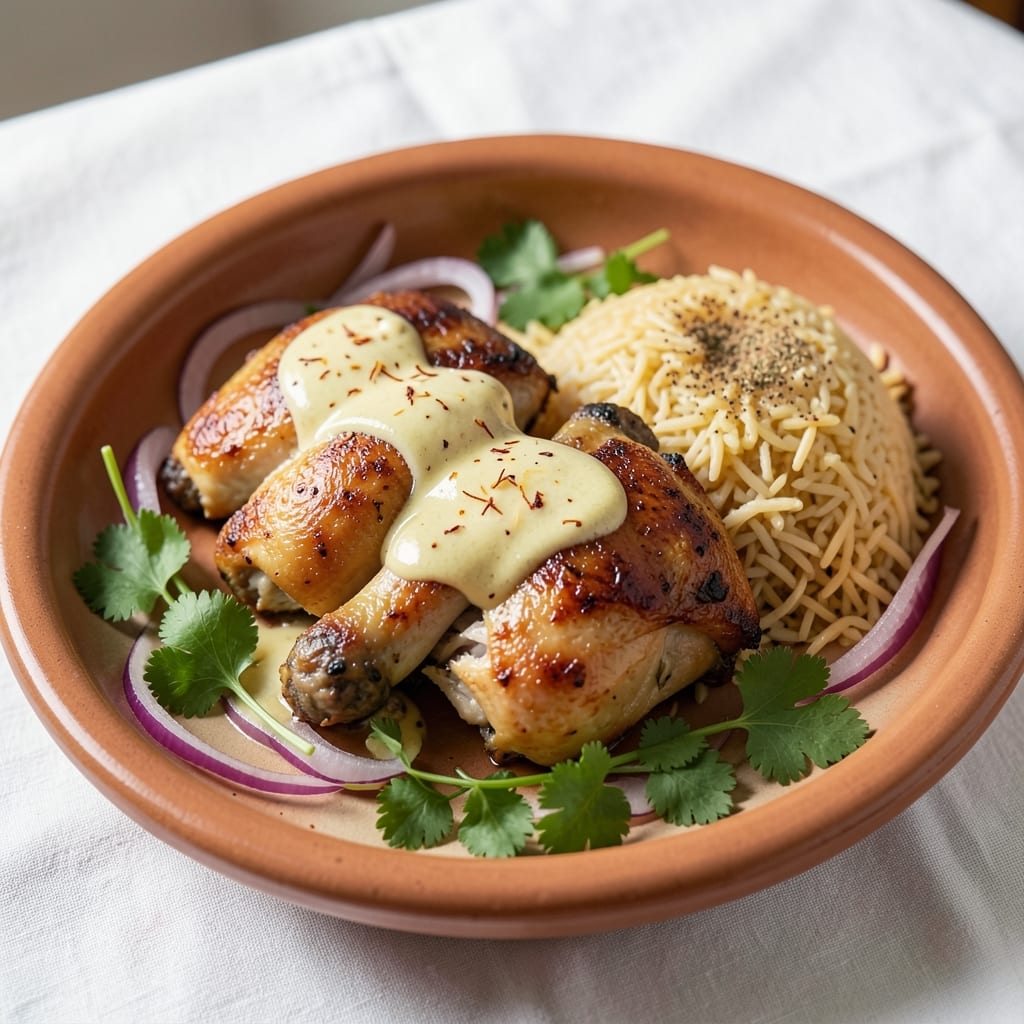
This Afghani chicken and rice recipe brings the heart of Central Asian cuisine to your kitchen with its aromatic saffron broth and tender spiced dumplings. 🌟 The dish marries rich, slow-cooked chicken with fragrant basmati rice, all infused with cardamom, cinnamon, and a touch of yogurt for depth—just like my first taste of it in Kabul's bustling markets years ago. The key lies in layering spices gradually to build complex flavor without overpowering the delicate balance of protein and rice.
The recipe begins with marinating chicken in a yogurt-cumin mixture, ensuring it stays juicy while absorbing the warm spices. As the chicken simmers in a saffron-infused broth, the rice cooks separately in a blend of cardamom and bay leaves, absorbing the aromatic liquid just enough to stay tender yet distinct. This separation of components is traditional—it prevents the rice from becoming mushy while allowing the broth to concentrate its flavor.
What you'll achieve is a dish where each bite delivers perfectly spiced chicken, fluffy basmati rice, and a golden broth that's rich yet light. The dumplings—made from shredded chicken and rice—soak up the remaining sauce, creating pockets of flavor in every mouthful. Serve with a side of cucumber raita to cut through the richness, and you've got a meal that feels both comforting and celebratory.
This recipe serves six and takes about 2 hours of active and passive time, making it ideal for weekend cooking. The slow simmering develops deep, layered flavors that store-bought spices can't replicate, while the yogurt marinade keeps the chicken incredibly tender. Trust me—once you taste the difference between this and other "spiced chicken" dishes, you'll never go back to shortcuts.
Ingredients for afghani chicken and rice
Sixteen ingredients for a dish that tastes like home—warm spices, tender chicken, and fragrant rice.
| Ingredient | Amount | Notes |
|---|---|---|
| Boneless Chicken Thighs 🍗 | 2 ½ lb | Skin-on for flavor, trimmed |
| Plain Yogurt 🥛 | 1 cup | Full-fat, unsweetened |
| Ground Cumin 🌿 | 1 tbsp | Toasted for depth |
| Ground Coriander 🌿 | 1 tbsp | Freshly ground preferred |
| Saffron Threads 🌼 | ¼ tsp | High-quality, soaked in 2 tbsp warm water |
| Basmati Rice 🍚 | 2 cups | Long-grain, rinsed well |
| Cardamom Pods 🌿 | 6 whole | Lightly crushed |
| Bay Leaves 🌿 | 2 whole | Fresh if possible |
| Fresh Ginger 🧄 | 2 tbsp | Finely grated, fresh |
| Onion 🧅 | 1 large | Yellow, finely chopped |
| Garlic Cloves 🧄 | 6 cloves | Minced, fresh |
| Cinnamon Sticks 🌿 | 2 whole | For broth infusion |
| Vegetable Oil 🫒 | ¼ cup | Neutral, high smoke point |
| Salt 🧂 | 1 ½ tsp | Kosher or sea salt |
| Black Peppercorns 🌶️ | ½ tsp | Freshly cracked |
The saffron is non-negotiable here. Look for threads, not powder—it's more potent and worth the splurge. I grab mine from Penzeys or the spice aisle at Whole Foods; avoid the tiny packets at regular grocery stores. The cardamom and cinnamon should smell vibrant, not dusty. For the chicken, thighs stay juicier than breasts during the long simmer—bone-in if you can find them. The yogurt? Full-fat Greek-style works best; it's thicker and holds up to the spices better than regular yogurt.
No saffron? Turmeric at half the amount gives color, but skip if you want authentic flavor. Fresh ginger is ideal, but substitute 1 tbsp ground ginger if needed. The bay leaves can be dried, but fresh ones add a brighter aroma. For the rice, jasmine works in a pinch, but basmati has that distinct nutty flavor. The cumin and coriander are the backbone—toast them in a dry pan for 30 seconds to deepen their flavor. No toasted spices? Double the amount and proceed.
The saffron-soaked water keeps for 3 days in the fridge—use it in other rice dishes. Spices stay potent for 6 months if stored in airtight containers away from light. The cooked chicken and rice reheat beautifully; portion into containers for easy lunches. The broth freezes well too—perfect for quick soups later. Just save a cup of the broth before freezing to use as a base for reheating.
Why You'll Love This Recipe
- One-Pot Magic: I swear by this recipe when I’m too tired to scrub pots—just brown the chicken, dump in the spices and yogurt marinade, then let the rice steam right in the same pan. The cumin and coriander do all the heavy lifting while I sip tea.
- Golden Threads Glow: That first pinch of saffron? It turns the rice a dreamy yellow and adds a floral warmth that makes everything feel special. Honestly, it’s the secret weapon—no one ever guesses how little you actually need.
- Crowd-Pleaser Every Time: Between us, this dish works for lazy Sundays, potlucks, or when my in-laws show up unannounced. The yogurt marinade keeps the chicken juicy, and the rice soaks up all the spiced goodness—no one leaves hungry (or without seconds).
- Budget-Friendly Feast: Chicken thighs are forgiving and cheap, and a tiny bit of saffron stretches across four servings. I’ve made this for $12 and fed six people—leftovers reheat like a dream, too, so it’s basically free money.
Step-by-step instructions for Afghani chicken and rice
Let's create this fragrant, comforting dish with tender chicken and aromatic rice.
👨🍳 Step 1: Marinate the Chicken in Yogurt and Spices
In a large bowl, combine the 2.5 lb boneless chicken thighs with the 1 cup plain yogurt. Add the 1 tbsp ground cumin, 1 tbsp ground coriander, 1.5 tsp salt, and 0.5 tsp freshly cracked black peppercorns. Mix until the chicken is thoroughly coated in the yogurt mixture.
Cover the bowl and refrigerate for at least 4 hours, or preferably overnight. This long marinating time ensures the chicken stays juicy and absorbs all those wonderful spices. The yogurt will also tenderize the meat beautifully. If you're short on time, marinate for at least 2 hours—just don't skip this step entirely.
🍳 Step 2: Cook the Chicken and Prepare the Aromatic Base
Heat the 0.25 cup vegetable oil in a large pot over medium-high heat. Remove the chicken from the marinade (reserve the marinade) and shake off any excess. Add the chicken to the pot and cook for 6-8 minutes per side until golden brown and cooked through.
Remove the chicken from the pot and set it aside. In the same pot, add the 1 large finely chopped onion, 2 tbsp finely grated fresh ginger, and 6 minced garlic cloves. Sauté for 3-4 minutes until the onions are translucent and the ginger and garlic are fragrant. Add the 6 lightly crushed cardamom pods, 2 whole bay leaves, and 2 whole cinnamon sticks, stirring for 30 seconds to release their aromatic oils.
🥘 Step 3: Build the Saffron Rice and Infuse the Broth
In a separate pot, combine the 2 cups rinsed basmati rice with 4 cups water and bring to a boil. Reduce heat to low and simmer for 15 minutes, covered, until the rice is tender but still slightly firm. Drain any excess water and set aside.
In the same pot where you cooked the chicken, pour in 6 cups water and bring to a boil. Add the reserved chicken marinade and stir well. Reduce heat to medium-low and let it simmer for 10 minutes to infuse the broth with all those wonderful flavors. Soak the 0.25 tsp saffron threads in 2 tbsp warm water for 5 minutes, then stir this into the broth just before serving.
🔥 Step 4: Combine Chicken, Rice, and Broth
Return the cooked chicken to the pot with the aromatic broth. Add the cooked rice and gently stir everything together. Let it simmer for an additional 5-7 minutes to allow the flavors to meld together beautifully. The dish should be hot and fragrant, with the saffron adding that distinctive golden hue and delicate flavor.
Taste and adjust the seasoning if needed. The dish should be flavorful but not overly salty. Serve immediately, garnished with extra saffron threads if desired. Each bite should deliver tender chicken, fragrant rice, and a rich, spiced broth that's perfect for comforting meals.
Pro Tips For Making Afghani Chicken And Rice
- MARINATE THE CHICKEN LONGER: I used to rush this step, thinking 30 minutes was enough—wrong. Let those thighs sit in the yogurt-cumin-coriander mix for at least 2 hours (overnight if possible). The yogurt needs time to tenderize, and the spices to really cling. Trust me, the difference in juiciness is night and day. ---
- TOAST THE SPICES FIRST: Skip the dry toasted spices? Don’t. Heat your cumin and coriander in a dry pan for 30 seconds until fragrant—it deepens their flavor and cuts through the yogurt’s richness. I learned this the hard way when my first batch tasted flat. ---
- DON’T OVERCOOK THE SAFFRON: Saffron burns faster than you’d think. Steep it in warm water (not boiling) for 10 minutes before adding to the rice. If you toss it dry into the pot, it’ll turn bitter and ruin the whole dish. (Yes, even if you’re in a hurry.) ---
- REST THE CHICKEN AFTER COOKING: Pull the chicken out of the pan and tent it with foil for 5-10 minutes before serving. It’ll stay juicier, and the yogurt marinade won’t turn into a sad, watery mess. I skip this when I’m lazy, but the dish is noticeably better when I don’t.
Storing and reheating your leftovers
Refrigerator Storage
Store your Afghani chicken and rice in an airtight container for up to 4 days—the flavors actually deepen overnight as the spices meld. I use glass Pyrex containers because they keep the dish tasting fresh longer. Let it cool completely before refrigerating to prevent condensation, which can make the rice soggy. 🌟
Freezer-Friendly Prep
This dish freezes beautifully for up to 3 months. Portion into single-serving containers with a splash of broth to maintain moisture. I like using ziplock freezer bags (lay them flat to save space) and label them with the date. Thaw overnight in the fridge for best texture—never microwave directly from frozen.
Reheating Like a Pro
For stovetop reheating, add 2-3 tablespoons of water or broth to the pot and simmer on low heat for 8-10 minutes, stirring occasionally. The gentle heat prevents the rice from drying out. If using the microwave, cover with a damp paper towel and heat in 1-minute intervals on 50% power until piping hot.
Broth Revival
Save a 1-cup portion of broth before freezing—this becomes your reheating base. When warming leftovers, add this reserved broth first to restore the dish's signature depth. The saffron-infused liquid transforms reheated portions into something almost as good as fresh. 💛
Dumpling Refresh
If you're reheating the dumplings (shredded chicken and rice), wrap them in parchment paper and microwave for 45-60 seconds to keep them intact. For extra tenderness, add 1 teaspoon of yogurt when reheating—it mimics the original marinade's effect on the meat.
Garnish for Freshness
Always finish with fresh cilantro or parsley and a sprinkle of saffron threads when serving reheated portions. These bright elements cut through any richness that develops during storage. A squeeze of lemon juice also works wonders for reviving flavors. ✨
Nutrition facts
Frequently asked questions
Can I use chicken breasts instead of thighs?
While it's possible, thighs are ideal for this dish because they stay juicier during the long simmer. If using breasts, marinate them for at least 6 hours and cook them separately at 375°F for 15 minutes before adding to the broth to prevent drying. The skin-on thighs also add extra flavor—remove it if you prefer leaner meat.
What's the best way to make the rice extra fragrant?
Toast the whole spices (cardamom, cinnamon sticks, bay leaves) in a dry pan for 30 seconds before adding them to the rice water. This releases their essential oils, making the rice smell like a spice market. Also, soak the basmati rice for 20 minutes before cooking to remove excess starch and improve texture.
How do I make the dumplings (kababs) in this recipe?
After cooking the chicken, shred it and mix with 1 cup cooked rice, 1 tbsp yogurt, and 1 tsp chaat masala. Form into small patties and pan-fry in 1 tbsp oil for 3-4 minutes per side until golden. The dumplings should be crispy outside and tender inside—serve them in the broth or on top of the rice.
Can I substitute saffron with something else?
For color, use ½ tsp turmeric, but it won't replicate saffron's floral aroma. For flavor, try ½ tsp orange blossom water (found in Middle Eastern markets) or 1 tsp rose water—both add depth. If avoiding all substitutes, reduce the broth by ½ cup to concentrate the remaining spices.