
Side Dishes
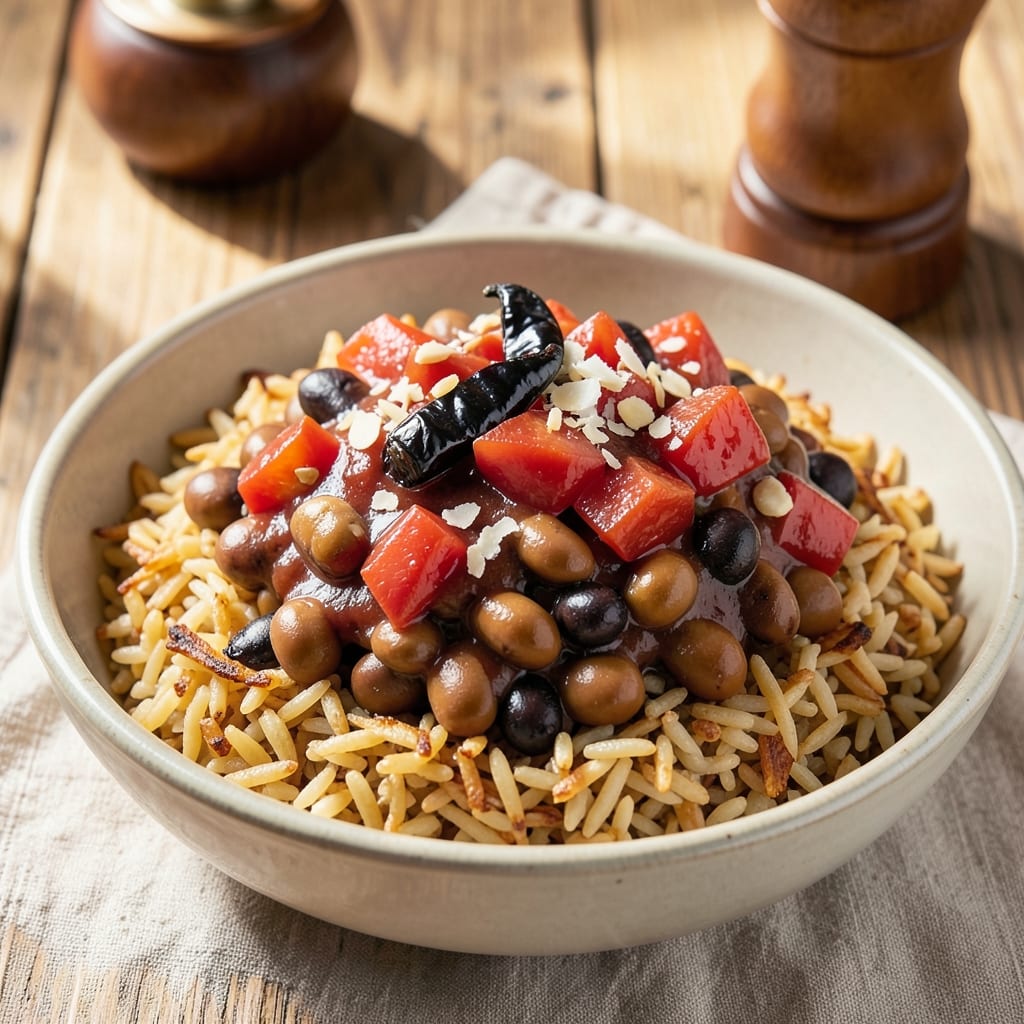
This African beans and rice recipe transforms a simple one-pot meal into a vibrant celebration of West African flavors—where smoky tomatoes, aromatic spices, and perfectly toasted grains create harmony in every bite. The secret lies in slow-cooked beans infused with garlic, ginger, and Scotch bonnet peppers, then married with jasmine rice that develops a delightful crunchy texture from careful toasting. I developed this recipe after years of perfecting the balance between tender beans, fragrant rice, and bold, layered spices that transport you straight to a bustling Lagos street market.
The beauty of this dish is its versatility—it works as a standalone meal or pairs beautifully with grilled fish, chicken, or plant-based proteins. The beans simmer until creamy yet hold their shape, while the rice absorbs the rich, tomato-based sauce without becoming mushy. What makes it truly special is the toasted grain technique, which adds a satisfying crunch that elevates the dish from ordinary to extraordinary. No fancy equipment is needed—just a heavy pot, patience, and a willingness to let the flavors meld over time.
By the time you serve this dish, your kitchen will smell like a spice-infused dream, and every forkful will deliver a perfect balance of smoky, sweet, and slightly spicy notes. The beans stay tender yet firm, the rice is fluffy with crisp edges, and the sauce clings to each grain like a flavorful embrace. This is the kind of meal that feels both comforting and sophisticated—ideal for family dinners, potlucks, or whenever you crave a taste of Africa without the travel.
Whether you're cooking for a crowd or meal prepping for the week, this recipe scales effortlessly while maintaining its depth of flavor. The one-pot method ensures minimal cleanup, and the leftovers actually taste better the next day as the spices deepen. Ready to master this flavor-packed symphony? Let’s get started with the ingredients.
Ingredients for african beans and rice
Jasmine rice, smoky tomatoes, and aromatic spices create this flavor-packed African one-pot symphony.
| Ingredient | Amount | Notes |
|---|---|---|
| Dried Black-Eyed Peas 🌱 | 1 ½ cups | Uncooked, rinsed well |
| Jasmine Rice 🍚 | 1 cup | Long-grain, uncooked |
| Canned Diced Tomatoes 🍅 | 1 can | 28 oz, San Marzano preferred |
| Scotch Bonnet Peppers 🌶️ | 1 whole | Seeded, finely chopped |
| Garlic Cloves 🧄 | 6 cloves | Fresh, minced |
| Fresh Ginger 🌿 | 1 ½ tbsp | Grated, finely |
| Yellow Onion 🧅 | 1 whole | Medium, diced |
| Ground Cumin 🌿 | 1 tbsp | Toasted for depth |
| Smoked Paprika 🌶️ | 1 tbsp | For smoky flavor |
| Dried Thyme 🍃 | 1 tsp | Or 1 tbsp fresh |
| Bay Leaves 🌿 | 2 whole | Fresh preferred |
| Vegetable Oil 🫒 | 2 tbsp | For toasting rice |
| Salt 🧂 | 1 ½ tsp | Diamond Crystal preferred |
| Black Pepper 🌶️ | ½ tsp | Freshly ground |
| Water 💧 | 2 ½ cups | For rice cooking |
The Scotch bonnet peppers bring the heat and depth—look for fresh ones at Latin markets or specialty stores. If you can't find them, Habanero at half the amount works in a pinch, but the flavor profile shifts slightly. The black-eyed peas are the heart of this dish, so don't skimp on quality—dried is best, but canned in seasoned broth is fine if you're short on time. For the ginger, freshly grated makes all the difference, but powdered works at one-third the amount if you're in a hurry. The jasmine rice should be long-grain—basmati is a good backup if you can't find it.
No Scotch bonnet? Skip the pepper entirely—the dish still shines with the other spices. The smoked paprika is non-negotiable for that authentic smoky flavor, but if you're out, regular paprika plus a pinch of liquid smoke gets you close. Fresh thyme is ideal, but dried at one-third the amount is perfectly fine. The vegetable oil matters for toasting the rice—use something with a high smoke point like avocado or grapeseed oil. For the tomatoes, San Marzano cans are worth the splurge—they're sweeter and less acidic, which lets the other flavors shine.
This dish tastes even better the next day as the flavors meld—plan to make extra. Store in an airtight container in the fridge for up to 4 days, or freeze portions for 3 months. The rice stays firm and the beans keep their texture, making it perfect for meal prep. If reheating, add a splash of water or broth to keep it from drying out. The leftovers also reheat beautifully in the microwave with a damp paper towel covering the dish.
Why You'll Love This Recipe
- One-Pot Magic: I swear by this recipe when I’m too tired to scrub pots—just soak the dried peas overnight, toss everything in one pot, and walk away. The rice cooks in the same broth as the beans, so no extra pans or fuss.
- Heat & Depth: That Scotch bonnet pepper isn’t just for spice—it adds a smoky, fruity punch that lingers. The garlic and tomatoes caramelize into a sauce so rich, you’ll want to spoon it over everything.
- Meal Prep Hero: Between us, this is my go-to for lazy Sundays or busy weeks. Cook a big batch, and you’ve got lunch for three days—just reheat and serve. My kids even ask for it on school nights.
- Budget-Friendly Powerhouse: Dried peas and rice stretch into a full meal for under $5. Honestly, it’s the kind of dish that makes me feel like I’m feeding a crowd without breaking the bank. Leftovers taste just as good the next day.
Step-by-step instructions for African beans and rice
This one-pot method delivers restaurant-quality flavor with minimal cleanup.
Toast the Rice for Depth of Flavor
Heat the 2 tablespoons vegetable oil in a large, heavy-bottomed pot over medium-high heat. Add the 1 cup jasmine rice and stir constantly for 2-3 minutes until it becomes fragrant and the grains turn a light golden color. This toasting step develops nutty flavors and prevents the rice from becoming mushy.
Watch the rice closely—it should smell toasty and slightly nutty. If it starts to brown too quickly, reduce the heat slightly. Once toasted, remove the pot from heat temporarily while you prepare the remaining ingredients. The residual heat will help bloom the spices when you return to the stove.
Build the Spice Base with Aromatics
Return the pot to medium heat and add the 2 tablespoons vegetable oil (if needed) along with the 1 whole yellow onion and 1 whole Scotch bonnet peppers. Cook for 5 minutes until the onion softens and the peppers release their vibrant color and aroma. Add the 6 cloves garlic cloves and 1.5 tablespoons fresh ginger and cook for another 1 minute until fragrant.
This is where the foundation of your dish comes together. The Scotch bonnet will add a subtle heat that balances the earthy spices. If you're sensitive to spice, you can remove the seeds and membranes before chopping. The aromatics should be soft but not browned—this ensures they meld into the dish rather than overpower it.
Add Spices and Tomatoes to Create the Sauce
Stir in the 1 tablespoon ground cumin, 1 tablespoon smoked paprika, 1 teaspoon dried thyme, 2 whole bay leaves, 1.5 teaspoons salt, and 0.5 teaspoon black pepper. Cook for 30 seconds until the spices are fragrant and the raw taste disappears. Pour in the 1 can canned diced tomatoes and stir well to combine.
Let the mixture simmer for 3-4 minutes until the tomatoes begin to break down and the spices dissolve into the sauce. This step develops the rich, complex flavor profile that defines West African cuisine. The tomatoes will release their juices, creating a thick, flavorful base for the beans and rice.
Combine Beans and Rice for Even Cooking
Add the 1.5 cups dried black-eyed peas (rinsed well) and the toasted 1 cup jasmine rice to the pot. Stir gently to coat the beans and rice with the spiced tomato mixture. Pour in the 2.5 cups water and bring the entire contents to a gentle boil. Once boiling, reduce the heat to low and cover the pot with a tight-fitting lid.
The key here is to maintain a gentle simmer. You should see small bubbles at the edges of the pot, but not a vigorous boil. This ensures the rice and beans cook evenly without breaking apart. Let it cook undisturbed for 25 minutes, then check the rice for doneness.
Simmer to Perfect Texture and Flavor
After the initial 25 minutes, uncover the pot and stir gently. The rice should be tender but still have a slight bite, and the beans should be mostly softened but not mushy. Add ½ cup water if the mixture appears too dry, then cover and return to low heat for another 15-20 minutes. The beans should be tender with a creamy texture, and the rice should be perfectly cooked with a slight crunch.
Taste and adjust seasoning if needed. The dish should have a balance of smoky, earthy, and slightly sweet flavors with a subtle heat from the Scotch bonnet. Remove the bay leaves before serving, as they can be bitter if consumed. Let the dish rest for 5 minutes before serving to allow the flavors to meld completely.
Pro Tips For Making African Beans And Rice
- SOAK BEANS OVERNIGHT: Dried black-eyed peas shrink less and cook faster when soaked 8–12 hours. I learned this the hard way—rushing them in boiling water leaves them mealy. Use a fine-mesh strainer afterward to drain all the water; lingering moisture turns your rice into a mushy pile.
- TOAST GARLIC LOW AND SLOW: Sauté minced garlic in oil on medium-low for 3–4 minutes until golden, not browned. After burning three batches, I finally figured out: high heat = bitter flavor. Let those cloves soften first, then add the Scotch bonnet—its heat will mellow the garlic’s sharpness.
- SIMMER TOMATOES UNTIL SYRUPY: Reduce canned diced tomatoes to a thick paste (10–12 minutes) before adding to the beans. This isn’t just about depth—it’s the glue that binds the rice. Skip this, and your dish tastes like it’s missing something (it is).
- USE COLD RICE FOR FLAVOR LAYERS: Mix cooked jasmine rice into the bean-tomato sauce after it’s off the heat, then let it sit covered for 5 minutes. Cold rice absorbs flavors better than hot, and the residual steam keeps it from drying out. Yes, even if you’re impatient like me—wait.
Essential equipment for african beans and rice
Heavy-Bottomed Pot
A large, heavy-bottomed pot with a 4-6 quart capacity is essential for even heat distribution and preventing scorching. I recommend a stainless steel or cast iron pot—like the All-Clad Stainless Steel Dutch Oven or Lodge Cast Iron Dutch Oven—because they retain heat well and distribute it evenly. These pots also handle the low-and-slow simmer required for tender beans and perfectly cooked rice. If you don’t have one, a deep, heavy skillet or enamel-coated pot works too. 🔥
Wooden Spoon
A long-handled wooden spoon (at least 12 inches) is a must for stirring the rice and beans without scratching the pot. I use a bamboo or hickory spoon because they’re heat-resistant and gentle on nonstick surfaces. Avoid metal utensils—they can react with acidic ingredients like tomatoes and alter the flavor. A silicone spatula also works well for scraping the bottom and ensuring even cooking.
Fine-Mesh Strainer
A fine-mesh strainer (like the OXO Good Grips Strainer) is perfect for rinsing the black-eyed peas thoroughly before cooking. This removes debris and prevents the beans from absorbing excess starch, which can make them gummy. If you don’t have one, a clean kitchen towel works in a pinch—just rub the beans gently to remove loose particles. Rinsing also helps reduce cooking time slightly.
Measuring Spoons
Precision matters when it comes to spices like smoked paprika and ground cumin. Use stainless steel measuring spoons (like the OXO Good Grips set) for accuracy—these spices are potent, and too much can overpower the dish. A spice grinder (like the Spice Grinder by Oxo) also comes in handy if you’re using whole spices, but pre-ground varieties are fine for this recipe. Keep your spices in airtight containers to preserve their flavor and aroma.
Kitchen Timer
Timing is everything in this recipe, especially when balancing the 25-minute simmer and the 15-20-minute finish. A digital kitchen timer (like the TimerTimer Pro) ensures you don’t overcook the beans or let the rice dry out. Set it for the initial 25 minutes, then again for the final simmer—this keeps you from constantly checking the stove. Pro tip: Place the timer where you can see it easily, like on your phone or near the stove.
Tongs for Serving
For serving, long-handled tongs (like the OXO Good Grips Tongs) make it easy to scoop up the beans and rice without breaking the grains. They’re also great for fluffing the rice gently after cooking. If you don’t have tongs, a slotted spoon works too—just be careful not to press too hard, which can mash the beans. Garnish with fresh cilantro or parsley for a pop of color and brightness. ✨
Nutrition facts
Frequently asked questions
Can I use canned beans instead of dried?
Yes, you can substitute 2 (15 oz) cans of black-eyed peas for the dried version. Drain and rinse them thoroughly to remove excess sodium. Reduce the cooking time by 10-15 minutes since canned beans are pre-cooked. For best texture, add them during the final 15-20 minutes of simmering to prevent them from becoming mushy.
What if I can’t find Scotch bonnet peppers?
No problem! Use 1 habanero pepper (halved amount) or 1-2 jalapeños (seeded and finely chopped) for milder heat. For a non-spicy version, simply omit the pepper entirely—the dish will still be flavorful with the smoked paprika and cumin. Adjust the spice level to your preference.
How do I make this recipe vegetarian or vegan?
This recipe is already vegetarian, but for a vegan version, use vegetable broth instead of water and ensure your smoked paprika is vegan (some brands contain animal-derived additives). Skip any optional protein like chicken or fish. The dish remains hearty and satisfying with just the beans, rice, and rich tomato-spice sauce.
Why does my rice turn out mushy?
Mushy rice usually happens from one of three issues: overcooking, too much liquid, or not toasting the rice first. Always toast the rice in oil for 2-3 minutes before adding other ingredients. Use the 2.5 cups water measurement precisely, and simmer at a gentle boil—not a rolling boil. If it’s still too soft, uncover and cook uncovered for 5-10 minutes to evaporate excess moisture.
Can I prepare this ahead of time?
This dish tastes even better the next day as the flavors deepen. Store in an airtight container in the fridge for up to 4 days. Reheat gently on the stove with a splash of water or broth to restore moisture. For freezing, portion into containers and freeze for up to 3 months. Thaw overnight in the fridge before reheating. The beans stay tender and the rice maintains its texture.