
Main Courses
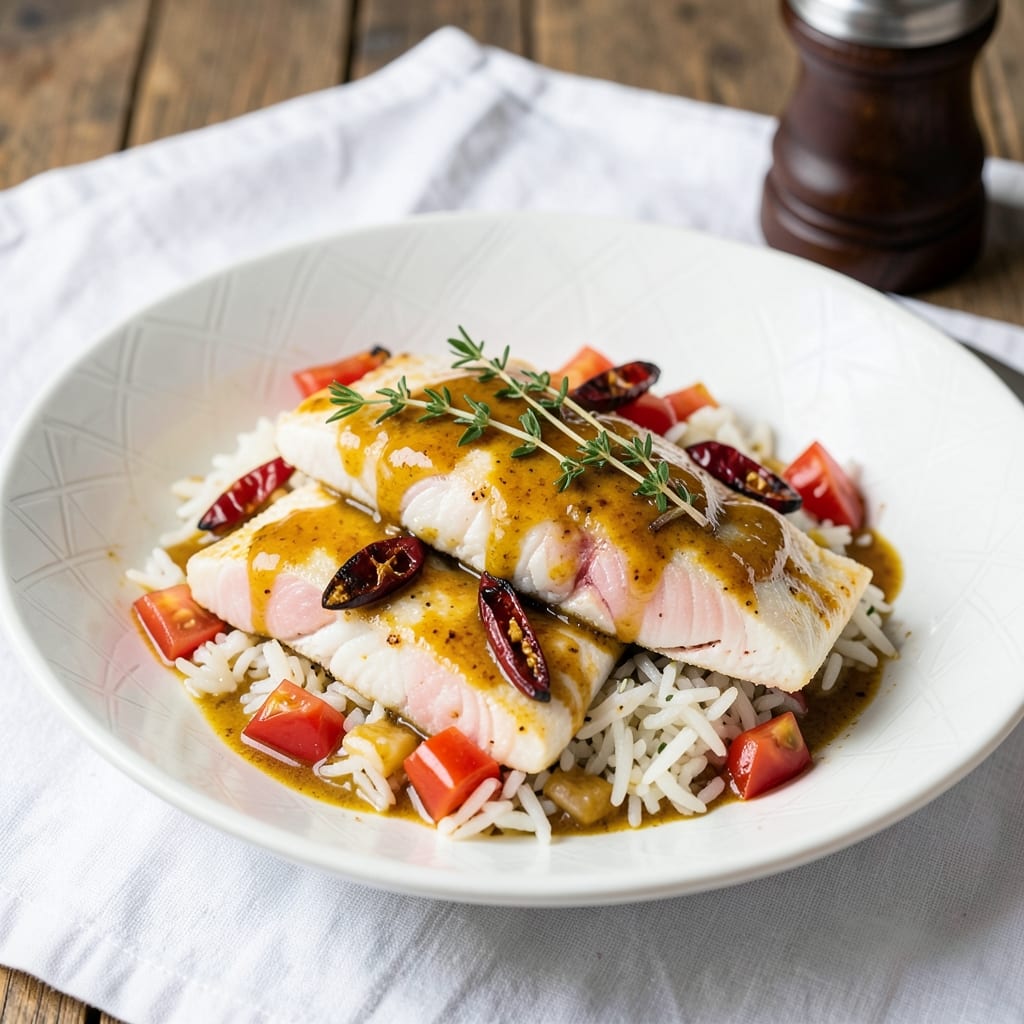
This African fish and rice recipe delivers bold, spiced tomato-braised flavors in a single pot—perfect for a hearty, culturally rich meal. The secret lies in slow-cooked fish simmered with aromatic spices, tomatoes, and fragrant herbs, all absorbed into fluffy rice. I developed this version after years of perfecting the balance between tender fish and perfectly seasoned grains, ensuring every bite is packed with depth. What sets this dish apart is its one-pot simplicity, where fish and rice cook together, infusing the grains with rich, savory flavors. Traditional ingredients like thyme, bay leaves, and scotch bonnet peppers add layers of warmth and complexity, while palm oil or butter creates a velvety base. The result is a dish that’s as satisfying as it is flavorful—ideal for family dinners or gatherings. By the end, you’ll have juicy fish fillets resting on a bed of fragrant, golden rice, all bathed in a deep, aromatic sauce. The dish pairs beautifully with fresh greens or a simple salad to balance its richness. Whether you’re recreating a classic or trying something new, this recipe brings the heart of African cuisine to your table. Ready in under an hour, this meal is foolproof yet impressive. Let’s get cooking!
Ingredients for african fish and rice
Bold spices, tender fish, and fragrant rice—this one-pot African feast needs just 14 ingredients.
| Ingredient | Amount | Notes |
|---|---|---|
| White Fish Fillets 🐟 | 1 ½ lb | Firm white fish like cod or tilapia |
| Long-Grain White Rice 🍚 | 1 ½ cups | Uncooked, jasmine or basmati preferred |
| Canned Diced Tomatoes 🍅 | 14 ½ oz | San Marzano preferred, undrained |
| Palm Oil 🫒 | ½ cup | Or substitute unsalted butter |
| Scotch Bonnet Peppers 🌶️ | 1 whole | Seeds removed, finely chopped |
| Fresh Thyme 🌿 | ¼ cup | Leaves only, finely chopped |
| Bay Leaves 🍃 | 2 whole | Fresh preferred, dried works |
| Garlic Cloves 🧄 | 4 cloves | Minced, not pre-minced jarred |
| Onion 🧅 | 1 whole | Medium yellow, diced |
| Ground Black Pepper 🌶️ | 1 ½ tsp | Freshly cracked preferred |
| Salt 🧂 | 1 ½ tsp | Diamond Crystal kosher salt |
| Chicken or Vegetable Broth 💧 | 1 ½ cups | Low-sodium preferred |
| Fresh Cilantro 🌿 | ¼ cup | Chopped, for garnish |
| Lemon Juice 🍋 | 2 tbsp | Freshly squeezed |
The fish is everything here. Look for cod or tilapia at the seafood counter—freshness matters most. If using frozen, thaw overnight in the fridge, never under running water. Whole Foods or your local fishmonger will have the freshest cuts, but the grocery store seafood section works too. For the scotch bonnet, Caribbean markets often carry them fresh, but a well-stocked grocery store with a Latin section will have them canned—just drain and chop. The palm oil gives that signature richness; if you can't find it, unsalted butter does the trick, though the flavor will be slightly different.
No scotch bonnet? Jalapeño or habanero at half the heat, or skip it entirely if you're sensitive. Fresh thyme is ideal, but dried works at one-third the amount. The tomatoes? San Marzano is the gold standard—sweet, meaty, and perfect for braising. If you're using canned, drain them well to avoid a watery sauce. For the rice, jasmine or basmati stays separate and fluffy, while long-grain white works too. The broth can be chicken or vegetable—just make sure it's low-sodium so you control the seasoning.
This dish tastes even better the next day, so double the recipe if you're feeding a crowd. Store leftovers in the fridge for 3-4 days or freeze for up to 3 months. To reheat, add a splash of water or broth and simmer gently—stirring occasionally so the rice doesn't stick. The fish reheats beautifully, though it's best served fresh. For extra flavor, squeeze a little lemon over the top right before serving—trust me on this. The cilantro garnish is optional but adds that bright, fresh finish.
Why You'll Love This Recipe
- One-Pan Magic: I swear by this—just toss everything in one pot, walk away for 25 minutes, and boom. The rice soaks up the tomato-palm oil sauce while the fish flakes apart, no extra dishes needed. (Yes, even on a Tuesday night.)
- Heat That Stays: That Scotch bonnet isn’t just for show—it lingers in every bite, balancing the richness of the palm oil and the brightness of the tomatoes. Honestly, the first time I made it, I added an extra pepper just to see how long it’d last. (Spoiler: all day.)
- Leftovers That Win: This dish actually improves the next day. The rice gets slightly firmer, the fish even more tender, and the flavors meld into something deeper. I make double batches on Sundays because my kids beg for it through the week—no complaints, just empty plates.
- Budget Meal, Big Impact: Fish fillets on sale? Canned tomatoes? Palm oil in bulk? This recipe stretches every ingredient without sacrificing flavor. Between us, I’ve fed six people for under $15 with this—no fancy ingredients, just smart swaps that still taste like a restaurant dish.
Step-by-step instructions for African fish and rice
Here's how to create a deeply flavorful one-pot dish where tender fish meets perfectly spiced rice.
Sauté the Aromatics in Palm Oil
Heat the 0.5 cup palm oil in a large, heavy-bottomed pot over medium heat until shimmering but not smoking. Add the 1 whole diced onion and cook for 4-5 minutes until softened and translucent. Here's the thing—don't rush this step. You want the onion to develop a gentle sweetness before adding the next ingredients.
Add the 4 cloves minced garlic and 1 whole Scotch bonnet pepper (seeds removed) and cook for another 1-2 minutes until the garlic becomes fragrant and the pepper releases its subtle heat. This aromatic base forms the flavor foundation of your dish, so take your time to develop it properly. If the mixture starts to brown too quickly, reduce the heat slightly to prevent burning.
Build the Spiced Tomato Base
Pour in the 14.5 oz canned diced tomatoes (with juices) and stir to combine with the aromatics. Add the 2 whole bay leaves, 0.25 cup finely chopped fresh thyme, 1.5 tsp salt, and 1.5 tsp ground black pepper. Bring the mixture to a gentle simmer and let it cook uncovered for 8-10 minutes until the flavors meld together and the liquid reduces slightly.
This reduction concentrates the tomato flavors and deepens the overall taste profile. You'll notice the mixture becomes thicker and the spices release their full aroma. The bay leaves will infuse subtle earthiness, while the thyme adds a bright herbal note. If you're using dried thyme, you might want to reduce the cooking time slightly to prevent overpowering bitterness.
Add Rice and Broth for Perfect Texture
Stir in the 1.5 cups long-grain white rice, making sure each grain is well-coated with the tomato mixture. Pour in the 1.5 cups chicken or vegetable broth and bring the entire mixture to a gentle boil. Once boiling, reduce the heat to low and cover the pot with a tight-fitting lid.
Let the rice simmer undisturbed for 15 minutes. This initial cooking period allows the rice to absorb the initial liquid and begin developing its texture. The key here is patience—resist the urge to peek or stir. The rice needs this uninterrupted time to establish its foundation. After 15 minutes, check the rice. If it's still quite firm, continue cooking for another 5-10 minutes before proceeding to the next step.
Add Fish and Complete the Cooking Process
Carefully arrange the 1.5 lb white fish fillets on top of the partially cooked rice, making sure they're evenly distributed. The fish should be nestled gently into the rice without being submerged. Pour the 2 tbsp freshly squeezed lemon juice evenly over the fish and rice.
Cover the pot again and continue cooking on low heat for another 10-12 minutes, or until the rice is tender and the fish flakes easily with a fork. The lemon juice will brighten the entire dish and complement the rich tomato flavors. You'll know the fish is perfectly cooked when it separates into tender flakes with just a gentle touch. The rice should be fully tender with a slight bite, not mushy.
Rest, Garnish, and Serve
Remove the pot from heat and let the entire dish rest, covered, for 5 minutes. This resting period allows the juices to redistribute throughout the rice and fish, ensuring each bite is moist and flavorful. After resting, gently fluff the rice with a fork, being careful not to break the fish fillets further than necessary.
Garnish with the 0.25 cup chopped fresh cilantro and serve immediately. The cilantro adds a fresh, bright contrast to the rich tomato and spiced flavors. This African-inspired dish delivers a perfect balance of tender fish, perfectly spiced rice, and vibrant herbs that complement each other beautifully. Enjoy it with a simple green salad or warm crusty bread to soak up the delicious sauce.
Pro Tips For Making African Fish And Rice
- SEAR THE FISH FIRST: Don’t just toss raw fish into the tomato-palm oil sauce—give those fillets a quick 2-minute sear in a hot pan with a splash of water. The edges crisp up, and the fish stays moist while absorbing the rich flavors later. I used to skip this, and the fish always ended up dry and flavorless.
- DEGLAZE WITH TOMATO JUICE: After browning your onions and peppers in palm oil, splash in about ¼ cup of the canned tomato juice (from the diced tomatoes) before adding the rest. This lifts all the stuck-on bits and deepens the sauce’s richness—no extra scraping or scrubbing needed. Works like magic, even if you’re in a hurry.
- SALT THE RICE WATER LIKE THE SEA: Use twice as much salt as you think (about 2 teaspoons per 2 cups water) when cooking the rice. The African touch relies on bold flavors, and under-salting the rice makes the whole dish taste bland. Trust me, your taste buds will notice the difference—especially when paired with the spicy tomato sauce.
- STIR THE RICE JUST ONCE: After pouring the sauce over the cooked rice, give it one gentle fold with a fork or spatula. Overstirring breaks the grains and turns your rice into mush. Let the residual heat finish cooking it—it’ll look uneven, but that’s how you get that perfect, fluffy texture. (Yes, even if it looks weird.)
Perfect pairings for african fish and rice
Spicy Tomato Sides
Balance the richness of this dish with a cooling cucumber-yogurt salad—mix 1 cup diced cucumber, ½ cup Greek yogurt, 1 tbsp lemon juice, and 1 tsp honey. The tangy contrast cuts through the tomato-heavy flavors beautifully. 🥒
Fresh Herb Garnishes
Brighten the plate with cilantro and scallion relish—finely chop ¼ cup cilantro and 2 scallions, then toss with 1 tbsp lime juice and a pinch of salt. Sprinkle over the dish just before serving for a fresh, zesty finish. This adds a pop of color and texture that elevates every bite.
Warm Bread Pairings
Serve with garlic naan or crusty sourdough to soak up the delicious sauce. Brush the bread with garlic butter (melt 2 tbsp butter with 1 minced garlic clove) and toast until golden. The warm, buttery bread creates the perfect vessel for the spiced tomato and fish flavors.
Beer and Wine Matchups
For beer lovers, a West African-style lager like Guinness or Nigerian Star complements the dish's spicy, savory notes. For wine, a light-bodied red like Pinot Noir from South Africa balances the heat and richness without overpowering the delicate fish flavors. 🍷
Sweet Contrast Sides
Add a touch of sweetness with mango-avocado salsa—dice 1 ripe mango and 1 avocado, then mix with 2 tbsp chopped red onion and 1 tbsp lime juice. The tropical sweetness contrasts perfectly with the spicy, savory main dish and adds a refreshing crunch.
Spiced Drink Pairings
Sip on hibiscus tea with ginger to cleanse the palate between bites. Steep 2 tbsp dried hibiscus flowers and 1 slice fresh ginger in 4 cups hot water for 10 minutes**, then strain and serve chilled. The tart, floral notes harmonize beautifully with the dish’s bold spices. ✨
Nutrition facts
Frequently asked questions
What type of fish works best for this African-inspired dish?
Firm white fish like cod, tilapia, or mahi-mahi are ideal—they hold up well to the tomato-braised cooking method. Avoid delicate fish like flounder, which can fall apart. For extra richness, try salmon, though it may have a stronger flavor that pairs differently with the spices.
Can I make this recipe without palm oil?
Use unsalted butter or olive oil as substitutes. Butter adds a slightly different richness, while olive oil keeps the dish lighter. For the most authentic flavor, palm oil is best, but these alternatives work well in a pinch.
How do I adjust the heat level for picky eaters?
Remove the Scotch bonnet pepper seeds and reduce the amount to ½ pepper (or use jalapeño at half the heat). For extra mildness, skip it entirely and add ½ tsp sugar to balance the acidity. The dish will still be flavorful—just less spicy!
Why does my rice turn out mushy?
Overcooking or stirring too often causes mushy rice. The key is low heat and no peeking during the first 15 minutes. After adding the fish, cook just until tender (10-12 minutes). If it’s still undercooked, add 2 tbsp broth and cover for 5 more minutes.
Can I prep this dish ahead of time?
Yes! Cook the rice and sauce up to Step 3, then refrigerate for up to 2 days. When ready to serve, add the fish and lemon juice, then simmer for 10-12 minutes until the fish is cooked. Reheat gently to avoid drying out the rice.