
Main Courses
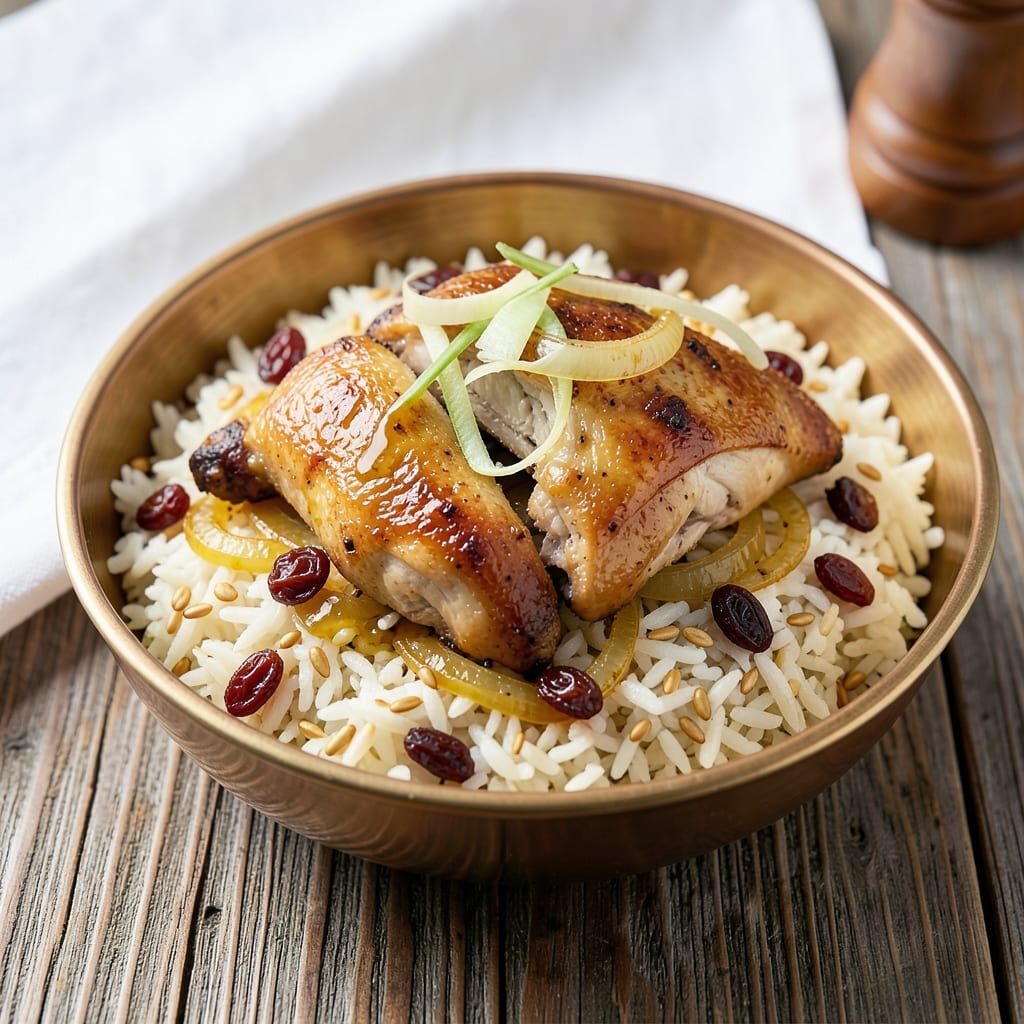
This African pilau rice recipe transforms simple grains into a fragrant, spice-infused masterpiece that captures the heart of West African cuisine. 🌟 The secret lies in toasting whole spices until they release their deep, aromatic oils, creating layers of flavor that infuse every grain. Unlike basic rice dishes, pilau builds complexity through slow-cooking with broth, tender protein, and a touch of sweetness from raisins or vegetables—each bite delivers a perfect balance of savory, spicy, and slightly sweet notes.
The technique begins with dry-toasting spices like cumin, cardamom, and turmeric until they perfume the air, then parboiling rice in broth to develop its texture before slow-simmering with protein. This method ensures each grain stays distinct yet tender, while the spices and toasted barley add a satisfying crunch. Whether you use chicken, lamb, or even plant-based proteins, the dish adapts beautifully while maintaining its rich, aromatic soul.
What sets this recipe apart is its versatility—serve it as a centerpiece for family gatherings or a flavorful side for grilled meats. The golden hue and fragrant steam alone make it irresistible, while the texture contrasts between tender rice, juicy protein, and crisp barley create a satisfying mouthfeel. This is the kind of dish that turns ordinary meals into celebrations, all while staying true to its cultural roots.
For those new to pilau, start with the classic West African version featuring chicken and raisins, then experiment with East African twists like adding coconut or tamarind for tang. The recipe scales effortlessly, making it ideal for crowds or leftovers that taste even better the next day. Let’s bring this aromatic tradition to your kitchen.
Ingredients for african pilau rice
Golden spices, tender grains, and aromatic crunch create this West African masterpiece.
| Ingredient | Amount | Notes |
|---|---|---|
| Long-Grain White Rice 🍚 | 2 cups | Uncooked, medium grain preferred |
| Chicken Thighs 🍗 | 1 ½ lb | Bone-in, skin-on for flavor |
| Toasted Barley 🌾 | ½ cup | Pearl barley, dry-toasted |
| Dried Raisins 🍇 | ¼ cup | Seedless preferred |
| Fresh Ginger 🌿 | 1 tbsp | Finely grated, aromatic |
| Yellow Onion 🧅 | 1 whole | Medium, chopped fine |
| Garlic Cloves 🧄 | 6 cloves | Minced, fresh preferred |
| Ground Cumin 🌶️ | 1 tbsp | Toasted for depth |
| Ground Cardamom 🌿 | 1 tsp | Freshly ground preferred |
| Turmeric Powder 🧂 | ½ tsp | Bright yellow color |
| Chicken Broth 💧 | 4 cups | Homemade or quality store-bought |
| Vegetable Oil 🫒 | 2 tbsp | Neutral flavor preferred |
| Salt 🧂 | 1 ½ tsp | Kosher or sea salt |
| Black Peppercorns 🌶️ | ½ tsp | Freshly cracked preferred |
| Fresh Cilantro 🌿 | ¼ cup | Chopped, for garnish |
The spices are where this dish shines. Cardamom and cumin need to be freshly toasted—Penzeys Spices has excellent whole spices for this purpose. Toast them in a dry pan until fragrant, then grind lightly. Turmeric gives that signature golden hue, so don't skimp. For the barley, Bob's Red Mill pearl barley works perfectly—just dry-toast it in the same pan as the spices for extra depth. The ginger should be vibrant, not fibrous, and Trader Joe's often carries fresh, bright pieces. Chicken thighs stay juicy during slow cooking, but if you prefer breasts, pound them to even thickness first.
No cardamom? Allspice at half the amount adds warmth, though it won't be identical. Substituting raisins? Dried apricots or chopped dates work beautifully. Short on chicken broth? Vegetable broth with a chicken bouillon cube gets you close. The barley is non-negotiable for texture—bulgur wheat is a quick alternative if you're in a rush, though it lacks the same nutty crunch. Fresh ginger is ideal, but powdered ginger at one-third the amount will work in a pinch. For extra richness, stir in a tablespoon of tahini at the end.
Toasted spices lose potency quickly, so store them in an airtight container in a cool, dark place. The cooked pilau reheats beautifully—just add a splash of broth and cover tightly. Keeps for 4-5 days in the fridge or 3 months frozen. For serving, garnish with fresh cilantro and extra toasted barley. This dish tastes even better the next day as flavors meld, so make extra for leftovers—it's perfect for meal prep.
Why You'll Love This Recipe
- One-Pot Magic: I swear by this—just brown the chicken, toss in the rice, barley, and spices, then let it simmer. No straining, no separate pots, no stress. That toasted barley adds texture without extra work, and the raisins plump up right in the pot.
- Sweet-Savory Balance: Honestly, the combo of ginger, raisins, and chicken is ridiculously good. The ginger gives it a bright kick, the raisins add a chewy sweetness, and the chicken stays juicy. It’s the kind of dish where every bite feels like a little surprise.
- Weeknight Workhorse: Between us, this is my go-to for busy nights or when friends drop by. It reheats like a dream (just add a splash of water), and the flavors only get deeper the next day. Pack it for lunch or serve it at dinner—no judgment either way.
- Budget-Friendly Feast: Chicken thighs stretch further than breasts, rice fills everyone up, and barley adds substance without costing much. I’ve made this for six on $15—plenty of leftovers, no wasted ingredients. Plus, the spices stretch across multiple meals. Smart, simple, satisfying.
Step-by-step instructions for African pilau rice
Here's how to create this aromatic, spice-infused rice dish with perfect texture and layered flavors.
🍳 Step 1: Sear the Chicken Thighs Until Golden
Heat a large, heavy-bottomed pot over medium-high heat and add the 2 tablespoons vegetable oil. Once shimmering, add the 1.5 lb chicken thighs skin-side down. Let them sear undisturbed for 5-6 minutes until the skin is deep golden brown and crispy.
Flip the thighs and cook for another 4-5 minutes until the internal temperature reaches 165°F. Remove the chicken from the pot and set aside on a plate, leaving the rendered fat in the pot. The crispy skin and golden color are essential for building flavor in this dish.
👨🍳 Step 2: Build the Spice Base with Onion and Aromatics
In the same pot with the chicken fat, add the 1 whole yellow onion chopped fine. Cook over medium heat for 5-6 minutes until softened and translucent, stirring occasionally. Add the 6 cloves garlic cloves minced and cook for 30 seconds until fragrant.
Stir in the 1 tablespoon ground cumin, 1 teaspoon ground cardamom, 0.5 teaspoon turmeric powder, 1.5 teaspoons salt, and 0.5 teaspoon black peppercorns. Toast the spices for 1 minute until you can smell their warm, earthy aromas filling your kitchen. This step develops the complex spice profile that defines African pilau.
🥘 Step 3: Toast Barley and Add Raisins
Add the 0.5 cup toasted barley to the pot and toast for 2-3 minutes until lightly golden and fragrant. This step enhances the nutty flavor of the barley. Stir in the 0.25 cup dried raisins and 1 tablespoon fresh ginger grated, cooking for another 30 seconds to infuse their flavors into the spice base.
Here's the thing—don't skip the barley toasting. It adds a wonderful crunch and depth that balances the soft rice. The raisins will plump slightly as they cook, adding sweetness that contrasts beautifully with the savory chicken and spices.
🍳 Step 4: Layer the Rice and Cook with Broth
Add the 2 cups long-grain white rice to the pot and stir to coat it evenly in the spice mixture. Pour in the 4 cups chicken broth and bring to a gentle boil. Once boiling, reduce heat to low, cover tightly with a lid, and simmer for 15 minutes without disturbing it.
After 15 minutes, gently fluff the rice with a fork, then return the chicken thighs to the pot. Cover again and cook for another 20-25 minutes until the rice is tender and the liquid has been absorbed. The rice should be separate and fragrant, with a slight crunch from the barley peeking through.
⏰ Step 5: Rest and Garnish for Perfect Texture
Remove the pot from heat and let it rest covered for 10 minutes. This resting period allows the rice to finish steaming and the flavors to meld. Transfer the chicken to a cutting board, shred the meat with two forks, and return it to the rice.
Garnish with the 0.25 cup fresh cilantro chopped and serve immediately. The final dish should have a beautiful golden color from the spices, tender rice with barley crunch, and juicy chicken infused with all the aromatic flavors. Each bite should deliver a perfect balance of spice, sweetness, and savory depth.
Pro Tips For Making African Pilau Rice
- Parboil Chicken First: Skip the raw meat-in-oil step—parboil the chicken thighs for 6-8 minutes until just cooked, then drain and pat very dry. This keeps the meat juicy while letting the spices cling properly during the final sear, and avoids the dreaded "soggy pilau" texture. (Yes, even if you’re impatient like me—trust the process.) ---
- Toast Barley Properly: Don’t just toss barley in a dry pan—cook it in 2 tablespoons of oil over medium heat for 5-7 minutes, stirring constantly, until it’s golden and smells nutty. Under-toasted barley tastes bland; over-toasted burns and turns bitter. Remove it early and set aside—you’ll thank yourself when the rice absorbs its flavor evenly. ---
- Rinse Rice Twice: Give that long-grain rice a solid rinse under cold water until the water runs clear, then repeat once more. This removes excess starch, which prevents the rice from clumping into a gummy mess later. I used to skip this, and my pilau always turned out sticky and sad—now it’s light and separate every time. ---
- Layer Spices Last: Add dried raisins and fresh ginger after the chicken and barley have cooked down, but before pouring in the rice and liquid. This lets the ginger soften slightly and the raisins plump up in the residual heat, so they burst with flavor instead of staying chewy and underwhelming. (Pro move: Chop the ginger very finely—no big chunks.)
Storing and reheating your leftovers
Refrigerator Storage
Let your pilau rice cool to room temperature before storing—this prevents condensation that can make the grains soggy. Transfer to an airtight container (I love Glasslock containers) and refrigerate for up to 4-5 days. The flavors actually deepen overnight as the spices meld further. Always store with the lid sealed tightly to preserve that fragrant aroma. ❄️
Freezer Prep Tips
For longer storage, portion pilau into freezer-safe containers or heavy-duty plastic bags. Leave 1-inch headspace for expansion, then seal and freeze for up to 3 months. I recommend using quart-sized containers—they're perfect for meal prep portions. Label with the date to track freshness. Thaw overnight in the fridge before reheating for best texture. ❄️
Stovetop Reheating
My preferred method is stovetop reheating—it restores that perfect texture. Add 2-3 tablespoons of chicken broth to the pilau in a pot, cover, and heat over low-medium heat for 10-12 minutes. Stir occasionally and add more broth if needed to prevent drying. The gentle heat reactivates those toasted spice notes beautifully. 🔥
Microwave Method
For quick reheating, use the microwave on 50% power in 1-minute intervals. Cover with a damp paper towel and stir between intervals until heated through. Add 1 tablespoon of broth to maintain moisture—this prevents the rice from becoming rubbery. I find this works best for single servings when you're short on time. 💡
Garnish After Reheating
Always finish with fresh cilantro and a sprinkle of toasted barley after reheating. These add vibrant color and texture that gets lost during storage. A drizzle of lemon juice (just ½ teaspoon) brightens the flavors if the dish tastes flat after reheating. The contrast between the warm spices and fresh garnishes makes it taste almost like fresh-cooked pilau. ✨
Leftovers Magic
This dish tastes even better the next day—trust me! The spices infuse deeper, and the barley develops a perfect crunch. Store leftovers in the fridge and reheat portions as needed. The pilau's complex flavors actually improve with time, making it ideal for meal prep. Just be sure to keep it covered to maintain that signature aroma. 💛
Nutrition facts
Frequently asked questions
What's the secret to getting perfectly separate rice grains in pilau?
Use long-grain white rice and follow the parboiling method: cook the rice in broth for 15 minutes before adding protein. Stirring the rice too soon or using short-grain varieties will make it mushy. The barley adds texture without affecting the rice's separation—just toast it separately first.
Can I make this recipe vegetarian?
Replace chicken with firm tofu or mushrooms (like portobello). Use vegetable broth and add 1 tablespoon soy sauce for umami. Keep the raisins and barley for sweet/savory balance. The spice blend remains the same—just the protein changes.
Why does my pilau taste bland after reheating?
Reheating without moisture is the culprit. Always add 2-3 tablespoons broth when warming, and cover tightly. For extra flavor, sprinkle with ½ teaspoon lemon juice or a pinch of smoked paprika after reheating. The spices need steam to reactivate their aromas!
How do I adjust this for a larger crowd?
Double all ingredients but keep the same pot size. Use a large Dutch oven (8-10 quarts) for even cooking. For 8 servings, increase rice to 4 cups, broth to 8 cups, and chicken to 3 lbs. Toast spices in batches if needed—just maintain the 1:1 ratio of spices to rice.
What's the difference between West and East African pilau?
West African versions (like this one) use raisins, ginger, and toasted barley for sweetness. East African styles often include coconut milk, tamarind, or curry leaves instead. Both use similar spice bases, but East African pilau tends to be slightly sweeter and richer.