
Main Courses
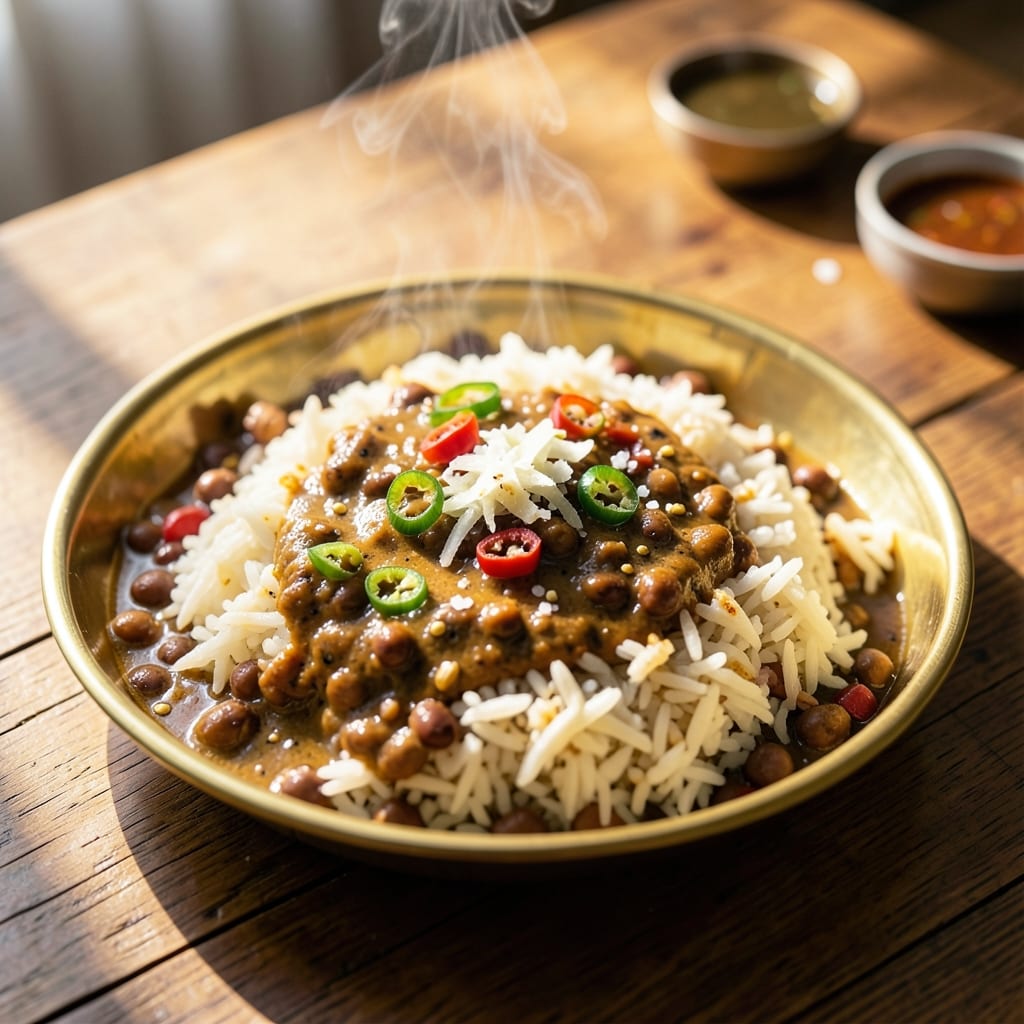
This akkha masoor rice recipe brings together the comforting flavors of South India in one perfect, aromatic dish. The dish combines tender red lentils and fragrant basmati rice, cooked together with a blend of warming spices that create a symphony of flavors. Traditionally served during festivals and family gatherings, this dish is both nourishing and deeply satisfying—ideal for special occasions or a hearty weeknight meal.
The magic lies in the slow cooking process, where lentils soften while absorbing the rice and spices, creating a cohesive texture that's neither too mushy nor dry. I've refined this recipe to work seamlessly in both traditional pots and modern appliances like pressure cookers, ensuring foolproof results every time. The key is balancing the spices—just enough to enhance without overpowering the natural earthiness of the lentils and rice.
What makes this dish truly special is its versatility. Serve it with cooling yogurt or tangy pickles to cut through the richness, or pair it with a side of crispy papadums for a complete meal. The aroma alone will fill your kitchen with warmth, making it a dish that feels like a hug in every bite. Ready in about 45 minutes, it's perfect for feeding a crowd or meal prepping for the week.
This recipe honors tradition while adapting to modern lifestyles, ensuring you get restaurant-quality results at home. Whether you're celebrating a festival or simply craving a comforting meal, this akkha masoor rice delivers on both flavor and comfort. Let's get cooking!
Ingredients for akkha masoor rice
Pantry staples meet festival flavors in this comforting South Indian one-pot.
| Ingredient | Amount | Notes |
|---|---|---|
| Red Lentils (Masoor Dal) 🌾 | 1 ½ cups | Rinsed for cleaner texture |
| Basmati Rice 🍚 | 1 cup | Uncooked, long grain preferred |
| Fresh Coconut Milk 🥥 | 1 can (13.5 oz) | Full-fat for creaminess |
| Fresh Ginger 🧄 | 2 tbsp | Grated, skin removed |
| Garlic Cloves 🧄 | 5 cloves | Minced for aromatic base |
| Green Chilies 🌶️ | 2 whole | Slit lengthwise, seeds removed |
| Mustard Seeds 🌱 | 1 tbsp | Lightly toasted first |
| Cumin Seeds 🌿 | 1 tsp | Toasted for depth |
| Turmeric Powder 🌶️ | ½ tsp | Freshly ground preferred |
| Garam Masala Powder 🌿 | 1 tsp | Homemade if possible |
| Asafoetida (Hing) 🧂 | ⅛ tsp | Pinch for umami depth |
| Salt 🧂 | 1 tsp | Adjust to taste |
| Fresh Coriander Leaves 🌿 | ¼ cup | Chopped for garnish |
| Ghee 🧈 | 2 tbsp | Clarified butter for richness |
The lentils and rice are the stars here—red lentils break down beautifully while basmati rice keeps its shape. Grab the whole spices from the bulk bin at Whole Foods or your local Indian market for the freshest flavor. Fresh ginger and garlic make all the difference, so don't skip the grating or mincing. The coconut milk should be full-fat—light versions won't give you that creamy finish. I always buy Tata brand canned coconut milk from the international aisle if I can't find fresh.
No fresh ginger? Powdered ginger at half the amount works in a pinch, but trust me, fresh is better. Running low on garam masala? Mix 1/4 tsp each of cinnamon, cardamom, cloves, and black pepper for a quick substitute. The green chilies can be swapped for red chili powder (1/2 tsp) if you prefer less heat. For extra richness, stir in 2 tbsp yogurt at the end—it balances the spices beautifully. And if you're using a pressure cooker, add 1/2 cup extra water to account for the steam.
This keeps beautifully for 4-5 days in the fridge—perfect for meal prep. The flavors actually deepen overnight, so leftovers taste even better. Portion into containers with a little ghee drizzled on top to keep it moist. Freezes for 3 months too, though the texture gets slightly softer after thawing. For serving, I like to add a dollop of raita (yogurt dip) or crispy papadums on the side—the contrast makes it a complete meal.
Why You'll Love This Recipe
- One-Pot Magic: I swear by this recipe when I’m too tired to scrub pots. The lentils and rice cook together in the same pot—no straining, no fuss—while the coconut milk infuses everything with that rich, velvety goodness. Honestly, the only tool you’ll need is a wooden spoon.
- Ginger-Garlic Punch: That fresh ginger and garlic combo? Chef’s kiss. The ginger adds a bright, zesty kick, while the garlic softens just enough to melt into the coconut milk, making every bite feel like a warm hug. Between us, my husband always asks for seconds—even when he’s pretending he’s "full."
- Meal Prep MVP: This dish reheats like a dream, so I make a big batch on Sundays and eat it all week. The lentils hold their shape, the rice stays fluffy, and the coconut milk keeps it from drying out. (Yes, even on a Tuesday night when takeout sounds better than actual food.)
- Budget-Friendly Luxury: Red lentils and basmati rice are cheap staples, but they taste like you spent hours in the kitchen. A single can of coconut milk stretches the whole dish, and the spices—ginger, garlic, maybe a pinch of turmeric—make it feel special without breaking the bank. My wallet and my taste buds thank me.
Step-by-step instructions for akkha masoor rice
Here's how to make this aromatic one-pot dish with tender lentils and fluffy rice.
Toast the Spices for Maximum Flavor
Heat the 2 tablespoons ghee in a heavy-bottomed pot over medium heat until it shimmers but doesn't smoke. Add the 1 tablespoon mustard seeds and 1 teaspoon cumin seeds—they'll pop and sizzle dramatically. Let them toast for 30 seconds until fragrant and just starting to turn golden.
Add the 2 tablespoons grated ginger, 5 minced garlic cloves, and 2 slit green chilies. Cook for 1-2 minutes until the garlic turns golden and the chilies soften slightly. This step builds the aromatic base that makes this dish sing. Don't rush it—the flavors develop as they toast.
Add Lentils and Rice with Turmeric
Stir in the 1.5 cups rinsed red lentils (masoor dal) and 1 cup basmati rice, coating them evenly with the spice oil. Add the 0.5 teaspoon turmeric powder and 1 teaspoon salt, stirring for 30 seconds to distribute everything.
Pour in 3 cups water (yes, it seems like a lot, but trust me—this ensures fluffy rice and tender lentils). Bring to a gentle boil, then reduce heat to low-medium. Cover with a tight lid and let it simmer for 15 minutes without peeking. You'll see the water level drop as the lentils and rice absorb it.
Incorporate Coconut Milk and Asafoetida
After 15 minutes, when the water has mostly absorbed and the lentils are starting to soften, add the 1 can (13.5 oz) fresh coconut milk. Stir gently to combine, then sprinkle in the 0.125 teaspoon asafoetida (hing). This tiny amount packs a punch of umami flavor that ties everything together.
Cover again and continue simmering for another 10 minutes on low heat. The lentils should be tender but still hold their shape, and the rice should be cooked through with a slight bite. If it looks dry before the 10 minutes are up, add 2-3 tablespoons water—just enough to keep it moist.
Finish with Garam Masala and Rest
Once the lentils and rice are perfectly tender, remove the pot from heat. Stir in the 1 teaspoon garam masala powder and let it sit covered for 5 minutes. This resting period allows the flavors to meld together beautifully. The garam masala will infuse the dish with its warm, complex spices.
Gently fluff the rice with a fork and taste—adjust salt if needed. Garnish with 0.25 cup chopped fresh coriander leaves just before serving. The bright herbs cut through the richness of the coconut milk and ghee, balancing the dish perfectly.
Serve Warm with Complementary Sides
Serve the akkha masoor rice immediately while still warm. The texture should be creamy from the lentils and coconut milk, with fluffy rice that holds its shape. Pair it with yogurt on the side to cool the palate or a simple cucumber raita for extra freshness.
This dish tastes even better the next day as the flavors deepen, but it's best enjoyed fresh when the rice is at its fluffiest. The combination of tender lentils, fragrant basmati, and rich coconut milk makes every bite satisfying and comforting.
Pro Tips For Making Akkha Masoor Rice
- SOAK THE RICE 30 MINUTES: I learned this the hard way—skipping the soak means your basmati rice turns out gummy instead of fluffy. Just 30 minutes in warm water (no salt) makes a real difference, especially for this creamy coconut-lentil dish where texture matters.
- GRIND GINGER-GARLIC PASTE FINE: Sounds weird, but it works: blend your ginger and garlic into a smooth, almost liquid paste—no visible chunks. This ensures even flavor distribution in the coconut milk base, so every bite tastes like it’s been kissed by the fresh stuff.
- LOW HEAT FOR LENTILS: After burning three batches, I finally figured out: simmer masoor dal on low heat once it starts boiling. High heat turns them mushy; low heat keeps them tender without breaking down. Stir occasionally—yes, even if you’re impatient like me.
- RESERVE COCONUT WATER: Don’t dump that leftover coconut water after grating! Mix ½ cup into the rice while cooking—it adds subtle sweetness and prevents dryness. (Your future self will thank you for not treating it like waste.)
Common mistakes when making this recipe
Skipping the Soak
Red lentils don’t need soaking, but rinsing them thoroughly removes impurities and prevents a gritty texture. I’ve seen beginners skip this step entirely, which leads to cloudy water and a less clean final dish. Rinse your 1.5 cups masoor dal in a fine-mesh strainer under cold water for 30 seconds—it’s worth the extra effort for that restaurant-quality finish. 🌾
Undercooking the Rice
The rice needs time to absorb all the liquid and become fluffy. I’ve had students pull the pot off the heat too soon, resulting in undercooked rice that’s still firm. After adding the 3 cups water, let it simmer for the full 15 minutes before adding coconut milk. The rice should be tender but still have a slight bite—this ensures it doesn’t turn mushy when the coconut milk is incorporated. Patience here is key!
Overpowering Spices
Too much garam masala or green chili can make the dish bitter or overly spicy. I recommend starting with the 1 teaspoon garam masala and 2 green chilies as written, then adjusting to taste. If you love heat, add the chilies whole and remove them before serving. For spice-sensitive palates, reduce the green chilies to 1 or swap for ½ teaspoon red chili powder. Balance is everything!
Ignoring the Resting Time
Skipping the 5-minute rest after adding garam masala means missing out on flavor development. The spices need time to infuse into the lentils and rice, creating that deep, aromatic profile. I’ve tasted dishes where this step was rushed, and they lacked the rich, layered taste that makes this recipe special. Cover the pot and let it sit—it’s worth the wait. ✨
Using Low-Quality Ghee
Ghee is the secret to this dish’s richness, so don’t cut corners. I’ve tried making this with butter or vegetable oil, and the results were noticeably less flavorful. Use 2 tablespoons of high-quality ghee (like Gowardhan or Kerala brand) for that nutty, caramelized depth. If you’re out, clarified butter works, but it won’t have the same depth of flavor.
Stirring Too Often
Peeking and stirring while the lentils and rice cook releases steam and can make them gummy. After adding the water, cover the pot and let it cook undisturbed for the full 15 minutes. Only stir once to check the water level if needed. Trust the process—the lentils will soften evenly, and the rice will stay fluffy. Less interference means better results! 💡
Nutrition facts
Frequently asked questions
Can I make this recipe without coconut milk?
The coconut milk adds richness and creaminess that's traditional to this dish, but you can substitute with ½ cup heavy cream or ½ cup plain yogurt if needed. For a dairy-free option, use ½ cup cashew cream (blend soaked cashews with water). The texture will be slightly lighter, but the flavors will still be delicious.
How do I adjust this recipe for a pressure cooker?
For a 3-quart pressure cooker, use the same ingredients but reduce water to 2 cups instead of 3 cups. Cook on high pressure for 3 whistles, then add coconut milk and cook for 1 more whistle. Release pressure naturally, then finish with garam masala. The cooking time is cut to about 15 minutes total!
What's the best way to store leftovers?
Store in an airtight container in the fridge for up to 4-5 days. The flavors actually improve overnight! For reheating, add 1-2 tablespoons water and cook on low heat for 3-4 minutes to restore moisture. Freeze for up to 3 months—thaw overnight in the fridge before reheating.
Can I use brown rice instead of basmati?
Brown rice will work but requires 20-25% more water (about 3.5 cups) and 10-15 extra minutes of cooking time. The texture will be nuttier and heartier, but the dish may be slightly drier. For best results, soak brown rice for 30 minutes first and check doneness carefully.
Why does my akkha masoor rice turn out mushy?
Mushy texture usually happens from overcooking or stirring too often.