
Main Courses
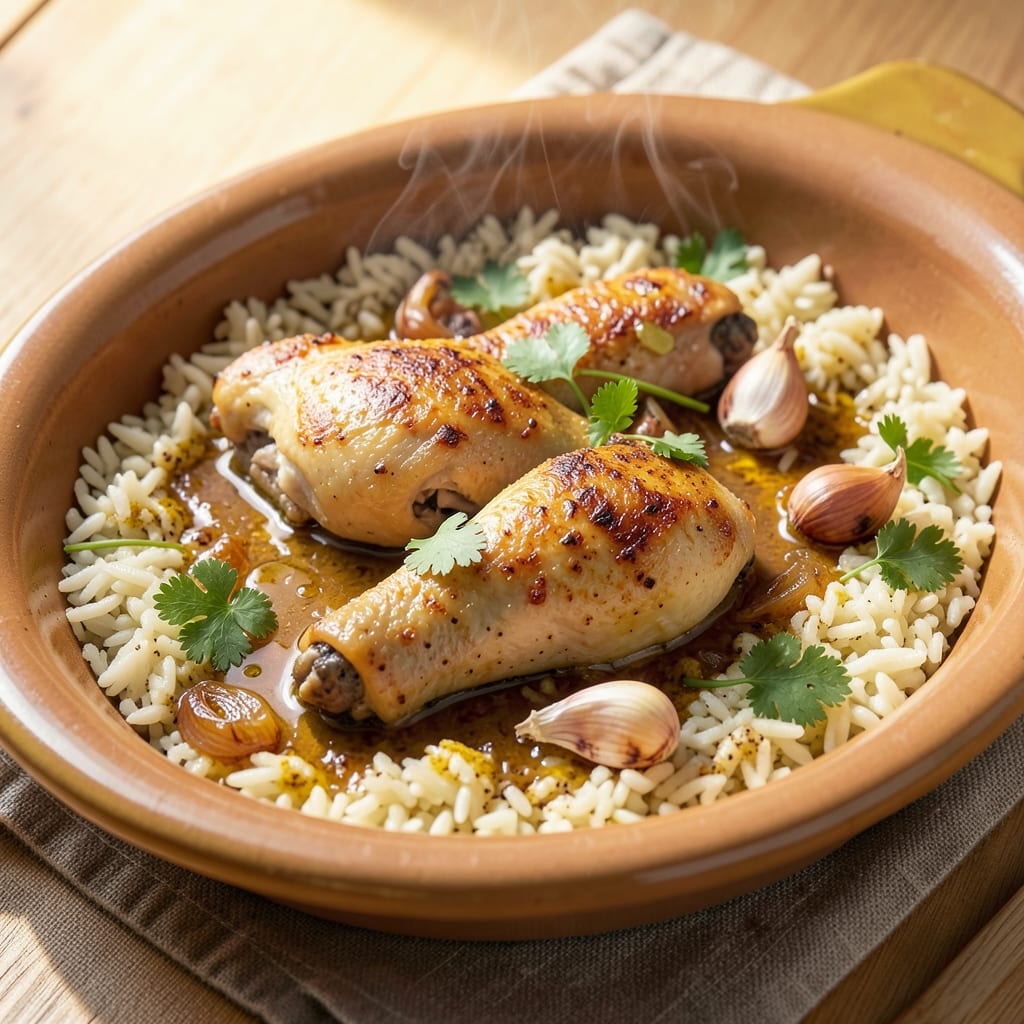
This Algerian rice recipe delivers the aromatic, creamy comfort of North African cuisine with every bite. The secret lies in slow-cooked rice infused with warm spices—cumin, turmeric, and cinnamon—that meld into a fragrant base, later enriched with tender chicken and bright preserved lemon. I first discovered this dish during a visit to an Algerian family’s home, where the scent of harissa and spices filled the kitchen, and the rice became the star of the meal.
The dish begins with rice soaked in broth to absorb deep flavors, then layered with tender chicken, crispy onions, and a touch of harissa for warmth. The final touch—a splash of milk or yogurt—creates that signature creamy texture without heaviness. This method ensures each grain stays tender while soaking up the rich, spiced broth. The preserved lemon adds a tangy brightness that cuts through the richness, balancing every bite.
What makes this recipe special is its versatility—it works as a standalone main dish or alongside grilled meats and fresh salads. The spices transform simple rice into something extraordinary, while the preserved lemon and raisins add layers of complexity. Perfect for a family dinner or a special occasion, this dish brings the warmth of Algerian tradition to your table.
Ready in about 45 minutes, this recipe is simpler than it sounds, with just 10 ingredients and a few key techniques. The slow cooking allows flavors to develop fully, resulting in rice that’s fragrant, creamy, and impossible to resist. Let’s get cooking!
Ingredients for algerian rice
Ten ingredients transform simple rice into fragrant Algerian masterpiece with harissa and preserved lemon.
| Ingredient | Amount | Notes |
|---|---|---|
| Long-Grain White Rice 🍚 | 1 ½ cups | Uncooked, rinsed thoroughly |
| Chicken Thighs 🍗 | 1 ½ lb | Bone-in, skin-on preferred |
| Yellow Onions 🧅 | 1 whole | Thinly sliced, crisp-fried |
| Garlic Cloves 🧄 | 6 cloves | Minced finely for depth |
| Ground Cumin 🌿 | 1 tbsp | Freshly toasted preferred |
| Turmeric Powder 🌶️ | ½ tsp | Bright yellow color |
| Ground Cinnamon 🍃 | ½ tsp | Warm, aromatic variety |
| Harissa Paste 🌶️ | 2 tbsp | Adjust for heat preference |
| Preserved Lemon 🍋 | ¼ cup | Zest and pulp only |
| Golden Raisins 🍇 | ¼ cup | Plump, soaked in warm water |
| Chicken Broth 💧 | 3 cups | Low-sodium preferred |
| Whole Milk 🥛 | ½ cup | Full-fat for creaminess |
| Extra-Virgin Olive Oil 🫒 | ¼ cup | For frying onions |
| Salt 🧂 | 1 ½ tsp | Kosher or sea salt |
| Freshly Ground Black Pepper 🌶️ | ½ tsp | For finishing |
The harissa paste and preserved lemon are non-negotiable for authentic flavor. Source high-quality harissa from Middle Eastern markets or specialty stores like Whole Foods—brands like Bella or Mezze deliver consistent heat and depth. For preserved lemon, look for thick-skinned lemons in jars at Trader Joe's or Middle Eastern grocers; the zest and pulp are what matter, so avoid pre-packaged zest if you can. Chicken thighs with skin and bone ensure rich flavor and moisture—bone-in, skin-on is ideal, but thighs work if you're short on time. Toast your cumin seeds in a dry pan for 30 seconds before grinding to deepen their aroma, a pro technique that elevates this dish instantly.
No harissa? Substitute 1 tbsp smoked paprika + 0.5 tsp cayenne for heat, though the smoky depth won’t be identical. Preserved lemon zest can be swapped for 1 tbsp lemon zest + 1 tsp lemon juice, but the texture and complexity won’t match. Raisins can be omitted entirely if you dislike sweetness, though they add a lovely contrast. For the onions, shallots work beautifully if you prefer milder flavor. Chicken broth should be low-sodium—if using store-bought, dilute with water to control saltiness. The milk adds creaminess without heaviness; coconut milk is a vegan alternative, though it alters the texture slightly.
Rice absorbs flavors best when soaked in hot broth for 20 minutes before cooking—don’t skip this step. Store leftovers in an airtight container for up to 4 days in the fridge, though the rice texture softens over time. For longer storage, freeze portions in single-serving containers for up to 3 months. Reheat gently with a splash of water or broth to restore moisture. This dish reheats beautifully, with flavors deepening as it sits—make extra for lunches or to share.
Why You'll Love This Recipe
- One-Pot Magic: I swear by this recipe when I’m too tired to wash pots. The rice and chicken cook together in the same pan—no fancy layers or timers. Just brown the thighs, toss in the onions and garlic, add the rice, cover, and let the cumin work its warmth. By the time the rice is fluffy, the chicken falls apart like it’s been slow-cooked all day. (Spoiler: it’s not.)
- Cumin Bomb: Honestly, the cumin is what makes this dish. That earthy, toasty kick from just a teaspoon transforms plain rice into something ridiculously good. The onions caramelize right in the pan, sweetening the whole dish, while the garlic adds that sharp, bright punch. It’s the kind of flavor that lingers—like a hug in your mouth.
- Lunchbox Hero: Between us, this is my go-to for meal prep. The leftovers stay fresh for days, and the rice holds its shape better than most. Pack it in containers with a side of yogurt or a sprinkle of parsley, and you’ve got a lunch that feels fancy but costs next to nothing. My kids even ask for it—(yes, even on a Tuesday).
- Budget Feast: Chicken thighs are forgiving, onions are cheap, and rice fills you up. This recipe stretches ingredients without sacrificing taste, which is a win when groceries feel tight. Plus, the cumin is one of those spices that makes everything feel special, even if it’s just a weeknight dinner. I’ve fed six people for under $15 with this—no joke.
Step-by-step instructions for Algerian rice with harissa and preserved lemon
This aromatic Algerian dish delivers complex flavors through precise layering—start with crispy onions and build to a fragrant, spiced rice.
Sear the Chicken Thighs for Rich Flavor
Pat the 1.5 lb chicken thighs dry with paper towels and season generously with 1.5 tsp salt and 0.5 tsp freshly ground black pepper. Heat 0.25 cup extra-virgin olive oil in a large, heavy pot over medium-high heat until shimmering. Working in batches if needed, add the chicken thighs skin-side down and cook for 5-6 minutes until the skin is deeply golden and crispy.
Flip the thighs and cook for another 3-4 minutes until they reach 165°F internally. Remove the chicken from the pot and set aside on a plate, leaving the rendered fat in the pot. This fat becomes the flavor foundation for your dish. The crispy skin adds texture contrast while the juices infuse the broth later.
Build the Spiced Base with Aromatics
In the same pot with the chicken fat, add the 1 whole yellow onion sliced thinly. Cook over medium heat for 8-10 minutes until the onions are deeply golden and crisp at the edges. This caramelization creates sweet depth that balances the harissa's heat.
Add the 6 cloves minced garlic, 1 tbsp ground cumin, 0.5 tsp turmeric powder, and 0.5 tsp ground cinnamon. Stir for 30 seconds until fragrant—you should smell warm spices and toasted garlic. Immediately add the 2 tbsp harissa paste and stir vigorously for 1 minute to distribute the heat evenly. The spices should bloom and create a rich, earthy aroma.
Toast the Raisins and Prepare the Rice
Add the 0.25 cup golden raisins (drained if previously soaked) and 0.25 cup preserved lemon (zest and pulp only) to the pot. Stir for 1 minute until the raisins plump slightly and release their sweetness. This step creates a balance between the harissa's heat and the preserved lemon's tangy brightness.
Rinse the 1.5 cups long-grain white rice thoroughly under cold water until the water runs clear, then drain. Add the rice to the pot and stir to coat it evenly with the spiced oil and aromatics. Pour in the 3 cups chicken broth and bring to a gentle boil. Reduce heat to low and simmer uncovered for 15 minutes until the broth is mostly absorbed and the rice is tender.
Finish with Creamy Milk and Rest
Stir in the 0.5 cup whole milk and the reserved chicken thighs. Cover the pot and reduce heat to lowest setting. Let the rice steam for 10-12 minutes until the milk is absorbed and the rice is tender with a slight bite. The milk adds creaminess while keeping the dish from becoming too heavy.
Remove from heat and let the rice rest for 5 minutes covered. This resting period allows the flavors to meld and the rice to absorb any remaining liquid. Fluff gently with a fork before serving. The final dish should have a vibrant yellow hue from the turmeric, crispy onion bits throughout, and a balance of spicy, tangy, and sweet flavors in every bite.
Pro Tips For Making Algerian Rice
- Sear Chicken First: Don’t just toss raw chicken thighs into the pot—get them golden and crispy in a hot pan with a splash of water first. I used to skip this, and the dish always tasted blander. Two minutes per side, no crowding, and you’ll lock in flavor before the rice even hits the pot.
- Toast the Cumin Dry: Heat your ground cumin in a dry pan for 30 seconds until it smells nutty and aromatic. This isn’t just about depth—it prevents that bitter, raw taste that ruins the whole dish. Skip this, and your rice will taste like you forgot to season it.
- Layer Onions Slowly: Start with half the onions caramelized deep brown in the chicken fat, then add the rest raw with the garlic. The slow-cooked onions melt into the rice, while the raw ones keep it bright. I learned this after burning a batch trying to rush the process—patience pays off.
- Use Twice the Water: Algerian rice needs liquid to steam, not simmer. Double the water called for in the recipe, then let it reduce naturally. The rice absorbs just enough to be tender, not mushy. (Yes, it’ll look like you overdid it—trust the math.)
Storing and reheating this algerian rice
Fridge Storage Secrets
Store your Algerian rice in an airtight glass container (I love Pyrex with snap-on lids) for up to 4 days—the flavors actually deepen as it rests. Let it cool completely before refrigerating to prevent condensation, which can make the rice soggy. I always portion it into single-serving containers so I can reheat just what I need without overcooking. 🥫
Freezer-Friendly Tips
For longer storage, freeze portions in single-serving freezer bags (like Ziploc or Stasher) for up to 3 months. Leave 1 inch of headspace to prevent ice crystals from forming. Label each bag with the date—trust me, you’ll forget! When reheating frozen rice, add 2 tablespoons of water or broth per serving to restore moisture. 🧊
Stovetop Reheating
My preferred method is stovetop reheating—it preserves the best texture. Transfer the rice to a pot with 1-2 tablespoons of chicken broth and heat over medium-low heat for 5-7 minutes, stirring occasionally. If it looks dry, add more broth 1 tablespoon at a time. The milk in the dish can separate slightly, so stir vigorously at the end to restore creaminess. 🔥
Microwave Revival
For quick reheating, cover the rice with a damp paper towel and microwave on 50% power for 2-3 minutes, stirring halfway. If it’s too dry, add 1-2 teaspoons of water or milk and microwave for another 30 seconds. Avoid high power—it can turn the rice rubbery. I often reheat just half a portion this way for a fast lunch. ⚡
Preserving Texture
The key to reheating is gentle heat and moisture. Never reheat directly from the fridge—let it sit at room temperature for 5-10 minutes first. If the rice was stored with chicken, reheat it separately to 165°F to ensure food safety. The preserved lemon and harissa flavors hold up beautifully, but the onions may soften—just add a pinch of salt to brighten them. 💫
Nutrition facts
Frequently asked questions
Can I make this Algerian rice dish vegetarian?
Yes, you can easily adapt it! Replace the chicken thighs with 1.5 lb chickpeas (cooked) or 1 large eggplant (cubed and roasted). Use vegetable broth instead of chicken broth and swap the milk for coconut milk to maintain creaminess. The preserved lemon and harissa will still shine in a plant-based version.
Why does my Algerian rice turn out mushy?
Mushy rice usually happens from overcooking or insufficient resting time. Always simmer the rice uncovered for 15 minutes on low heat, then let it rest covered for 5-10 minutes after adding milk. Use long-grain white rice (not basmati or jasmine) and avoid stirring while cooking—this breaks the grains.
How can I make this dish less spicy?
Adjust the harissa to taste—start with 1 tbsp instead of 2 tbsp and add more later if needed. For milder heat, substitute 1 tsp sweet paprika + 0.25 tsp cayenne for the harissa. The preserved lemon and raisins naturally balance spice, so don't be afraid to taste as you go.
Can I use short-grain rice instead?
Short-grain rice like Arborio will work but may turn out stickier. For best results, use long-grain white rice (like Carolina or Mahatma) which stays separate and absorbs flavors better. If you must use short-grain, reduce the broth by 0.5 cup and cook for 10 minutes less total time.
What's the best way to serve this dish?
This Algerian rice shines as a main dish with grilled meats or fresh salads. Pair it with harissa-roasted vegetables, a simple cucumber-tomato salad, or warm flatbread. For a complete meal, serve with yogurt sauce (mix Greek yogurt with lemon juice and salt) to cool the harissa's heat.