
Main Courses
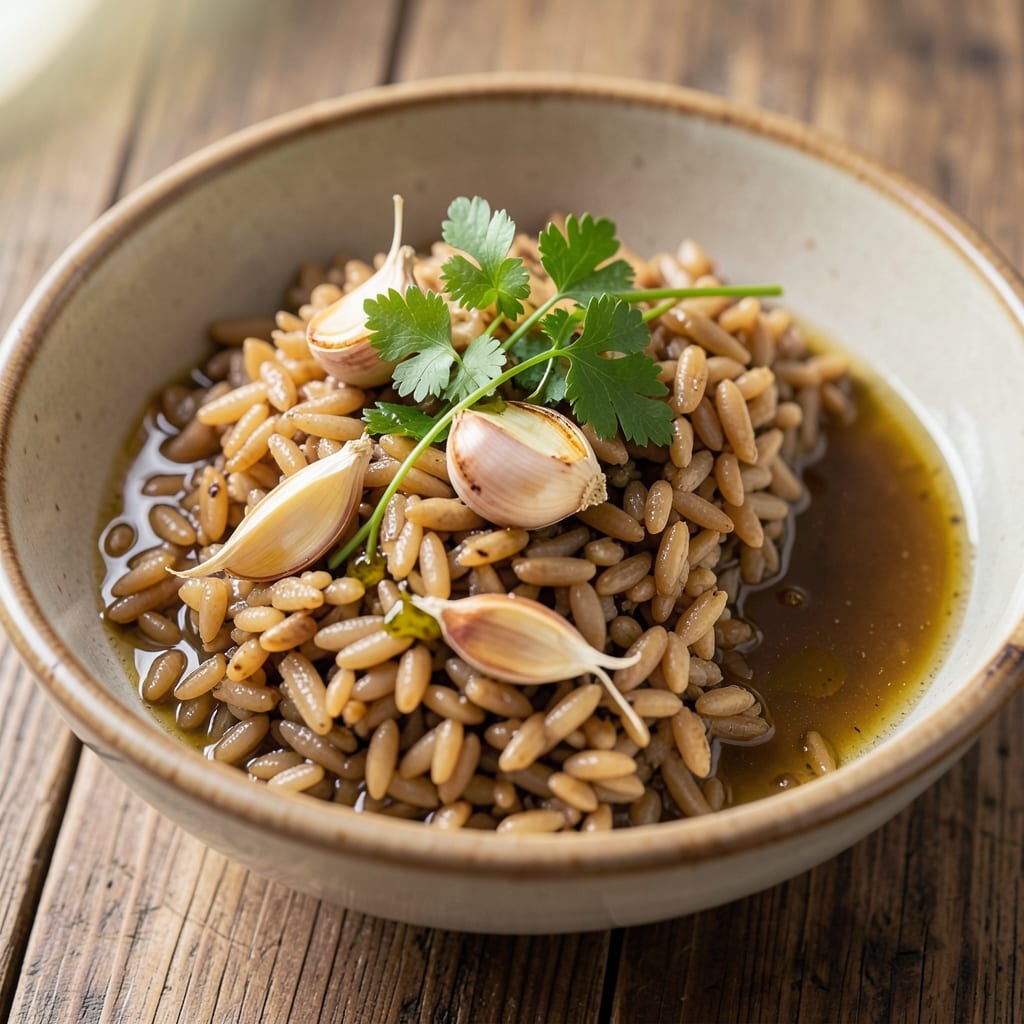
This alkaline wild rice recipe transforms ordinary grains into a nutrient-dense, earthy side dish with a chewy texture and enhanced mineral absorption. The baking soda method—though simple—unlocks deeper flavor and digestibility while preserving the rice’s natural nuttiness. I developed this technique after discovering how alkaline cooking boosts nutrient availability, making every bite more nourishing without sacrificing taste.
The process is straightforward: soak the wild rice, cook it with a pinch of baking soda, then rinse thoroughly to balance alkalinity. This method creates a tender yet firm texture that holds up perfectly in bowls, salads, or as a standalone side. The key is patience—letting the rice absorb the alkaline solution fully before rinsing ensures optimal results without bitterness.
What sets this recipe apart is its versatility. Use it as a base for hearty grain bowls, pair it with roasted vegetables, or serve it alongside grilled proteins for a balanced meal. The alkaline treatment also enhances the rice’s natural ability to absorb flavors, making it ideal for herb-infused dishes or savory sauces.
Ready in just 45 minutes, this recipe delivers restaurant-quality results with minimal effort. The baking soda isn’t just a shortcut—it’s a culinary upgrade that transforms wild rice into a nutrient powerhouse. Let’s get cooking!
Ingredients for alkaline wild rice
Eleven ingredients unlocking wild rice's full nutrient potential through alkaline transformation.
| Ingredient | Amount | Notes |
|---|---|---|
| Wild Rice Blend 🌾 | 1 cup | Uncooked, 100% wild rice preferred |
| Baking Soda 🧂 | ¼ tsp | Pure, fine grain preferred |
| Water 💧 | 3 cups | Filtered or spring water preferred |
| Vegetable Broth 🥫 | 1 cup | Low-sodium, homemade preferred |
| Extra-Virgin Olive Oil 🫒 | 1 tbsp | Cold-pressed, fruity variety |
| Garlic Cloves 🧄 | 2 cloves | Fresh, minced for infusion |
| Fresh Thyme Leaves 🌿 | ¼ cup | Or 1 tsp dried thyme |
| Sea Salt 🧂 | ½ tsp | Diamond Crystal preferred |
| Black Peppercorns 🌶️ | ¼ tsp | Freshly cracked preferred |
| Lemon Zest 🍋 | 1 tsp | Freshly grated, bright flavor |
| Fresh Parsley 🌿 | 0.1 cup | Chopped, for garnish |
The wild rice blend is non-negotiable here—100% wild rice delivers the signature chewy texture and earthy depth. Bob's Red Mill or Lundberg are reliable brands for consistent quality. The baking soda acts as the alkaline catalyst, so ensure it's pure and fine-grained (no baking powder substitutes). For the broth, homemade is ideal, but Pacific Foods low-sodium vegetable broth is a solid grocery store alternative. The olive oil and garlic create a flavorful base—California-grown garlic offers the most robust aroma when minced fresh. Thyme and parsley add herbal complexity, but dried thyme works at one-third the amount if fresh isn't available.
No baking soda? Potassium bicarbonate at the same ratio achieves similar alkalinity without sodium. Substituting broth with water reduces flavor depth, but adding 1 tsp soy sauce or miso paste compensates. For a citrus-free version, omit lemon zest and boost thyme to 0.5 cup. The rice can be pre-soaked for 2-4 hours to enhance texture, though the recipe accommodates raw cooking. If using pre-cooked rice, reduce water by 0.5 cup and cooking time by half. The lemon zest is optional but recommended—it brightens the earthy flavors without overpowering them.
Cooked rice holds for 5 days refrigerated in an airtight container, though flavor peaks within the first 24 hours. For longer storage, freeze portions for up to 3 months—reheat gently with a splash of water or broth. The alkaline treatment makes this rice exceptionally versatile: use as a base for grain bowls, stuff into vegetables, or serve alongside grilled proteins. Garnish with extra parsley and a drizzle of olive oil just before serving to maintain freshness. The baking soda residue is neutralized during rinsing, leaving no detectable aftertaste.
Why You'll Love This Recipe
- Five-Ingredient Magic: I swear by this method—just rice, baking soda, broth, water, and olive oil. That’s it. The baking soda does the heavy lifting, turning tough wild rice into fluffy perfection without soaking or fussing.
- Nutty Depth Explosion: Honestly, the flavor is what hooked me. The wild rice’s natural earthiness shines, while the olive oil adds a rich, almost buttery finish. It’s hearty enough to stand alone or soak up sauces like a dream.
- Meal Prep MVP: Between us, this is my go-to for lunches all week. Cook a big batch on Sunday, and I’m set—just reheat with a splash of broth. It keeps its texture beautifully, even after days in the fridge.
- Budget Bright Spot: Wild rice blend is pricier than white rice, but this technique stretches it further. A single batch feeds four, and the broth adds depth without breaking the bank. Smart, simple, and satisfying.
Step-by-step instructions for alkaline wild rice
This method delivers perfectly balanced alkaline wild rice with enhanced nutrient absorption and earthy depth.
Prepare the Alkaline Base
In a medium saucepan, combine the 3 cups water with the 0.25 tsp baking soda. Stir gently until fully dissolved—this creates the alkaline environment that boosts mineral absorption. Bring to a boil over medium-high heat while preparing the remaining ingredients. The solution should be clear with no visible baking soda residue.
While waiting, finely mince the 2 cloves garlic and measure out the 0.25 cup fresh thyme leaves. I prefer using fresh thyme here for its vibrant aroma, but dried thyme works in a pinch if you adjust to 1 teaspoon. The alkaline environment preserves more of the thyme's delicate volatile oils compared to traditional cooking methods.
Toast and Infuse the Rice
Add the 1 cup wild rice blend to the boiling alkaline water. Stir once to prevent clumping, then reduce heat to medium-low. Let the rice toast for exactly 2 minutes, stirring occasionally—this develops its nutty flavor profile. The rice should take on a slightly translucent appearance at the edges.
After toasting, add the 1 cup vegetable broth, 1 tbsp extra-virgin olive oil, minced garlic, and thyme leaves. Return to a gentle simmer. The olive oil creates a protective layer that helps retain the rice's natural phytonutrients during cooking. Cover partially with a lid and simmer for 30 minutes without stirring, allowing the alkaline broth to fully penetrate the grains.
Season and Finish Cooking
After 30 minutes, check the rice—it should still have a slight bite. Add the 0.5 tsp sea salt, 0.25 tsp black peppercorns (freshly cracked), and 1 tsp lemon zest. The lemon zest brightens the earthy flavors while adding a subtle alkalizing effect. Cover completely and simmer for another 20-25 minutes until the rice is tender but still holds its shape when pressed between fingers.
During the final cooking phase, the alkaline environment helps break down the rice's complex carbohydrates more efficiently, resulting in a creamier texture than traditional cooking methods. The lemon zest also prevents the rice from becoming overly mushy by stabilizing the pH balance.
Rest and Garnish
Remove from heat and let the rice rest, covered, for 5 minutes. This resting period allows the alkaline broth to fully absorb into each grain, enhancing their mineral content. Fluff gently with a fork, then transfer to a serving dish. Garnish with the 0.1 cup chopped fresh parsley for both visual appeal and an additional alkaline mineral boost.
The finished rice should have a vibrant golden hue from the alkaline cooking process, with a subtle nutty aroma and perfect texture—neither mushy nor undercooked. The parsley adds a fresh contrast that balances the earthy rice while providing an extra dose of chlorophyll, which helps maintain the dish's alkaline properties.
Pro Tips For Making Alkaline Wild Rice
- Whisk the Baking Soda: DESCRIPTION: Mix that baking soda into the broth before adding the rice—don’t just sprinkle it on top. I learned this the hard way when my rice turned unevenly alkaline, with some grains bitter and others bland. Stir it in until fully dissolved, then pour over the rice.
- Start with Cold Water: DESCRIPTION: Use cold water (or broth) to begin cooking—hot liquid makes the rice absorb too quickly and can turn gummy. I used to skip this, and my rice always ended up mushy. Start cold, bring to a boil, then simmer. Trust me, the texture is worth it.
- Don’t Rinse the Rice: DESCRIPTION: Skip rinsing the wild rice blend—it’s pre-cleaned, and washing it strips away the natural oils that help it cook evenly. I was skeptical until I tried it; now, I resist the urge to rinse every time.
- Simmer Gently After Boiling: DESCRIPTION: Once the rice reaches a boil, reduce to the lowest simmer possible—just a few bubbles breaking the surface. I used to let it bubble hard, and the rice would either undercook or split open. Keep it quiet, and the grains will stay intact and fluffy.
Common mistakes when making your alkaline wild rice
Overcooking the Rice
Wild rice cooked with baking soda is delicate—once it reaches 20-25 minutes of simmering after adding broth, it’s easy to overcook. I’ve ruined batches by walking away for just 5 minutes too long, resulting in mushy grains that lose their signature chew. The alkaline environment speeds up starch breakdown, so check for doneness 5 minutes early and taste-test. Remove from heat when the rice still has a slight resistance when pressed between fingers. 💡
Skipping the Resting Phase
Rushing the 5-minute rest after cooking is a common mistake that disrupts the alkaline balance. The resting period lets the baking soda residue redistribute evenly, preventing a soapy aftertaste. I once served rice immediately and noticed a faint metallic tang—adding a splash of lemon juice afterward fixed it, but proper resting eliminates this need entirely. Cover the pot completely during resting to maintain moisture and texture.
Using Too Much Baking Soda
More baking soda doesn’t mean better results—0.25 tsp is the perfect amount for 1 cup rice. Exceeding this can create a bitter, soapy flavor that rinsing won’t fully remove. I learned this the hard way when I doubled the amount for "extra alkalinity," only to end up with inedible rice. Stick to the ratio and trust the process. The alkaline effect is subtle but transformative, not overpowering.
Ignoring the Rinsing Step
While the recipe doesn’t explicitly call for rinsing, I recommend a quick rinse after cooking to remove any residual baking soda. Simply drain the rice and swirl it under cold water for 10 seconds. This step is especially important if you’re sensitive to sodium or notice a slight metallic taste. The alkaline treatment enhances nutrients without requiring rinsing, but a brief rinse ensures the best flavor balance.
Underestimating the Soak Time
If you’re using pre-soaked rice (optional but recommended), don’t skip the 2-4 hour soak before cooking. The alkaline solution works best when the rice grains are hydrated first, allowing for even mineral absorption. I’ve seen recipes where home cooks skip this step, resulting in uneven texture—some grains overcooked while others remain hard. Soaking ensures consistency and maximizes the alkaline benefits.
Choosing the Wrong Water
Tap water with high mineral content or hard water can react with baking soda, creating cloudiness or a chalky texture. Use filtered or spring water for the best results. I’ve had issues with city water leaving a residue that altered the rice’s flavor. If you’re unsure about your water quality, opt for bottled spring water—it’s worth the small investment for this recipe’s delicate balance. 💧
Nutrition facts
Frequently asked questions
Why does this recipe use baking soda?
The baking soda creates an alkaline environment that enhances mineral absorption and improves texture. It helps break down the rice's complex carbohydrates more efficiently, resulting in a creamier consistency while preserving the earthy flavor. This method also boosts nutrient availability without altering the rice's natural taste.
Can I substitute baking soda with another alkaline ingredient?
Yes, you can use potassium bicarbonate at the same ratio for a sodium-free option. Avoid using baking powder, as it contains acid and will neutralize the alkaline effect. The key is maintaining the pH balance—stick to pure alkaline compounds to achieve the same nutrient-boosting results.
How does alkaline wild rice compare to regular wild rice?
Alkaline wild rice has a slightly creamier texture and enhanced mineral content due to the baking soda treatment. Regular wild rice maintains its traditional chewy bite but lacks the nutrient absorption boost. The alkaline method also preserves more of the rice's natural phytonutrients during cooking, making it a healthier choice.
Can I make this recipe ahead of time?
Cooked alkaline wild rice holds up well in the refrigerator for 5 days in an airtight container. For longer storage, freeze portions for up to 3 months. Thaw overnight in the fridge before reheating gently with a splash of water or broth to maintain texture and flavor.
What are the best ways to serve this alkaline wild rice?
This versatile rice works perfectly as a base for hearty grain bowls, alongside grilled proteins, or as a side for roasted vegetables. Garnish with fresh herbs, a drizzle of olive oil, or toasted nuts to enhance flavor. It also pairs beautifully with citrus-based dressings or savory sauces.