
Main Courses
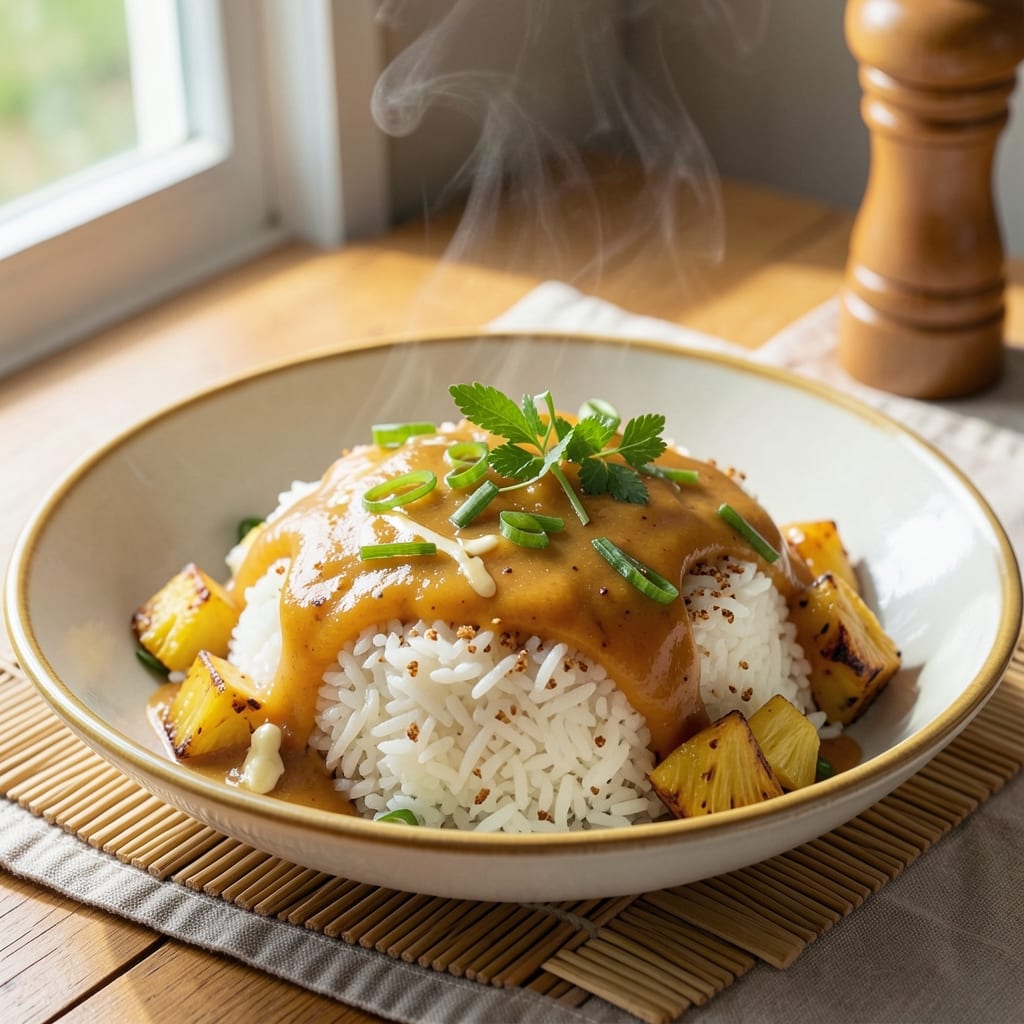
This Aloha rice recipe brings the vibrant flavors of Hawaii to your table with a one-pot tropical twist that's both simple and deeply satisfying. 🌺 The perfect blend of coconut milk, pineapple, and soy sauce transforms ordinary rice into a fragrant, slightly sweet side dish that pairs beautifully with grilled meats or fresh salads. I first tried this recipe during a luau celebration, and it quickly became my go-to for adding that authentic Hawaiian touch to any meal.
The magic happens in the one-pot method, where rice cooks in a rich coconut-pineapple broth infused with soy sauce and butter. This technique ensures every grain absorbs the flavors, resulting in tender, aromatic rice with a subtle crunch from toasted sesame seeds or green onions. The dish is versatile—serve it alongside kalua pork, teriyaki chicken, or even as a standalone side for a light lunch.
What makes Aloha rice truly special is its cultural significance—it's a staple in Hawaiian cuisine, often served at gatherings and family meals. The combination of sweet pineapple, savory soy, and creamy coconut creates a harmonious balance that's both comforting and exciting. Plus, it's a foolproof recipe that works equally well in a rice cooker or on the stovetop, making it perfect for busy weeknights or special occasions.
Ready in just 30 minutes, this Aloha rice delivers restaurant-quality results with minimal effort. The aroma alone will transport you to a Hawaiian island, and the flavors will leave everyone asking for seconds. Whether you're hosting a luau or simply craving a taste of paradise, this recipe is your ticket to a delicious, culturally rich meal.
Ingredients for aloha rice
Coconut milk, pineapple, and soy sauce turn simple rice into a tropical feast.
| Ingredient | Amount | Notes |
|---|---|---|
| Jasmine Rice 🍚 | 1 ½ cups | Uncooked, long-grain preferred |
| Coconut Milk 🥥 | 1 can | Full-fat, 13.5 oz can |
| Pineapple Juice 🍍 | ½ cup | Freshly squeezed preferred |
| Soy Sauce 🥢 | 2 tbsp | Low-sodium preferred |
| Unsalted Butter 🧈 | 2 tbsp | Cold, cubed for toasting |
| Green Onions 🧅 | 3 whole | Sliced thin for garnish |
| Sesame Seeds 🌾 | 1 tbsp | Toasted for crunch |
| Garlic Cloves 🧄 | 2 cloves | Minced for flavor base |
| Fresh Ginger 🌿 | 1 tbsp | Grated, for zing |
| Vegetable Oil 🫒 | 1 tbsp | For sautéing |
| Salt 🧂 | ½ tsp | Adjust to taste |
| Black Pepper 🌶️ | ¼ tsp | Freshly ground |
| Pineapple Chunks 🍍 | ½ cup | Fresh or canned, drained |
The coconut milk is non-negotiable—full-fat gives that rich, creamy texture you want. Thai Kitchen or Goya cans work great, but if you've got homemade, even better. Fresh pineapple juice is ideal, but canned pineapple juice (like Del Monte) is fine in a pinch—just skip the extra chunks. The soy sauce? Kikkoman or La Choy are reliable, but any good-quality brand works. For the rice, jasmine, but basmati or long-grain white will do. Toast the butter with the garlic and ginger first—this builds the flavor base that makes everything sing.
No coconut milk? Light coconut milk plus extra butter gets you close. Fresh ginger too pricey? Ground ginger at half the amount works, but you'll lose that fresh zing. Short on pineapple? Mango nectar adds sweetness without the texture. The pineapple chunks are optional but add that classic Hawaiian crunch. Baby green onions from the store are perfect for garnish—they stay fresh longer than full-size ones. And if you're feeling fancy, swap the sesame seeds for crushed peanuts—same crunch, different vibe.
This keeps 3-4 days in the fridge, but honestly, it's even better the next day once the flavors meld. Portion into containers with a little coconut milk on top to keep it moist. Freezes for 2 months if you want to make a big batch. The sesame seeds and green onions can be toasted fresh when serving—1 minute in a dry pan is all it takes. And if you're serving with grilled meats, add a splash of the cooking juices to the rice before serving—game changer.
Why You'll Love This Recipe
- Five-Ingredient Magic: I swear by this combo—just rice, coconut milk, pineapple juice, soy sauce, and butter. That’s it. No chopping, no fancy techniques, just simmering until the rice soaks up all that sweet, salty, creamy goodness. Honestly, it’s the kind of dish that makes me feel like I’ve earned my dinner.
- Tropical Comfort: The pineapple juice gives it this bright, tangy kick while the coconut milk keeps it rich and velvety. That first bite? Warm, buttery, with just enough umami from the soy to balance the sweetness. It’s like a hug in a bowl—especially when it’s cold outside.
- Leftovers? Please.: This rice actually improves the next day. The flavors meld even more, and it reheats beautifully—perfect for packing lunches or feeding a crowd without stress. I’ve made it for potlucks, family dinners, and lazy Sundays, and it’s always the dish people ask for seconds on.
- Budget Bright Spot: Jasmine rice and coconut milk are pantry staples that won’t break the bank, and a little pineapple juice goes a long way. I’ve made this for under $3 a serving, and it still feels special enough for company. Plus, the butter? That’s the secret weapon that makes it taste like you spent hours cooking.
Step-by-step instructions for Aloha rice
This tropical one-pot rice is easier than you think—just follow the steps and enjoy the sweet coconut aroma.
🍳 Step 1: Sauté the Aromatics for Flavor
Heat the 1 tablespoon vegetable oil in a medium pot over medium heat. Add the 2 cloves minced garlic cloves and 1 tablespoon grated fresh ginger, cooking for 1-2 minutes until fragrant—you should smell that zesty aroma. Here's the thing: don't let the garlic burn or it'll turn bitter.
Next, add the 1.5 cups jasmine rice and stir for 1 minute to lightly toast the grains. This step builds flavor into the rice itself. I like to press down gently with a wooden spoon to ensure even coating of the aromatics.
🍳 Step 2: Toast the Butter for Richness
Reduce heat to medium-low and add the 2 tablespoons cold cubed unsalted butter. Let it melt completely while stirring constantly—this creates a nutty, golden base. You'll see the butter foam and then settle into the rice. This is where the magic happens for that buttery texture.
When the butter is fully melted, add the 0.5 cup pineapple juice, 2 tablespoons soy sauce, 0.5 teaspoon salt, and 0.25 teaspoon black pepper. Stir well to combine all the flavors. The rice should look glossy and slightly wet—this ensures even cooking.
🥘 Step 3: Add Coconut Milk and Pineapple
Pour in the 1 can coconut milk and the 0.5 cup pineapple chunks, stirring gently to distribute everything evenly. Bring the mixture to a gentle boil over medium-high heat, then immediately reduce heat to low. This is crucial—too high heat will make the rice mushy.
Cover the pot tightly with a lid and simmer for 15 minutes without peeking. The rice needs undisturbed cooking to absorb the coconut milk perfectly. After 15 minutes, check for doneness—gently fluff the rice with a fork to see if it's tender but still slightly firm in the center.
🔪 Step 4: Garnish and Rest for Perfect Texture
Turn off the heat and let the rice sit covered for 5 minutes. This resting period lets the flavors meld and the rice finish cooking evenly. While it rests, slice the 3 whole green onions thinly and toast the 1 tablespoon sesame seeds in a dry skillet over medium heat for 1-2 minutes until golden and fragrant.
Fluff the rice gently with a fork, then sprinkle the toasted sesame seeds and sliced green onions on top. Serve immediately with your favorite main dish—this rice tastes best fresh while the coconut aroma is still vibrant. The sesame seeds add that perfect crunch to balance the creamy coconut.
Pro Tips For Making Aloha Rice
- USE FULL-STRENGTH COCONUT MILK: The cheap canned stuff with water added? Skip it. Even "light" coconut milk thins out the sauce—this rice needs richness to balance the acidity. Splurge on a 14-ounce can of full-fat Thai Kitchen or Chaokoh brand; the creaminess cuts through the pineapple’s tartness without making the rice greasy.
- SIMMER THE SOY SAUCE FIRST: Add the soy sauce to the pot before the rice, and let it bubble for 30 seconds until it darkens slightly. I learned this the hard way—raw soy sauce can taste harsh and metallic if it hits the rice cold. This step also deepens the umami flavor without overpowering the dish.
- DON’T SKIP THE BUTTER LAYER: After draining the rice, spread a thin, even layer of melted butter over the top before folding in the coconut-pineapple mixture. The butter acts as a barrier, preventing the rice from turning mushy when the liquid soaks in. (Yes, even if you’re impatient—this is the thing that matters most.)
- RINSE THE RICE UNTIL CLEAR: Jasmine rice needs a good rinse—swirl it in cold water until the water runs nearly transparent. I used to eyeball it and end up with gummy rice. The starch rinse-off keeps the grains separate and prevents a gluey texture when mixed with coconut milk later. (Your future self will thank you.)
Troubleshooting perfect results
Rice Texture Issues
If your Aloha rice turns out mushy, you likely cooked it too long or used too much liquid. Start by measuring your rice precisely—1.5 cups uncooked jasmine rice is perfect for this recipe. Also, ensure you're using full-fat coconut milk (not light) since it has less water content. When simmering, keep the heat at low and avoid peeking under the lid—every time you lift it, steam escapes, disrupting the cooking process. 🌡️
For undercooked rice, the issue is usually insufficient heat or liquid. Make sure your pot has a tight-fitting lid and that the heat is steady at low after boiling. If using a rice cooker, follow the manufacturer's instructions for the "white rice" setting, but add the coconut milk and pineapple juice only after the rice has cooked for 5 minutes. The residual heat will finish cooking it perfectly.
Flavor Imbalance
If your rice tastes too salty, you might have used too much soy sauce. Start with 2 tablespoons and taste as you go—you can always add more, but you can't take it out. For a sweeter profile, add an extra ¼ cup pineapple juice or a pinch of sugar. If the coconut flavor is overpowering, reduce the amount to ½ can and add ¼ cup extra water to balance it out.
To enhance the umami depth, toast the sesame seeds in a dry pan until they're golden and fragrant—this adds a nutty dimension. Also, make sure your garlic and ginger are fresh; stale aromatics will make the dish taste flat. A quick trick is to add a splash of fish sauce (just ½ teaspoon) for a deeper savory note without overpowering the tropical flavors. 🌶️
Rice Cooker Adaptations
If you're using a rice cooker, add the 1.5 cups jasmine rice and 1 cup water first, then cook until the rice is 80% done (about 10 minutes). At this point, shut off the rice cooker, add the 1 can coconut milk, 0.5 cup pineapple juice, 2 tbsp soy sauce, and 2 tbsp butter. Let it sit for 5 minutes before resuming the cook cycle. This method ensures the rice absorbs the coconut milk without turning mushy.
For a hands-off approach, use the "white rice" setting and add all ingredients at once. If your rice cooker has a "keep warm" function, transfer the cooked rice to a pot and let it sit covered for 5 minutes before serving. This resting period is key to achieving the perfect texture. Pro tip: If your rice cooker has a "steam" function, use it to keep the rice warm while you prepare the garnishes. ✨
Garnish Troubleshooting
If your sesame seeds aren't crispy, they weren't toasted long enough. Heat them in a dry skillet over medium heat for 1-2 minutes, stirring constantly, until they turn golden brown and release their aroma. For extra crunch, spread them on a baking sheet and toast in a 350°F oven for 3-4 minutes. Over-toasting can make them bitter, so keep an eye on them.
Green onions can turn slimy if stored improperly. Keep them in an airtight container in the fridge for up to 5 days, or freeze them in a sealed bag for up to 3 months. To revive wilted green onions, soak them in ice water for 10 minutes before slicing. For a pop of color, add a pinch of turmeric to the rice while cooking—it’ll give the dish a vibrant hue without altering the flavor. 🌿
Nutrition facts
Frequently asked questions
Can I make Aloha rice without coconut milk?
Yes, but the flavor will be different. Use ½ cup light coconut milk plus ¼ cup extra butter for a similar creamy texture. For a non-coconut version, substitute with 1 cup chicken or vegetable broth plus ¼ cup heavy cream and add 1 teaspoon coconut extract for a hint of tropical flavor.
What's the best rice for Aloha rice?
Jasmine rice is traditional and ideal for this recipe—it absorbs flavors beautifully and stays slightly sticky. If you can't find it, long-grain white rice or basmati work well too. Avoid short-grain rice like sushi rice, as it tends to get too mushy with the extra liquid.
How do I store leftover Aloha rice?
Store in an airtight container in the fridge for 3-4 days. For longer storage, freeze for up to 2 months. To reheat, add 1-2 tablespoons of water or coconut milk and microwave covered for 1-2 minutes. The flavors actually improve overnight!
What makes Aloha rice different from regular rice?
It's all about the flavor profile! Aloha rice gets its signature taste from the combination of coconut milk, pineapple juice, soy sauce, and butter—this creates a sweet-savory balance that's distinctly Hawaiian. The toasted sesame seeds or green onions add texture, while the coconut milk gives it a creamy richness you won't find in plain rice.
Can I make this in a rice cooker?
First cook the rice with 1 cup water until 80% done (10 minutes). Then shut off the cooker, add the coconut milk, pineapple juice, soy sauce, and butter, and let it sit 5 minutes before resuming the cook cycle. The residual heat finishes cooking the rice perfectly in the coconut broth.