
Main Courses
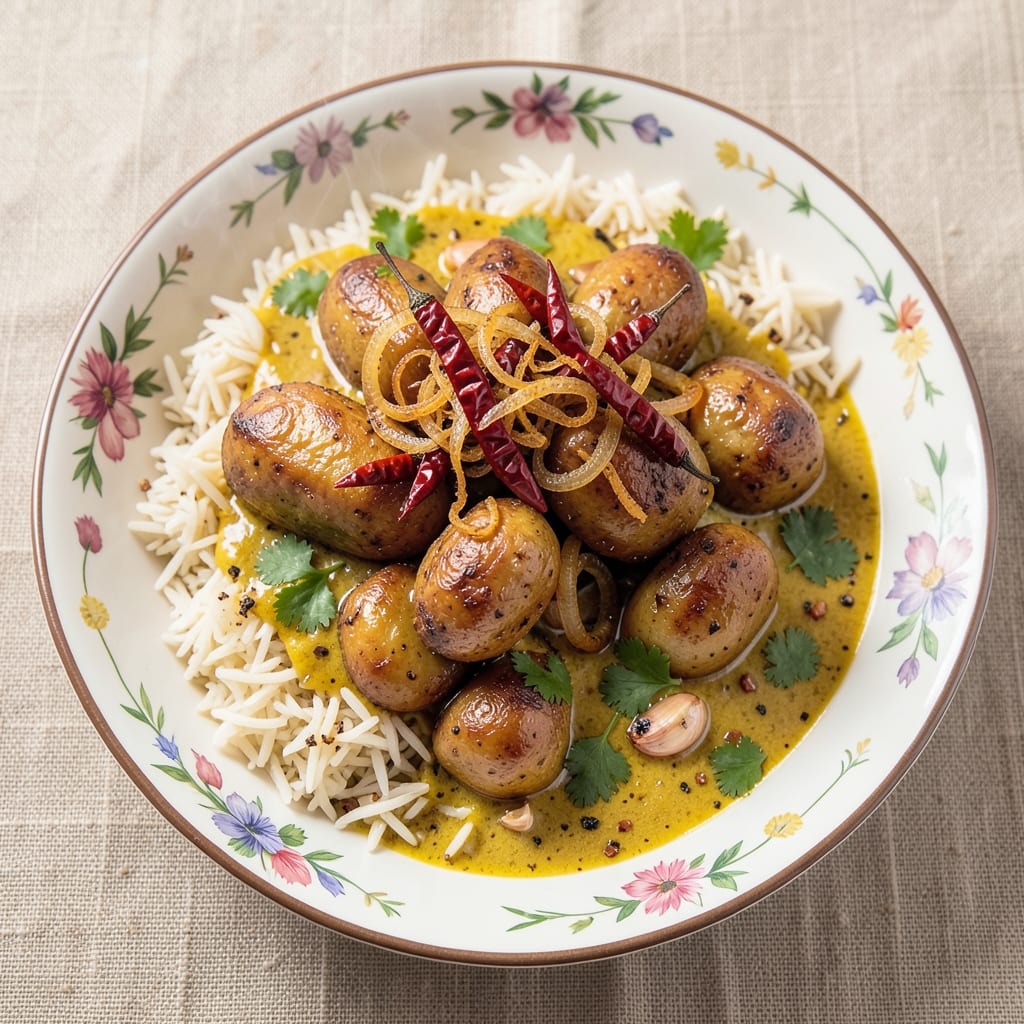
This aloo curry recipe for rice delivers the comforting, aromatic flavors of home-cooked Indian cuisine with minimal effort. The secret lies in slow-cooked potatoes that soak up rich spices and a perfectly balanced tomato-based gravy that pairs beautifully with steamed basmati. I developed this version after years of testing—it’s the one that finally convinced even my most skeptical family members to skip the restaurant.
The recipe begins with a fragrant tempering of whole spices—cumin, mustard seeds, and dried red chilies—that infuse the oil with deep, earthy warmth. Potatoes are then simmered until tender, absorbing the spiced tomato base and finishing with a touch of cream for richness. What makes this dish truly special is how the flavors develop over time, creating a harmonious balance of spice, sweetness, and tang.
By the time you serve this aloo curry alongside fluffy basmati rice, you’ll have a meal that feels both hearty and elegant—perfect for weeknight dinners or weekend gatherings. The curry’s natural sweetness and creamy texture make it universally appealing, while the aromatic spices ensure every bite is packed with character.
Whether you’re using a stovetop, pressure cooker, or Instant Pot, this recipe adapts seamlessly to your kitchen. The key is patience—letting the spices bloom and the potatoes absorb all that flavor. Trust me, the results are worth it.
Ingredients for aloo curry recipe for rice
Spiced potatoes and aromatic gravy—here’s everything you need for restaurant-quality aloo curry.
| Ingredient | Amount | Notes |
|---|---|---|
| Yellow Onions 🧅 | 1 whole | Finely chopped for tempering |
| Fresh Ginger 🌿 | 1 ½ inch | Peeled and grated finely |
| Garlic Cloves 🧄 | 6 cloves | Peeled and minced |
| Cumin Seeds 🌶️ | 1 tbsp | Whole seeds for tempering |
| Mustard Seeds 🌶️ | ½ tbsp | Whole seeds for tempering |
| Dried Red Chilies 🌶️ | 2 whole | Kashmiri or mild variety |
| Russet Potatoes 🥔 | 2 lb | Medium size, peeled and cubed |
| Canned Tomato Sauce 🍅 | 1 ½ cups | San Marzano preferred |
| Tomato Paste 🍅 | 2 tbsp | Squeeze tube or canned |
| Garam Masala 🌶️ | 1 tbsp | Ground spice blend |
| Ground Cumin 🌶️ | 1 tsp | For depth of flavor |
| Ground Coriander 🌿 | 1 tsp | Freshly ground preferred |
| Turmeric Powder 🌶️ | ½ tsp | Bright yellow color |
| Salt 🧂 | 1 ½ tsp | Adjust to taste |
| Heavy Cream 🥛 | ¼ cup | For richness at finish |
| Vegetable Oil 🫒 | ½ cup | For tempering and cooking |
| Fresh Cilantro 🌿 | ¼ cup | Chopped for garnish |
The spices are non-negotiable here. Whole cumin and mustard seeds need to sizzle in hot oil for that signature aroma—don’t skip this step. For the best flavor, grab garam masala from an Indian grocery store (the pre-mixed kind), but if you can’t find it, blend equal parts ground cumin, coriander, and cinnamon. The potatoes should be medium-sized—Yukon Golds or Russets work perfectly. If you’re using canned tomatoes, San Marzano is worth the splurge—sweeter and less watery. Fresh ginger and garlic? Always buy organic—the skins are edible and add subtle earthiness.
No whole spices? Ground cumin and mustard powder work in a pinch, but you’ll lose that beautiful tempering aroma. Short on tomato sauce? Two ripe tomatoes blended with salt does the trick—just strain out the seeds. Want more heat? Add a pinch of cayenne with the garam masala. The dried red chilies can be skipped if you’re sensitive to heat, but they’re essential for that smoky depth. For creaminess without dairy, coconut milk works beautifully—just reduce the amount to 2 tbsp to keep it from overwhelming the dish.
This curry tastes even better the next day—make a double batch if you can. Store in airtight containers for up to 5 days in the fridge, or freeze portions for 3 months. I always portion it into containers with rice so lunches are ready to grab. The spices lose potency over time, so if you’re storing leftovers, add a pinch of garam masala when reheating. Fresh cilantro wilts fast, so only add it right before serving—wrap stems in damp paper towel to keep it fresh longer.
Why You'll Love This Recipe
- One-Pot Magic: I swear by this recipe because it’s the kind of dish that turns a busy weeknight into a stress-free win. Just toss in the onions, ginger, garlic, and spices—cumin and mustard seeds crackle like fireworks—then let the potatoes soak up all that fragrant goodness. No extra pots, no fuss.
- Spice Symphony: That first bite? Pure comfort. The onions caramelize just enough to balance the sharp kick of fresh ginger and garlic, while the cumin and mustard seeds add this earthy, toasty depth. It’s not too heavy, not too mild—just right, with a hint of warmth that lingers.
- Leftover Legend: Between us, this curry tastes better the next day. The flavors meld into something even richer, and it reheats like a dream. I make a big batch on Sundays and divide it into containers—perfect for lunches or a quick dinner when I’m too tired to cook.
Step-by-step instructions for aloo curry
Here's how to make this aromatic potato curry that'll have you reaching for seconds.
Prepare the Potatoes and Tempering Spices
Start by peeling and cutting the 2 lb russet potatoes into 1-inch cubes. Place them in a large bowl and set aside. In a small bowl, combine the 1.5 tsp salt, 1 tsp ground cumin, 1 tsp ground coriander, and 0.5 tsp turmeric powder. This dry spice blend will infuse the potatoes with flavor while they cook.
Heat 0.25 cup vegetable oil in a heavy-bottomed pot over medium heat. Add the 1 tbsp cumin seeds and 0.5 tbsp mustard seeds. Let them sizzle for 30 seconds until they begin to pop and turn golden. This is your tempering base—it releases aromatic oils that form the flavor foundation of the curry.
Cook the Potatoes Until Tender
Add the cubed potatoes to the pot with the tempered spices. Stir gently to coat the potatoes evenly. Pour in the 1.5 cups canned tomato sauce and 2 tbsp tomato paste, stirring well to combine. Bring the mixture to a gentle simmer, then reduce heat to medium-low. Cover the pot and let the potatoes cook for 15-18 minutes, stirring occasionally.
Here's the thing—you want the potatoes to soften completely but not break apart. They should be fork-tender with just a slight resistance when pierced. If the mixture looks too dry, add 2-3 tablespoons of water to maintain moisture. The goal is tender potatoes with a thick, flavorful sauce clinging to them.
Build the Flavor Base with Aromatics
Once the potatoes are tender, increase heat to medium and add the finely chopped 1 whole yellow onion, 1.5 inch grated fresh ginger, and 6 cloves minced garlic. Cook for 5-6 minutes until the onions turn translucent and the raw garlic smell disappears. This step develops the curry's depth of flavor through the Maillard reaction.
Add the 2 whole dried red chilies (lightly crushed if you prefer less heat) and cook for another minute until fragrant. Stir in the 1 tbsp garam masala and let it bloom for 30 seconds. This spice blend will add that warm, earthy complexity that makes this curry so satisfying. The mixture should smell rich and aromatic—like a warm spice market on a cool morning.
Finish with Cream and Garnish
Reduce heat to low and stir in the 0.25 cup heavy cream. Let it warm through for 2-3 minutes until the sauce becomes silky and glossy. The cream adds richness that balances the spices perfectly. Taste and adjust seasoning with additional salt if needed—remember, the potatoes have absorbed some of the initial salt.
Remove from heat and stir in the 0.25 cup chopped fresh cilantro. This final step brightens the curry with fresh herb notes. Let the curry sit for 5 minutes to allow all the flavors to meld together. Serve immediately with steamed basmati rice—each bite should deliver tender potatoes in a perfectly balanced sauce that's neither too heavy nor too light.
Pro Tips For Making Aloo Curry Recipe For Rice
- Bloom the Spices Slow: Once you add cumin and mustard seeds, turn the heat to medium-low and let them sizzle for 30 seconds before tossing in onions. I used to crank the heat and end up with burnt seeds—this way, they release their aroma without turning bitter. (Yes, even if you're impatient like me.) ---
- Grate Ginger Like a Pro: Skip the peeler—use a microplane or the smallest holes on a box grater for ginger. This gives you fine, even pieces that cook faster and don’t clump. I learned this the hard way after straining out chunks from my curry. (Your future self will thank you.) ---
- Don’t Rush the Onions: Cook the onions until they’re golden-brown, not just soft—about 8-10 minutes on medium heat. This builds the base flavor and caramelizes the sweetness, which makes the whole dish taste deeper. I skip this when I’m lazy, but the difference is noticeable. ---
- Test Salt Early: Taste the curry before adding potatoes—especially if you’re using salted butter or stock. Adjust now, not later, because potatoes soak up liquid and dilute the seasoning. I was skeptical until I tried it, and now I never forget.
Regional styles of this recipe
North Indian Style
This version of aloo curry is what I grew up with—rich, creamy, and deeply aromatic. The key difference from other regional styles is the use of whole spices like cumin and mustard seeds that are tempered in hot oil until they pop. This creates that signature nutty aroma that defines North Indian cooking. I like to add a pinch of asafoetida (hing) when the onions are golden—it’s optional but adds a depth that’s hard to replicate. The curry is finished with heavy cream for a luxurious texture, and I always serve it with steamed basmati rice and a side of raita to balance the richness. 🥛
Punjabi Twist
Punjabi aloo curry takes things up a notch with extra creaminess and a touch of sweetness. The secret ingredient? A splash of tomato juice mixed into the gravy while simmering—it brightens the flavors and cuts through the spices beautifully. I also add a handful of cashews lightly toasted in the oil at the start for a nutty crunch. The potatoes are often cooked slightly firmer than in other versions, so they hold their shape better. This style pairs wonderfully with butter rice or jeera rice for a restaurant-quality meal. 🥔
South Indian Adaptation
In South India, this curry becomes aloo ghee roast—a dry, spiced potato dish that’s lighter but equally flavorful. The base is built with tempered mustard seeds, curry leaves, and dried coconut instead of cream. I use coconut milk (about ½ cup) instead of heavy cream for richness, and finish with a squeeze of lemon juice right before serving. The spices are milder—more coriander and less garam masala—with a focus on tamarind paste for tang. It’s served with idli or dosa for a complete meal, or as a side with steamed rice. 🌿
Bengali-Inspired Version
Bengali aloo curry is all about mustard oil—its pungent, earthy flavor is unmistakable. I start by heating mustard oil until it’s just smoking, then add the spices. The curry includes a pinch of fennel seeds for a subtle sweetness and a bay leaf for depth. Unlike other versions, Bengali aloo curry often includes a touch of poppy seeds (about 1 tsp) for a unique texture. The potatoes are simmered until fall-apart tender, and the dish finishes with a splash of yogurt instead of cream. It’s traditionally served with steamed rice and lentil dahl. 🌶️
Modern Fusion Take
For a contemporary twist, I like to blend regional techniques with global flavors. Try adding a dash of smoked paprika when tempering the spices for a subtle smokiness, or swap the heavy cream for Greek yogurt for a tangy finish. Another fun idea: add roasted cauliflower to the potatoes for extra texture. This version works beautifully with jasmine rice and a side of charred flatbread—it’s the kind of dish that feels familiar yet exciting. The key is balancing tradition with creativity while keeping the heart of the recipe intact. ✨
Nutrition facts
Frequently asked questions
Can I make this aloo curry without heavy cream?
For a lighter version, swap the 0.25 cup heavy cream with 2 tablespoons coconut milk or Greek yogurt. The yogurt adds tanginess while keeping the dish rich. If you prefer a completely dairy-free option, use 1 tablespoon cashew cream (blended soaked cashews with water) for a neutral, creamy finish.
How do I prevent the potatoes from turning mushy?
Keep the potatoes 1-inch cubes and cook them at a gentle simmer (not boiling) to maintain their shape. Start with medium-low heat and add just 2-3 tablespoons water if needed to prevent drying. Also, avoid overcrowding the pot—cook in batches if necessary. The goal is tender, not mushy potatoes with a thick sauce clinging to them.
What's the best rice to serve with this curry?
Steamed basmati rice is the classic choice—its long grains stay separate and complement the creamy curry perfectly. For extra flavor, try jeera rice (cumin-infused) or butter rice. If you prefer a lighter option, jasmine rice works beautifully too. Always use a 1:1.5 rice-to-water ratio and let it sit covered for 10 minutes after cooking.
Can I make this curry in a slow cooker or Instant Pot?
Yes! For the Instant Pot, sauté the spices and onions normally, then add everything except cream and cilantro. Cook on high pressure for 5 minutes, then quick-release. Stir in cream and garnish. For a slow cooker, combine all ingredients (except cream) and cook on low for 4-5 hours, stirring occasionally. Finish with cream and cilantro. Both methods work beautifully!
How can I make this curry spicier?
Add 1 extra dried red chili (or ½ tsp cayenne pepper) when tempering the spices. For heat lovers, include ½ tsp green chili paste with the garlic and ginger. If you prefer a smoky kick, add ½ tsp smoked paprika with the garam masala. Always taste as you go—spices build in flavor!