
Main Courses
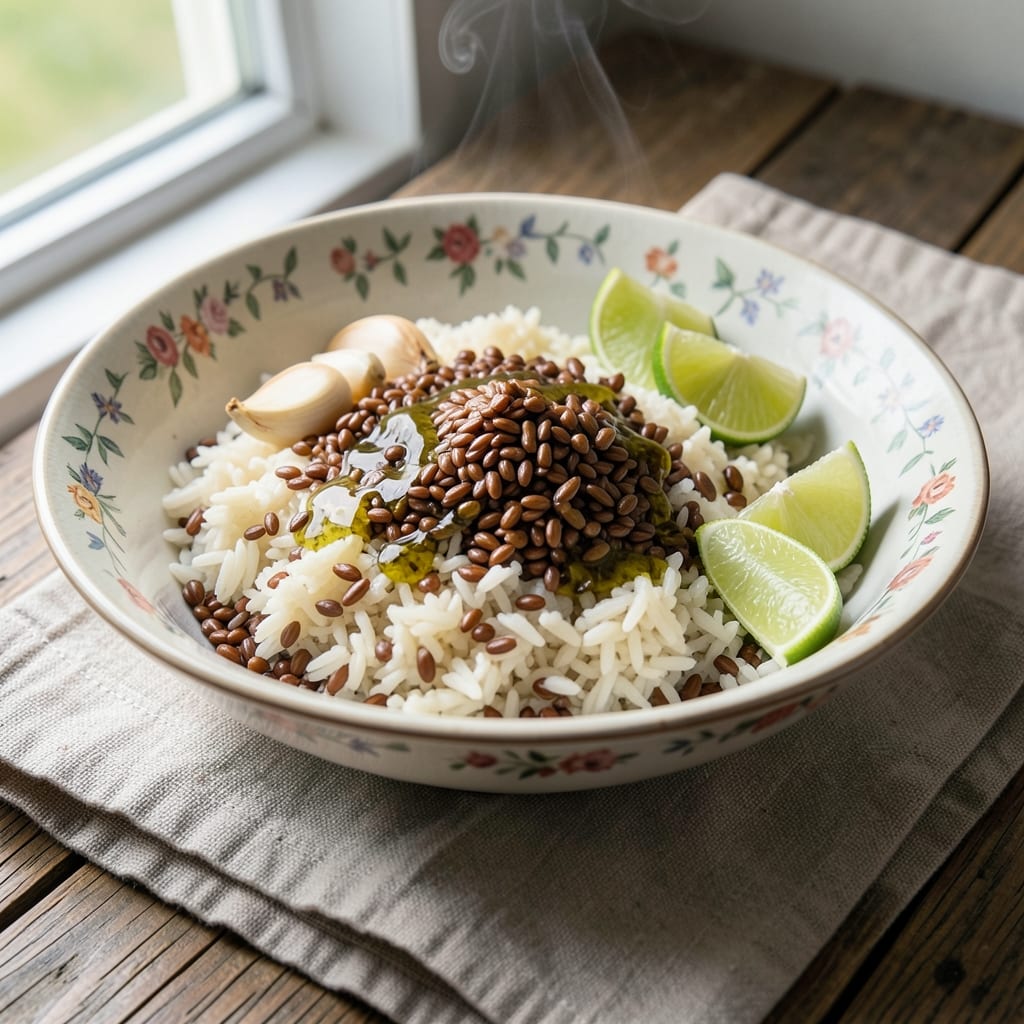
This amaranth and rice recipe transforms two humble grains into a nutrient-dense, protein-packed bowl that balances earthy amaranth with fluffy rice. The contrast in textures—chewy amaranth paired with tender grains—creates a satisfying bite, while the savory-spiced profile elevates it to restaurant-quality comfort. I developed this recipe after discovering how amaranth’s natural nuttiness complements rice’s mild sweetness, making it a vegan powerhouse for meal prep or weeknight dinners.
The beauty of this dish lies in its versatility—it absorbs flavors beautifully, whether you prefer a garlicky lime finish, smoky chipotle heat, or a simple herb-infused oil. Cooking amaranth alongside rice ensures even absorption of seasonings, while toasting the grains first unlocks deeper, toasty notes. With minimal prep and a 30-minute cook time, it’s perfect for busy schedules without sacrificing depth of flavor.
What you’ll end up with is a hearty, protein-rich bowl that’s as nourishing as it is delicious—ideal for lunchboxes, salads, or a standalone main. The amaranth’s nutty crunch contrasts beautifully with the rice’s softness, while the spices add layers of warmth. Serve it with sautéed greens or a drizzle of tahini for extra richness, or keep it simple with a sprinkle of fresh herbs.
This recipe isn’t just about taste—it’s a nutritional upgrade to your grain game. Packed with plant-based protein and fiber, it’s a foolproof way to make meals both satisfying and wholesome. Let’s get cooking—your taste buds (and muscles) will thank you.
Ingredients for amaranth rice
Two humble grains, one nutrient-packed bowl with restaurant-quality texture and flavor contrasts.
| Ingredient | Amount | Notes |
|---|---|---|
| Amaranth Grains 🌾 | 1 cup | Rinsed thoroughly before cooking |
| Long-Grain White Rice 🍚 | 1 cup | Jasmine or basmati preferred |
| Vegetable Broth 💧 | 2 ½ cups | Low-sodium preferred |
| Extra-Virgin Olive Oil 🫒 | 2 tbsp | For toasting grains |
| Garlic Cloves 🧄 | 3 cloves | Minced for depth of flavor |
| Fresh Lime Juice 🍋 | 2 tbsp | Brightens the dish |
| Ground Cumin 🌿 | ½ tsp | Toasted for warmth |
| Smoked Paprika 🌶️ | ½ tsp | Adds smoky depth |
| Sea Salt 🧂 | ¾ tsp | Diamond Crystal preferred |
| Fresh Cilantro 🌿 | ¼ cup | Chopped for garnish |
| Avocado Oil 🫒 | 1 tbsp | For finishing drizzle |
| Tahini 🥜 | 1 tbsp | Optional for extra richness |
Amaranth is the star here—Bob’s Red Mill or Trader Joe’s carry the best quality in bulk bins. Look for grains that are uniformly plump and free of debris. The rice? Jasmine or basmati works best for that delicate, floral note that pairs perfectly with amaranth’s earthiness. I always toast the grains first—30 seconds in olive oil—to unlock those nutty, caramelized flavors. The vegetable broth should be low-sodium; if you can’t find it, just dilute regular broth with water. Fresh lime juice is non-negotiable—it cuts through the richness and brightens everything. For the spices, Penzeys or the bulk section at Whole Foods has the most flavorful options, but regular grocery store cumin and paprika work too.
No amaranth? Quinoa or farro can stand in, though the texture will differ slightly—quinoa’s fluffier, farro’s chewier. Running low on lime? Lemon juice at half the amount works in a pinch, but you’ll lose that citrusy zing. The cilantro is purely for garnish, so fresh parsley or basil works if you’re out. Want to skip tahini? Extra avocado oil or a drizzle of cashew cream gives that same velvety finish. The avocado oil is optional but adds a luxurious touch—Primal Kitchen or Chosen Foods brands are my go-to for high heat stability. If you’re making this ahead, toast the spices separately and store them in a jar for up to 3 months—they’ll keep their punch longer.
This dish keeps beautifully for 4-5 days in the fridge, though the amaranth gets drier over time—just sprinkle with a little extra broth when reheating. For meal prep, portion into containers with a layer of avocado oil on top to keep everything fresh. Freezes for 3 months, though the texture might get slightly softer after thawing. I like to serve it with sautéed kale or roasted Brussels sprouts—the bitterness in greens balances the dish’s richness perfectly. The lime juice and cilantro can be added fresh right before eating to keep them vibrant.
Why You'll Love This Recipe
- No-Fuss Combination: I swear by this mix—amaranth’s nutty crunch and rice’s fluffiness balance each other out without any fancy techniques. Just toast the grains in olive oil until they smell toasty, add broth, and let it simmer. Honestly, it’s the kind of dish that makes me feel like I’ve cooked a gourmet meal when really, I just set it and forgot it.
- Garlic-Kissed Depth: That one step of sautéing minced garlic in olive oil until it’s just golden? Everything changes. The aroma alone makes my kitchen smell like a Mediterranean bistro, and the flavor? It’s rich but not overpowering, with the amaranth adding this subtle earthiness that pairs perfectly with the rice’s mildness. (Yes, even on a Tuesday night.)
- Lunchbox Hero: Between us, this is my go-to for meal prep because it reheats like a dream and stays fresh for days. Pack it cold for work or warm it up for dinner—it’s hearty enough to fill you up but light enough that I never feel sluggish after eating it. Plus, the amaranth’s protein keeps me full longer than plain rice ever could.
- Budget Bright Spot: Amaranth might sound fancy, but a little goes a long way, and it’s way cheaper than quinoa. I buy it in bulk, and this recipe stretches it perfectly with rice, so I’m not breaking the bank. The vegetable broth adds depth without costing a fortune, and the olive oil and garlic are pantry staples. It’s my secret weapon for stretching meals without sacrificing flavor.
Step-by-step instructions for cooking amaranth and rice
Here's how to create a perfectly balanced bowl of earthy amaranth and aromatic rice.
Rinse and Toast the Grains
Start by rinsing the 1 cup amaranth grains under cold water in a fine-mesh strainer until the water runs clear. This removes any bitterness and prevents the grains from becoming gummy. Transfer the rinsed amaranth to a medium saucepan and set aside.
In the same saucepan, heat 2 tablespoons extra-virgin olive oil over medium heat. Add the 1 cup long-grain white rice and toast for 2-3 minutes, stirring constantly, until the grains become fragrant and slightly translucent at the edges. This step develops the nutty flavors in both grains. Remove the rice from the pan and set aside with the amaranth.
Cook the Grains Separately
To the same saucepan, add 2.5 cups vegetable broth and bring to a gentle boil. Stir in the 0.5 teaspoon ground cumin and 0.5 teaspoon smoked paprika, letting the spices infuse into the broth for 1 minute. Add the 1 cup amaranth grains and reduce heat to low. Cover and simmer for 20-25 minutes, stirring occasionally, until the amaranth is tender and the liquid has been absorbed. The grains should be plump and slightly sticky.
In a separate saucepan, bring 2.5 cups fresh vegetable broth to a boil. Add the toasted 1 cup long-grain white rice, reduce heat to medium-low, cover, and simmer for 15-18 minutes until the rice is tender and the liquid is absorbed. Fluff the rice gently with a fork and set aside, covered, to keep warm.
Build the Flavor Base
While the grains cook, heat 1 tablespoon avocado oil in a small skillet over medium heat. Add the 3 minced garlic cloves and sauté for 30-45 seconds until fragrant but not browned. Immediately transfer the garlic to a small bowl and set aside. This prevents the garlic from burning, which would make the dish bitter.
In a large bowl, combine the cooked amaranth and rice. Drizzle in 2 tablespoons fresh lime juice and toss gently to distribute evenly. Sprinkle with the sautéed garlic and mix again. The acidity of the lime brightens the earthy flavors of the grains, creating a perfect balance.
Finish with Garnish and Optional Tahini
Taste the mixture and adjust seasoning with 0.75 teaspoon sea salt if needed. The dish should be well-seasoned but not overly salty. Transfer the amaranth and rice to serving bowls and garnish with 0.25 cup chopped fresh cilantro. The cilantro adds a fresh, herbaceous note that cuts through the richness of the grains.
For extra richness, drizzle 1 tablespoon tahini over each serving and toss gently. The tahini adds a creamy texture and nutty depth that complements the earthy amaranth and aromatic rice. Serve immediately while the grains are still warm and the flavors are vibrant.
Pro Tips For Making Amaranth Rice
- Toast Amaranth First: Skip the raw amaranth in broth—it turns to mush. Dry-toast the grains in olive oil over medium heat for 3-4 minutes until they smell nutty and pop. This step unlocks their natural crunch and prevents a gluey texture later. ---
- Rinse Rice Twice: I used to skip this, and my rice always came out gummy. Rinse long-grain white rice under cold water until the water runs clear, then drain well. Starchy water = sticky rice, and nobody wants that. ---
- Layer Broth Gradually: Don’t dump all the broth at once. Start with half, bring to a boil, then reduce heat and add the rest in stages. This keeps the amaranth and rice from absorbing too quickly, giving you even cooking and better texture. ---
- Sauté Garlic Low: High heat burns garlic fast—especially with olive oil—and ruins the dish. Cook minced garlic over low heat for 2-3 minutes until fragrant but still pale gold. Overcooked garlic tastes bitter, and nobody wants that in their rice.
Troubleshooting perfect results
Grain Texture Issues
If your amaranth turns mushy or gummy, you likely didn’t rinse it thoroughly before cooking. Amaranth contains natural saponins that create bitterness and stickiness—rinse under cold water for 2 full minutes until the water runs completely clear. Also, never stir the amaranth while cooking—this releases starches that make it gluey. If it’s already overcooked, try mixing in 1 teaspoon avocado oil to add moisture and separate the grains. 🌾
Undercooked Rice
Rice that’s still crunchy or dry after cooking usually means the heat was too high or the broth wasn’t enough. For this recipe, stick to medium-low heat and use 2.5 cups broth per 1 cup rice—no substitutions. If your rice is underdone, add 2 tablespoons extra broth, cover, and simmer for 5 more minutes. Pro tip: Use a tight-fitting lid to trap steam and ensure even cooking. 🍚
Broth Absorption Problems
If the broth evaporates too quickly, your heat is likely too high. Amaranth and rice cook at different rates—simmer at a gentle bubble, not a rolling boil. For extra insurance, add ¼ cup more broth halfway through cooking. If your pan is too small, the grains will steam unevenly. Use a medium saucepan (at least 3-quart capacity) for proper expansion. 💧
Flavor Imbalance
The dish tastes too earthy or bland? The lime juice and garlic are your flavor anchors—don’t skip them. If it’s still flat, boost the spices: add ¼ teaspoon extra smoked paprika or a pinch of cayenne for depth. For richness, stir in 1 tablespoon tahini or a splash of soy sauce (just ½ teaspoon). Taste as you go—adjust in small increments to avoid overpowering the grains. 🌶️
Sticky or Clumpy Grains
Stirring while cooking is the #1 cause of clumps. If your amaranth or rice sticks together, fluff with a fork immediately after cooking. For stubborn clumps, mix in 1 teaspoon olive oil and gently separate with your hands. To prevent this next time, undercook the grains by 2 minutes, then let them sit off heat for 5 minutes before fluffing—the residual heat finishes cooking while preventing stickiness. ✨
Meal Prep Gone Wrong
Storing amaranth rice for too long makes it dry or rubbery. Refrigerate for no more than 4 days—after that, the texture degrades. To revive, sprinkle with 1 tablespoon warm broth and microwave for 1 minute, covered. For freezing, portion into airtight containers with a thin layer of avocado oil on top to lock in moisture. Thaw overnight in the fridge before reheating. ❄️
Nutrition facts
Frequently asked questions
Can I substitute amaranth with another grain?
Yes! If you can't find amaranth, quinoa or farro work well as substitutes. Quinoa will give you a fluffier texture, while farro adds a chewier bite. Use the same ratio (1 cup substitute for 1 cup amaranth) and adjust cooking time—quinoa cooks in 12-15 minutes and farro in 25-30 minutes.
Why does my amaranth turn mushy?
Mushy amaranth usually means you didn't rinse it well or stirred too much while cooking. Always rinse under cold water for 2 minutes to remove saponins (natural compounds that make it sticky). Also, avoid stirring during cooking—just check occasionally and let it simmer undisturbed.
Can I make this dish gluten-free?
Both amaranth and rice are naturally gluten-free. Just ensure your broth and spices are certified gluten-free. The recipe is already safe for gluten-sensitive diets—no modifications needed beyond checking labels on pantry staples.
How do I add extra protein to this dish?
For more protein, stir in ½ cup cooked black beans or ¼ cup crumbled tempeh when combining the grains. You can also top with toasted pumpkin seeds or a sprinkle of nutritional yeast for a cheesy, umami boost. These additions work best after the grains have cooled slightly.
What are the best sides to serve with this?
This dish pairs beautifully with sautéed greens (like kale or spinach) or roasted Brussels sprouts. For extra brightness, serve with a simple mango avocado salsa or a cooling cucumber salad**. The bitterness in greens balances the richness, while fresh toppings add vibrant contrast.