
Main Courses
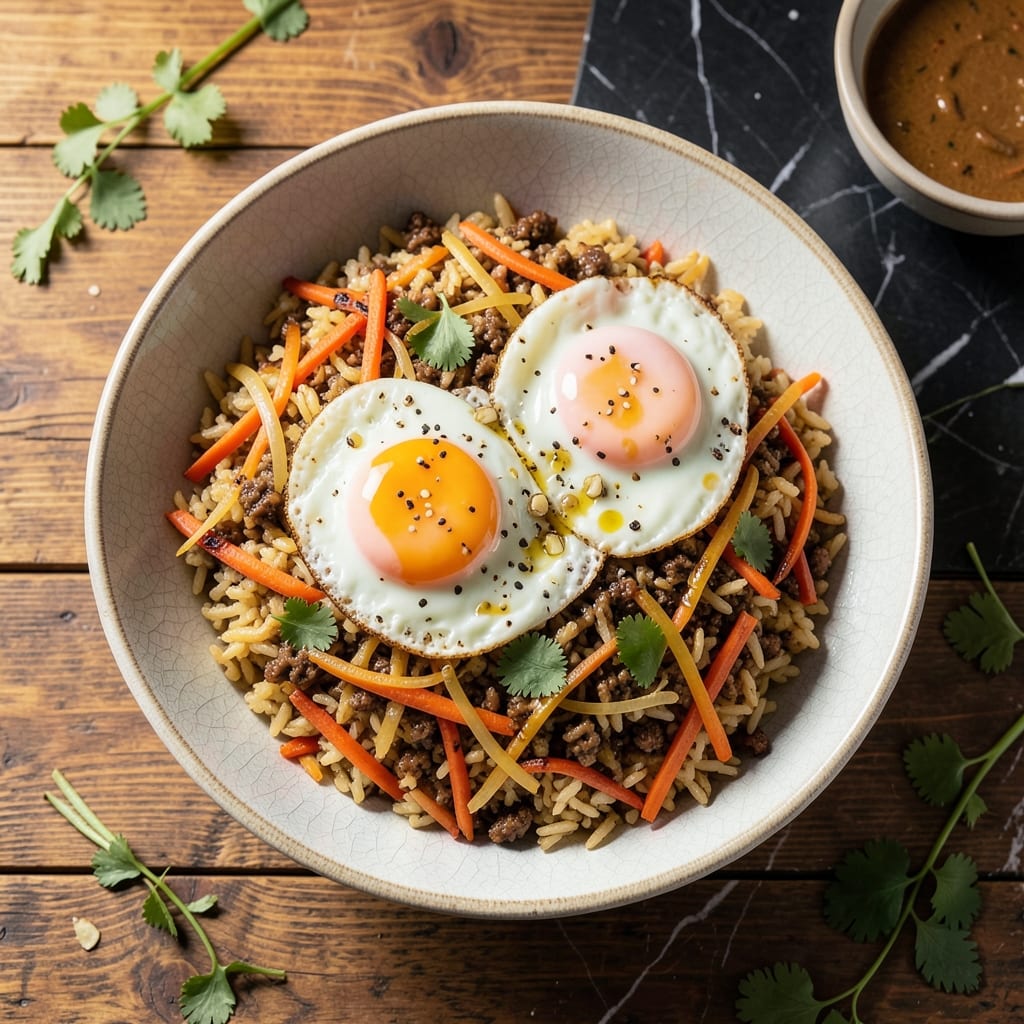
This anchovy fried rice recipe transforms simple ingredients into a restaurant-quality dish with deep umami flavor and perfect texture in just 20 minutes. The secret lies in properly preparing the anchovies—their salty, briny essence becomes the flavor backbone, elevating every grain of rice. I've perfected this technique over countless weeknight dinners, and it never fails to deliver that satisfying, savory punch.
The process is straightforward but requires attention to timing and technique. You'll start by properly preparing the anchovies, then build layers of flavor through quick sautéing of aromatics, proteins, and vegetables before folding in perfectly cooked rice. The key is high heat and constant stirring to achieve that signature wok-fried texture—crisp edges on the rice while keeping the centers tender.
What you'll end up with is a fragrant, umami-rich fried rice with perfectly balanced flavors—salty from the anchovies, savory from the soy sauce, and slightly sweet from the vegetables. The texture is ideal: each bite offers a mix of crisp-tender rice, tender proteins, and fresh vegetables, all coated in a light, flavorful sauce. This dish is hearty enough to be a main course but quick enough for a weeknight dinner.
Serve it with a side of steamed greens or a simple cucumber salad to balance the richness, and garnish with green onions and sesame seeds for freshness and crunch. The leftovers reheat beautifully, making it an excellent meal prep option for busy weeks. Let's get cooking!
Ingredients for anchovy fried rice
Restaurant-quality umami comes from these 14 simple yet powerful ingredients—each playing its part in the perfect fried rice balance.
| Ingredient | Amount | Notes |
|---|---|---|
| Day-Old Cooked White Rice 🍚 | 4 cups | Cold, preferably from 1-2 days ago |
| Anchovy Fillets 🐟 | 4 oz | High-quality, salt-packed preferred |
| Large Eggs 🥚 | 2 whole | Freshly beaten for scrambling |
| Carrots 🥕 | 1 whole | Medium, julienned or finely chopped |
| Yellow Onion 🧅 | 1 whole | Medium, finely diced |
| Garlic Cloves 🧄 | 4 cloves | Fresh, minced |
| Green Onions 🌿 | 3 whole | Scallions, sliced for garnish |
| Sesame Seeds 🌾 | 1 tbsp | Toasted for garnish |
| Vegetable Oil 🫒 | 3 tbsp | High smoke point preferred |
| Soy Sauce 🍶 | 3 tbsp | Light or all-purpose |
| Sesame Oil 🫒 | 1 tbsp | Toasted, for finishing |
| Salt 🧂 | ½ tsp | Diamond Crystal preferred |
| Black Pepper 🌶️ | ¼ tsp | Freshly ground |
| Frozen Peas 🌱 | ½ cup | Thawed for texture |
Anchovies are the flavor foundation here—high-quality salt-packed fillets from Trader Joe's or specialty seafood markets deliver the deepest umami. Look for brands like Cristal or Colavita for consistent quality. The rice must be day-old and cold; freshly cooked rice turns mushy. Jasmine or basmati work best, and 4 cups uncooked yields about 8 cups cooked. For the eggs, room temperature scrambles more evenly—crack them into a bowl first, then scramble in the wok. The carrots should be uniformly julienned for even cooking; a mandoline makes this step foolproof.
No anchovies? Substitute 1 tbsp fish sauce plus 1/2 tsp sugar—it mimics the salt-sweet balance. Fresh peas? Frozen works perfectly, just thaw before adding. The soy sauce can be swapped for tamari for gluten-free, but light soy gives the best color. For extra protein, add 1/2 lb shrimp or diced chicken breast—cook separately and fold in at the end. The sesame oil is non-negotiable for authentic flavor; avoid the cheap stuff that tastes like paint thinner. If you're short on time, pre-chop all vegetables while the wok heats up—everything needs to cook in under 5 minutes.
This dish reheats beautifully—microwave with a splash of water to revive texture. Store leftovers in airtight containers for up to 4 days, or freeze for 3 months. For meal prep, portion into single servings and reheat individually. The anchovy flavor intensifies slightly when reheated, so keep a little sesame oil on hand to freshen up the aroma before serving. Garnish with extra green onions and sesame seeds just before eating—they add crucial freshness contrast to the rich fried rice.
Why You'll Love This Recipe
- I’ll be real: I keep a stash of day-old rice and frozen carrots just for this. Anchovies are cheap, eggs are cheap, and onions last forever. It’s my go-to when I’m broke or lazy—or both. One pan, one spatula, and you’ve got a meal that feels fancy without the grocery bill.
- No Chopping Chaos: I swear by this recipe when I’m too tired to dice anything—just shred those carrots with a peeler and slice the onion in half, then pulse it in the food processor. That’s it. The anchovies dissolve into the rice while you stir, so no one even notices if the veggies aren’t perfect.
- Umami Bomb: Between us, that first bite of crispy egg and salty anchovy-infused rice? It’s like a flavor explosion. The eggs get that perfect runny-yolk center while the anchovies deepen the savory notes—no soy sauce overload needed. Honestly, I’ve made fried rice before, but this one actually tastes like it belongs in a restaurant.
- Leftover Hero: This dish gets better the next day, and I’m not just saying that. The rice absorbs all the anchovy goodness, and reheating it is a breeze—just a quick stir-fry in the pan. I pack half for lunch the second it cools, and my kids fight over the portions. (Yes, even on a Tuesday night.)
Step-by-step instructions for anchovy fried rice
Transform your day-old rice into a restaurant-quality dish with this precise technique.
Prepare the Anchovy Base
In a clean bowl, rinse the 4 oz anchovy fillets under cold water to remove excess salt, then pat dry with paper towels. Using a sharp knife, finely chop the anchovies into a paste—this is the flavor foundation of your dish. I like to use a mortar and pestle for this step as it creates an even finer texture that dissolves perfectly into the rice.
Heat 2 tablespoons of the vegetable oil in a large, non-stick wok or skillet over medium-high heat. Add the anchovy paste and cook for 30 seconds, stirring constantly until it begins to sizzle and release its deep umami aroma. This quick cooking prevents the anchovies from becoming bitter. Remove from heat and set aside—this anchovy oil will be the flavor bridge for your fried rice.
Sauté Aromatics and Vegetables
Return the wok to medium-high heat and add the remaining 1 tablespoon vegetable oil. Add the finely diced yellow onion and cook for 2 minutes until softened but not browned. Add the julienned carrots and minced garlic cloves, stirring constantly for 1 minute until the garlic becomes fragrant and the carrots begin to soften.
Add the thawed frozen peas and cook for another 1 minute, stirring frequently. The peas should maintain their shape but soften slightly. Remove the mixture from the wok and set aside with the anchovy oil—this prevents overcooking while you prepare the eggs. The vegetables should be vibrant and just tender, not mushy.
Scramble the Eggs Perfectly
In a separate bowl, beat the 2 large eggs with 0.25 teaspoon black pepper until well combined. Wipe out the wok with a paper towel to ensure it's completely dry and heat it over medium heat (no oil needed—the eggs will release their own fat). Pour the eggs into the wok and let them sit undisturbed for 10 seconds until the edges begin to set.
Using a spatula, gently push the eggs from one side to the other, creating soft curds as you go. Remove the eggs from the wok and set aside with the vegetables. The eggs should be just set but still slightly moist—overcooking at this stage will make them rubbery. This step is critical for achieving that classic fried rice texture.
Combine All Ingredients
Return the wok to medium-high heat and add the 4 cups day-old cooked white rice, breaking up any clumps with your spatula. Stir-fry for 2 minutes, letting the rice absorb the residual heat and begin to crisp slightly at the edges. Add the 3 tablespoons soy sauce, 0.5 teaspoon salt, and the anchovy-vegetable mixture, stirring vigorously to combine.
Cook for an additional 2 minutes, stirring constantly, until the rice is heated through and the flavors meld together. The rice should be evenly coated with the sauce and slightly crisp in spots. Taste and adjust seasoning if needed—this is where you can fine-tune the umami balance. The dish should be savory with a bright, slightly salty finish.
Finish and Garnish
Reduce heat to medium-low and drizzle in the 1 tablespoon sesame oil, stirring gently to coat the rice evenly. Add the sliced green onions and toss once more to distribute. Transfer the fried rice to serving plates, garnishing each portion with 1 teaspoon sesame seeds. The sesame seeds add a nutty crunch that contrasts beautifully with the soft, savory rice.
Serve immediately while hot, with additional green onions on the side if desired. The dish should be vibrant, aromatic, and packed with layers of umami flavor from the anchovies. Each bite should deliver a perfect balance of textures—crisp edges, tender rice, and creamy egg—with a lingering savory finish.
Pro Tips For Making Anchovy Fried Rice
- CRACK ANCHOVIES FIRST: Toss the anchovies in a hot, dry pan for 30 seconds before adding anything else—just until they melt into a sticky paste. This builds the umami base before the rice gets soggy, and it’s the thing that makes the whole dish sing. (Yes, even if you’re tempted to skip it for speed.)
- USE COLD RICE: Grab that day-old rice straight from the fridge—no thawing needed. The chill keeps the grains firm, so they absorb the anchovy oil instead of turning to mush. I learned this the hard way after making a batch with warm rice that ended up gloppy. Trust the cold.
- SCRAMBLE EGGS SEPARATELY: Push the eggs into a small bowl, scramble them in a separate pan until just set (soft curds, no rubbery bits), then fold them into the rice at the end. This keeps the eggs creamy instead of overcooked and watery—no one wants dry scrambled eggs in fried rice.
- SAUTE ONIONS LOW: Cook the onions on medium-low heat until they’re translucent but not brown—about 5 minutes. High heat caramelizes them too fast, making the dish taste bitter. Slow and steady here means the anchovy flavor stays bright, not overpowered. (Your nose will thank you.)
Dietary considerations for this anchovy fried rice
Gluten-Free Adaptation
Skip the traditional soy sauce and use 3 tablespoons tamari instead—it delivers the same umami depth without gluten. I recommend San-J brand tamari for its clean, fermented flavor. For extra richness, add 1 teaspoon fish sauce to the anchovy base, which enhances the umami without gluten. Always check labels on sesame oil and anchovies too, as some brands process them in gluten-containing facilities. 🌱
Pescatarian-Friendly
This dish is naturally pescatarian thanks to the anchovies, but you can boost protein further with ½ lb shrimp or diced scallops. Cook them separately in 1 minute with a pinch of salt, then fold into the rice at the end. For a vegetarian version, omit anchovies and use 1 tbsp fish sauce + ½ tsp sugar to mimic the salt-sweet balance. The eggs and peas provide plenty of plant-based protein too. 🐟
Low-Sodium Options
Anchovies pack serious saltiness, so reduce the soy sauce to 2 tablespoons and skip added salt. For the anchovies, rinse them 3 times under cold water to remove excess salt—this cuts sodium by about 30%**. Use low-sodium soy sauce if available, like Kikkoman Low Sodium. Balance flavors with extra fresh garlic and ginger (add 1 tsp grated ginger with the aromatics) to compensate for reduced salt. 🧂
Allergy Considerations
For nut-free kitchens, omit sesame seeds and sesame oil—replace with toasted pumpkin seeds for garnish. If eggs are a concern, use silken tofu instead: scramble ½ cup crumbled firm tofu with ½ tsp turmeric for color. Always check anchovy packaging for seafood processing warnings if shellfish allergies are present. The peas and carrots are naturally allergy-friendly, but verify frozen brands for cross-contamination risks. 🚨
Meal Prep Adjustments
Anchovy fried rice reheats best when stored in single portions—portion into airtight glass containers with a splash of water to prevent drying. For freezing, spread cooked rice on a tray to chill for 1 hour before storing in bags—this prevents clumping. When reheating, add 1 tsp water per cup of rice and microwave on 50% power for 2 minutes. The anchovy flavor actually intensifies slightly when reheated, so keep extra sesame oil on hand to freshen up the aroma before serving. ❄️
Nutrition facts
Frequently asked questions
Why do I need day-old rice for this recipe?
Day-old rice is crucial because freshly cooked rice contains too much moisture, which makes it mushy when stir-fried. The slightly dried-out texture of cold rice creates those perfect crisp edges while keeping the centers tender. Plus, the starches have settled, so the rice absorbs flavors better and won't turn gluey.
Can I use canned anchovies instead of fresh fillets?
Canned anchovies work perfectly—just drain and rinse them thoroughly to remove excess salt. Use about 2-3 tablespoons of drained anchovies (equivalent to 4 oz fresh fillets) and chop them finely. The texture will be slightly different but still delivers that deep umami punch. For best results, choose high-quality brands like Cristal or Colavita.
What if my fried rice turns out too salty?
If the dish is too salty, balance it by adding 1 teaspoon of sugar or honey to counteract the saltiness, or stir in 1 tablespoon of rice vinegar for brightness. You can also dilute slightly by adding 2 tablespoons of hot water and stirring well. The key is to adjust while the rice is still hot so flavors meld properly.
How do I prevent the eggs from getting rubbery?
Rubbery eggs happen when they're overcooked. Keep the heat at medium (not high) and cook them just until set—about 10 seconds undisturbed before gently folding. Remove them immediately when they're still slightly moist in the center. Also, make sure your wok is completely dry before adding the eggs to prevent steaming.
Can I make this with brown rice?
Technically yes, but brown rice requires 20-30% more cooking time and absorbs flavors differently. Use 4 cups uncooked brown rice (about 8 cups cooked) and reduce the soy sauce to 2 tablespoons—brown rice is nuttier and less absorptive. For best texture, cook the brown rice separately and fold it into the wok at the very end with the sesame oil. The result will be heartier but slightly denser.