
Side Dishes
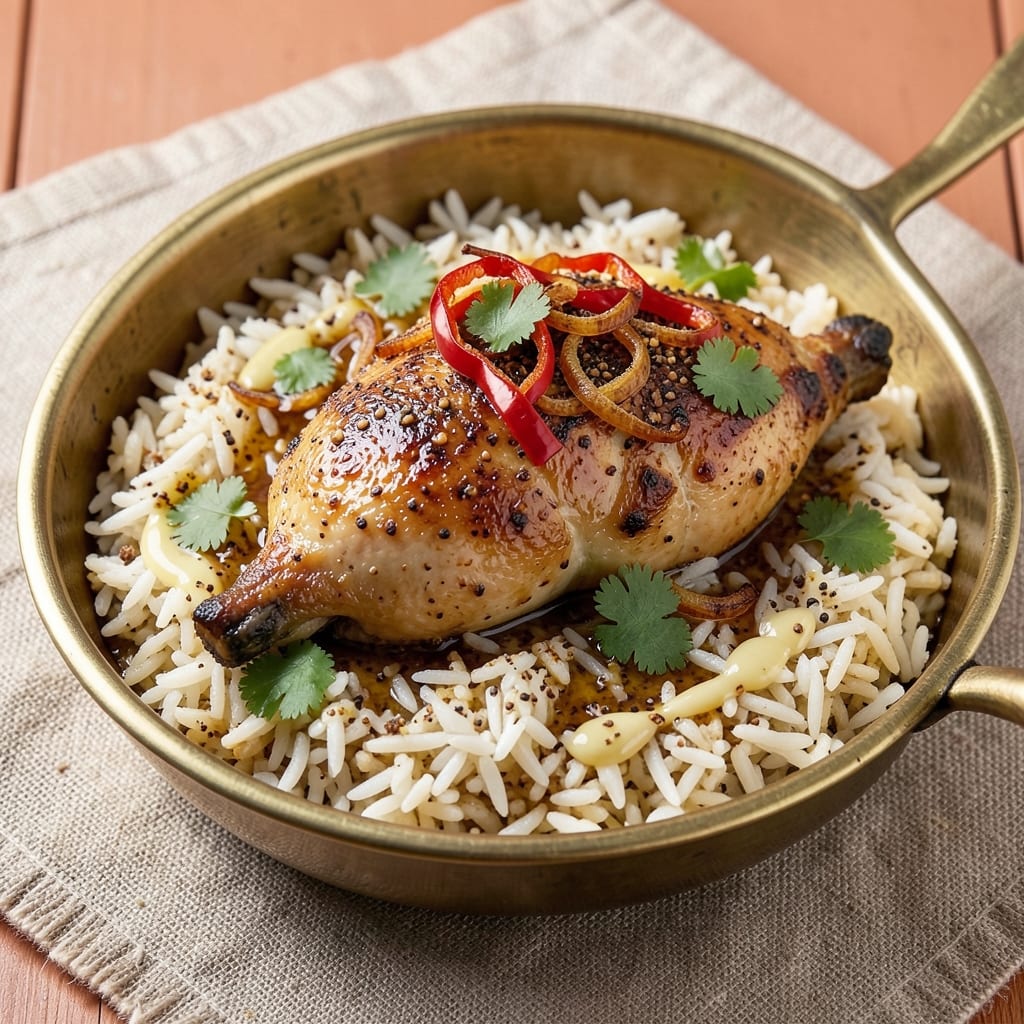
This Arabic rice pilaf recipe brings the vibrant flavors of the Middle East to your table with its signature blend of warm spices, bright citrus, and perfectly fluffy grains. 🌟 The key lies in layering spices like baharat or garam masala while cooking the rice in aromatic broth, creating a dish that’s both comforting and celebratory. This method ensures each grain absorbs the rich flavors without becoming mushy, delivering a texture that’s tender yet distinct. What sets this pilaf apart is its versatility—traditionally served at family gatherings or special occasions, it adapts beautifully to modern preferences. Whether you add tender lamb, chicken, or vegetarian proteins like mushrooms and chickpeas, the spiced rice base remains the heart of the dish. The citrus notes from lemon zest or orange blossom water add a refreshing contrast to the warm spices, balancing the flavors perfectly. The result is a fragrant, golden pilaf with layers of texture and flavor that make it a standout side dish or even a hearty main. Garnished with toasted nuts or fresh herbs, it’s as visually appealing as it is delicious. This recipe captures the essence of Arabic cuisine while being simple enough for weeknight meals. Ready to transform your rice into a showstopping centerpiece? Let’s get started with the step-by-step instructions that bring this tradition to life.
Ingredients for arabic rice pilaf
These simple yet aromatic ingredients transform basic rice into a fragrant, citrus-kissed centerpiece.
| Ingredient | Amount | Notes |
|---|---|---|
| Long-Grain White Rice 🍚 | 1 ½ cups | Uncooked, rinsed thoroughly |
| Chicken or Vegetable Broth 💧 | 2 ½ cups | Low-sodium preferred |
| Baharat Spice Blend 🌶️ | 1 ½ tbsp | Or garam masala substitute |
| Ground Cumin 🌿 | 1 tsp | Toasted for deeper flavor |
| Ground Coriander 🌿 | 1 tsp | Freshly ground preferred |
| Ground Turmeric 🌿 | ½ tsp | For vibrant color |
| Salt 🧂 | 1 tsp | Kosher or sea salt |
| Lemon Zest 🍋 | 1 tbsp | From organic lemon |
| Orange Blossom Water 🍊 | ½ tsp | Optional but traditional |
| Fresh Parsley 🌿 | ¼ cup | Chopped for garnish |
| Toasted Slivered Almonds 🥜 | ¼ cup | For crunchy topping |
| Butter 🧈 | 2 tbsp | Unsalted, for richness |
| Olive Oil 🫒 | 1 tbsp | Extra-virgin preferred |
| Fresh Lemon Juice 🍋 | 1 tbsp | Brightens flavors |
The baharat spice blend is the soul of this pilaf—it’s a Middle Eastern powerhouse with cinnamon, cumin, and black pepper. Penzeys or Spicewalla carry great versions, but any blend with those core spices works. If you can’t find baharat, garam masala plus a pinch of cinnamon is a solid swap. Freshly toast your cumin and coriander seeds (if using whole) in a dry pan for 30 seconds—they’ll smell like heaven. For the rice, jasmine or basmati is traditional, but long-grain white works perfectly. Rinse it until the water runs clear to remove excess starch, which keeps the grains separate.
No orange blossom water? Skip it or use a few drops of orange extract—it’s subtle but adds that signature floral note. The lemon zest and juice are non-negotiable for that bright contrast, so don’t skip them. For the broth, low-sodium is key—you’ll be adding plenty of salt. If you’re short on time, chicken bouillon cubes dissolved in hot water work in a pinch. The butter and olive oil combo gives the pilaf that luxurious finish, so don’t cut corners here. And if you can’t find slivered almonds, toasted pine nuts or pecans make great substitutes.
This pilaf tastes even better the next day—make extra for leftovers! Store in an airtight container in the fridge for up to 4 days. Reheat gently with a splash of water to restore moisture. For meal prep, portion into containers with a sprinkle of parsley on top—it stays fresh and vibrant. The spices keep for months in a cool, dark place, but the zest and fresh herbs should be used within 3 days. Freeze the zest in ice cube trays if you want to stock up.
Why You'll Love This Recipe
- Pantry to Plate Fast: I swear by this for nights when I’m starving but can’t be bothered to chop. Just toast the spices in the pot, add broth and rice—no fancy steps, no stress. That baharat blend does all the work.
- Spice Magic Unlocked: The cumin and coriander warm you up while the baharat adds that smoky, citrusy punch. It’s the kind of flavor that makes you pause mid-bite—like a little vacation in every grain.
- Leftovers That Shine: This rice tastes better the next day, honestly. I double the batch on Sundays, pack it for lunches, or toss it into wraps when I’m lazy. No sad, dry rice here—just rich, fragrant goodness.
- Budget-Friendly Staple: Long-grain rice and basic spices? This is my wallet’s best friend. A single batch feeds four, and the broth stretches easily. Plus, the baharat blend lasts forever—no wasted ingredients.
Step-by-step instructions for Arabic rice pilaf
Here's how to build this fragrant, citrus-kissed pilaf with layers of spice and texture.
👨🍳 Step 1: Toast the Spices and Prepare the Base
Heat the olive oil in a large skillet over medium heat. Add the toasted slivered almonds and toast for 2 minutes until fragrant and lightly golden. Remove them with a slotted spoon and set aside for garnish.
In the same skillet, add the butter and let it melt completely. Stir in the baharat spice blend, ground cumin, ground coriander, and ground turmeric. Toast the spices for 30 seconds until aromatic—you'll smell that warm, earthy spice perfume. Here's where it gets good: add the lemon zest and orange blossom water and stir for another 10 seconds. This bright citrus-spice blend is the soul of this dish.
🍳 Step 2: Sauté the Rice and Build Flavor Layers
Add the 1.5 cups long-grain white rice to the skillet and stir to coat it completely in the spiced butter. Cook for 2 minutes until the rice grains look translucent at the edges. This step is crucial—it toasts the rice slightly so it absorbs flavors better and doesn't get mushy.
Pour in the 2.5 cups chicken or vegetable broth and bring to a gentle boil. Immediately reduce heat to low and cover the skillet with a tight-fitting lid. The broth should just barely cover the rice—about ½ inch above the grains. Don't stir again; we want those spices to settle evenly.
⏰ Step 3: Simmer to Perfect Texture
Let the rice simmer for 15 minutes without peeking. The steam will work its magic, infusing every grain with those warm spices and citrus notes. After 15 minutes, check the rice—it should be tender but still have a slight bite in the center.
If the rice looks dry before it's fully cooked, add 2 tablespoons water at a time until the liquid just covers the rice again. The key is to keep it moist but not soupy. When the rice is cooked through (about 20-22 minutes total), turn off the heat and let it sit covered for 5 minutes. This resting period lets the flavors meld and the rice absorb any remaining liquid.
🥘 Step 4: Finish with Bright Citrus and Garnish
Remove the lid and fluff the rice gently with a fork. Stir in the fresh lemon juice and 1 tsp salt, mixing just until combined. The acidity brightens all those warm spices, cutting through the richness beautifully.
Finally, scatter the reserved toasted slivered almonds and fresh parsley over the top. The almonds add crunch, while the parsley gives a fresh finish. Serve immediately while the rice is still warm and fragrant—this pilaf tastes best straight from the pot when all those spices are at their peak.
Pro Tips For Making Arabic Rice Pilaf
- Toast the Spices First: Skip the pre-mixed baharat blend and toast whole cumin and coriander seeds in your dry pot for 30 seconds—just until they smell like a spice market. Then grind them fresh. I learned this the hard way: store-bought blends lose their punch when mixed with rice moisture.
- Use Double the Broth: Don’t eyeball the broth-to-rice ratio. For every cup of rice, use 1 ½ cups broth—this prevents the bottom from burning while keeping the top fluffy. My first few batches turned out gummy because I skimped.
- Layer the Rice Dry: Spread the rice in an even layer before adding broth—no clumping. This guarantees even cooking and that signature crisp bottom. I was skeptical until I tried it: the texture is noticeably better.
- Finish with Butter and Lemon: Stir in 2 tablespoons of cold butter and a squeeze of lemon zest at the very end. This cuts through the richness of the baharat and adds brightness—something I skipped for years until a friend insisted. Game-changer.
Health benefits of these flavors
Whole-Grain Advantage
While this recipe uses long-grain white rice for its classic texture, you can boost fiber and nutrients by substituting ½ cup brown rice for every ½ cup white rice. Brown rice contains 3 times more fiber than white, helping digestion and keeping you full longer. The cooking time increases by about 20-25 minutes, so add extra broth to prevent drying out. 💪
Protein-Packed Boost
Add ½ cup cooked chickpeas or ½ cup diced chicken breast during Step 2 for extra protein. Chickpeas bring 7 grams of protein per ½ cup plus plant-based fiber, while chicken adds lean protein without altering the dish’s texture. For a vegetarian option, sauté ½ cup mushrooms with the spices for an umami depth. 🍗
Citrus for Digestion
The lemon zest and juice in this pilaf aren’t just for flavor—they support digestion by stimulating stomach acid production. Citrus also provides vitamin C, which aids iron absorption if you’re serving this with lamb or spinach. For an extra boost, add 1 tsp grated ginger with the spices—it enhances digestion and adds warmth. ✨
Heart-Healthy Fats
The olive oil and butter combo delivers monounsaturated fats, which support heart health by reducing LDL cholesterol. For a lighter version, replace 1 tbsp butter with 1 tbsp tahini—it adds creaminess and healthy fats while boosting calcium. Tahini also pairs beautifully with the citrus notes. 🧈
Antioxidant Spice Blend
The baharat or garam masala contains turmeric, cumin, and coriander, all packed with antioxidants. Turmeric’s curcumin fights inflammation, while cumin aids blood sugar control. Toasting the spices enhances their bioavailability, meaning your body absorbs more of their benefits. A ½ tsp black pepper with the turmeric further boosts curcumin absorption. 🌿
Meal Prep Nutrition
This pilaf’s balanced macros make it perfect for meal prep. A 1-cup serving provides about 300 calories, 6g fiber, and 10g protein—ideal for keeping energy stable. Store in airtight containers for up to 4 days, and reheat with 1 tbsp water to retain moisture. The spices and citrus preserve freshness, so flavors stay vibrant even after reheating. ⏰
Nutrition facts
Frequently asked questions
What's the secret to fluffy Arabic rice pilaf?
Rinse the rice until the water runs clear to remove excess starch, then use a 1:1.5 rice-to-broth ratio. Toast the spices in butter before adding liquid, and never stir the rice after adding broth—let it steam undisturbed for 15 minutes before checking. The resting time after cooking is also key!
Can I make this pilaf without orange blossom water?
Skip it or substitute with ½ teaspoon orange extract or 1 teaspoon rose water for floral notes. The dish will still taste amazing—citrus zest is what truly brightens the flavors. For a simpler approach, just add extra lemon juice at the end.
How do I adjust this recipe for a rice cooker?
Use the same 1.5 cups rice to 2.5 cups broth ratio, but add ½ cup extra broth since rice cookers lose more moisture. Toast your spices in a pan first, then transfer everything to the cooker. Cook on high for 20 minutes, then switch to "keep warm" for 10 minutes before fluffing.
What proteins pair best with this pilaf?
Traditional choices include grilled lamb chops or spiced chicken thighs, but it also works beautifully with pan-seared shrimp or roasted vegetables. For a vegetarian option, try marinated chickpeas or spiced tofu. The citrusy rice complements both rich meats and plant-based proteins.
Why does my rice turn out mushy?
Mushy rice usually means overcooking or not enough broth. Always rinse your rice first, and use low heat after adding broth. If the rice looks dry before it's done, add 2 tbsp water at a time. The key is gentle heat and patience—don't peek while cooking!