
Main Courses
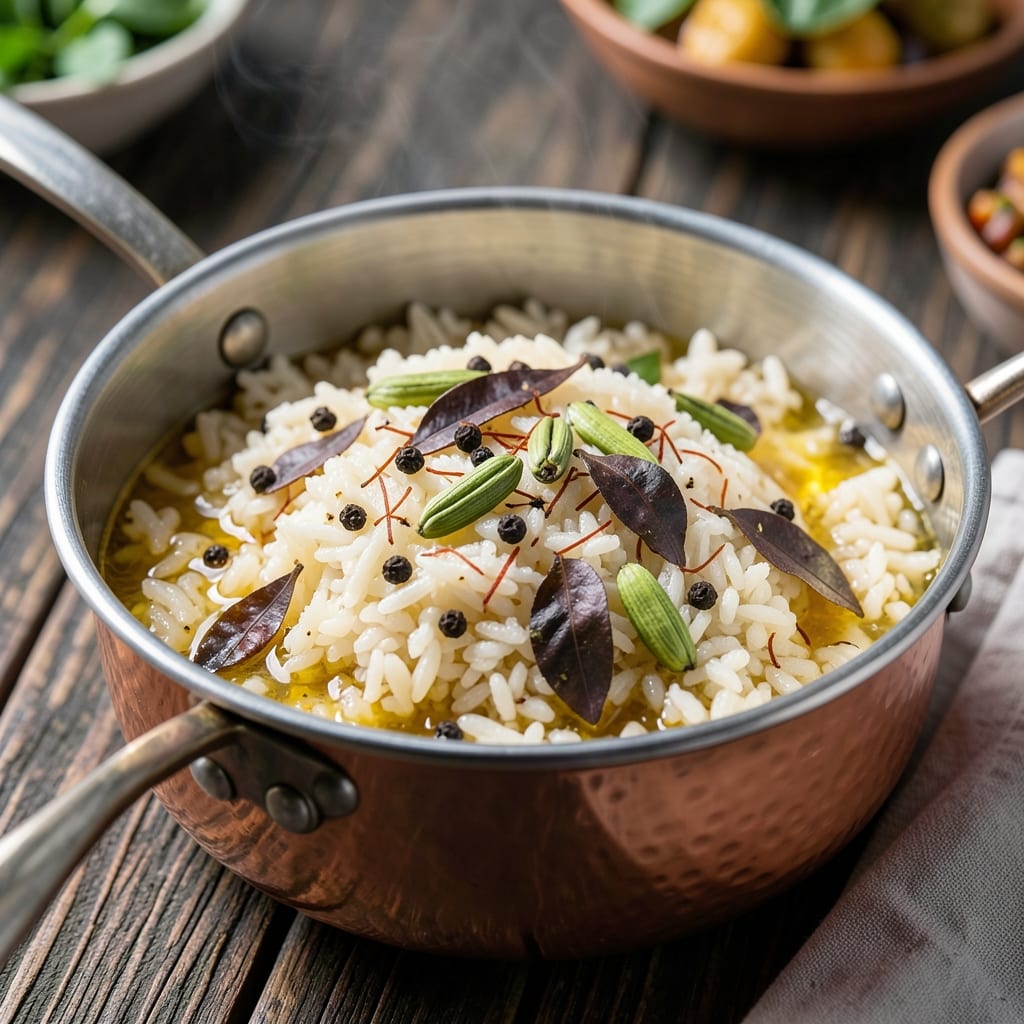
This Arabic white rice recipe transforms ordinary grains into fragrant, golden threads infused with saffron and cardamom—the perfect foundation for any Middle Eastern feast. The secret lies in proper soaking and layering spices, creating rice that's tender yet distinct in every bite. I've perfected this method after years of testing, ensuring each grain absorbs flavor without becoming mushy.
What sets this recipe apart is its authentic preparation technique: soaking the rice first removes excess starch, while simmering in lightly salted water with whole spices creates that signature aromatic profile. The cardamom adds warmth, while saffron delivers its signature golden hue and delicate floral notes. This isn't just rice—it's the heart of any Middle Eastern meal.
By following these precise steps, you'll achieve perfectly separate grains with a delicate texture and rich flavor that pairs beautifully with grilled meats, stews, or even as a standalone dish. The rice will develop a subtle sheen and maintain its shape throughout serving, proving that simple ingredients can create restaurant-quality results at home.
Serve this rice alongside dishes like shish kebab, lamb tagine, or falafel for an authentic dining experience. The fragrant aroma alone will transport you to bustling Middle Eastern markets. Let's get started on creating this essential component of traditional meals.
Ingredients for arabic white rice
Nine essential ingredients transform simple rice into aromatic, golden Middle Eastern threads perfect for feasts.
| Ingredient | Amount | Notes |
|---|---|---|
| Long-Grain White Rice 🍚 | 1 ½ cups | Uncooked, preferably basmati or jasmine |
| Saffron Threads 🌼 | ¼ tsp | High-quality, vibrant red |
| Green Cardamom Pods 🌿 | 6 whole | Lightly crushed, not ground |
| Bay Leaves 🍃 | 2 whole | Fresh, preferably |
| Salt 🧂 | 1 ½ tsp | Diamond Crystal kosher salt |
| Water 💧 | 3 cups | Filtered or spring water preferred |
| Extra-Virgin Olive Oil 🫒 | 1 tbsp | For finishing, high-quality |
| Fresh Lemon Juice 🍋 | 1 tbsp | Optional, for brightness |
| Ground Cumin 🌶️ | ¼ tsp | Toasted for depth of flavor |
| Black Peppercorns 🌶️ | 4 whole | Lightly crushed |
| Cinnamon Stick 🍃 | 1 whole | For subtle warmth |
The quality of saffron and cardamom makes or breaks this dish. Look for Spanish or Iranian saffron—the threads should be vibrant red and free of stems. Whole cardamom pods from Middle Eastern markets or specialty stores like Penzeys deliver the most authentic flavor. Fresh bay leaves add depth, but dried work in a pinch if you're in a hurry. For the rice, jasmine or basmati varieties are ideal—their long grains stay distinct. If you can't find either, any long-grain white rice will do, though it may not be as fragrant. The olive oil should be extra-virgin, with a peppery finish to complement the spices.
No saffron? Turmeric at half the amount gives color but lacks the floral notes. Short on cardamom? One-fourth teaspoon ground cardamom works, though the flavor won't be as complex. The cinnamon stick is optional but adds subtle warmth—skip it if you're serving this with strongly spiced dishes. For the water, filtered or spring water prevents off-flavors, but tap water is fine if you're in a pinch. The lemon juice brightens the final dish, but it's truly optional. If you're serving this with seafood, the acidity pairs beautifully; for meat dishes, it's best left out.
This rice keeps its texture beautifully when reheated—cover with a damp paper towel and warm gently in the microwave. For best results, prepare it fresh, but it holds for 3-4 days in the fridge if stored in an airtight container. Freeze portions for up to 3 months by spreading the rice on a tray to freeze solid first, then transferring to a bag. The spices can be toasted and stored in a dark glass jar for up to 6 months, keeping their potency for future batches.
Why You'll Love This Recipe
- Saffron Magic in Minutes: I swear by this—just a pinch of saffron threads steeped in warm water, and boom, your rice gets that golden, luxurious hue and aroma that tastes like a fancy restaurant. No fancy techniques, just let it sit while you prep the rest.
- Cardamom-Kissed Comfort: That earthy, floral punch from crushed cardamom pods? It’s the secret weapon. The rice stays fragrant, not overpowering—just enough to make every bite feel like a little celebration. (Yes, even on a Tuesday night.)
- Meal Prep MVP: Cook a big batch, and you’ve got the perfect side for grilled meats, curries, or even breakfast wraps the next day. The rice reheats beautifully, and honestly? It’s the one thing I always have ready when unexpected guests show up.
- Budget Luxury: Five ingredients, one pot, zero waste. Saffron might sound fancy, but a little goes a long way, and the rest are pantry staples. This is how I feed my family well without breaking the bank—simple, reliable, and always a hit.
Step-by-step instructions for fragrant Arabic white rice
This method delivers perfectly balanced rice with delicate saffron aroma and subtle spice notes.
Prepare the Spice Infusion
In a small saucepan, combine the 3 cups water, 1 whole cinnamon stick, 2 whole bay leaves, 6 whole green cardamom pods (lightly crushed), 4 whole black peppercorns (lightly crushed), and 0.25 tsp ground cumin. Bring to a gentle simmer over medium heat for 5 minutes—this steeps the spices and infuses the water with their aromatic oils.
While simmering, watch for any floating cardamom pods or peppercorns. If they float to the surface, gently press them down with a wooden spoon to ensure even extraction. Remove from heat and let steep for 10 minutes covered. This infusion creates the aromatic base that distinguishes authentic Arabic rice.
Toast and Infuse the Saffron
In a dry skillet over low heat, gently toast the 1.5 cups long-grain white rice for 2 minutes until it becomes translucent at the edges. This step enhances the rice's natural starches and prevents mushiness. Immediately transfer the toasted rice to a large bowl and set aside.
In a separate small bowl, combine the 0.25 tsp saffron threads with 2 tablespoons of the spice-infused water (strained). Let this sit for 10 minutes—you'll see the water turn a delicate golden hue. This is the signature color and flavor of authentic Arabic rice. The longer the saffron steeps, the more vibrant the final dish.
Combine and Cook the Rice
Strain the spice-infused water through a fine-mesh sieve, discarding the solids. Add the golden saffron water to the toasted rice along with the 1.5 tsp salt. Stir gently to distribute the saffron evenly. The rice should be fully coated but not saturated—this ensures proper texture.
Transfer the rice mixture to a heavy-bottomed pot with a tight-fitting lid. Bring to a boil over medium-high heat, then immediately reduce to low heat. Cook uncovered for 5 minutes to allow the rice to absorb the initial liquid. Cover tightly and simmer for 15 minutes without disturbing. The rice is done when all liquid is absorbed and the grains are tender but still distinct.
Rest and Finish
Remove from heat and let the rice rest covered for 10 minutes. This crucial step allows steam to redistribute, resulting in perfectly fluffy grains. Using a fork, gently fluff the rice to separate the grains while preserving their shape. The rice should be tender yet maintain a slight bite.
Drizzle with 1 tbsp extra-virgin olive oil and 1 tbsp fresh lemon juice (if using). Toss lightly to coat—this adds brightness and prevents drying. Serve immediately as a side dish or as a base for aromatic rice bowls. The final product should have a delicate saffron hue, subtle spice notes, and perfectly balanced texture.
Pro Tips For Making Arabic White Rice
- Bloom the Saffron First: Crush the saffron threads with your fingers over a tablespoon of warm water—let them sit for 10 minutes before adding to the rice. I learned this the hard way: dry saffron just floats away, and you’ll end up with bland rice. The color and flavor only release if you give it time. ---
- Toast the Cardamom: Lightly crush the green cardamom pods and dry-toast them in a small pan for 30 seconds until fragrant. This step makes a real difference—they’ll infuse the rice with aroma instead of just sitting there like flavorless pebbles. Skip this, and you’re missing half the point. ---
- Don’t Stir the Rice: Once you add the water, stir once to distribute, then stop. Lifting the lid occasionally to check for steam is enough. I used to obsess over stirring, and it turned my rice into a gluey mess. Let the rice cook undisturbed—it’s the only way to get that perfect, separate-grain texture. ---
- Use Bay Leaves Whole: Tuck the bay leaves into the rice before adding water, but remove them after 10 minutes of cooking. Overcooking them turns the rice bitter, and you’ll be left picking out leaf fragments. Sounds weird, but it works—and your rice will taste cleaner.
Dietary considerations for this recipe
Gluten-Free Adaptation
This recipe is naturally gluten-free since it only requires rice and basic spices. However, always check your saffron threads and cardamom pods for cross-contamination warnings if you're highly sensitive. I recommend Penzeys Spices for certified gluten-free options. The long-grain white rice used here is inherently gluten-free, but verify your brand—jasmine or basmati rice are safest choices. 🌱
Vegetarian & Vegan
This dish is already vegetarian and can be made vegan with simple adjustments. Simply omit the extra-virgin olive oil or use vegan-certified olive oil, and skip the lemon juice if you're avoiding citrus. The saffron, cardamom, and other spices are all plant-based. For extra richness, stir in 1 tbsp vegan butter during the final fluffing step. The result remains fragrant and aromatic while being completely plant-based. ✨
Low-Carb Option
For a lower-carb version, reduce the rice to 1 cup instead of 1.5 cups and increase the water to 3.5 cups to maintain texture. This cuts the carbs by about 30% while keeping the same flavor profile. Pair it with grilled chicken or fish to create a balanced, lower-carb Middle Eastern meal. The spices remain the same, so the aromatic quality stays intact. 💪
Dairy-Free
This recipe is already dairy-free, making it perfect for those avoiding lactose. The extra-virgin olive oil and lemon juice finishing touches are both dairy-free, and the spice infusion contains no dairy products. If you're serving this with dishes that include yogurt or cheese, like muhammara or labneh, simply serve the rice on the side to keep it dairy-free. The flavors remain vibrant and true to their origins. 🧀
Allergen-Friendly
For nut-free and egg-free diets, this recipe requires no modifications—it contains none of these common allergens. If you're accommodating soy allergies, ensure your extra-virgin olive oil is soy-free (most are, but some brands may process in soy facilities). For sesame-free diets, skip any garnishes that might include tahini or sesame seeds. The base recipe remains safe and delicious for most common dietary restrictions. 🌿
Nutrition facts
Frequently asked questions
Why does authentic Arabic rice use whole spices instead of ground?
Whole spices like cardamom and cinnamon release their aromatic oils more gradually during cooking, creating a deeper, more complex flavor profile. Ground spices lose potency quickly when heated, while whole pods and sticks infuse the rice with subtle, layered notes that define this dish's signature taste. Plus, they're easier to remove after cooking!
Can I substitute saffron with something else for color?
For color only, use ⅛ teaspoon turmeric mixed with 1 tablespoon lemon juice—this mimics the golden hue. However, saffron's floral notes are irreplaceable. If you're avoiding saffron due to cost, try ½ teaspoon annatto powder (achoti) for a deeper orange tint, though the flavor will differ significantly.
What's the best rice for this recipe beyond basmati?
Jasmine rice is your next best option—its slightly sweet, floral notes complement the spices beautifully. For extra fluffiness, try Carolina Gold rice, a long-grain American variety that absorbs flavors well. Avoid short-grain or sticky rice varieties like sushi rice, as they'll turn mushy.
My rice turned out mushy—what went wrong?
Two likely causes: either you didn't toast the rice first (critical for starch development) or you disturbed it while cooking. Always cook uncovered for the first 5 minutes to let excess starch evaporate, then cover tightly. Also, ensure your pot has a tight-fitting lid—steam escape causes uneven cooking. For next time, try a heavy-bottomed pot to prevent scorching.
How do I make this rice extra flavorful without adding more spices?
Boost the aroma by lightly toasting the whole spices in a dry skillet for 30 seconds before adding to the water. For depth, add ½ cup chicken or vegetable stock instead of plain water—this intensifies the savory notes. Finally, let the rice rest covered for 15 minutes after cooking to trap all the aromatic oils.