
Soups & Stews
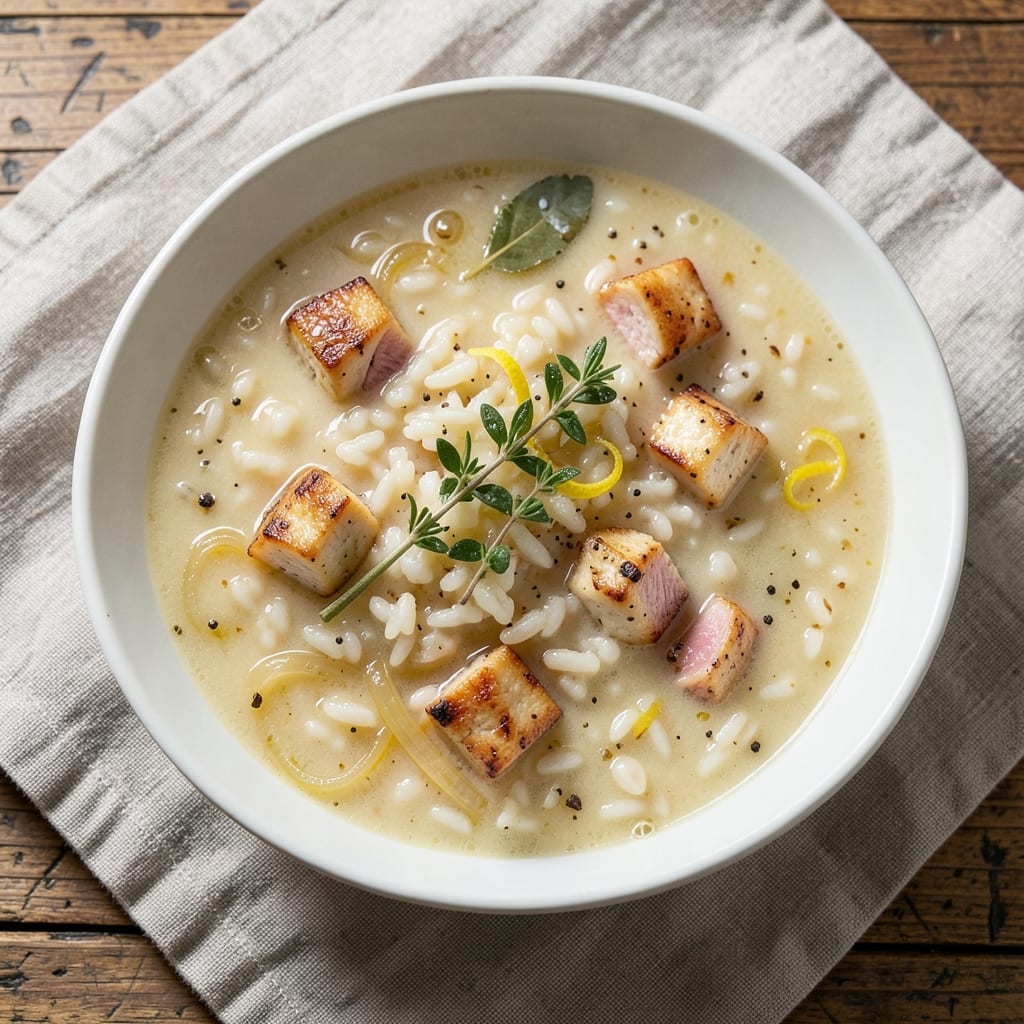
This arborio rice soup recipe transforms humble ingredients into a velvety, comforting bowl that feels like a restaurant-quality hug. The secret lies in toasting the rice first—this caramelizes the grains and prevents that dreaded mushy texture, while the slow simmer extracts their natural starch for that signature creamy consistency. What starts as simple broth and rice becomes a rich, satisfying soup with just 20 minutes of active time and 45 minutes of simmering.
What sets this recipe apart is the balance: tender rice that holds its shape yet releases just enough starch to create a silky broth, all while letting the flavors of garlic, onions, and thyme develop deeply. The result is a soup that's hearty enough for a main course but light enough for any meal. Whether you add chicken for protein or mushrooms for umami, the technique remains the same—foolproof and adaptable to your preferences.
Ingredients for arborio rice soup
The perfect balance of rice and broth transforms simple pantry staples into velvety comfort.
| Ingredient | Amount | Notes |
|---|---|---|
| Arborio Rice 🍚 | 1 cup | Uncooked, rinsed well |
| Chicken Broth 💧 | 4 cups | Low-sodium preferred |
| Yellow Onion 🧅 | 1 whole | Diced, medium size |
| Garlic Cloves 🧄 | 4 cloves | Minced, fresh preferred |
| Fresh Thyme 🌿 | ½ tsp | Leaves only, chopped |
| Dried Bay Leaf 🍃 | 1 whole | For depth of flavor |
| Unsalted Butter 🧈 | 2 tbsp | Cold, cubed for toasting |
| Salt 🧂 | 1 ½ tsp | Adjust to taste |
| Black Pepper 🌶️ | ½ tsp | Freshly ground |
| Chicken Breast 🍗 | 1 lb | Boneless, skinless, diced |
| White Wine 🍷 | ½ cup | Dry, optional for depth |
| Parmesan Cheese 🧀 | ¼ cup | Freshly grated, for finish |
| Extra-Virgin Olive Oil 🫒 | 1 tbsp | For toasting rice |
The Arborio rice is non-negotiable here—its high starch content releases beautifully during toasting and simmering. Grab a 16-ounce bag from Whole Foods or your local grocery store's bulk section for the freshest grains. If you're using pre-toasted rice, skip the olive oil step, but I recommend toasting fresh for that nutty depth. The chicken breast should be cut into bite-sized pieces for even cooking—Costco often has pre-cut chicken that saves time. For the broth, low-sodium options like Pacific Foods or Swanson work best, but homemade elevates the flavor significantly.
No Arborio rice? Jasmine or Carnaroli rice are decent substitutes, though the texture won’t be identical. Short on white wine? Extra chicken broth with a splash of lemon juice mimics the acidity. Fresh thyme wilting? Dried thyme at one-third the amount keeps the flavor profile intact. The bay leaf can be omitted if you dislike its herbal note, but it adds subtle complexity. For a vegetarian version, swap the chicken for mushrooms or white beans—just ensure they’re cooked through before adding the rice. The Parmesan should be freshly grated; pre-shredded cheese contains anti-caking agents that prevent proper melting.
Store any leftovers in an airtight container for up to 4 days in the fridge, though this soup reheats beautifully—2 minutes in the microwave or until steaming on the stovetop. For longer storage, freeze portions for up to 3 months. The rice tends to dry out when reheated, so add a splash of broth or water to restore creaminess. Double the recipe and freeze half for lazy weeknights—just thaw overnight in the fridge before reheating. The butter and olive oil can be stored in the fridge for up to 1 month after opening, though they’ll keep longer at room temperature.
Why You'll Love This Recipe
- One-Pot Magic: I swear by this—just toss the rice, broth, and chopped onion into one pot, and let it do its thing. No measuring cups, no extra pans, no stress. That Arborio rice soaks up the broth perfectly, turning it into a creamy, dreamy soup with barely any effort.
- Umami Bomb: The garlic and thyme simmered in chicken broth? Oh, it’s good. The onion caramelizes just enough to add sweetness, while the Arborio rice develops that signature toasty edge—like a little risotto hug in every spoonful.
- Leftovers That Don’t Suck: Honestly, this soup only gets better the next day. The rice softens just right, and the flavors meld into something even richer. I make a big batch on Sunday, and it’s still my go-to for lazy lunches or a quick reheat when I’m too tired to cook.
- Budget Meal for Busy Nights: A handful of onions, a few garlic cloves, and a bag of Arborio rice—this is my pantry’s secret weapon. It’s cheap, filling, and I can have it on the table in under 25 minutes. Even my picky-eater roommate asks for seconds.
Step-by-step instructions for silky Arborio rice soup
Mastering this technique ensures creamy texture without mushy rice or overcooked chicken.
Sear the Chicken and Sauté Aromatics
Pat the 1 lb chicken breast dry with paper towels and cut into ½-inch cubes. Heat a large pot over medium-high heat with 1 tbsp extra-virgin olive oil until shimmering. Add the chicken in a single layer and cook undisturbed for 3-4 minutes until golden brown on all sides. This builds deep flavor before we remove it.
Reduce heat to medium and add 2 tbsp unsalted butter. When melted, add the 1 whole yellow onion and cook for 5-6 minutes until softened and translucent. Stir in the 4 cloves minced garlic and 0.5 tsp chopped fresh thyme, cooking for 30 seconds until fragrant. The butter creates a silky base while the aromatics infuse the broth.
Toast the Arborio Rice
Remove the chicken from the pot and set aside. Add the 1 cup uncooked Arborio rice to the pot and stir for 1-2 minutes until the grains become translucent at the edges. This toasting step develops nutty flavors and prevents gummy rice. You'll see the rice release starch and cling together slightly—this is normal and essential for texture.
Pour in the 0.5 cup dry white wine and scrape up any browned bits from the bottom of the pot. Let it simmer for 2 minutes until fully evaporated. This deglazing step captures all the flavor you've built so far and creates the foundation for the creamy soup.
Simmer with Broth and Seasonings
Add the 4 cups chicken broth, 1.5 tsp salt, 0.5 tsp black pepper, and 1 whole dried bay leaf to the pot. Bring to a gentle simmer over medium-low heat. The key here is patience—keep the broth at a bare simmer (small bubbles at the edges) to prevent the rice from becoming mushy. Stir occasionally to prevent sticking.
Return the chicken to the pot and cook for 18-20 minutes until the rice is tender but still has a slight bite. You'll know it's ready when the rice grains are mostly translucent but still hold their shape. The chicken should be cooked through and easily shreds with a fork. Taste the broth and adjust seasoning if needed.
Finish with Creamy Texture
Remove the pot from heat and discard the bay leaf. Using an immersion blender, carefully blend about ½ of the soup until smooth. This creates a velvety texture without making the entire soup pureed. If you prefer a chunkier texture, blend just enough to create a creamy base. Stir in the 0.25 cup freshly grated Parmesan cheese until melted and smooth.
Return the soup to a gentle simmer for 2-3 minutes to allow the flavors to meld. The Parmesan adds richness while balancing the acidity from the wine. Taste one final time and adjust seasoning with more salt or pepper if needed. The soup should be creamy, flavorful, and perfectly balanced between the tender chicken and al dente rice.
Pro Tips For Making Arborio Rice Soup
- Toast the Rice First: I learned this the hard way—skipping the toast means your soup will taste bland and gummy. Sauté the arborio rice in a dry pan for 2-3 minutes until it smells nutty and the edges turn translucent. This step builds flavor and prevents mushiness, especially when simmered in broth.
- Use Two Broth Batches: Start with half the chicken broth, simmer until the rice absorbs it, then add the rest. This keeps the texture creamy without turning it into porridge. I used to dump all the broth in at once, and the result was always sad—too thin or too thick.
- Finely Dice the Onion: Tiny, even pieces (about 1/8-inch) cook faster and blend into the soup without leaving chunks. A food processor works here, but if you’re chopping by hand, patience pays off—no one wants to bite into a raw onion fragment mid-bowl.
- Strain and Reduce the Broth: Skip the clear broth if it’s murky—strain it first for a cleaner base. Then, simmer it uncovered for 10 minutes to deepen the flavor. Sounds weird, but it works: the reduction concentrates the taste, and the soup ends up richer without extra fat or sediment.
Common mistakes when making your arborio rice soup
Overcooking the Rice
The biggest mistake is letting the rice simmer too long, which turns it mushy and ruins the soup's texture. Arborio rice should be tender but still have a slight bite—like al dente pasta. I've seen people walk away and forget about the soup, only to return to find it completely broken down. Keep a close eye on it after the 18-minute mark and taste-test frequently. If the rice is falling apart, it's too late to fix it—start over with fresh rice. 🍲
Skipping the Toasting Step
Many recipes call for adding rice directly to the broth, but toasting it first is what creates that signature creamy texture. When you toast the rice in butter and oil, you're caramelizing the starches, which later release into the broth for richness. If you skip this, your soup will be thin and bland. I once made this mistake and ended up with a watery, flavorless mess—don't make my error! Toast for 1-2 minutes until the grains look translucent at the edges.
Using the Wrong Rice
Not all rice is created equal, and Arborio is the only choice for this soup. Short-grain rice like sushi rice or long-grain basmati won't release enough starch to create that velvety consistency. I've tried substituting with jasmine rice, and while it works, the texture is completely different—less creamy and more separate grains. If you're out of Arborio, Carnaroli is your next best option, but it's pricier and harder to find. Stick with the real deal for the best results. 🍚
Adding Wine Too Early
Some recipes suggest adding wine at the very beginning, but this can dilute the flavors and prevent proper toasting of the rice. The wine should only be added after the rice has been toasted and just before the broth goes in. This ensures the alcohol evaporates completely, leaving behind just the flavor. I once added it too early and ended up with a soup that tasted more like vinegar than wine. Wait until after toasting to add the 0.5 cup dry white wine.
Ignoring the Bay Leaf
The dried bay leaf might seem insignificant, but it adds subtle depth that elevates the entire dish. If you skip it, your soup will lack complexity. I've made this soup both ways, and the version with the bay leaf has a more layered flavor profile. Just
Overblending the Soup
While blending adds creaminess, going overboard turns your soup into a gluey mess. Only blend about half of the soup to create a velvety base without losing texture. I've seen people blend everything and end up with a thick, pasty consistency that's unpleasant to eat. Use an immersion blender for precision—you can always blend more, but you can't un-blend. Start with ½ of the soup and adjust to taste. 💫
Nutrition facts
Frequently asked questions
Can I make this arborio rice soup vegetarian?
Swap the chicken for 1 cup sliced mushrooms or 1 can (15 oz) white beans for protein. Sauté the mushrooms first with garlic and thyme, then proceed with the rice toasting and simmering steps. For extra richness, stir in 2 tbsp nutritional yeast at the end instead of Parmesan. The creamy texture will still shine!
Why does my arborio rice soup turn out watery?
Watery soup usually means the rice wasn't toasted long enough or the broth ratio was too high. Always toast the rice until translucent at the edges (1-2 minutes) and use 1 cup rice to 4 cups broth as a baseline. For extra creaminess, blend ½ the soup at the end or add 1 tbsp cornstarch mixed with water as a thickener. Stir in slowly until desired consistency is reached.
Can I prepare this soup ahead of time?
Yes! This soup actually tastes better the next day as flavors meld. Store in an airtight container in the fridge for up to 4 days. Reheat gently on the stove with a splash of broth or water to restore creaminess. For freezing, portion into containers and freeze for up to 3 months. Thaw overnight in the fridge before reheating—never microwave directly from frozen.
What's the secret to getting that perfect creamy texture?
The magic happens in three steps:
- Toasting the rice (releases starch),
- Using white wine (adds acidity to balance richness), and
- Partial blending (only blend half the soup). The rice's natural starch thickens the broth during simmering, while the Parmesan at the end adds fat for extra silkiness. Never skip the toasting—it's non-negotiable for that restaurant-quality mouthfeel!
How can I make this soup spicier?
Add 1 tsp red pepper flakes when sautéing the aromatics, or stir in 1 chopped chipotle pepper in adobo sauce with the broth. For heat without dryness, top each bowl with 1 tsp hot sauce or fresh chili oil just before serving. If using dried spices, add them with the bay leaf during simmering. Always taste as you go—spices intensify as the soup cooks.