
Main Courses
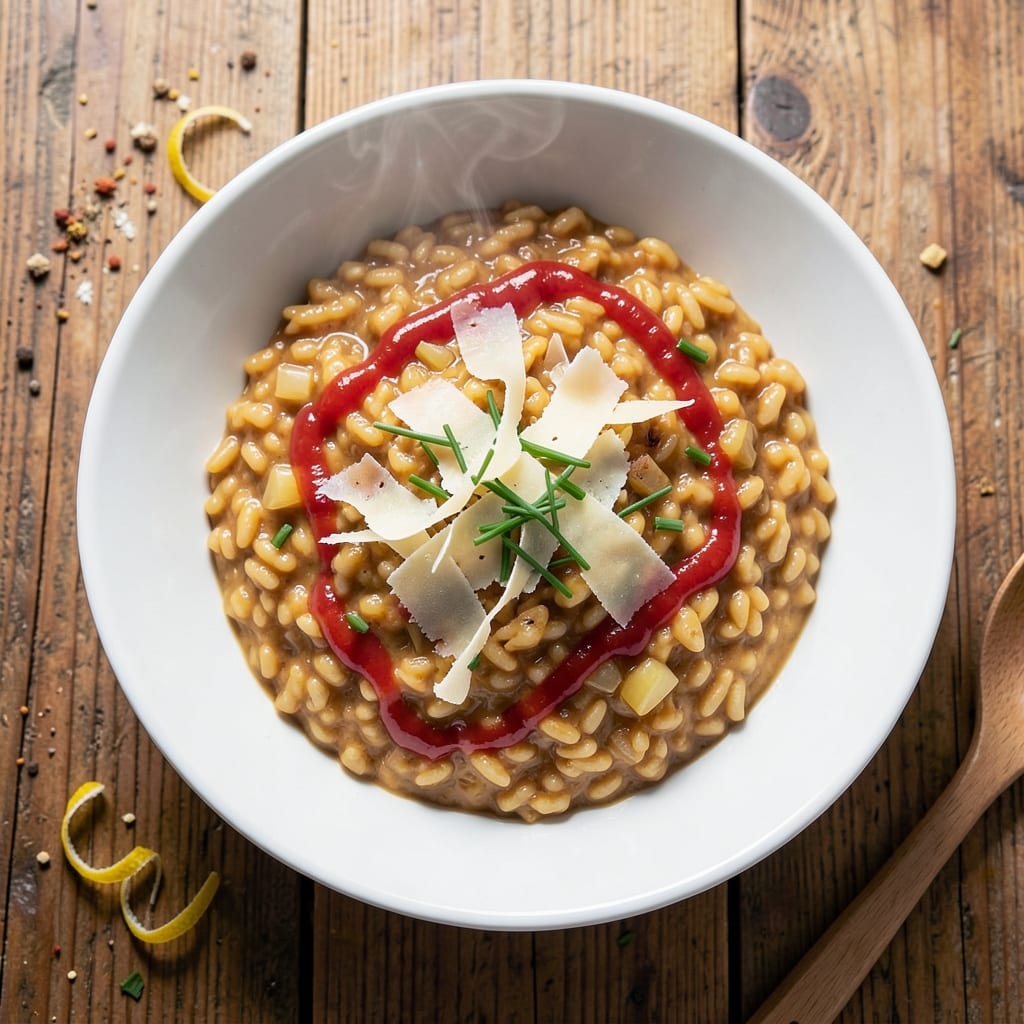
Aroma rice cooker risotto transforms weeknight cooking with creamy, restaurant-quality results—no constant stirring required. The secret lies in leveraging your rice cooker’s gentle heat to develop flavors and melt cheese into velvety perfection while you focus on other tasks. This method preserves the dish’s signature texture without the risk of burning or uneven cooking.
By layering ingredients strategically—starting with an aromatic base of onions, garlic, and white wine—then gradually adding broth and cheese, the rice cooker’s even heat creates a silky finish. The result is tender Arborio rice with a luxurious, creamy consistency that’s impossible to achieve with traditional stovetop methods. Perfect for busy evenings, this recipe delivers professional-level risotto with minimal effort.
Ingredients for aroma rice cooker risotto
Creamy risotto requires just twelve ingredients—elevating simple pantry staples into restaurant-quality perfection.
| Ingredient | Amount | Notes |
|---|---|---|
| Arborio Rice 🍚 | 1 ½ cups | Unrinsed, long-grain variety |
| Yellow Onion 🧅 | 1 whole | Finely diced, medium size |
| Garlic Cloves 🧄 | 4 cloves | Minced, fresh preferred |
| Dry White Wine 🍷 | ½ cup | Bold variety like Sauvignon Blanc |
| Vegetable Broth 💧 | 4 cups | Low-sodium preferred |
| Parmesan Cheese 🧀 | 1 cup | Freshly grated, high-quality |
| Butter 🧈 | 4 tbsp | Unsalted, cold for sautéing |
| Olive Oil 🫒 | 2 tbsp | Extra-virgin for richness |
| Fresh Thyme 🌿 | 1 tbsp | Leaves only, chopped fine |
| Salt 🧂 | 1 ½ tsp | Diamond Crystal kosher |
| Black Pepper 🌶️ | ½ tsp | Freshly ground preferred |
| Heavy Cream 🥛 | ¼ cup | Full-fat for creaminess |
The Arborio rice is non-negotiable—its high starch content creates the signature creaminess. Lundberg Family Farms or Barilla are reliable brands with consistent quality. For the cheese, Parmigiano-Reggiano from a deli counter (not pre-grated) delivers the most flavor. The vegetable broth should be low-sodium to avoid over-salting the final dish. Fresh thyme adds depth, but if you're using dried, reduce to one teaspoon and toast it lightly in the butter for enhanced aroma. The white wine should be dry and bold—Sauvignon Blanc or Pinot Grigio work perfectly, but avoid sweet varieties that will throw off the balance.
No Arborio rice? Carnaroli is the next best substitute, though slightly pricier. Out of white wine? Dry vermouth or additional vegetable broth works in a pinch, but reduce by one tablespoon to account for liquid volume. For a dairy-free option, replace the heavy cream with full-fat coconut milk and use nutritional yeast instead of Parmesan. The butter and olive oil combination creates the ideal base—don't skip the olive oil, as it adds fruity notes that complement the dish. If you're short on time, pre-mince the garlic and chop the thyme ahead of time, storing them in separate airtight containers in the fridge for up to three days.
This risotto reheats beautifully—simply add a splash of broth and stir gently. Store leftovers in an airtight container in the fridge for up to 4 days, though the texture may become slightly grainier. For longer storage, freeze portions in a single layer before transferring to a sealed bag for up to 3 months. When reheating from frozen, add an extra splash of broth to restore creaminess. The dish is best enjoyed immediately, but the flavors actually deepen overnight, making it perfect for meal prep. Portion into individual containers for easy grab-and-go lunches.
Why You'll Love This Recipe
- No-Sweat Setup: I swear by this recipe when I’m too tired to stand for long. Just toss in the Arborio rice, onions, and garlic—no fancy stirring required—then let the rice cooker do the work while I chop veggies for the side. The wine and broth infuse everything effortlessly, and honestly? The texture comes out perfect every time.
- Creamy Without Cream: That crispy, nutty edge from the Arborio rice? It’s there, but the broth and wine create this unexpectedly velvety finish—no heavy cream needed. The garlic and onions caramelize just enough to give it depth, and the wine adds a bright, almost buttery richness that makes it taste like a restaurant dish.
- Weeknight to Dinner Party: Between us, this is my secret for feeding a crowd without stress. Double the broth, add a splash of lemon at the end, and suddenly you’ve got a dish that feels fancy but costs next to nothing. My roommates used to mock me for making risotto until they tried this version—now they beg for it.
- Leftovers That Don’t Suck: Most risotto turns to glue the next day, but not this one. The rice cooker keeps it fluffier longer, and reheating with a little extra broth? Still delicious. I’ve packed this for lunches, frozen portions for lazy nights, and even used it as a filling for stuffed peppers. Zero waste, all flavor.
Step-by-step instructions for creamy risotto made in an aroma rice cooker
This method transforms your rice cooker into a foolproof risotto maker—no constant stirring required.
Sauté the Aromatics Until Fragrant
Place the inner pot of your Aroma rice cooker on the stovetop over medium heat. Add the 2 tablespoons olive oil and 4 tablespoons butter—the butter should melt completely and foam slightly before subsiding. Add the finely diced yellow onion and cook for 5-6 minutes until softened and translucent.
Next, add the 4 cloves minced garlic and 1 tablespoon chopped fresh thyme. Cook for 30-45 seconds until the garlic becomes golden and fragrant—this is your signal that the aromatics are ready. Be careful not to let the garlic burn, as it will turn bitter. Once cooked, transfer the pot to the rice cooker base and set to Sauté mode if available, or simply keep it on the stovetop for now.
Toast the Arborio Rice
Add the 1.5 cups unrinsed Arborio rice to the pot and stir to coat evenly in the oil and butter mixture. The rice should sizzle gently for about 1-2 minutes—this toasting step builds flavor and prevents the rice from becoming mushy. You'll notice the rice becomes slightly translucent at the edges, which means it's absorbing the fat and developing a nutty aroma.
Here's the key: don't add any liquid yet. The rice needs to toast until it releases its natural starches, which will later create that signature creamy texture. If you see the rice starting to stick, give it a quick stir with a wooden spoon, but avoid over-mixing to prevent breaking the grains.
Deglaze with Wine and Add Broth
Pour in the 0.5 cup dry white wine and stir vigorously for 30 seconds until the wine is completely absorbed. You'll see the rice begin to loosen from the bottom of the pot as the alcohol cooks off. This deglazing step removes any residual raw taste and adds depth of flavor.
Now, add 1 cup of the vegetable broth and stir once to distribute it evenly. Place the lid on the rice cooker (leave it slightly ajar if your model allows) and set it to cook. The rice will begin absorbing the liquid, and you'll notice it starts to soften but remains slightly al dente. This is where the magic happens—the rice cooker's gentle heat allows the starches to release gradually, creating that velvety texture without constant attention.
Cook Until Al Dente and Finish with Cream
Once the rice cooker indicates the first cycle is complete (usually after 10-12 minutes½ cup of vegetable broth and cook for another 2-3 minutes. The rice should be creamy but not mushy, with a slight resistance when pressed between your fingers.
Remove the pot from the rice cooker and stir in the 0.25 cup heavy cream and 1 cup freshly grated Parmesan cheese. Season with 1.5 teaspoons salt and 0.5 teaspoon black pepper. The mixture should become luxuriously creamy and rich. If the risotto is too thick, add a splash of warm broth to reach your desired consistency. Let it rest for 2-3 minutes to allow the flavors to meld together.
Serve Immediately with Perfect Texture
Transfer the risotto to serving bowls and garnish with an additional sprinkle of Parmesan cheese and a few chopped thyme leaves. Serve immediately while still warm—risotto continues to thicken as it cools, so timing is everything. Each bite should deliver a perfect balance of creamy texture, nutty Arborio rice, and rich Parmesan flavor, all achieved with minimal effort.
This method ensures your risotto is creamy, perfectly cooked, and free from the risk of burning or undercooking that can happen with stovetop methods. The rice cooker's precision heat control makes it the ideal tool for this classic dish.
Pro Tips For Making Aroma Rice Cooker Risotto
- Toast the Onions First: Sauté those yellow onion slices until they’re golden and slightly caramelized—about 8-10 minutes on medium heat. I used to skip this, thinking it was extra work, but that sweet, deep flavor is the foundation of the dish. (Yes, even if you’re impatient like me.) ---
- Use Cold Broth: Keep your vegetable broth chilled until the very end—add it in stages, but only when the rice is ready to absorb it. Hot broth will cook the rice too fast and turn it mushy. I learned this the hard way after making a watery mess the first time. ---
- Stir Less, Check More: Let the rice cooker do most of the work—stirring too much releases starch too early and makes the risotto gummy. Instead, lift the lid every 5 minutes to peek at the rice, adjusting heat or broth as needed. (Your future self will thank you.) ---
- Deglaze with Wine Early: Pour in that dry white wine right after toasting the onions and garlic—don’t wait until later. The alcohol burns off faster when the pan is still hot, leaving behind rich flavor. I was skeptical until I tried it, and now it’s non-negotiable.
Creative variations of aroma rice cooker risotto
Classic Mushroom Risotto
Swap the vegetable broth for 4 cups mushroom broth (or simmer 8 oz sliced cremini mushrooms in water for 15 minutes, then strain). Add 1 tbsp dried porcini powder to the broth for an earthy depth. Fold in ½ cup sautéed wild mushrooms and 1 tbsp fresh parsley at the end. This variation feels luxurious and pairs perfectly with a glass of Pinot Noir. 🍄
Lemon Herb Risotto
Brighten your risotto with 1 tbsp lemon zest and 2 tbsp fresh lemon juice added during the final stir. Toss in 1 tbsp chopped fresh basil or tarragon and finish with a drizzle of 1 tbsp olive oil. The acidity cuts through the richness beautifully, making this a fantastic spring or summer dish. 🍋
Spicy Tomato Risotto
For a bold twist, add ½ cup crushed San Marzano tomatoes when deglazing with wine. Stir in ½ tsp red pepper flakes and 1 tsp smoked paprika during the sauté step. Top with ¼ cup crumbled feta cheese and 2 tbsp chopped fresh cilantro for a Mediterranean-inspired flavor profile. 🌶️
Creamy Mushroom & Truffle
Elevate your risotto with 1 tsp white truffle oil stirred in during the final step. Add ½ cup sautéed shallots instead of onions and fold in ½ cup sautéed shiitake mushrooms. Garnish with ¼ cup shaved black truffle or truffle salt for an indulgent touch. This version feels like a gourmet restaurant dish. 💫
Vegetarian Protein Boost
Add 1 cup cooked lentils or ½ cup crumbled tofu (pressed and pan-seared) during the final stir. For extra protein, mix in ¼ cup nutritional yeast instead of Parmesan. This keeps the dish hearty and satisfying while staying plant-based. 🌱
Seasonal Fall Version
Incorporate ½ cup roasted butternut squash purée into the broth mixture and stir in 1 tsp cinnamon and ½ tsp nutmeg during the sauté step. Top with 2 tbsp toasted pecans and a sprinkle of Pecorino Romano for a cozy autumnal twist. 🍂
Nutrition facts
Frequently asked questions
Can I use regular white rice instead of Arborio?
Regular white rice won't work for this recipe—it lacks the high starch content that creates risotto's signature creamy texture. Arborio or Carnaroli rice are essential for that velvety finish. If you're out of Arborio, try sushi rice as a last resort, but expect a slightly firmer, less luxurious result.
Why does my risotto turn out too dry in the rice cooker?
Rice cookers vary in heat intensity—some models dry out risotto faster than others. Add ½ cup extra broth during cooking if needed, or reduce the initial broth by ¼ cup and stir in 2 tablespoons heavy cream at the end for extra moisture. Always check the rice for doneness before adding more liquid.
How do I make this dish dairy-free?
Replace the butter with 4 tablespoons olive oil, the heavy cream with ¼ cup full-fat coconut milk, and the Parmesan with ¼ cup nutritional yeast. Use vegan Parmesan for extra cheesy flavor. The texture will be slightly lighter but still creamy.
Can I prep ingredients ahead of time?
Pre-chop the onions, garlic, and thyme, and store them in airtight containers in the fridge for up to 3 days. Grate the cheese and measure the broth in advance. For the rice, toast it in the pot first, then store it in the fridge for 24 hours before completing the recipe—this actually enhances the nutty flavor.
What if my rice cooker doesn't have a sauté function?
No problem! Sauté the aromatics on the stovetop first, then transfer everything to the rice cooker. Use the Steam setting if available, or the White Rice setting with the lid slightly open. Add broth gradually—about ½ cup every 5 minutes**—until the rice reaches your desired texture.