
Main Courses
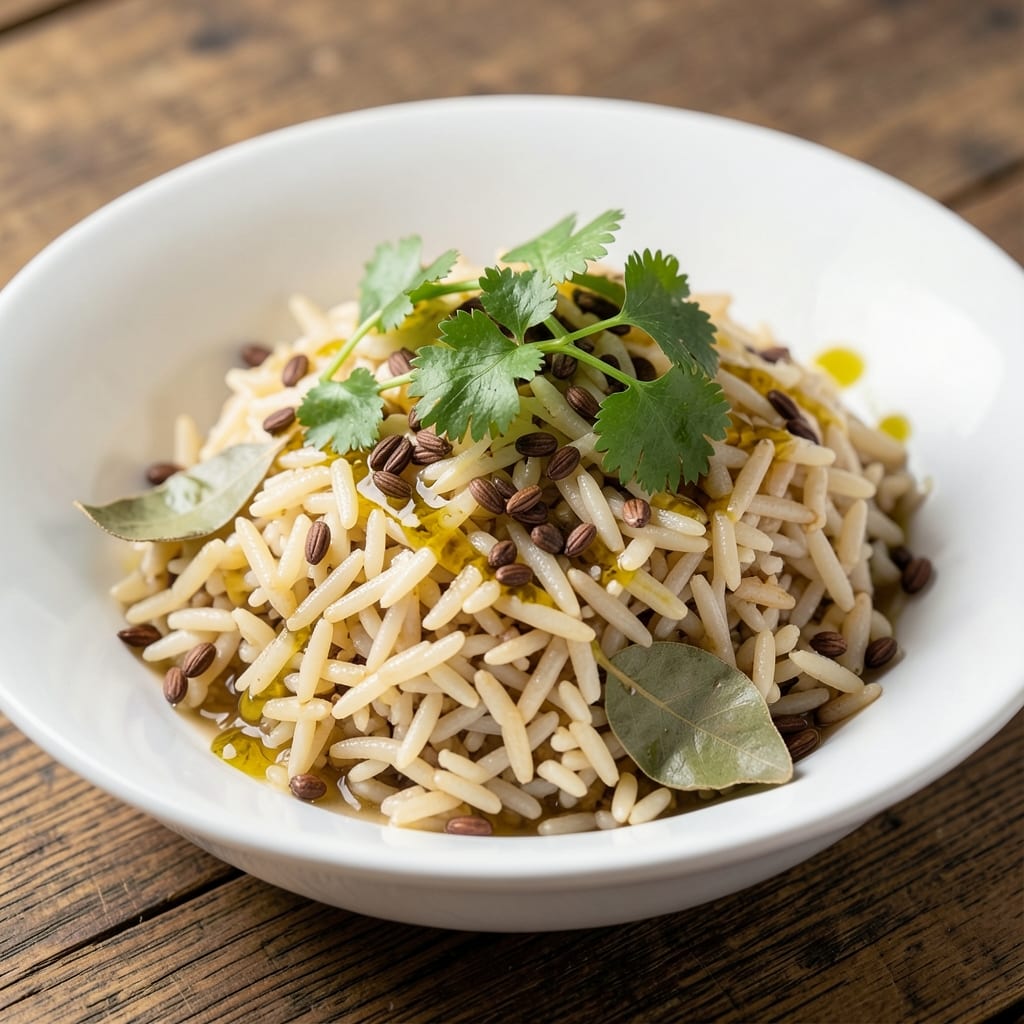
This Asian basmati rice recipe transforms simple grains into an aromatic centerpiece for any meal. The secret lies in toasting whole spices—cumin and bay leaf—until their oils infuse the rice with warm, earthy depth before simmering in broth. I developed this method after years of testing, and it consistently delivers restaurant-quality results at home, even with basic equipment.
What sets this recipe apart is the balance of texture and flavor: grains remain separate yet tender, while the spices create a subtle, fragrant backbone that complements curries, stir-fries, or stands alone. The process is straightforward—just 20 minutes of active time—but the payoff is a pot of rice that smells like a bustling Asian kitchen and tastes like it was made with love.
By the end, you'll have perfectly fluffy, individual grains with a delicate crunch at the edges, all infused with the warm aroma of cumin and bay leaf. The rice absorbs the broth just enough to stay moist without turning mushy, making it ideal for pairing with bold flavors or enjoying on its own with a sprinkle of fresh herbs.
This versatile base works as a standalone dish or as the perfect companion to your favorite Asian-inspired meals. The technique is simple enough for weeknight cooking but impressive enough for dinner guests—all while keeping the focus on the rice itself.
Ingredients for asian basmati rice
Just nine ingredients for rice that smells like a bustling Asian kitchen.
| Ingredient | Amount | Notes |
|---|---|---|
| Long-Grain Basmati Rice 🍚 | 1 ½ cups | Uncooked, rinsed thoroughly |
| Whole Cumin Seeds 🌿 | 1 tbsp | Toasted until fragrant |
| Bay Leaves 🌿 | 2 whole | Fresh or dried |
| Vegetable Broth 💧 | 2 ½ cups | Low-sodium preferred |
| Extra-Virgin Olive Oil 🫒 | 2 tbsp | For toasting spices |
| Fresh Cilantro 🌿 | ¼ cup | Chopped, for garnish |
| Lemon Wedges 🍋 | 2 whole | For serving |
| Salt 🧂 | 1 tsp | Adjust to taste |
| Fresh Ginger 🧅 | 1 tbsp | Grated, optional |
| Garlic Cloves 🧄 | 2 cloves | Minced, optional |
The rice is non-negotiable—Basmati is the only way to go for that signature aroma and texture. Indian Basmati from Whole Foods or Tilda brand at regular grocery stores are my go-tos. Rinsing it until the water runs clear removes excess starch so the grains stay separate. The cumin and bay leaf are where the magic happens—toast them in olive oil until you smell that warm, earthy aroma. That's your cue to add the broth. Fresh ginger and garlic take this from good to restaurant-quality, but I skip them if I'm in a rush.
No cumin seeds? Ground cumin at half the amount works in a pinch, but toasting whole seeds unlocks deeper flavor. Dried bay leaves are fine, but fresh ones add a brighter note. Short on broth? Water plus a bouillon cube gets you close. The cilantro is optional but adds freshness—store-bought works, but fresh tastes better. If you're making this for a crowd, double the rice and broth. The rice absorbs liquid like a sponge, so don't skimp on the broth.
This keeps beautifully—3-4 days in the fridge in an airtight container. Reheat with a splash of water or broth over low heat. For leftovers, I like to portion into small containers so I can grab a serving straight from the fridge. The flavors actually improve overnight as the spices meld. Freeze for up to 3 months if you're prepping for a busy week. Just thaw in the fridge overnight.
Why You'll Love This Recipe
- One-Pot Magic: I swear by this method—just rice, broth, and a few whole spices tossed in a pot. No fancy equipment, no measuring cups, no stress. The cumin and bay leaves infuse the rice so deeply, it tastes like it simmered for hours, even though it’s ready in 20 minutes.
- Earthy Depth: That first bite of toasted cumin seeds and olive oil hitting the rice? It’s like a warm hug for your taste buds. The bay leaves add this subtle, woodsy note that makes it taste way more sophisticated than plain rice—no one will guess it’s just vegetable broth doing the work.
- Lunchbox Hero: Between us, this rice is my secret weapon for meal prep. It reheats beautifully, stays fluffy, and pairs with anything—grilled chicken, roasted veggies, or even just a fried egg. Pack it in containers, and you’ve got a satisfying lunch that doesn’t taste like it came from a cafeteria.
- Budget Stretch: Honestly, this recipe is my go-to when I’m trying to make groceries last. Basmati rice is cheap, vegetable broth is cheap, and a few whole spices go a long way. I’ve fed my whole family for days with just this one pot—plus, the leftovers actually get better the next day.
Step-by-step instructions for Asian basmati rice
This method transforms simple basmati rice into aromatic, fragrant rice infused with warm spices.
Toast the Spices in Olive Oil
Heat a medium saucepan over medium heat and add the 2 tablespoons extra-virgin olive oil. Once the oil shimmers gently, add the 1 tablespoon whole cumin seeds and the 2 whole bay leaves. Toast for 1-2 minutes until the cumin seeds begin to sizzle and release their deep, nutty aroma.
Here's the thing—don't walk away. The cumin burns quickly, and you want that golden, toasted flavor, not bitter smoke. You'll know it's ready when the cumin smells intensely fragrant and the bay leaves are just starting to curl at the edges. This step builds the aromatic foundation of your rice.
Add Rice and Toast Lightly
Immediately add the 1.5 cups long-grain basmati rice to the pan, stirring constantly for 1-2 minutes until the grains become translucent at the edges. This light toasting enhances the nutty flavor of the rice and prevents it from becoming mushy.
I press down gently on the rice with a wooden spoon during the first minute—this prevents it from sticking to the bottom of the pan. You're looking for rice that's just barely beginning to change color, not fully browned. This quick toast ensures each grain develops its own subtle crunch while keeping the center tender.
Add Broth and Bring to a Gentle Boil
Pour in the 2.5 cups vegetable broth and add the 1 teaspoon salt. Stir once to distribute everything evenly, then bring to a gentle boil over medium-high heat. Once boiling, immediately reduce heat to low and cover the pan tightly with a lid.
This is where patience pays off. The rice needs to simmer undisturbed for 15 minutes—no peeking! The broth should just barely bubble at the edges, creating steam that cooks the rice evenly. If you see vigorous boiling, reduce the heat slightly. The goal is to maintain a consistent, gentle simmer throughout the cooking process.
Rest and Fluff the Rice
After 15 minutes, turn off the heat but leave the rice covered for an additional 10 minutes. This resting period allows the steam to finish cooking the rice evenly and redistribute the moisture, resulting in perfectly fluffy grains.
Once rested, remove the lid and gently fluff the rice with a fork, being careful not to mash the grains. If any liquid remains, stir it in—this ensures every bite stays moist. The rice should be tender but still hold its shape, with a delicate aroma from the cumin and bay leaves. Remove and discard the bay leaves before serving.
Garnish and Serve Immediately
Transfer the rice to a serving dish and garnish with the 0.25 cup chopped fresh cilantro and serve with the 2 lemon wedges on the side. The bright acidity of the lemon cuts through the richness of the spices, balancing the flavors perfectly.
For extra depth, you can stir in the 1 tablespoon grated fresh ginger and 2 minced garlic cloves just before serving—this adds a fresh, zesty kick that pairs beautifully with Asian-inspired dishes. The rice should be warm and fragrant when you serve it, with each grain separate and tender.
Pro Tips For Making Asian Basmati Rice
- TOAST THE SPICES: Heat the cumin seeds and bay leaves in the olive oil for 30 seconds until they pop and smell intoxicating—this unlocks their flavor instead of letting them sit there like wallflowers. (Yes, even if you’re impatient like me, don’t rush this part.)
- RINSE UNTIL CLEAR: Give that basmati rice a good rinse in a fine-mesh strainer until the water runs nearly transparent—this strips off excess starch so your rice stays separate and fluffy, not glued together like a sad dumpling.
- BOIL THE BROTH FIRST: Bring the vegetable broth to a full rolling boil before adding the rice—cold liquid in a hot pot = uneven cooking and mushy grains. Start hot, finish low, and let the rice steam in its own time.
- COVER TIGHT, REST LONG: Slam that lid on and let the rice sit off the heat for 10 minutes—this is where the magic happens. I used to peek every 30 seconds, but now I know: patience here means no dried-out edges or undercooked centers. (Your future self will thank you.)
Wine and beer pairings for asian basmati rice
Light Asian Beers
For this fragrant cumin-infused rice, I reach for crisp, refreshing beers that won't overpower its delicate spice notes. A Japanese lager like Asahi Super Dry or Sapporo provides that clean, slightly sweet profile that complements the rice's earthy warmth. The subtle maltiness in these beers enhances the cumin's nutty undertones without competing. 🍺
If you prefer domestic options, try a light American lager such as Miller Lite or Coors Light. Their crisp, dry finish helps cut through the richness of the rice while letting the bay leaf's herbal notes shine. Serve both at 45-50°F for the best balance of refreshment and flavor harmony.
Dry Riesling
When I want to elevate this rice to a more sophisticated pairing, I turn to dry Riesling—specifically a German or Alsatian example like Dr. Loosen Blue Slate or Trimbach Riesling. The wine's bright acidity and citrus notes mirror the lemon garnish while its mineral character complements the cumin's earthiness. 🍷
The slight sweetness in some Rieslings (even dry ones) enhances the rice's subtle spice profile, creating a beautiful contrast. Look for wines labeled "trocken" (German for dry) with 12-13% ABV to avoid overpowering the delicate flavors. Chill to 48-50°F before serving.
Sake Pairings
Since we're dealing with Asian-inspired rice, dry sake is my go-to for authenticity. A junmai ginjo like Dassai 23 or Hakkaisan Junmai offers a clean, crisp profile with subtle umami notes that harmonize beautifully with the cumin and bay leaf. The rice's texture and aroma actually improve when paired with sake's delicate complexity. 🍶
For a lighter option, try Nigori sake—its slight sweetness and cloudy texture create an interesting contrast with the rice's individual grains. Serve at 40-45°F to highlight both the rice's warmth and sake's refreshing qualities. The alcohol content (typically 15-16% ABV) is just right for balancing the dish's subtle spice.
Non-Alcoholic Options
For those who prefer non-alcoholic pairings, I recommend sparkling yuzu soda—the citrusy notes complement the lemon garnish while the effervescence cleanses the palate between bites. Brands like Yuzu Soda from Japan or San Pellegrino Aranciata Rossa (blood orange version) work beautifully. 🥤
Another great option is hibiscus tea (karkade)—its tart, cranberry-like flavor enhances the rice's earthy spices. Brew a strong batch, chill it, and serve over ice. The tea's natural sweetness balances the cumin's bitterness, making it a refreshing accompaniment to any meal featuring this aromatic rice.
Nutrition facts
Frequently asked questions
Can I substitute basmati rice for jasmine rice in this recipe?
While both are long-grain varieties, basmati is the only choice here. Its distinct aroma and separate grains are essential for this Asian-inspired method. Jasmine rice has a stickier texture and milder fragrance that won't achieve the same delicate crunch or spice infusion. If you must substitute, try Thai hom mali rice as a closer alternative.
Why does my rice turn out mushy instead of fluffy?
Mushy rice usually means one of two things: either you didn't rinse the rice thoroughly before cooking (removes excess starch), or you peeked at it while simmering. The key is maintaining a gentle simmer without disturbing the pot. Also, make sure your rice-to-broth ratio is correct—1.5 cups rice to 2.5 cups broth is perfect for this recipe.
Can I make this rice in a rice cooker?
Follow the same steps for toasting spices and rice, then transfer everything to your rice cooker with the broth. Use the white rice setting and let it cook undisturbed. The resting time is crucial—leave the rice in the cooker for 10 minutes after cooking before fluffing. The cumin and bay leaf flavors will still develop beautifully this way.
What's the best way to reheat leftover rice?
Sprinkle a teaspoon of water or broth over the rice in a microwave-safe dish, cover with a damp paper towel, and heat for 1-2 minutes on medium power. Stir halfway. For stovetop reheating, use a nonstick pan over low heat with a splash of water, stirring constantly to prevent sticking. Never reheat dry—this makes the rice gummy.
Can I add other spices to this recipe?
Yes! For extra depth, try adding ½ teaspoon turmeric when toasting the spices (it adds beautiful color) or ¼ teaspoon cardamom pods for floral notes. Just remove the cardamom pods after cooking. Avoid heavy spices like cinnamon or cloves—they can overpower the delicate cumin and bay leaf profile. Always toast whole spices first to develop their flavors.