
Main Courses
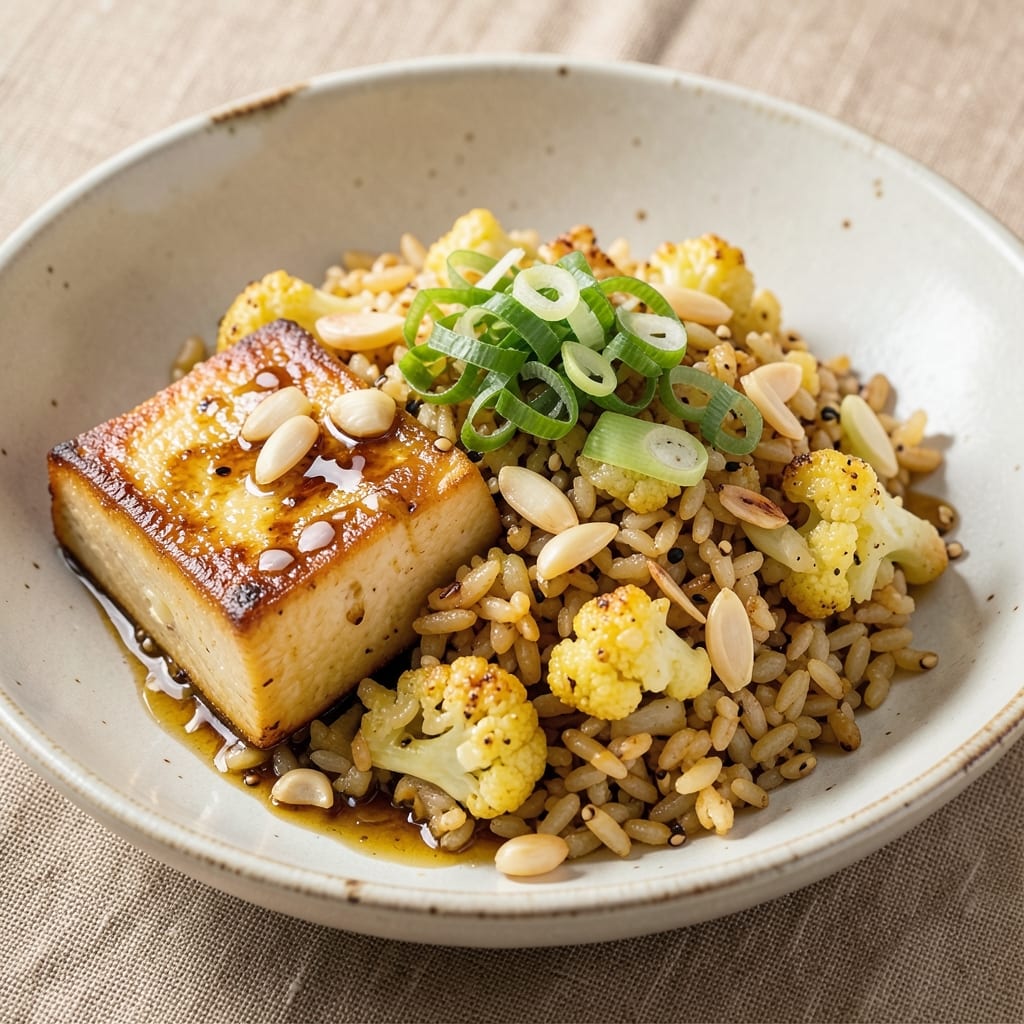
This Asian cauliflower fried rice recipe transforms a simple vegetable into a savory, textured centerpiece that rivals traditional versions—without the carbs. 🌱 The secret lies in perfectly stir-frying riced cauliflower until it achieves that signature crunch while absorbing bold garlic-ginger aromatics and umami-packed soy sauce. I developed this after testing countless plant-based fried rice variations, and this one delivers restaurant-quality results in just 25 minutes—ideal for weeknight dinners or meal prep.
The beauty of this recipe is its flexibility: use it as a standalone vegan main or add protein like crispy tofu or tempeh for extra substance. The technique focuses on high-heat stir-frying to develop the cauliflower's natural sweetness while keeping it tender-crisp, then finishes with a bright splash of sesame oil and green onions. Every bite delivers that perfect balance of garlicky, ginger-spiced, and slightly sweet—just like takeout, but guilt-free.
What makes this fried rice special is how it mimics traditional textures without relying on rice. The cauliflower absorbs the savory sauce while maintaining its own satisfying bite, creating a dish that's both familiar and innovative. Serve it with a side of miso soup or edamame for a complete meal that's packed with flavor and nutrition. The best part? It reheats beautifully, making it perfect for lunches all week.
For those watching their carb intake or simply craving something different, this recipe proves plant-based meals can be just as satisfying as their traditional counterparts. The aromatic garlic-ginger base builds layers of flavor that keep you coming back for more, while the crisp-tender cauliflower provides that essential fried rice texture. Let's get cooking—your taste buds (and waistline) will thank you.
Ingredients for asian cauliflower fried rice
Cauliflower, garlic, ginger, and tofu—these ingredients create restaurant-style fried rice in minutes!
| Ingredient | Amount | Notes |
|---|---|---|
| Fresh Cauliflower 🥬 | 6 cups | Riced fresh for texture |
| Extra-Firm Tofu 🍱 | 1 lb | Pressed, cubed for protein |
| Garlic Cloves 🧄 | 6 cloves | Minced for aromatic base |
| Fresh Ginger 🌿 | 2 tbsp | Grated, finely for zing |
| Low-Sodium Soy Sauce 🍶 | ½ cup | For umami depth |
| Sesame Oil 🫒 | 1 tbsp | Toasted for nutty finish |
| Green Onions 🧅 | ¼ cup | Thinly sliced, fresh |
| Vegetable Oil 🫒 | 3 tbsp | High smoke point preferred |
| White Rice Vinegar 🍶 | 1 tbsp | Brightens flavors |
| Sesame Seeds 🌾 | 1 tbsp | Toasted for crunch |
| Salt 🧂 | 1 tsp | Adjust to taste |
| Black Pepper 🌶️ | ½ tsp | Freshly ground |
| Sriracha 🔥 | 1 tbsp | Optional for heat |
| Scallions 🧅 | ¼ cup | Extra for garnish |
The cauliflower is the star, so pick a fresh head—the florets should be tight and vibrant. Trader Joe's and Whole Foods carry pre-riced cauliflower, which saves time, but fresh riced gives the best texture. For the tofu, extra-firm is non-negotiable—press it for 20 minutes to remove excess water. The garlic and ginger should smell bright and fresh; Penzeys or bulk bins at natural markets have the best quality. I always double-check my soy sauce for low-sodium—regular can be too salty for this dish.
No fresh ginger? Powdered works at half the amount, but it lacks that fresh zing. Out of sesame oil? Avocado oil is a great neutral substitute, though it won't have the same toasted flavor. The scallions and green onions are interchangeable—use whatever you've got. For extra protein, add crispy chickpeas or tempeh at the end. And if you're feeling bold, swap the soy sauce for coconut aminos—it's sweeter and adds a different depth. The sriracha is totally optional, but trust me on the toasted sesame seeds—they add that perfect crunch.
Store leftovers in airtight containers for 4-5 days—it reheats beautifully. For meal prep, divide into portions and freeze for up to 3 months. The tofu and cauliflower hold up well, but the green onions get wilted, so always add fresh ones when reheating. I like to make a big batch on Sundays and use it for lunches all week—just toss in a little extra sesame oil when reheating to keep it crispy.
Why You'll Love This Recipe
- No Rice, No Problem: I swear by this when I’m out of rice or just want something lighter—cauliflower’s mild crunch holds up perfectly to the chewy tofu and crispy garlic. Honestly, the texture surprise makes it feel like a whole new dish, not just a substitute.
- Umami Bomb: That low-sodium soy sauce and fresh ginger? It’s the secret weapon here. The ginger’s zing cuts through the tofu’s richness while the garlic cloves sizzle into something deeper than takeout could ever promise. Not to mention, the cauliflower soaks up all the flavor like a sponge.
- Lunchbox Hero: Between us, this is my go-to for packed lunches—it reheats like a dream and keeps its texture for days. I’ll often double the batch on Sundays and toss in whatever veggies I have lurking in the fridge. My kid still asks for it even when I forget to pack a sauce packet.
- Budget Meal Magic: Cauliflower and tofu are my wallet’s best friends, and this recipe stretches them into something that feels fancy. I’ll be real: the first time I made it, I thought it’d taste bland, but the garlic and ginger make it feel indulgent without the grocery bill. Plus, leftovers taste just as good cold the next day.
Step-by-step instructions for Asian cauliflower fried rice
Here's how to transform simple ingredients into a restaurant-worthy dish with bold flavors and satisfying crunch.
🍳 Step 1: Prep the Cauliflower and Tofu
Start by ricing the 6 cups fresh cauliflower using a food processor fitted with the shredding disc. Pulse until you achieve rice-sized pieces—think about ½-inch diameter for that perfect fried rice texture. Transfer to a clean kitchen towel and squeeze out all excess moisture. This step is crucial because watery cauliflower rice will turn your dish into a soggy mess.
While the cauliflower drains, press the 1 lb extra-firm tofu between two paper towels for 10 minutes using a heavy object like a cast-iron skillet. Cut the pressed tofu into ½-inch cubes—uniform size ensures even cooking. The pressing removes moisture that would otherwise steam your tofu instead of browning it beautifully. Keep both prepped ingredients at room temperature while you build the flavor base.
🔥 Step 2: Build the Garlic-Ginger Foundation
Heat 3 tablespoons vegetable oil in a 14-inch skillet or wok over medium-high heat until shimmering. Add the 6 cloves minced garlic and 2 tablespoons grated fresh ginger, stirring constantly for 30-45 seconds until fragrant but not browned. Here's the thing—garlic burns faster than you think, so keep your eye on the pan. The aroma should fill your kitchen like a warm hug from a bustling Asian street market.
Push the aromatics to one side of the pan and add the tofu cubes in a single layer. Let them sear undisturbed for 2-3 minutes until golden brown on the bottom. Flip carefully and repeat on the other side. The tofu should develop a crispy exterior while staying tender inside. Remove the tofu with a slotted spoon and set aside—it's ready to rejoin the party later.
🥘 Step 3: Cook the Cauliflower Rice
In the same pan (no need to wipe it clean—those flavorful bits are gold), add the drained cauliflower rice and stir-fry over medium-high heat for 4-5 minutes. You want the cauliflower to soften slightly while maintaining its individual pieces. If it starts sticking, add 1 tablespoon water and stir—this prevents burning while keeping the texture intact.
Pour in the ½ cup low-sodium soy sauce and 1 tablespoon white rice vinegar, stirring constantly. The vinegar brightens the dish while the soy sauce adds that essential umami depth. Cook for another 3-4 minutes until the cauliflower is tender but still holds its shape. Taste it now—the base should be savory but not overpowering. If it needs more punch, add ½ teaspoon salt or a splash more soy sauce.
🍳 Step 4: Finish with Flavor Bombs
Return the tofu to the pan along with the ½ cup thinly sliced green onions and ½ teaspoon black pepper. Stir everything together for 1-2 minutes until the green onions wilt slightly and the tofu absorbs all those delicious aromatics. Here's where the magic happens: drizzle in the 1 tablespoon sesame oil and 1 tablespoon Sriracha (if using), tossing vigorously for 30 seconds until everything is evenly coated.
Remove from heat and immediately sprinkle with 1 tablespoon toasted sesame seeds and ¼ cup chopped scallions. The sesame seeds add a nutty crunch that contrasts perfectly with the tender cauliflower, while the scallions bring freshness to balance the bold flavors. Serve immediately while the cauliflower rice is still hot—this dish doesn't wait for seconds.
Pro Tips For Making Asian Cauliflower Fried Rice
- CRUMBLE CAULIFLOWER FIRST: I learned this the hard way—chopping cauliflower into rice-sized florets and microwaving them for 3 minutes with a splash of water before stir-frying makes them actually behave like rice. Cold, dry florets just sit there while everything else burns.
- PRESS TOFU LIKE IT’S 1999: Extra-firm tofu still holds water like a sponge. Wrap it in a towel, press it between two plates for 15 minutes, then slice it thin—about ¼-inch thick. Thick slices stay soggy; thin slices get crispy edges in the wok.
- STOP CHOPPING GINGER LIKE YOU’RE IN A HURRY: Julienne that ginger—matchstick-thin strips, not minced. It cooks faster, stays vibrant, and doesn’t turn to mush. (Yes, even if you’re impatient like me.) Skip the food processor; your knife skills will thank you later.
- SAVE THE SOY SAUCE FOR LAST: Add low-sodium soy sauce after everything else is cooked—just a splash to tie the flavors. Dumping it in early makes the tofu and cauliflower turn mushy. Taste as you go; you can always add more, but you can’t un-sog the rice.
Common mistakes when making great asian cauliflower fried rice
Overcrowding the Pan
One of the biggest mistakes is adding too much cauliflower rice at once. When you overcrowd your pan, the cauliflower steams instead of stir-frying, resulting in a mushy texture. I’ve learned to work in batches—use a 14-inch wok or skillet and cook only 3 cups of cauliflower rice at a time. This ensures each piece gets that perfect sear and crisp-tender bite. 🔥
Skipping the Pressing Step
If you skip pressing the tofu, you’ll end up with soggy, unappetizing cubes that release water into your dish. I can’t stress enough how important it is to press the 1 lb extra-firm tofu for at least 10 minutes before cubing. Use a heavy object like a cast-iron skillet to apply even pressure. This step is non-negotiable for achieving that satisfying crunch.
Using Wet Cauliflower Rice
Freshly riced cauliflower releases a ton of water, which can turn your fried rice into a watery mess. Always drain the cauliflower rice thoroughly and squeeze out excess moisture with a clean kitchen towel. If you’re using pre-riced cauliflower from the store, give it a quick rinse under cold water to remove any residual starch that could make it gummy.
Burning the Garlic
Garlic burns faster than you think, and once it turns dark brown or black, it releases bitter flavors that ruin the dish. Keep your heat at medium-high and stir constantly for only 30-45 seconds. If you notice the garlic starting to darken, immediately remove it from the pan and set it aside. You can add it back in later to preserve its sweet, aromatic flavor.
Underseasoning
Many home cooks hold back on soy sauce or salt, thinking they can always add more later. But once the cauliflower rice absorbs the sauce, you can’t easily adjust the seasoning. Taste your dish as you go—especially after adding the soy sauce and vinegar—and adjust with ½ teaspoon salt or an extra splash of soy sauce if needed. Trust me, this fried rice needs bold, umami-rich flavors to shine. 💫
Not Toasting Sesame Seeds
Using store-bought sesame seeds without toasting them first means missing out on their nutty, aromatic depth. Toast the 1 tablespoon sesame seeds in a dry skillet over medium heat for 1-2 minutes until fragrant before sprinkling them on top. This simple step adds a layer of flavor that transforms your dish from good to amazing. The same goes for the sesame oil—always toast it in the pan at the end to release its full aroma.
Nutrition facts
Frequently asked questions
Can I use pre-riced cauliflower instead of fresh?
Yes, but with one important adjustment! Pre-riced cauliflower often contains more moisture, so rinse it well under cold water to remove excess starch, then squeeze out all liquid using a clean kitchen towel. This prevents your fried rice from turning soggy. For best texture, use it immediately after draining rather than storing.
How do I make this dish spicier?
For extra heat, add 1-2 tablespoons of gochujang (Korean chili paste) or ½ teaspoon of red pepper flakes when stir-frying the cauliflower. You can also increase the sriracha to 2 tablespoons or add a dash of chili crisp at the end. Start with less and adjust to taste—spice builds as it cooks!
Can I make this recipe without tofu?
Swap the tofu for ½ cup of crispy chickpeas (store-bought or homemade) or ½ cup of cubed tempeh for extra protein. For a veggie-only version, add ½ cup of bell peppers or snap peas when stir-frying the cauliflower. The dish will still be packed with flavor and texture.
Why does my cauliflower fried rice turn out mushy?
Mushy texture usually happens from overcrowding the pan or not draining the cauliflower properly. Cook in small batches (3 cups at a time) and ensure the cauliflower rice is completely dry before stir-frying. If it sticks, add just 1 tablespoon of water to deglaze, but avoid adding too much liquid later in the cooking process.
How can I make this meal prep-friendly?
This recipe reheats beautifully! Store leftovers in airtight containers for 4-5 days in the fridge. When reheating, add 1 teaspoon of sesame oil and a splash of water to the pan to restore crispiness. For freezing, divide into portions and store for up to 3 months. Always add fresh green onions and sesame seeds when serving to keep it vibrant.