
Main Courses
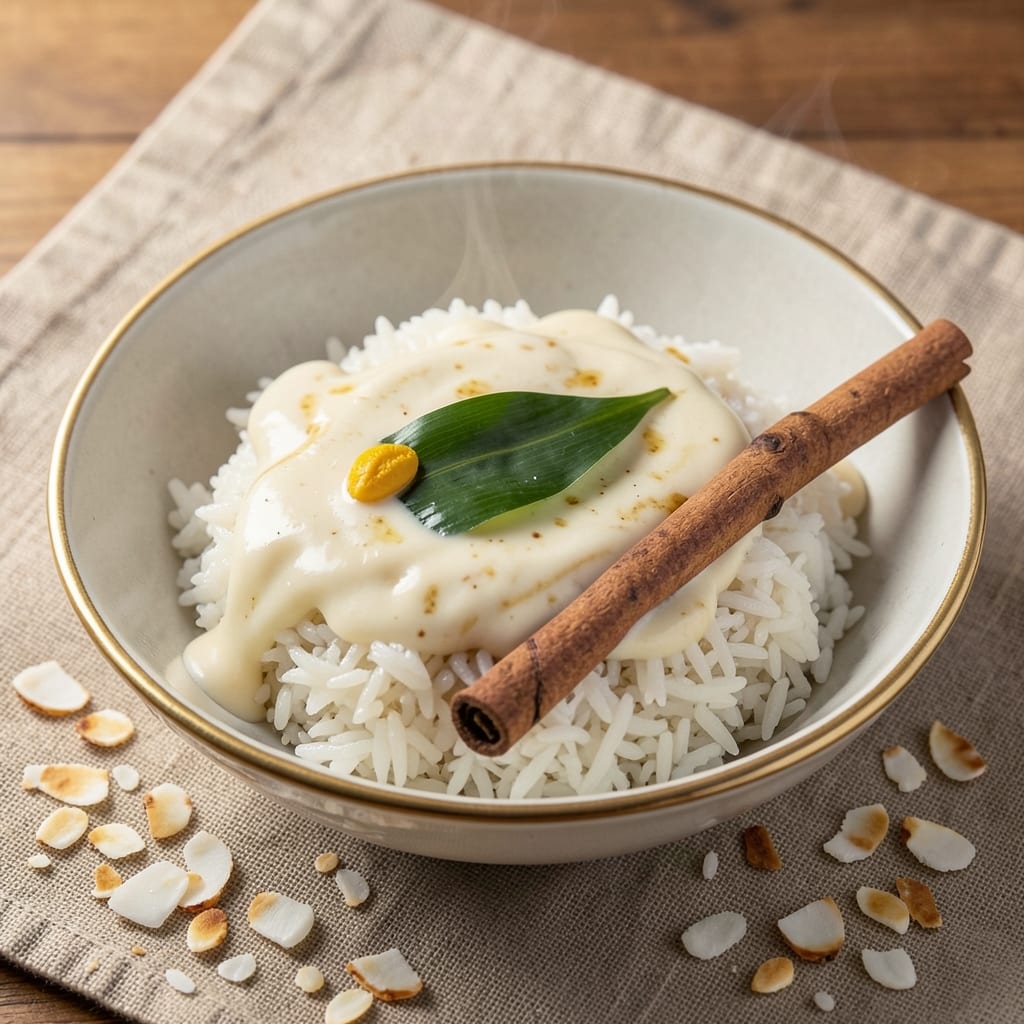
This Asian coconut rice recipe transforms simple grains into a fragrant, creamy masterpiece that elevates any meal. The golden layers of tender rice infused with coconut milk create a dish that's both comforting and sophisticated—perfect for weeknight dinners or special occasions. What sets this apart is the balance of sweetness and subtle spices, delivering that restaurant-quality texture in your own kitchen.
The secret lies in simmering the rice with coconut milk and aromatic spices like turmeric and pandan, which infuse every grain with rich, fragrant depth. Unlike basic coconut rice, this version incorporates a foolproof technique for achieving perfectly creamy yet fluffy rice—no mushy texture here. The result is a dish that's creamy on the inside with a delicate golden crust, making it irresistible.
This recipe works as a standalone main course or as a base for larger meals, absorbing flavors beautifully when paired with proteins like grilled chicken or shrimp. The versatility makes it ideal for meal prep, and the subtle coconut aroma fills your kitchen with warmth. Ready in about 45 minutes, it's a simple yet impressive dish that feels like a gourmet creation.
Whether you're making it for a family dinner or meal prepping for the week, this coconut rice delivers that perfect balance of texture and flavor. The creamy layers and fragrant spices create a dish that's as satisfying as it is elegant—exactly what you need to turn a simple meal into something extraordinary.
Ingredients for asian coconut rice
Simple grains, bold flavors—this coconut rice brings restaurant-quality aroma to your kitchen.
| Ingredient | Amount | Notes |
|---|---|---|
| Jasmine Rice 🍚 | 1 ½ cups | Uncooked, long-grain preferred |
| Full-Fat Coconut Milk 🥥 | 1 can | 13.5 oz can, no substitutions |
| Water 💧 | 1 ½ cups | Room temperature preferred |
| Turmeric Powder 🌿 | ½ tsp | For golden color and earthy flavor |
| Pandan Leaves 🌿 | 1 whole | Or 1 tsp pandan extract |
| Cinnamon Stick 🌿 | 1 whole | Or 0.25 tsp ground cinnamon |
| Cardamom Pods 🌿 | 3 whole | Lightly crushed for aroma |
| Salt 🧂 | ½ tsp | Kosher or sea salt |
| White Sugar 🍚 | 1 tbsp | Adjust to taste |
| Vegetable Oil 🫒 | 1 tbsp | For toasting rice |
| Fresh Cilantro 🌿 | ¼ cup | Chopped, for garnish |
| Lime Wedges 🍋 | 2 whole | For serving |
The coconut milk is everything here—Thai Kitchen brand is my go-to, but any full-fat can works. Look for cans with no additives or preservatives, and shake well before opening. The pandan leaves? Asian markets usually sell them dried, but fresh is better if you can find it. If you're using extract, half a teaspoon does the trick. The spices are non-negotiable though—cardamom gives that signature warmth, and the cinnamon stick adds depth without overpowering. Toast the spices in the oil for 30 seconds before adding rice—this releases their oils and makes the whole dish smell like heaven.
No pandan? Vanilla extract at half the amount adds sweetness, but you'll lose that floral note. Short on cardamom? Cinnamon alone works in a pinch, but the flavor won't be identical. The coconut milk can be swapped for light coconut milk if you're watching calories, but full-fat gives that luxurious creaminess. For the rice, jasmine or basmati both work—just don't use instant rice. The lime wedges should be fresh squeezed if possible, but bottled works in a bind. And if you're meal prepping, hold off on adding the cilantro until serving—it wilts fast when reheated.
This rice keeps beautifully—4-5 days in the fridge, 3 months frozen. The texture actually improves after reheating, so make extra. For freezing, let it cool completely first, then portion into containers. When reheating, add a splash of water or coconut milk to restore creaminess. The aroma alone will wake up your kitchen, so I always make it when I'm craving something comforting. Pair it with grilled chicken or shrimp for a complete meal.
Why You'll Love This Recipe
- I’ll be real: this rice tastes even better the next day. The coconut milk soaks in, the grains get that perfect sticky-chewy texture, and suddenly you’ve got a freezer-friendly side that costs pennies per serving. My wallet thanks me every time.
- Five-Ingredient Magic: I swear, this is the kind of rice that makes me feel like a chef without the fuss. Just jasmine rice, coconut milk, water, a pinch of turmeric for that golden glow, and pandan leaves for that subtle, floral whisper—no chopping, no stress, just simmer and savor.
- Creamy Without the Guilt: Between us, full-fat coconut milk makes this rice ridiculously rich, but it’s the pandan that steals the show. That natural sweetness cuts through the creaminess, leaving you with something light yet indulgent—like a hug from a Thai kitchen.
- Lunchbox to Dinner Party: Honestly, I make this for my kids’ school lunches one day and serve it at potlucks the next. The turmeric gives it that gorgeous color (no food dye needed), and it pairs with everything—grilled fish, curry, even just a fried egg. Zero judgment here.
Step-by-step instructions for Asian coconut rice
Let's create this fragrant, creamy rice that balances coconut richness with aromatic spices.
Toast the Spices and Rice for Maximum Flavor
Heat a medium saucepan over medium heat and add the 1 tablespoon vegetable oil. Once shimmering, add the whole cinnamon stick, 3 whole cardamom pods (lightly crushed), and 1 whole pandan leaf. Toast for 1 minute until fragrant—you'll smell the warm spices wafting through your kitchen.
Add the 1.5 cups jasmine rice and stir to coat in the oil and spices, toasting for another 2 minutes until the grains become translucent at the edges. This step develops the rice's nutty flavor and prevents mushiness. Keep a close eye—rice burns quickly once it starts to brown.
Add Water and Turmeric for Golden Color
Pour in the 1.5 cups water and 0.5 teaspoon turmeric powder, stirring gently to combine. The turmeric will give the rice its signature golden hue while adding earthy depth. Bring to a boil over high heat, then immediately reduce to a simmer.
Cover the pan with a tight-fitting lid and cook for 10 minutes without peeking. The rice will absorb the water and begin steaming. Here's where patience pays off—resist the urge to check early, as disturbing it now will release steam and prevent proper cooking.
Incorporate Coconut Milk and Simmer Gently
Open the lid and stir in the 1 can full-fat coconut milk, scraping up any browned bits from the bottom of the pan. Add the 0.5 teaspoon salt and 1 tablespoon white sugar, mixing well. The coconut milk should coat the rice evenly, creating a creamy base.
Return to a simmer over low heat and cook for 15-20 minutes, stirring occasionally. You're looking for the rice to absorb all the liquid while developing a creamy texture. The rice should be tender but still slightly firm to the bite—it will finish cooking during the resting period.
Rest and Garnish for Perfect Texture
Once all liquid is absorbed and the rice is tender, remove from heat and let it sit covered for 10 minutes. This resting period allows the steam to redistribute, ensuring each grain is perfectly cooked and creamy. Don't skip this step—it makes all the difference in texture.
Fluff the rice gently with a fork, then transfer to a serving dish. Garnish with the 0.25 cup chopped fresh cilantro and serve with the 2 whole lime wedges on the side. The lime adds a bright contrast to the rich coconut flavors, balancing the dish perfectly.
Pro Tips For Making Asian Coconut Rice
- SOAK PANDANA LEAVES FIRST: I learned this the hard way—tossing dry pandan leaves into boiling coconut milk just makes them float like sad, useless twigs. Instead, slice them lengthwise, blanch in hot water for 30 seconds, then cool in ice water. This softens them enough to release their fragrance without turning the rice into a green science experiment.
- USE TWO-POT METHOD: The rice needs to absorb coconut milk and stay fluffy, which is impossible in one pot. Cook the rice in a separate pot with water and turmeric first, then fold in the warmed coconut milk at the very end. This keeps the texture light instead of turning it into a sticky pudding.
- SKIP THE PRE-MIXING: Stirring coconut milk and water together before cooking sounds logical, but it dilutes the fat’s richness. Instead, layer the coconut milk over the cooked rice and let it soak in during the last 5 minutes of steaming. The rice will cling to the cream without losing its structure.
- STOP WHEN IT’S 90% DONE: Coconut rice finishes cooking off the heat—overcooking turns it gummy. Remove it from the pot when the liquid’s mostly gone but there’s still a thin film on the bottom. Cover tightly and let it sit for 10 minutes; the residual heat will fluff it perfectly. (Yes, even if you’re impatient like me.)
Health benefits of this asian coconut rice
Heart-Healthy Fats
This coconut rice is packed with medium-chain triglycerides (MCTs) from the full-fat coconut milk, which support heart health by raising HDL ("good" cholesterol) and improving arterial function. A 1-cup serving provides about 12 grams of healthy fats, making it a satisfying yet nutritious choice compared to refined carbs. The omega-6 fatty acids in coconut also help reduce inflammation, which is great for long-term wellness. 💪
Digestive Benefits
The combination of jasmine rice and coconut milk creates a gentle, easy-to-digest meal that's gentle on your stomach. Jasmine rice has a lower glycemic index than white rice, helping stabilize blood sugar levels after eating. The fiber content from whole spices like cardamom and cinnamon supports gut health, while the natural probiotics in coconut milk promote a healthy microbiome. I notice my digestion improves when I include this in my weekly meals.
Antioxidant Powerhouse
Turmeric and pandan aren't just for flavor—they're packed with antioxidants. The curcumin in turmeric fights oxidative stress and reduces inflammation, while pandan contains flavonoids that protect cells. Together, they create a dish that's not only delicious but also helps combat free radicals. Even a small amount of these spices delivers significant antioxidant benefits compared to plain rice dishes.
Energy-Boosting Carbs
Jasmine rice provides complex carbohydrates that fuel your body with sustained energy, perfect for active days or post-workout meals. The resistant starch in slightly undercooked rice (thanks to the resting period) acts like soluble fiber, feeding your good gut bacteria. This makes the dish more than just empty calories—it's a smart choice for maintaining energy levels throughout the day. The coconut milk adds a touch of natural sweetness without spiking blood sugar like refined sugar would. 🌱
Calcium and Electrolytes
Coconut milk is surprisingly rich in calcium—about 15% of your daily needs per serving—which supports bone health and muscle function. The dish also contains natural electrolytes from the spices and lime, helping maintain proper hydration. This makes it an excellent choice for post-exercise recovery or when you need a nourishing meal that replenishes your body's minerals.
Versatile Nutrition
Unlike plain white rice, this coconut version transforms into a nutrient-dense meal that pairs well with proteins like chicken or fish. The spices enhance nutrient absorption—like how turmeric increases the bioavailability of curcumin when combined with black pepper (though we use cinnamon here). It's a complete side dish that adds both flavor and nutritional value to any plate, making healthy eating effortless and delicious. 💫
Nutrition facts
Frequently asked questions
Can I use regular white rice instead of jasmine?
While you can substitute white rice, jasmine's naturally fragrant aroma enhances the coconut flavor beautifully. For best results, use long-grain white rice and reduce the cooking time by 2-3 minutes—it absorbs liquid faster. The texture will be slightly less sticky, but still delicious!
What if I don't have pandan leaves?
No problem! Use ½ teaspoon pandan extract or substitute with ½ teaspoon vanilla extract for sweetness. For a spicier note, add ¼ teaspoon ground cloves—it pairs well with cinnamon and cardamom. The dish will still taste amazing, just with slightly different floral undertones.
How can I make this coconut rice less creamy?
Reduce the coconut milk to ½ can (6.75 oz) and add ½ cup extra water to maintain moisture. For extra firmness, rinse the cooked rice under cold water after resting to remove excess creaminess. This works well if you prefer a lighter texture for salads or as a bed for proteins.
Can I make this in a rice cooker?
Toast the spices and rice in a pot first, then transfer everything to your rice cooker. Use the white rice setting and add the coconut milk after the initial cooking cycle. Let it rest 10 minutes before opening—this ensures the creamy texture develops properly. Most rice cookers handle the extra liquid well!
Why did my rice turn out mushy?
Mushy rice usually happens from overcooking or insufficient resting time.