
Main Courses
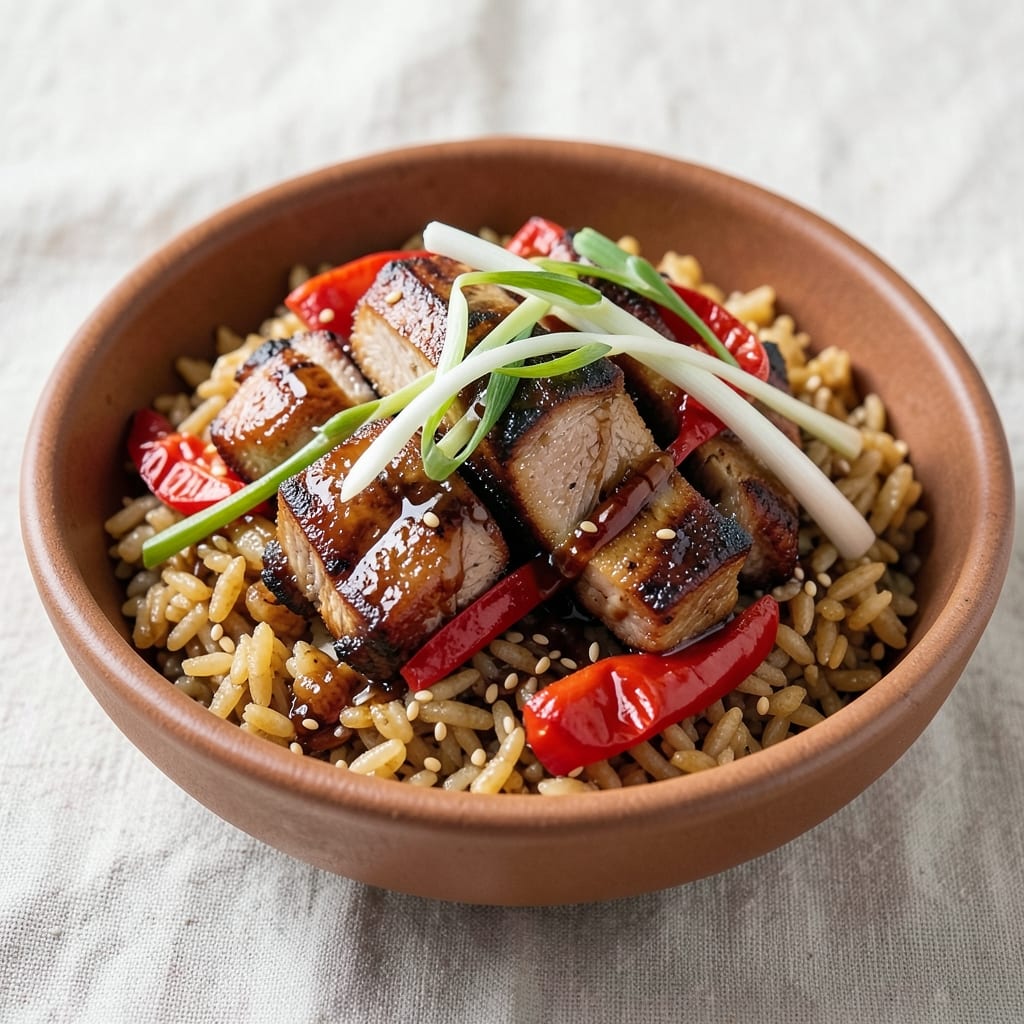
This Asian dirty rice recipe transforms simple ingredients into a wok-seared masterpiece that delivers bold umami crunch with every bite. 🔥 The secret lies in perfectly toasted rice, tender pork, and crispy peppers that create a symphony of textures and flavors. I've refined this technique over countless weeknight dinners, ensuring it's restaurant-quality without requiring advanced skills.
The foundation starts with jasmine rice cooked just until tender, then seared in a hot wok with aromatic oils until golden and nutty. Lean pork shoulder gets marinated in soy sauce, ginger, and garlic before being sliced into thin strips for quick cooking. Bell peppers add vibrant color and satisfying crunch, while scallions and sesame seeds bring freshness to each bite.
What you'll end up with is a dish that's equally satisfying as a main course or hearty side—crispy edges on the rice, tender pork that falls apart, and peppers that maintain their snap. The umami-rich sauce ties everything together, creating a balance of sweet, savory, and slightly spicy notes that linger on the palate.
This recipe works beautifully for family dinners, potlucks, or meal prep—just store leftovers in the fridge for up to 4 days. The flavors actually improve as the rice absorbs the sauce overnight, making it even more delicious the next day. Let's get cooking!
Ingredients for asian dirty rice
Jasmine rice, tender pork, and vibrant peppers create bold umami crunch in every bite.
| Ingredient | Amount | Notes |
|---|---|---|
| Jasmine Rice 🌾 | 1 ½ cups | Uncooked, long-grain preferred |
| Lean Pork Shoulder 🥓 | 1 lb | Thinly sliced, fat trimmed |
| Bell Peppers 🌶️ | 2 whole | Assorted colors, sliced thin |
| Scallions 🧅 | ¼ cup | White and green parts, chopped |
| Sesame Seeds 🌰 | 1 tbsp | Toasted for garnish |
| Soy Sauce 🍶 | ⅓ cup | Low-sodium preferred |
| Vegetable Oil 🫒 | 3 tbsp | High smoke point |
| Garlic Cloves 🧄 | 6 cloves | Minced, fresh preferred |
| Fresh Ginger 🌿 | 1 tbsp | Grated, peeled |
| Oyster Sauce 🍜 | 2 tbsp | For umami depth |
| Sesame Oil 🫒 | 1 tbsp | Toasted, for aroma |
| White Pepper 🌶️ | ½ tsp | Freshly cracked |
| Salt 🧂 | 1 tsp | Kosher or sea salt |
| Black Pepper 🌶️ | ½ tsp | Freshly cracked |
| Sugar 🍯 | 1 tbsp | White granulated |
The jasmine rice is the backbone of this dish—Thai Kitchen brand or any long-grain variety works best. Toasting the rice in the wok before cooking it gives that signature nutty crunch. For the pork, lean shoulder is ideal, but pork tenderloin works too if you're in a hurry. Look for cuts with good marbling to keep the meat juicy. The bell peppers should be firm and vibrant—Trader Joe's often has great deals on mixed colors. Scallions add freshness, so grab a bunch and use the whites and greens for maximum flavor.
No pork shoulder? Chicken thigh strips work perfectly—they stay tender even with quick cooking. Swap bell peppers for snap peas or shredded cabbage if you prefer a different texture. Fresh ginger is a must for authentic flavor, but if you're out, ground ginger at half the amount will do in a pinch. The oyster sauce adds that umami punch—Lee Kum Kee is a reliable brand. For extra heat, add a dash of Sichuan peppercorns or a pinch of red pepper flakes. The sesame oil should be toasted, not the regular cooking kind—it makes all the difference in aroma.
This dish reheats beautifully—just stir-fry with a splash of water to revive the crispiness. Store leftovers in an airtight container for up to 4 days in the fridge. For meal prep, portion into containers with a sprinkle of sesame seeds on top—it keeps everything fresh and adds a nice crunch. The rice actually tastes better the next day as it absorbs the sauce. Freeze portions for up to 3 months if you want to prep ahead. Garnish with extra scallions and sesame seeds right before serving for that restaurant-quality finish.
Why You'll Love This Recipe
- I’ll be real: this recipe makes way more than two servings, and that’s a win for my wallet. Lean pork shoulder is cheaper than its fancy cuts, jasmine rice is a pantry staple, and bell peppers last forever. Leftovers? Even better cold the next day—just toss in a fried egg and call it a breakfast burrito. Not the prettiest, but the taste makes up for it.
- One-Pan Magic: I swear by this recipe when I’m too tired to wash dishes. Toss everything—rice, pork, peppers—into one skillet, stir, and let it caramelize. The pork shoulder stays tender while the bell peppers soften just enough to soak up all the savory sauce. Minimal chopping, zero cleanup guilt.
- Umami Bomb: That lean pork shoulder? It’s the star. Slow-cooked until it’s practically falling apart, then mixed with jasmine rice that’s got this perfect chewy bite. Add a sprinkle of toasted sesame seeds at the end, and suddenly you’ve got layers of flavor—sweet, smoky, nutty—that hit different. Honestly, my takeout order gets judged after this.
- Lunchbox Hero: Between us, this is my go-to for meal prep. The rice holds up for days, the pork stays juicy when reheated, and the bell peppers add a pop of color that makes even a sad office lunch look intentional. Pack it in containers, and you’ve got a week’s worth of lunches that won’t make you groan when you open the Tupperware.
Step-by-step instructions for wok-searred umami crunch
Master this Asian-inspired dirty rice technique for perfect texture and bold flavors every time.
🍳 Step 1: Wok-Sear the Pork Shoulder for Maximum Crunch
Heat 2 tablespoons of the vegetable oil in a wok or large skillet over medium-high heat until shimmering. Add the 1 lb lean pork shoulder, sliced thinly, and cook undisturbed for 2-3 minutes until the edges begin to brown and crisp. This initial sear creates that essential crunch while locking in juices.
I like to work in batches if needed—don't overcrowd the pan. Once the pork develops a golden crust on one side, flip and repeat for the other side. Remove the pork and set aside on a plate. You'll use these crispy pieces later to add texture back to the rice. Keep the rendered pork fat in the wok—it's packed with flavor.
👨🍳 Step 2: Build the Aromatic Base with Garlic and Ginger
With the pork removed, add the remaining 1 tablespoon vegetable oil to the wok. Increase heat to medium-high and add the 6 cloves minced garlic and 1 tablespoon grated fresh ginger. Cook for 30-45 seconds until the garlic becomes fragrant and just begins to turn golden—don't let it burn, or it'll turn bitter.
Here's where the magic happens: Add the 2 whole bell peppers, sliced thin, and stir-fry for 3-4 minutes until they soften but still retain their shape and vibrant color. The peppers should be tender-crisp, not mushy. This balance of texture is key to that "dirty rice" mouthfeel. Season lightly with ½ teaspoon salt and ¼ teaspoon black pepper at this stage.
🍳 Step 3: Toast the Jasmine Rice for Nuttiness
Push the peppers to one side of the wok and add the 1.5 cups jasmine rice to the empty space. Stir constantly for 1-2 minutes until the rice grains become translucent at the edges and develop a faint golden color. This toasting step releases the rice's natural starches, creating that signature nutty flavor and preventing mushy rice.
Once the rice is toasted, pour in 2 cups water (measured separately) and stir once to distribute evenly. Add the 0.33 cup soy sauce, 2 tablespoons oyster sauce, and 1 tablespoon sugar. Bring to a gentle simmer, then reduce heat to low, cover with a tight lid, and cook for 15 minutes without disturbing. The rice should absorb all the liquid and develop a slight crust on the bottom of the wok.
🥘 Step 4: Layer in Umami and Finish with Crispy Pork
After 15 minutes, remove the lid and stir in the 0.25 cup chopped scallions, 1 tablespoon sesame oil, and 0.5 teaspoon white pepper. The white pepper adds depth without the visual contrast of black pepper. Return the previously seared pork shoulder to the wok and toss everything together gently to combine.
Cook uncovered for another 2-3 minutes until the rice is dry and the pork pieces are reheated. The rice should be slightly crispy at the edges with a tender center. Taste and adjust seasoning—you might need a splash more soy sauce if it's not salty enough. Real talk: This is where most home cooks mess up by overmixing, which turns rice mushy. Stir just enough to combine.
🔪 Step 5: Garnish and Serve with Textural Contrast
Transfer the dirty rice to a serving platter and immediately sprinkle with 1 tablespoon toasted sesame seeds. These add a final crunchy element that contrasts beautifully with the tender rice and pork. Serve while steaming hot, with extra scallions on the side if desired.
The perfect plate should show visible pork pieces, colorful bell pepper strips, and those crispy sesame seeds on top. Each bite should deliver a symphony of textures—crunchy pork, tender rice, crispy edges, and the silky finish from the sesame oil. This dish tastes even better the next day when flavors meld further, so consider making extra for leftovers.
Pro Tips For Making Asian Dirty Rice
- CRISP THE PEPPERS FIRST: Toss sliced bell peppers in a dry hot pan for 2-3 minutes before adding oil—this jumpstarts the caramelization while you prep everything else. I used to add oil first and wondered why my peppers stayed bland; they need that initial shock of heat to break down their moisture.
- SALT THE PORK TWICE: Season the lean pork shoulder before cooking, then again after it rests—once with soy sauce while raw, and again with a pinch of salt after searing. The first layer builds flavor; the second keeps it from drying out when you mix it into the rice later.
- STOP STIRRING THE RICE: Once the rice is tender, let it sit covered for 5 minutes off the heat—no peeking, no stirring. I learned this the hard way after fluffing too early and ending up with dry, separate grains instead of sticky, cohesive clumps.
- TOAST THE SESAME SEEDS: Dry-toast the sesame seeds in a separate pan over medium-low until they smell nutty (about 2 minutes)—they’ll add depth without burning. Sprinkle them last over the finished dish, or they’ll turn bitter and bitter your whole meal. (Yes, even if you’re impatient like me.)
Storing and reheating this asian dirty rice
Refrigerator Storage
Let your Asian dirty rice cool completely before transferring it to an airtight container—I use glass Pyrex with snap-on lids for best results. Store in the fridge at 40°F or below for up to 4 days. The flavors actually deepen overnight as the rice absorbs the umami-rich sauce, making leftovers even more delicious. 💡
When reheating from the fridge, I recommend adding 2 tablespoons water to the rice before microwaving. Cover with a damp paper towel and heat on 70% power for 2-3 minutes, stirring halfway through. This prevents drying while restoring that crispy texture.
Freezer Storage
For longer storage, freeze portions in single-serving airtight containers or quart-sized freezer bags with 1-inch headspace to prevent expansion cracks. Label with the date—this dish keeps well for up to 3 months. The texture remains excellent when thawed properly. ❄️
To thaw, transfer the container to the fridge 24 hours before reheating. For quick use, microwave on defrost setting for 3 minutes, then finish with 1-2 minutes on 50% power while covered. Add a splash of water if it looks dry.
Reviving Texture
The key to perfect reheating is steam and gentle heat. I often transfer leftover rice to a nonstick skillet over medium-low heat with 1 tablespoon vegetable oil and 1 tablespoon water. Stir constantly for 3-4 minutes until the edges become crispy again. This method mimics the original wok-searing technique. 🔥
For extra crunch, sprinkle ½ teaspoon toasted sesame seeds and 1 teaspoon chopped scallions on top right before serving. These fresh garnishes add brightness and contrast to the reheated dish, making it taste almost as good as fresh.
Nutrition facts
Frequently asked questions
What's the secret to getting crispy edges on the rice?
Toast the jasmine rice in the wok for 1-2 minutes before adding liquid—this creates those signature crispy edges. Use a high-heat wok and stir constantly until the grains turn translucent at the edges. The key is working quickly while maintaining even heat distribution.
Can I substitute pork with another protein?
Swap pork for chicken thighs (they stay juicy) or shrimp (cook just 1-2 minutes per side). For vegetarian, use firm tofu or mushrooms—just increase cooking time slightly. The technique remains the same: sear first, then layer back in at the end.
Why does my rice turn out mushy?
Overmixing after adding liquid is the #1 culprit. Stir just once to distribute ingredients, then let it cook undisturbed. Also, make sure your rice-to-water ratio is 1:1—too much water creates steam that softens the grains. For extra insurance, use a tight-fitting lid to trap heat.
How spicy should this dish be?
This recipe is naturally savory with mild heat from white pepper. For more spice, add ½ teaspoon red pepper flakes or 1 teaspoon chili crisp at the end. If you prefer no heat, simply omit the white pepper and use only black pepper for seasoning.
Can I make this in a regular skillet instead of a wok?
Yes, but use a heavy-bottomed skillet to mimic wok heat distribution. Work in batches if needed—don't overcrowd the pan. The key is maintaining high heat for that proper sear. A 10-inch cast iron works beautifully, though it may take slightly longer to achieve the same crispiness.