
Main Courses
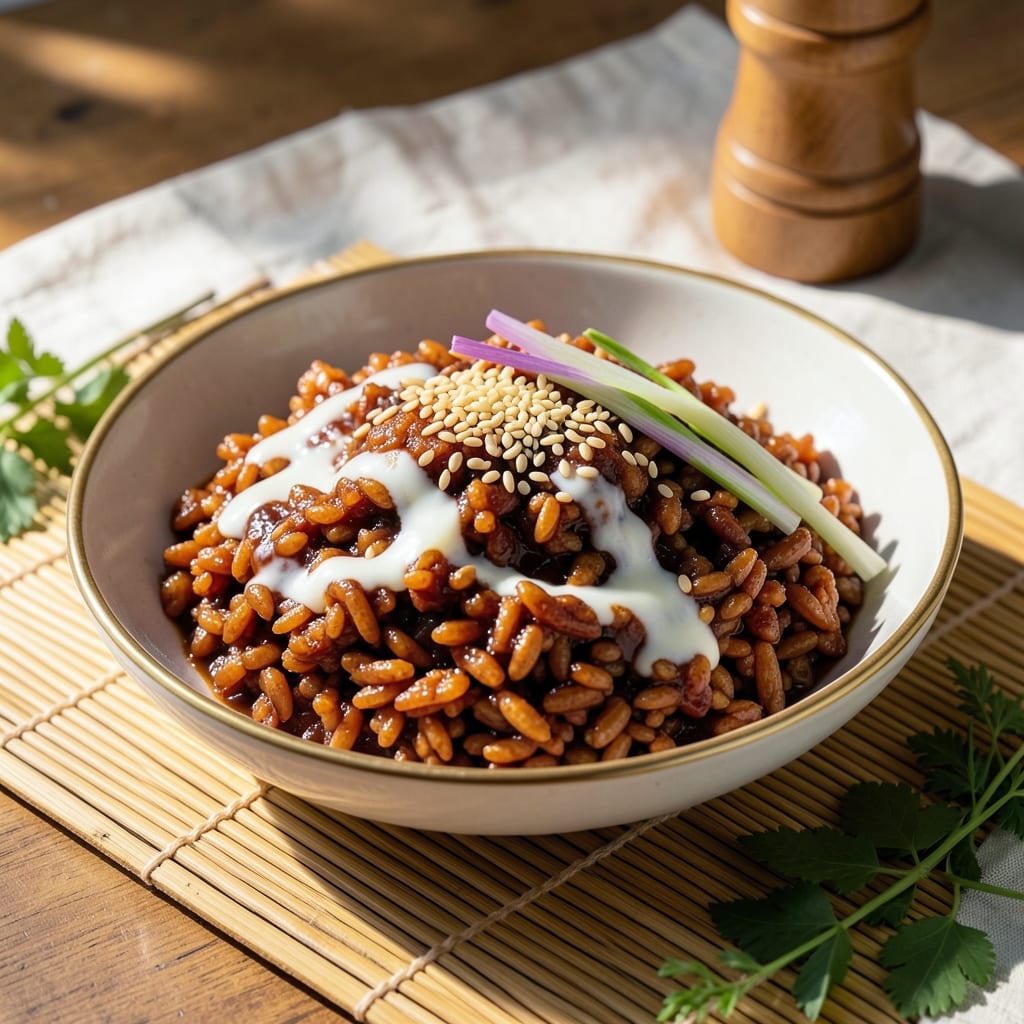
This Asian red rice recipe transforms simple jasmine rice into a vibrant, fragrant dish with just three key ingredients: turmeric, coconut milk, and a touch of salt. The secret lies in the slow cooking process that develops deep, earthy flavors while maintaining perfect texture—no mushy grains here. What makes this recipe special is how the turmeric not only colors the rice but infuses it with a gentle warmth that pairs beautifully with coconut's creamy richness.
The process is straightforward but requires patience—soaking the rice first ensures even cooking, while simmering in coconut milk creates that signature velvety texture. Unlike plain white rice, this version delivers complex flavor in every bite, with the turmeric adding both color and subtle spice. The result is restaurant-quality rice that's simple enough for weeknight meals but impressive enough for dinner guests.
What you'll end up with is perfectly cooked rice with a vibrant reddish-orange hue and a delicate balance of turmeric's earthy notes and coconut's subtle sweetness. The grains remain separate yet tender, absorbing just enough liquid to create that signature moist yet fluffy texture. This is the kind of rice that elevates any meal—whether served alongside grilled proteins, in stir-fries, or as a standalone dish with a sprinkle of fresh herbs.
While the base recipe is foolproof, you can easily customize it with optional garnishes like toasted sesame seeds, chopped cilantro, or a drizzle of chili oil. The rice keeps well in the refrigerator for up to three days, making it perfect for meal prep. Let's get started on creating this fragrant, flavorful staple that will become a regular in your rotation.
Ingredients for asian red rice
Jasmine rice, turmeric, and coconut milk create this fragrant, restaurant-quality dish with just eight ingredients.
| Ingredient | Amount | Notes |
|---|---|---|
| Jasmine Rice 🍚 | 1 ½ cups | Uncooked, long-grain preferred |
| Ground Turmeric 🌿 | 1 ½ tbsp | High-quality for vibrant color |
| Full-Fat Coconut Milk 🥥 | 1 ½ cups | Canned, no additives |
| Water 💧 | 1 ½ cups | Room temperature preferred |
| Fine Sea Salt 🧂 | ½ tsp | Adjust to taste |
| Toasted Sesame Seeds 🌰 | 1 tbsp | Optional garnish |
| Fresh Cilantro 🌿 | ¼ cup | Chopped, for garnish |
| Chili Oil 🌶️ | 1 tsp | Optional finishing touch |
The jasmine rice is the foundation—look for long-grain varieties at Asian markets or the international aisle of your grocery store. Lotus Foods or Thai Kitchen brands are reliable. Turmeric quality matters here: ground turmeric from Penzeys or the bulk section delivers the deepest color and flavor. For coconut milk, full-fat canned versions like Aroy-D or Chaokoh give the richest texture. If using light coconut milk, add an extra 0.25 cup for creaminess.
No turmeric? Curry powder at half the amount works in a pinch, though the color won't be as vibrant. Substituting coconut milk? Heavy cream or whole milk adds richness, but the earthy depth will be lost. For the sesame seeds, toast them in a dry pan for 30 seconds until fragrant—skip this step if you prefer them raw. Fresh cilantro is ideal, but dried works at one-third the amount. The chili oil can be homemade (chili flakes + oil) or store-bought like Lao Gan Ma.
Soaked rice keeps for 3 days in the fridge before cooking. Cooked red rice reheats beautifully—just add a splash of water and steam it covered. For meal prep, portion into airtight containers with a sprinkle of sesame seeds on top to preserve freshness. The rice freezes well for up to 3 months if you're planning ahead. Garnishes like cilantro or chili oil can be added fresh after reheating for maximum flavor.
Why You'll Love This Recipe
- I’ll be real: turmeric and coconut milk aren’t cheap, but a single can of coconut milk stretches to three batches of this rice. Plus, jasmine rice is cheaper than basmati, and the flavor? It’s the kind of dish that makes a $5 ingredient feel like a splurge. Worth every penny.
- Three-Ingredient Magic: I swear, this is the kind of rice that makes me question why I ever bought pre-made. Just jasmine rice, a pinch of turmeric, and coconut milk—no fancy techniques, no stress. The turmeric stains your hands, but that golden hue? Totally worth it.
- Creamy Without the Guilt: Honestly, the full-fat coconut milk makes this dish unfairly rich. It’s velvety, slightly sweet, and balances the earthy turmeric so well—no heavy cream, no butter, just pure plant-based comfort. My husband still asks where I hide the secret ingredient.
- Meal Prep MVP: Between us, this is my go-to for lunches all week. It reheats like a dream (just add a splash of water) and pairs with everything—grilled chicken, tofu, or even just a fried egg. I make a big batch Sunday, and by Wednesday, I’m still smiling.
Step-by-step instructions for Asian red rice
This method delivers vibrant, fragrant red rice with perfect texture every time.
Toast the Turmeric for Maximum Flavor
In a dry skillet over medium heat, add the 1.5 tablespoons ground turmeric and toast for 1-2 minutes until fragrant and slightly darker in color. This step enhances the earthy aroma and prevents a metallic taste that can occur with raw turmeric. Stir constantly to avoid burning—you're just warming, not cooking the spice.
Remove the pan from heat and let the turmeric cool for 2 minutes. This brief toasting transforms ordinary turmeric into the vibrant, aromatic base of our dish. The warm turmeric will infuse the rice with its signature golden hue and complex flavor profile.
Rinse and Prepare the Jasmine Rice
Place the 1.5 cups jasmine rice in a fine-mesh strainer and rinse under cold running water for 30 seconds, swirling gently with your hands. Continue rinsing until the water runs completely clear—this removes excess starch that would make the rice gummy. Drain thoroughly and return the rice to the strainer for 1 minute to evaporate any remaining surface moisture.
Transfer the drained rice to a medium bowl. The rice should look dry and separate rather than clumping together. This preparation ensures each grain cooks individually, resulting in the signature fluffy texture of Asian red rice. Don't skip this step—proper rinsing is the foundation of perfect rice texture.
Combine Rice with Coconut Milk Mixture
In a separate bowl, whisk together the 1.5 cups full-fat coconut milk, 1.5 cups water, and 0.5 teaspoon fine sea salt until completely combined. Add the toasted turmeric to this mixture and stir well to distribute evenly. The coconut milk should take on a vibrant yellow-orange hue from the turmeric.
Pour the coconut milk mixture over the prepared jasmine rice in the bowl. Using your hands or a fork, gently fold the rice until every grain is coated and the liquid is fully absorbed. This ensures even distribution of flavor and prevents any dry spots in the final dish. The rice should look uniformly moist but not soupy.
Cook the Rice to Perfect Texture
Transfer the rice mixture to a medium saucepan with a tight-fitting lid. Bring to a boil over medium-high heat, then immediately reduce heat to low. Cover the pan and simmer for 15 minutes without lifting the lid. This gentle cooking allows the rice to absorb the coconut milk mixture evenly while developing its characteristic texture.
After 15 minutes, check the rice by pressing a grain between your fingers—it should be tender but still slightly firm in the center. If it's not quite done, cover and cook for another 2-3 minutes. The rice is perfect when it's tender with a slight bite, not mushy. Avoid peeking during cooking—each time you lift the lid, you release steam that affects the cooking time.
Rest and Finish with Garnishes
Remove the saucepan from heat and let the rice sit covered for 5 minutes. This resting period allows the residual heat to finish cooking the rice and redistributes any remaining moisture. The rice will continue to steam and develop its final texture during this time.
Fluff the rice gently with a fork, then transfer it to a serving dish. Drizzle with the 1 teaspoon chili oil and sprinkle evenly with the 1 tablespoon toasted sesame seeds and 0.25 cup chopped fresh cilantro. The chili oil adds a subtle heat, the sesame seeds contribute nutty crunch, and the cilantro brings fresh brightness to balance the rich coconut and turmeric flavors.
Pro Tips For Making Asian Red Rice
- Bloom the Turmeric: Whisk the ground turmeric into the coconut milk first, then let it sit for 5 minutes before adding rice. I learned this the hard way—skipping it means you’ll end up with clumpy, uneven color instead of that rich, vibrant hue. (Yes, even if you’re impatient like me.) ---
- Use Full-Fat Coconut Milk: No shortcuts here—full-fat is non-negotiable for creamy texture and proper turmeric infusion. The lighter versions water down the flavor and make the rice taste bland. I’ve tried it; trust me, your taste buds will notice. ---
- Simmer Gently After Boiling: Once the rice is added, reduce heat to the lowest setting and cover tightly. The water should barely bubble—any more and you’ll steam the lid instead of cooking the rice. I used to crank the heat and ended up with mushy, uneven grains every time. ---
- Toast the Jasmine Rice First: Dry-toast the uncooked rice in the pot for 2 minutes over medium heat before adding liquid. This removes excess starch and prevents gummy rice. Sounds weird, but it works—your future self will thank you.
Storing and reheating this asian red rice
Refrigerator Storage
Store your cooked red rice in an airtight container within 2 hours of cooking to preserve freshness. I use glass Pyrex containers with tight-sealing lids—they maintain flavor better than plastic. Keep it refrigerated at 40°F or below for up to 3 days, though I find the texture stays best for 2 days if you're planning to reheat. The turmeric and coconut milk flavors actually deepen slightly over time, making it even more aromatic for leftovers. 🌱
Freezer Preparation
For longer storage, portion the rice into freezer-safe containers or quart-sized freezer bags, leaving 1 inch headspace for expansion. Spread a thin layer of sesame seeds on top before sealing to preserve freshness. This red rice freezes beautifully for up to 3 months—just thaw overnight in the fridge before reheating. I like to freeze it in single-serving portions for easy grab-and-go meals during busy weeks.
Stovetop Reheating
My preferred method is stovetop reheating to maintain texture. Spread the rice evenly in a non-stick skillet and add 1-2 tablespoons water per cup of rice. Cover with a lid and heat over low-medium heat for 5-7 minutes, stirring gently every 2 minutes. The steam helps restore the rice's fluffy texture while warming through evenly. If it looks dry, add another splash of water and cook for another 1-2 minutes.
Microwave Method
For quick reheating, transfer a portion to a microwave-safe dish with a splash of water (about 1 tablespoon per cup). Cover with a damp paper towel to prevent drying, then heat on medium power (50%) for 1-2 minutes. Stir halfway through, then continue heating in 30-second intervals until hot—this prevents uneven heating. The microwave works best for small portions, but I find it can make the rice slightly gummy if overdone.
Garnish Refresh
After reheating, always add fresh garnishes to brighten the flavors. Sprinkle with toasted sesame seeds (toast fresh in a dry pan for 30 seconds) and chopped cilantro just before serving. A drizzle of chili oil or a pinch of salt can also wake up the dish. The key is to add these fresh elements right before eating—they elevate the reheated rice to nearly fresh-cooked quality. ✨
Meal Prep Tips
For weekly meal prep, cook a large batch and store in individual portion containers with a small compartment for sauces or proteins. I like to keep the rice in one container and sauces (like peanut sauce or soy-ginger dressing) in separate compartments. This way, you can assemble complete meals without soggy rice. Label containers with dates—this red rice stays best when used within 3 days of cooking for optimal texture and flavor. 📅
Nutrition facts
Frequently asked questions
Why does my Asian red rice turn out mushy?
Mushy rice usually happens from overcooking or improper rinsing. Always rinse jasmine rice until the water runs clear to remove excess starch, then drain well. After cooking, let it rest covered for 5 minutes—this helps set the texture. If using a saucepan, reduce heat to low after boiling and avoid peeking while cooking.
Can I substitute coconut milk with something else?
Yes! For a lighter version, use whole milk or heavy cream—just add 1 teaspoon turmeric to match the color. For dairy-free options, try full-fat cashew cream or extra water with 1 tablespoon coconut oil. The flavor will be different but still delicious. The key is maintaining the same liquid ratio (1:1 with water).
How much rice should I make for a family of 4?
This recipe makes about 4 servings (1 cup cooked rice per person). For heartier meals, scale up to 2 cups uncooked rice—just double all other ingredients. For smaller portions, reduce to 1 cup uncooked rice and adjust liquids proportionally. Remember, rice expands about 3x when cooked!
What's the best way to make this rice more flavorful?
Add aromatics! Sauté 1 minced garlic clove and 1-inch ginger slice in coconut milk before mixing with rice. For extra depth, stir in 1 tsp fish sauce or ½ tsp smoked paprika during cooking. Garnish with fried shallots or lime zest for brightness. The turmeric already adds warmth, so balance with fresh herbs like cilantro or Thai basil.
Can I make this in an Instant Pot?
Use the same ingredients but adjust cooking time. After toasting turmeric, add all ingredients to the Instant Pot and cook on high pressure for 3 minutes. Let it natural release for 5 minutes, then fluff with a fork. The pressure method keeps grains separate better than stovetop. For extra creaminess, add ¼ cup coconut milk after cooking.