
Sauces & Condiments
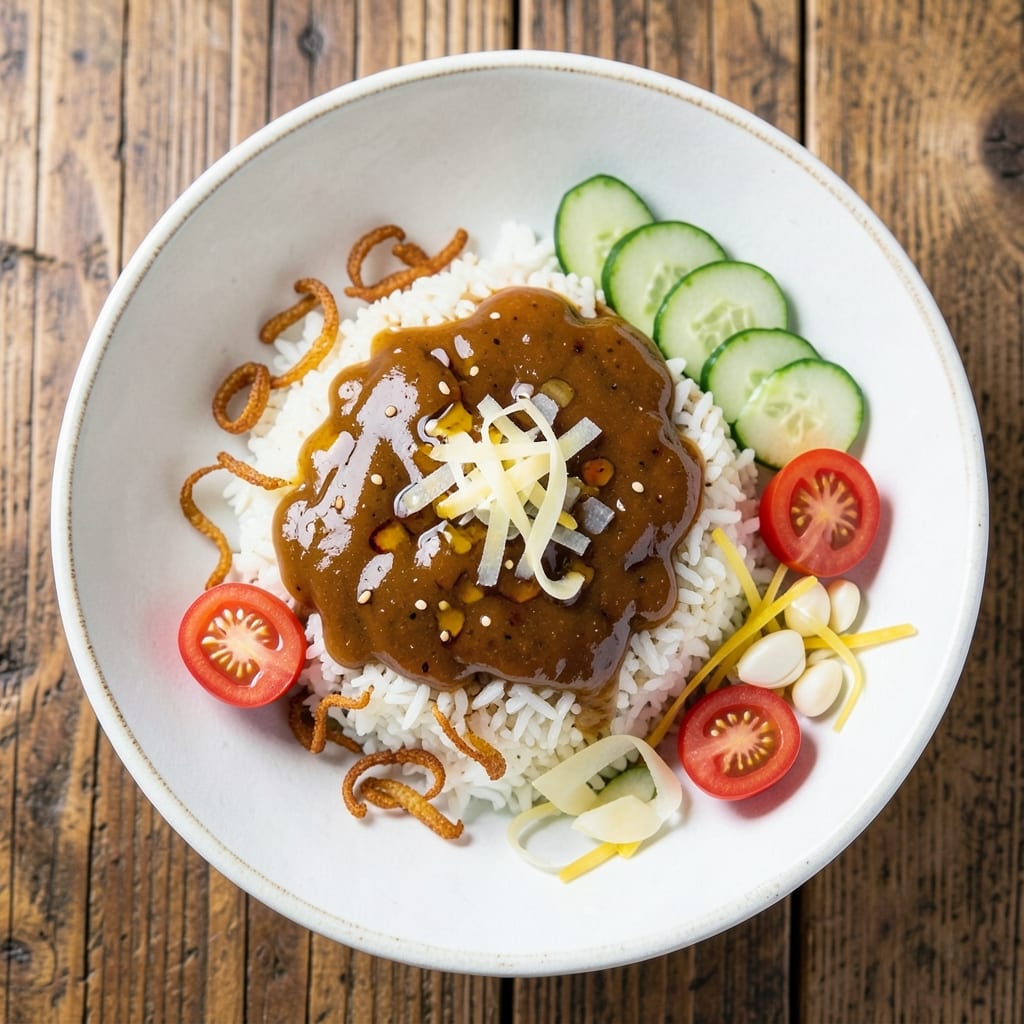
This Asian rice bowl sauce recipe transforms any meal with its deep umami flavor and velvety texture—just 10 minutes of prep, no cooking required. The perfect balance of soy, garlic, and sesame creates a versatile sauce that elevates rice bowls, noodles, or grilled proteins with restaurant-quality depth.
What sets this sauce apart is its three-layered umami profile: salty from soy, funky from fish sauce, and nutty from sesame oil. The ginger-garlic base adds warmth, while a touch of honey or sugar balances the savory notes. Store it in the fridge for up to 2 weeks, or freeze for months—ideal for meal prep or quick flavor boosts.
Ingredients for asian rice bowl sauce
Nine simple ingredients deliver restaurant-quality umami depth to any rice bowl.
| Ingredient | Amount | Notes |
|---|---|---|
| Soy Sauce 🍶 | ½ cup | High-quality light soy preferred |
| Sesame Oil 🫒 | 2 tbsp | Toasted sesame oil for aroma |
| Fish Sauce 🐟 | 2 tbsp | Red Boat preferred for quality |
| Rice Vinegar 🍶 | 2 tbsp | White or seasoned variety |
| Fresh Ginger 🌿 | 1 tbsp | Finely grated, fresh preferred |
| Garlic Cloves 🧄 | 4 cloves | Minced, fresh preferred |
| Honey 🍯 | 1 tbsp | Substitute maple syrup if vegan |
| Toasted Sesame Seeds 🥜 | 1 tbsp | For garnish and texture |
| Sesame Paste 🥜 | 1 tbsp | For creaminess and depth |
| Water 💧 | ¼ cup | Adjust for desired consistency |
The sauce's soul lies in its umami trio: soy sauce (salty), fish sauce (funky), and sesame oil (nutty). For fish sauce, Red Boat is my go-to—it's clean and potent. Sesame oil should be toasted, not the mild kind for cooking. Skip the pre-minced garlic and ginger; fresh is non-negotiable here. Rice vinegar adds brightness, so grab the white variety unless you're craving a tangier profile. The ginger should be fresh and peeled—grate it just before mixing to preserve its zing. Sesame paste is key for that creamy texture; Trader Joe's sells a great jarred version if you don't want to make your own.
No fish sauce? Vegan fish sauce or extra soy sauce works in a pinch (use 1 tbsp more). Honey can be swapped for maple syrup or agave if you're avoiding it. The sesame seeds are purely decorative, but they add a satisfying crunch—don't skip them if you're serving this immediately. Water is your consistency control; start with 1/4 cup and add more if it's too thick. For extra depth, a dash of white pepper or chili crisp can be stirred in at the end. If you're making this ahead, skip the sesame seeds until serving to keep them crisp.
This sauce keeps beautifully in the fridge for 2 weeks, sealed in a jar. The flavors actually improve as they meld. For longer storage, freeze in ice cube trays—perfect for single-use portions. Reheat gently in a small saucepan or microwave until warm. Once opened, the sesame oil may separate; just give it a quick shake before using. The sauce works with rice bowls, noodles, grilled chicken, or even as a marinade—its versatility makes it a pantry MVP.
Why You'll Love This Recipe
- I’ll be real: this sauce costs me pennies. Soy sauce, fish sauce, and ginger are all shelf-stable or cheap staples, and I stretch it across three meals without breaking the bank. Plus, it’s the kind of flavor that makes even the simplest ingredients taste like a restaurant dish.
- Pantry Magic: I swear by this sauce—no fresh herbs, no fancy prep. Just five ingredients you already have (or can grab in two minutes), and you’re golden. That first spoonful of ginger and fish sauce? It’s like a flavor bomb waiting to happen.
- Umami Bomb: Honestly, the combo of soy, fish sauce, and sesame oil hits different. It’s salty, funky, and just a little sweet—exactly the kind of balance that makes me crave rice bowls for days. The ginger adds a zing that cuts through everything.
- Lunchbox Hero: Between us, this sauce is my meal prep MVP. Drizzle it on rice, toss with veggies, or slather it on grilled chicken—it turns any bowl into a thing. And the best part? It keeps for a week in the fridge, so I’m never stuck staring at sad leftovers.
Step-by-Step instructions for Asian rice bowl sauce
This sauce delivers bold umami flavor with perfect balance—simple to make, versatile for any bowl.
Prepare Aromatics for Maximum Flavor
In a small saucepan, combine the 1 tablespoon finely grated fresh ginger and 4 cloves minced garlic over medium-low heat. Cook for 1-2 minutes until fragrant but not browned—this releases their essential oils and forms the aromatic base. Watch carefully; garlic burns quickly and turns bitter.
Here's the thing—fresh ginger and garlic make all the difference. If using pre-minced garlic, squeeze out excess moisture first with a paper towel to prevent a watery sauce. The aroma should fill your kitchen, signaling they're ready for the next step.
Build the Sauce Foundation
Add the 0.5 cup soy sauce, 2 tablespoons fish sauce, and 2 tablespoons rice vinegar to the saucepan. Stir well to combine, then increase heat to medium-high and bring to a gentle simmer. Let it cook uncovered for 3-4 minutes until the liquid reduces by about one-third and the sauce begins to thicken slightly.
This reduction concentrates the flavors and removes any raw taste from the aromatics. You'll notice the sauce darken and develop a glossy sheen—this is your visual cue that the foundation is properly developed. Don't walk away; constant stirring prevents scorching at the bottom.
Incorporate Creamy and Sweet Elements
Reduce heat to low and stir in the 1 tablespoon sesame paste and 1 tablespoon honey. The sesame paste will temporarily thicken the sauce, which is normal. Cook for another 1-2 minutes while stirring continuously until fully incorporated and smooth.
The sesame paste adds depth and creaminess that balances the acidity from the rice vinegar. If the sauce separates, simply whisk vigorously to re-emulsify. This is the moment that matters: the sauce should now have a velvety texture with a perfect harmony of sweet, salty, and umami notes.
Finish with Oil and Water
Remove the saucepan from heat and stir in the 2 tablespoons sesame oil and 0.25 cup water. The sesame oil should be added last to preserve its delicate aroma. Give it one final stir to ensure everything is evenly distributed. The sauce should now have a glossy, slightly thickened consistency that coats the back of a spoon.
If the sauce is too thick, add 1-2 teaspoons more water at a time until you reach your desired consistency. For serving, you can drizzle with a few drops of sesame oil on top or sprinkle with 1 tablespoon toasted sesame seeds for added texture and visual appeal.
Rest and Adjust to Perfection
Let the sauce rest for 5-10 minutes at room temperature. This allows all the flavors to meld together completely. Taste and adjust seasoning if needed—add a touch more soy sauce for saltiness, rice vinegar for acidity, or honey for sweetness.
This sauce keeps well in the refrigerator for up to 5 days, making it perfect for meal prep. When reheating, warm gently over low heat and add a splash of water if it thickens too much. The balanced flavors will elevate any rice bowl, from simple vegetable combinations to hearty protein dishes.
Pro Tips For Making Asian Rice Bowl Sauce
- Whisk in Stages: Start with the soy sauce and ginger first, then add fish sauce last—this keeps the sauce balanced and prevents bitterness from overpowering. I used to dump everything in at once and end up with a muddy, harsh flavor. ---
- Grate Ginger Fine: Use a microplane or the smallest holes on a box grater—you want it almost paste-like, not chunky. Once I skipped this and had to strain my sauce, which was a hassle I’d rather avoid. ---
- Taste Before Vinegar: Check the sauce’s saltiness and umami after mixing soy, fish, and ginger, but before adding vinegar—acid changes how you perceive salt. I learned this after overcorrecting with extra fish sauce because I forgot to taste first. ---
- Toast Sesame Oil Last: Warm the sesame oil separately over low heat for 30 seconds until fragrant, then whisk it in at the end—this preserves its nutty aroma instead of burning it off. Sounds fussy, but it makes a real difference.
Creative variations of these flavors
Spicy Sesame Kick
For heat lovers, add 1 teaspoon chili crisp or ½ teaspoon gochujang to the finished sauce. I like to stir it in right before serving—just enough to wake up your taste buds without overpowering. If you're using chili crisp, start with ½ teaspoon and adjust; it packs serious heat. 🌶️
Creamy Miso Twist
Swap out 1 tablespoon of soy sauce for 1 tablespoon white miso paste to create a richer, fermented depth. The miso adds a subtle earthiness that pairs beautifully with grilled meats or tofu. For best results, dissolve the miso in the ¼ cup water first before combining with the other ingredients. This variation works especially well with miso-glazed salmon or pan-seared chicken.
Sweet Chili Glaze
Add 1 tablespoon sweet chili sauce (like Maesri or Duang Khao Pao) and reduce the honey to ½ tablespoon. This creates a sticky, slightly sweet glaze perfect for drizzling over grilled pork skewers or crispy tofu. The sauce becomes thicker and more syrupy, ideal for glazing proteins before serving. 🍯
Lemon-Garlic Brightener
Increase the rice vinegar to 3 tablespoons and add 1 tablespoon fresh lemon juice for a zesty, refreshing twist. This lighter version works wonderfully with seafood rice bowls or cold noodle salads. The brightness cuts through rich ingredients like shrimp or avocado, making each bite feel fresh and vibrant. Perfect for summer meals!
Umami Bomb with Mushrooms
Blend ¼ cup finely chopped shiitake mushrooms into the sauce before cooking. The mushrooms add an extra layer of earthy umami that deepens the flavor profile. For best results, sauté the mushrooms with the ginger and garlic in Step 1 to draw out their natural sweetness. This variation is a game-changer for vegetarian bowls or mushroom-heavy dishes.
Smoky Chipotle Infusion
Add ½ teaspoon chipotle powder or 1 finely chopped chipotle pepper in adobo for a smoky, slightly spicy kick. The smokiness pairs beautifully with grilled chicken or steak, giving your rice bowl a BBQ-inspired twist. Stir it in during Step 2 when building the sauce foundation. This is my go-to for smoky Korean-inspired bowls. 🔥
Nutrition facts
Frequently asked questions
Can I make this sauce without fish sauce?
Yes! Replace the 2 tablespoons fish sauce with 1 extra tablespoon soy sauce plus 1 teaspoon soy sauce paste (like Kikkoman's) for depth. For a vegan option, use 2 tablespoons coconut aminos or vegan fish sauce. The umami will be slightly different but still delicious—just expect a milder funk.
How do I adjust the thickness for drizzling vs. dipping?
For a drizzling consistency, use the full ¼ cup water and add 1 extra teaspoon if needed. For a dipping sauce, reduce the water to 2 tablespoons and simmer uncovered for 1 extra minute to thicken. The sauce should coat the back of a spoon but still be pourable.
What's the best way to store leftovers?
Store in an airtight container in the fridge for up to 2 weeks. For longer storage, freeze in ice cube trays—thaw overnight in the fridge. The sesame oil may separate; just shake vigorously before using. Pro tip: Add a pinch of salt to frozen portions to preserve flavor.
Can I use this sauce as a marinade?
Use it as-is for tender proteins like tofu or shrimp (marinate 15-30 minutes). For tougher meats (chicken, beef), reduce the sauce by half first to avoid a mushy texture. The umami flavors will infuse beautifully—just pat dry before cooking to ensure a good sear.
Why did my sauce turn cloudy?
Cloudiness usually means the sesame oil separated. This is normal—just stir vigorously to re-emulsify. For prevention, add the sesame oil last (as in Step 4) and avoid overheating. If it's too thick, thin with 1 teaspoon water at a time. The flavor won't be affected!