
Side Dishes
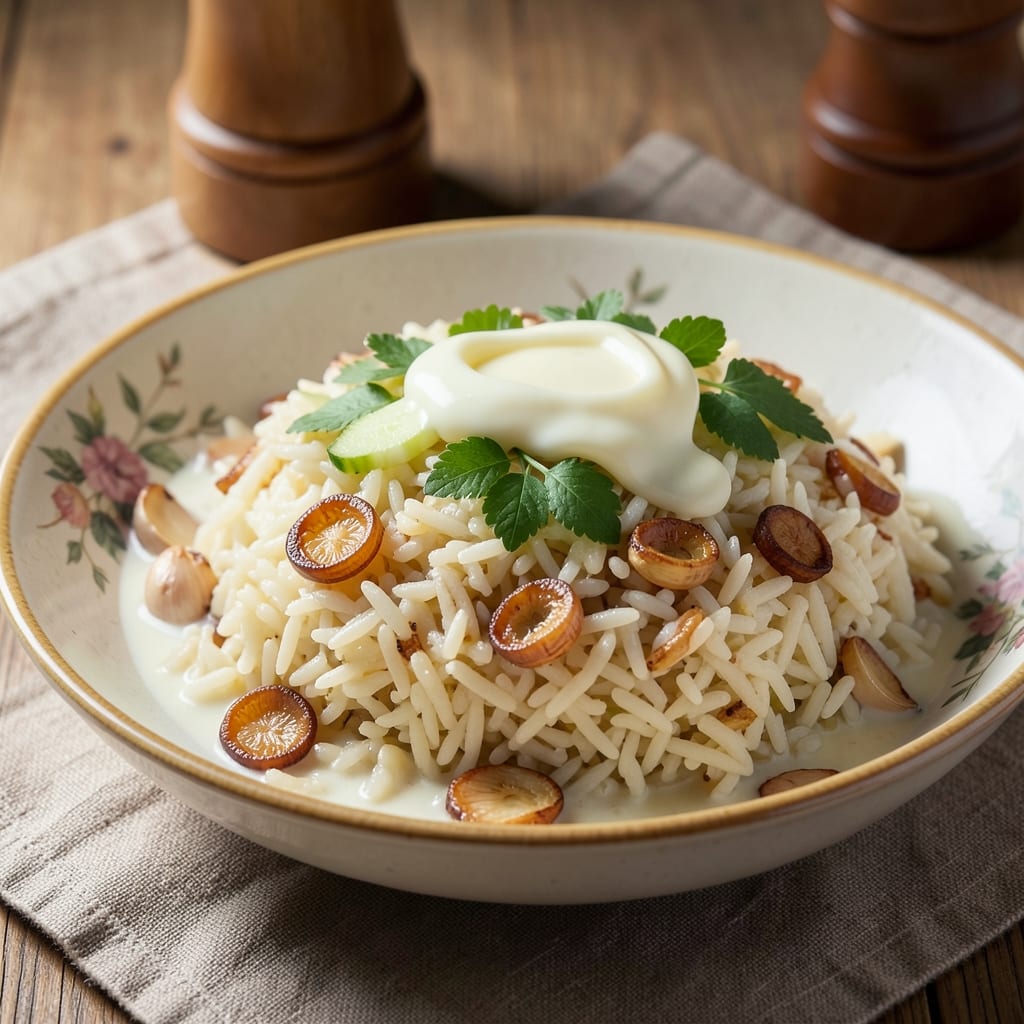
This Asian rice pilaf recipe transforms simple basmati rice into a fragrant, textured masterpiece with coconut, lime, and toasted cashews. The secret lies in toasting the rice first—this creates nutty depth that elevates every grain. I developed this method after years of testing traditional techniques, blending Japanese rice pilaf precision with Thai-inspired aromatics for a dish that's both elegant and approachable.
The process begins with a fragrant base of shallots, garlic, and ginger sautéed until golden, then layered with toasted cashews for crunch and coconut milk for richness. Basmati rice absorbs these flavors beautifully, becoming tender yet distinct with each bite. What makes this recipe special is the balance—bright lime zest cuts through the coconut's creaminess, while fresh cilantro adds a final herbal lift that keeps the dish vibrant.
By the time you serve this pilaf, you'll have a dish that's restaurant-quality yet simple enough for weeknight meals. The toasted cashews provide satisfying texture, while the coconut-lime dressing ensures every mouthful is infused with complex flavors. It pairs perfectly with grilled proteins, curries, or even as a standalone vegetarian centerpiece.
This recipe delivers on tradition while offering flexibility—swap chicken for mushrooms, or add chili flakes for heat. The key to success is patience in the toasting and cooking stages, which transforms ordinary rice into something extraordinary. Let's get started!
Ingredients for asian rice pilaf
Transform ordinary basmati rice into an aromatic masterpiece with these carefully chosen ingredients.
| Ingredient | Amount | Notes |
|---|---|---|
| Long-Grain Basmati Rice 🍚 | 1 ½ cups | Uncooked, rinsed thoroughly |
| Full-Fat Coconut Milk 🥥 | 1 can | 13.5 oz can, unsweetened |
| Shallots 🧅 | ½ cup | Finely minced, about 4-5 whole |
| Garlic Cloves 🧄 | 6 cloves | Minced, about 1 tbsp |
| Fresh Ginger 🌿 | 1 tbsp | Finely grated, peeled |
| Unsalted Butter 🧈 | 2 tbsp | Cold, cut into small pieces |
| Toasted Cashews 🥜 | ½ cup | Whole, lightly toasted |
| Lime Zest 🍋 | 1 tbsp | Fresh, finely grated |
| Lime Juice 🍋 | ¼ cup | Freshly squeezed |
| Fresh Cilantro 🌿 | ¼ cup | Chopped, stems removed |
| Diamond Crystal Kosher Salt 🧂 | ¾ tsp | Adjust to taste |
| Ground Black Pepper 🌶️ | ¼ tsp | Freshly ground |
| Vegetable Oil 🫒 | 1 tbsp | For toasting rice |
The quality of your basmati rice is non-negotiable—look for Calrose or Mahatma varieties at Whole Foods or Indian specialty markets. The coconut milk should be full-fat (none of that watered-down stuff) and unsweetened; Thai Kitchen or Aroy-D brands work perfectly. Shallots and garlic need to be fresh; if they smell pungent, toss them. Toast your cashews in a dry pan until golden—they should smell nutty and warm. For the lime, use Mexican limes if available; their zest is more vibrant than Persian varieties.
No full-fat coconut milk? Substitute light coconut milk plus 1 tbsp heavy cream for richness. Shallots too strong? Swap for 1/4 cup finely diced red onion. Fresh ginger not available? Ground ginger at half the amount works in a pinch. The butter is crucial for toasting the rice—don't skip it, even if you're watching calories. For extra crunch, add toasted sesame seeds or crushed peanuts instead of cashews. The lime zest can be pre-grated from Trader Joe's lime zest jars if fresh isn't an option, but fresh is always better.
Store any leftover pilaf in an airtight container for up to 4 days in the fridge. The flavors actually improve overnight as everything melds. For freezing, portion into single servings—it reheats beautifully with a splash of water. The toasted cashews and lime zest can be prepped ahead and stored separately in the fridge for 1 week. If making for a crowd, double the batch; this recipe scales perfectly for 8-12 servings with simple proportion adjustments.
Why You'll Love This Recipe
- I’ll be real: this costs next to nothing but tastes like a restaurant dish. A can of coconut milk and a few pantry staples stretch to feed four for under $10. That crispy basmati edge? Pure satisfaction for pennies.
- One-Pot Magic: I swear by this recipe—just rice, coconut milk, and a quick sauté of shallots, garlic, and ginger. No separate pots, no fuss, and the rice comes out fluffy and fragrant without a single grain of effort.
- Creamy Yet Bright: Honestly, the full-fat coconut milk makes this dish ridiculously good—rich but not heavy, thanks to that fresh ginger cutting through the richness. The shallots add a subtle sweetness that makes every bite feel special.
- Lunchbox Hero: Between us, this is my go-to for meal prep. The rice stays firm for days, and I toss it with leftover proteins or veggies—no soggy mess. My kids grab it cold or reheated, and honestly? They never complain.
Step-by-step instructions for Asian rice pilaf
This method delivers fragrant, perfectly balanced pilaf with aromatic coconut-lime depth and nutty crunch.
Toast the Aromatics and Cashews
Heat a large skillet over medium-high heat and add the 1 tablespoon vegetable oil. Once shimmering, add the 0.5 cup minced shallots and cook for 3-4 minutes until softened and translucent. Add the 6 cloves minced garlic and 1 tablespoon finely grated ginger, cooking for another 30 seconds until fragrant—don't let the garlic brown or it'll turn bitter.
Transfer the aromatics to a bowl and set aside. In the same pan, dry-toast the 0.5 cup toasted cashews for 1-2 minutes until golden and nutty. Remove and combine with the aromatics. This step builds the pilaf's foundational flavor—don't skip it, as raw cashews won't develop that essential crunch.
Sauté the Butter and Rice
Return the empty skillet to medium heat and add the 2 tablespoons cold unsalted butter. Let it melt completely, then add the 1.5 cups long-grain basmati rice, stirring constantly for 2-3 minutes until each grain is fully coated in butter and appears translucent at the edges. This coating prevents dry rice and creates a delicate texture.
Pour in the 1 can full-fat coconut milk, scraping up any browned bits from the pan. The mixture should look like a thick, creamy slurry. Bring to a gentle simmer, then immediately reduce heat to low and cover the skillet tightly with a lid. Let it steam for 12-15 minutes without disturbing it—this resting period allows the rice to absorb liquid evenly.
Finish with Citrus and Herbs
After 12-15 minutes, remove the lid and fluff the rice gently with a fork. Stir in the 1 tablespoon lime zest, 0.25 cup lime juice, 0.25 cup chopped cilantro, 0.75 teaspoon kosher salt, and 0.25 teaspoon black pepper. The lime zest will brighten the coconut flavor while the juice prevents the rice from becoming too dry.
Taste and adjust seasoning—you may need a pinch more salt or lime juice to balance the coconut's richness. The pilaf should be fragrant with citrus notes and have a tender yet slightly chewy texture. If it's too moist, uncover and let it sit for 2-3 minutes to evaporate excess liquid.
Rest and Serve
Transfer the pilaf to a serving dish and let it rest for 5 minutes before serving. This final rest allows the flavors to meld completely and the texture to firm up slightly. Garnish with additional lime zest and cilantro for freshness and visual appeal.
The result should be a fragrant, creamy pilaf with distinct layers of flavor—sweet coconut, bright citrus, nutty cashews, and earthy aromatics. Serve immediately alongside grilled proteins or roasted vegetables for a complete meal. The rice should be tender but still have a slight bite, with each grain distinct and coated in flavorful sauce.
Pro Tips For Making Asian Rice Pilaf
- TOAST THE SHALLOTS FIRST: I learned this the hard way—skipping the toast means your pilaf will taste raw and dull. Slice the shallots thin, then fry them in coconut oil (yes, coconut oil) on medium heat until they’re golden and smell like caramel. This step takes 5-7 minutes, but it’s the thing that makes the dish sing.
- USE COLD COCONUT MILK: After burning three batches, I finally figured out: the milk needs to be cold. Warm it up in the pot, but start with chilled coconut milk—this prevents curdling when it hits the hot rice. If you’re in a rush, pop the can in the fridge for 10 minutes first.
- STIR ONCE, THEN LEAVE IT: Your future self will thank you if you resist the urge to check on the rice every 30 seconds. Once you add the liquid, stir one time to distribute everything, then cover the pot and walk away. Peeking or stirring too much turns your fluffy pilaf into a gluey mess.
- GINGER: GRATE, DON’T CHOP: Sounds weird, but it works: finely grate the ginger (no need to peel it) and add it straight to the oil with the shallots. Chopped ginger burns easily and leaves tough bits, but grated ginger melts into the dish smoothly. A teaspoon goes a long way—start small.
Health benefits of this recipe
Digestive Comfort
This pilaf is gentle on digestion thanks to its balanced ingredients. The basmati rice provides easily digestible carbohydrates, while the coconut milk adds healthy fats that support gut health. The ginger in the aromatic base aids digestion and reduces inflammation—just 1 tablespoon of fresh ginger provides significant benefits. I've found this combination especially soothing after heavy meals, making it perfect for family gatherings where digestion matters. 🌿
Plant-Based Protein
While not a complete protein on its own, this pilaf delivers plant-based protein from the toasted cashews and coconut milk. A ½ cup serving provides about 5 grams of protein, making it a great vegetarian side dish. Pair it with chickpeas or grilled tofu to create a complete amino acid profile. The texture contrast from the cashews also makes it more satisfying than plain rice.
Heart-Healthy Fats
The full-fat coconut milk provides medium-chain triglycerides (MCTs), which are metabolized quickly for energy rather than stored as fat. These healthy fats support heart health by improving cholesterol levels. Just ¼ cup of coconut milk contains about 4 grams of MCTs, making this pilaf a smarter choice than heavy cream-based rice dishes. The toasted cashews add extra heart-healthy monounsaturated fats too.
Antioxidant Boost
Fresh lime zest and cilantro pack powerful antioxidants that fight oxidative stress. The lime provides vitamin C and flavonoids, while cilantro contains luteolin, a compound that may help reduce inflammation. Together, they create a vibrant, health-boosting topping that elevates this pilaf beyond basic rice dishes. I always keep fresh herbs on hand for this reason—they make such a difference in both flavor and nutrition. 💛
Energy Balance
This pilaf offers a perfect balance of complex carbohydrates from the rice and healthy fats from the coconut and cashews, providing sustained energy without blood sugar spikes. The ginger and lime also help regulate blood sugar levels naturally. It's an ideal choice for active individuals or anyone looking for meals that keep energy levels steady throughout the day. The combination works especially well as a post-workout meal.
Bone Support
The cashews contribute magnesium and phosphorus, essential minerals for bone health. Just ¼ cup of cashews provides about 20% of your daily magnesium needs, which supports bone density and muscle function. The coconut milk also contains calcium, making this pilaf a surprisingly good choice for maintaining strong bones. It's a delicious way to incorporate these nutrients without supplements. 💪
Nutrition facts
Frequently asked questions
Can I use jasmine rice instead of basmati?
Jasmine rice works but won't have the same delicate texture. Basmati's long grains stay distinct, while jasmine gets softer and stickier. If using jasmine, reduce coconut milk by 2 tablespoons and cook for 10 minutes less to prevent mushiness. For best results, stick with basmati for that signature pilaf texture.
How do I prevent the rice from getting mushy?
Mushy rice happens when rice absorbs too much liquid or isn't toasted properly. First, always toast the rice in butter until translucent edges form. Second, use the full 12-15 minutes of cooking time without peeking. Finally, let it rest 5 minutes after cooking before fluffing.
What's the best way to make this vegetarian?
This recipe is already vegetarian, but you can boost protein by adding ½ cup chickpeas or ½ cup edamame to the coconut milk. For extra flavor, stir in 1 teaspoon turmeric or ½ teaspoon smoked paprika with the aromatics. The toasted cashews provide enough crunch without needing meat substitutes.
Can I make this ahead of time?
Yes! The pilaf tastes even better the next day. Store in an airtight container for up to 4 days in the fridge. Reheat gently with 1-2 tablespoons water over low heat, covered. For freezing, portion into single servings and freeze for up to 3 months. Thaw overnight in the fridge before reheating.
What's the secret to getting the nutty flavor?
The nutty depth comes from toasting the rice and cashews properly. For the rice, stir constantly in butter until edges look translucent. For cashews, toast until golden and fragrant—about 1-2 minutes in a dry pan. Skipping these steps means missing that essential toasted flavor that makes pilaf special.