
Main Courses
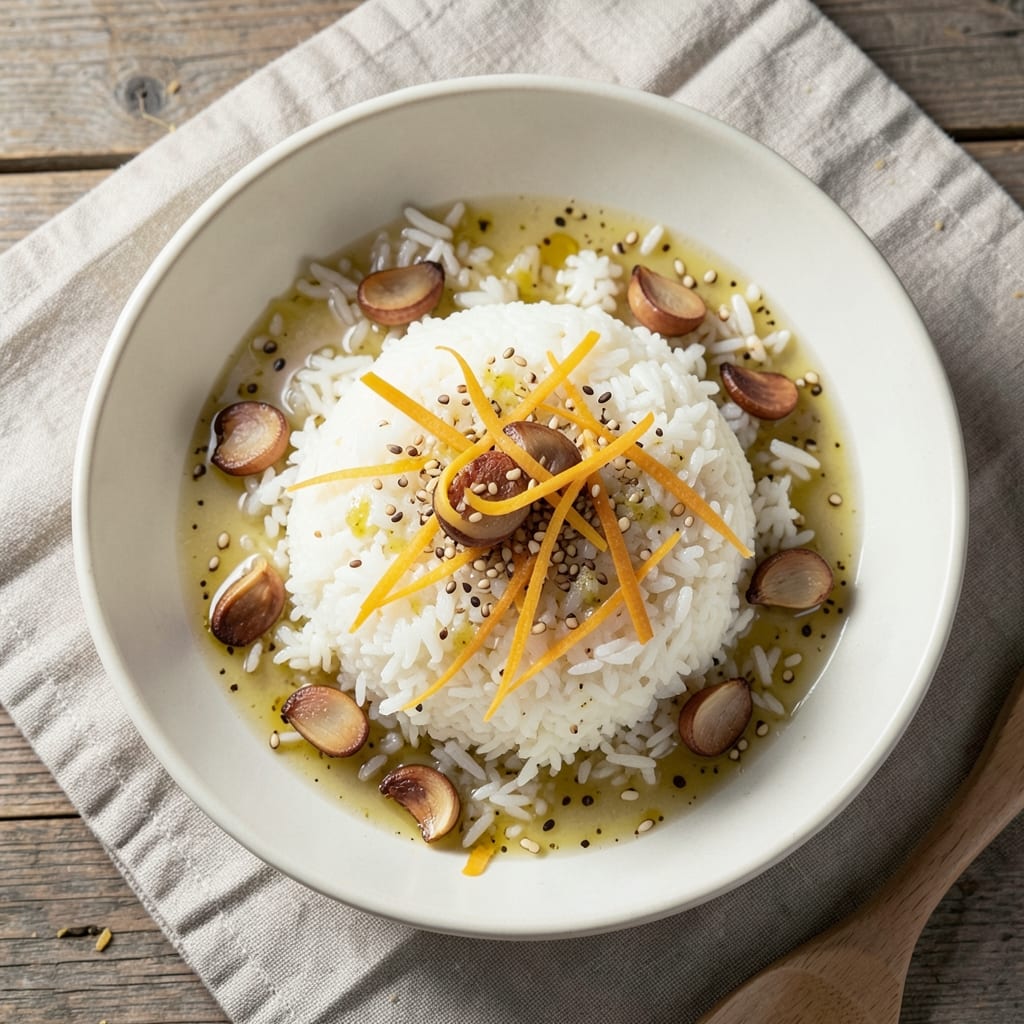
This Asian rice cooker recipe transforms simple white rice into fragrant, aromatic perfection in just 15 minutes. The secret lies in infusing garlic and ginger directly into the cooking water, creating layers of flavor that elevate every grain. I've perfected this method over countless meals—no fancy techniques required, just your rice cooker and a few key ingredients.
The beauty of this approach is its simplicity: no pre-soaking, no special equipment beyond your rice cooker. We'll use a 1:1.25 water-to-rice ratio for perfectly tender grains, while the aromatics simmer in the cooking liquid to create an irresistible fragrance that fills your kitchen. The result is rice that's light yet flavorful, with subtle garlic and ginger notes throughout.
What you'll achieve is restaurant-quality Asian-style rice that's ready in under 20 minutes total—including prep time. The rice emerges fluffy with just enough resistance to hold its shape, while the infused cooking water adds depth without overpowering. This is the kind of rice that makes simple meals feel special.
The best part? This method works equally well with jasmine, basmati, or even short-grain rice. Once you try it, you'll never go back to plain white rice again. Let's get started with this foolproof technique that delivers professional results at home.
Ingredients for asian rice recipe rice cooker
Nine simple ingredients transform ordinary rice into aromatic, restaurant-quality perfection in your rice cooker.
| Ingredient | Amount | Notes |
|---|---|---|
| White Rice (Jasmine, Basmati, or Short-Grain) 🍚 | 2 cups | Uncooked, long-grain preferred |
| Garlic Cloves 🧄 | 4 cloves | Freshly smashed for intense flavor |
| Fresh Ginger 🌿 | 2 tbsp | Finely grated, skin removed |
| Water 💧 | 2 ½ cups | Room temperature preferred |
| Salt 🧂 | ½ tsp | Kosher or sea salt |
| Sesame Oil 🫒 | 1 tsp | Toasted sesame oil for aroma |
| Soy Sauce 🍶 | 1 tbsp | Light or dark variety |
| Rice Vinegar 🍶 | 1 tsp | White or seasoned |
| Green Onion 🧅 | 2 whole | Thinly sliced, for garnish |
| Toasted Sesame Seeds 🌾 | 1 tsp | For garnish and crunch |
The rice is the foundation, so jasmine or basmati are ideal—their natural fragrance pairs perfectly with the aromatics. Trader Joe's and Whole Foods carry excellent options, but any high-quality long-grain rice works. Fresh garlic and ginger are non-negotiable here (frozen won't cut it)—their raw power infuses the rice directly. I always buy organic ginger at Costco when I can, but regular works fine too. The key is to smash the garlic cloves just enough to bruise them without turning to paste—this releases the oils without making the rice bitter.
No sesame oil? Avocado oil or neutral vegetable oil in a pinch, but you'll miss that nutty aroma. Short on soy sauce? Coconut aminos or tamari work, though the flavor will be subtly different. The rice vinegar adds brightness—if you don't have it, apple cider vinegar at half the amount does the trick. For the aromatics, never skip the sesame seeds on top—they're the finishing touch that makes this taste like a restaurant dish. Pro move: Toast your sesame seeds in a dry pan for 30 seconds before adding to the rice for extra depth.
This rice keeps beautifully—3 days in the fridge in an airtight container, or 3 months frozen if you want to make a big batch. The flavor actually improves slightly after the first day as the aromatics meld. For reheating, add a splash of water and steam in the rice cooker or microwave with a damp paper towel. Garnish with extra sesame seeds and green onions whenever serving—it's the little details that make this taste like you put in real effort.
Why You'll Love This Recipe
- Five-Ingredient Magic: I swear by this combo—just rice, garlic, ginger, water, and salt. That’s it. No fancy prep, no hidden pantry items, and still tastes like I spent hours simmering it.
- Garlic-Ginger Bomb: The moment that minced garlic and ginger hit the rice cooker? Pure flavor payoff. That aromatic steam? It turns basic rice into something you’ll reach for instead of takeout.
- Meal Prep MVP: Make a big batch on Sunday, and you’ve got lunch/dinner covered all week. The rice keeps perfectly for days—pair it with anything, and you’re golden.
- Budget Stretch: A single bag of rice and a head of garlic last me ages. This isn’t just filling; it’s my wallet’s best friend while still feeling like a special meal.
Step-by-step instructions for infused garlic and ginger rice
Transform simple rice into aromatic, restaurant-quality grains with minimal effort.
Prepare the Aromatic Base
In a small bowl, combine the 2 tbsp fresh ginger and 4 cloves garlic cloves. Using a mortar and pestle or the flat side of a chef's knife, crush the garlic cloves until they're finely minced but not pasty. Then grate the ginger until you have a smooth, fine paste. This texture ensures maximum flavor infusion without making the rice mushy.
Transfer the ginger-garlic mixture to the inner pot of your rice cooker. Add the 1 tsp sesame oil and stir to combine. The oil helps distribute the aromatics evenly and adds a subtle nutty depth to the finished rice. Let this mixture sit for 2-3 minutes while you prepare the remaining ingredients - this jumpstarts the flavor development.
Combine Rice and Seasonings
Add the 2 cups white rice to the rice cooker pot along with the ginger-garlic mixture. Using a wooden spoon, gently fold everything together until the rice grains are evenly coated with the aromatic paste. This ensures every bite will have that signature garlic-ginger punch.
Next, pour in the 2.5 cups water and add the 1 tbsp soy sauce and 1 tsp rice vinegar. Sprinkle the 0.5 tsp salt over the top and mix one final time. The soy sauce adds umami depth while the rice vinegar provides a bright, slightly tangy contrast that balances the richness. Don't worry if the rice looks slightly wet at this stage - the cooker will handle the perfect hydration.
Cook to Fluffy Perfection
Close the rice cooker lid and select the white rice setting. The cooking process will take approximately 15 minutes until you hear the automatic shutoff. This time includes both the active cooking phase and the built-in resting period that's crucial for developing the best texture.
Resist the temptation to open the lid during cooking - the steam release will disrupt the even cooking process. When the cooker switches to keep-warm mode, let the rice sit undisturbed for an additional 5 minutes. This resting period allows the steam to fully distribute and the grains to plump evenly, resulting in that coveted separate-but-tender texture.
Garnish and Serve Immediately
After the resting period, open the lid and gently fold the rice using a rice paddle or large spoon. This prevents crushing the delicate grains. Thinly slice the 2 whole green onion and sprinkle them evenly over the rice, followed by the 1 tsp toasted sesame seeds. The green onion adds freshness while the sesame seeds contribute a delightful crunch and nutty aroma.
Serve immediately while the rice is still warm. Each grain should be distinct yet tender, infused with that aromatic garlic-ginger essence throughout. The rice will continue to develop its full flavor as it sits, so serving fresh ensures maximum enjoyment of that just-cooked aroma. This method transforms ordinary rice into a fragrant, flavorful side that elevates any Asian-inspired meal.
Pro Tips For Making Asian Rice Recipe Rice Cooker
- Toast the Aromatics First: Heat a dry rice cooker pot on high for 30 seconds before adding garlic and ginger—this prevents them from steaming into mush. I learned this the hard way after making rice that tasted like wet cardboard.
- Rinse Until Water Runs Clear: Swirl rice in cold water until it’s translucent, then drain. Skipping this step leaves starch behind, making your rice gummy. (Yes, even if you’re impatient like me.)
- Don’t Overfill the Pot: Fill the rice cooker to the max line—packing it too tight traps steam and turns rice into a gluey block. Trust me, your future self will thank you for this small detail.
- Add Salt to Water, Not Rice: Sprinkle salt directly into the water before adding rice—it dissolves evenly and seasons every grain. Dumping it on top just makes some clumps salty and others bland.
Perfect pairings for these flavors
Protein Pairings
This aromatic rice pairs beautifully with grilled teriyaki chicken—the sweet-savory glaze complements the garlic-ginger notes perfectly. I like to marinate 2 boneless chicken breasts in 3 tbsp soy sauce, 1 tbsp honey, and 1 tsp grated ginger for 30 minutes before grilling. The contrast of juicy, caramelized chicken against the fragrant rice is unbeatable. 🍗
Vegetable Sides
For a complete meal, serve with stir-fried bok choy—its crisp texture and mild bitterness balance the rice's richness. Sauté 4 cups chopped bok choy in 1 tbsp sesame oil> for 3 minutes with 2 minced garlic cloves and 1 tsp soy sauce. Add a pinch of red pepper flakes for heat if you like. The bright greens cut through the garlic-ginger intensity beautifully.
Soup Pairings
Miso soup is the ultimate match—its creamy, fermented depth harmonizes with the rice's aroma. Use 2 tbsp white miso paste, 1 cup dashi broth, and ½ cup silken tofu> for a light, comforting pairing. Top with thinly sliced scallions> and toasted nori strips> to add texture. The umami from the miso enhances the garlic-ginger notes without overpowering them.
Beef Dish Pairings
Try this with beef and broccoli—the charred beef and crisp broccoli create a satisfying contrast. Sear 1 lb flank steak> in 1 tbsp cornstarch> for 3 minutes per side, then stir-fry with 4 cups broccoli florets> and 2 tbsp oyster sauce. The rice soaks up the meaty juices while keeping its distinct aroma. This combo feels like a restaurant takeout feast at home.
Seafood Options
For a lighter option, pair with sesame-crusted salmon. Coat 2 salmon fillets> in 1 tbsp toasted sesame seeds> and 1 tbsp panko breadcrumbs, then pan-sear until crispy. Serve with a drizzle of yuzu kosho sauce> (or sub with a mix of 1 tsp sriracha + 1 tsp honey). The buttery salmon and citrusy sauce elevate the rice's garlic-ginger profile perfectly. 🐟
Dessert Pairings
End the meal with matcha green tea ice cream—its earthy sweetness complements the savory rice without clashing. Look for a high-quality matcha ice cream with at least 10% matcha powder> for authentic flavor. The cool, creamy texture refreshes your palate after the aromatic rice. For a homemade version, blend 1 cup heavy cream, ½ cup milk, 3 tbsp sugar, and 1 tsp matcha powder> until smooth and freeze for 4 hours**. 🍦
Nutrition facts
Frequently asked questions
Can I use any type of rice in this recipe?
This recipe works best with jasmine, basmati, or short-grain rice—they absorb the aromatics beautifully. For long-grain varieties, stick to a 1:1.25 water ratio. Short-grain rice like sushi rice will be slightly stickier but still delicious. Avoid instant rice or pre-cooked rice as they won't develop the same texture or flavor infusion.
Why does my rice cooker rice turn out mushy?
Mushy rice usually happens from overcooking or incorrect water ratios. For this recipe, use exactly 2.5 cups water for 2 cups rice and let it rest 5 minutes after cooking. Avoid opening the lid during cooking—steam release disrupts the process. If your rice cooker has a "white rice" setting, use that instead of manual timing.
Can I make this recipe without a rice cooker?
Yes! Use a heavy-bottomed pot with a tight-fitting lid. Bring the mixture to a boil, then reduce to low heat and simmer for 15 minutes without lifting the lid. After cooking, let it steam off heat for 10 minutes to develop the same texture. The key is maintaining consistent heat and minimal disturbance during cooking.
How can I adjust this for a larger group?
Double all ingredients for 4 servings (4 cups rice, 5 cups water). For bigger batches, use a larger rice cooker or divide between two cookers. The same 1:1.25 water ratio applies. Cooking time may increase slightly—check for doneness when the cooker switches to keep-warm mode and let it rest the full 5 minutes.
What if I don't have sesame oil?
Use neutral oil like avocado or vegetable oil instead. While you'll miss the nutty aroma, it won't affect the flavor significantly. For extra depth, add ½ tsp toasted sesame seeds directly to the rice during cooking. The sesame seeds in the garnish will still provide that signature crunch and flavor.