
Main Courses
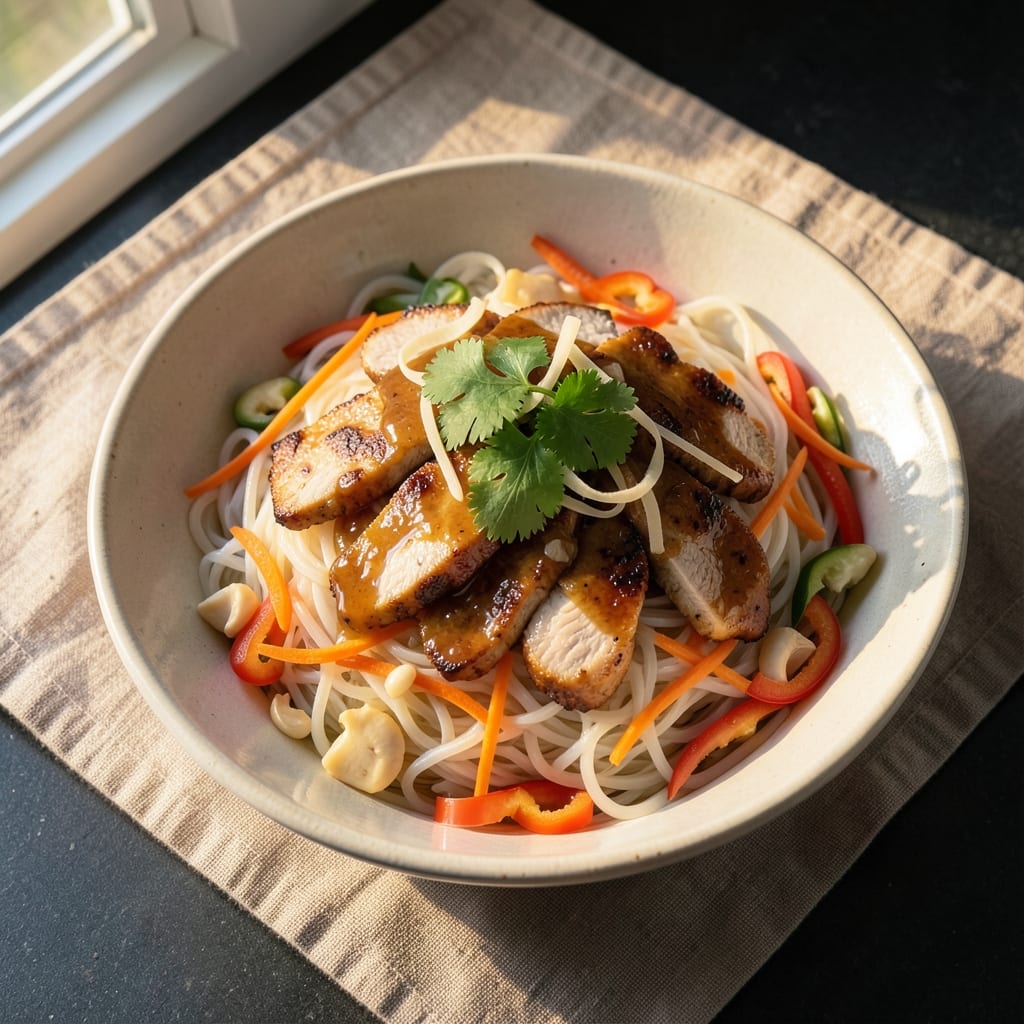
This Asian style rice noodle recipe delivers restaurant-quality wok-tossed noodles with crisp edges and tender centers in just 15 minutes. The secret lies in proper soaking and high-heat stir-frying—techniques that transform simple rice noodles into a dish packed with aromatic flavors. I've perfected this method over countless weeknight dinners, and it never fails to impress.
What sets this recipe apart is the balance of textures and flavors: silky noodles, crisp vegetables, and savory protein all tossed in a fragrant sauce. The key steps—soaking the noodles just until pliable, high-heat stir-frying for that signature wok hei, and proper sauce integration—ensure every bite delivers that perfect combination. This is the kind of dish that transforms a simple meal into something special.
By the time you're done, you'll have a plate of golden, wok-tossed noodles with vibrant aromatics and a sauce that clings perfectly to each strand. The method works for Pad Thai, stir-fried noodles, or even noodle soups—just adjust the sauce and toppings. It's the kind of recipe that makes you want to cook every night of the week.
Ready in under 15 minutes, this dish is perfect for busy weeknights or when you crave restaurant-quality Asian flavors at home. The technique is straightforward, but the results are anything but ordinary. Let's get started!
Ingredients for asian style rice noodle
Restaurant-quality wok-tossed noodles start with these 15 aromatic ingredients and precise technique.
| Ingredient | Amount | Notes |
|---|---|---|
| Rice Noodles 🍜 | 8 oz | Stir-fry variety, dry |
| Chicken Breast 🍗 | 1 lb | Boneless, skinless, thinly sliced |
| Carrots 🥕 | 2 medium | Julienned into matchsticks |
| Bell Peppers 🌶️ | 1 whole | Red or yellow, thinly sliced |
| Garlic Cloves 🧄 | 4 cloves | Minced |
| Fresh Ginger 🌿 | 1 inch | Thinly sliced, peeled |
| Fish Sauce 🍶 | 2 tbsp | Red Boat preferred |
| Soy Sauce 🍶 | 2 tbsp | Light or dark |
| Oyster Sauce 🍶 | 1 tbsp | Kikkoman brand |
| Sesame Oil 🫒 | 1 tbsp | Toasted, for finishing |
| Vegetable Oil 🫒 | 2 tbsp | High smoke point |
| Lime Juice 🍋 | 1 tbsp | Freshly squeezed |
| Brown Sugar 🍚 | 1 tbsp | Packed |
| Sesame Seeds 🌾 | 1 tbsp | Toasted, for garnish |
| Green Onions 🧅 | 3 whole | Thinly sliced, for garnish |
The rice noodles are non-negotiable—stir-fry varieties like Vietnamese banh pho or Pad Thai noodles work best. Thai Kitchen or Asian markets carry excellent options. Avoid pre-cooked or thick rice noodles—they won't achieve that signature wok-tossed texture. For chicken, boneless, skinless breasts sliced against the grain ensure tender bites. Costco often sells pre-sliced chicken at great prices, but slicing your own gives better control. The carrots and bell peppers should be crisp and fresh—organic varieties from the grocery store's produce section work perfectly when julienned thinly.
No fish sauce? Soy sauce with a dash of anchovy paste mimics the umami depth, though it won't be identical. Red Boat fish sauce is the gold standard, but Squatter's brand is a budget-friendly alternative. Substituting oyster sauce? Hoisin sauce at half the amount works in a pinch. For the aromatics, fresh ginger is essential—dried lacks the punch. If you're short on time, ground ginger at half the amount gets you close. The brown sugar adds depth, but coconut sugar works beautifully if you prefer a more caramel-like flavor. Toast your sesame seeds in a dry pan for 30 seconds to enhance their nutty aroma before using.
Rice noodles keep best in a cool, dry place for up to 6 months—the vacuum-sealed bags from Asian markets are ideal. Once opened, store them in an airtight container to prevent moisture absorption. The prepped chicken and vegetables stay fresh in the fridge for 2 days, but slice them just before cooking for maximum crispness. This dish reheats beautifully—microwave with a splash of water for 30 seconds to restore moisture. For meal prep, store components separately and assemble fresh to maintain texture contrast.
Why You'll Love This Recipe
- One-Pan Magic: I swear by this recipe when I’m too tired to scrub pots—just toss the chicken, noodles, and veggies in one skillet with a splash of soy and lime. The noodles soften in minutes, and the garlic cloves sizzle until they’re golden and fragrant. Minimal cleanup, maximum flavor.
- Umami Bomb: That moment when the chicken hits the pan and the soy sauce caramelizes? Chef’s kiss. The garlic cloves get crispy at the edges while the bell peppers stay tender-crisp, and the rice noodles soak up all the savory goodness. It’s the kind of dish where every bite feels like a hug.
- Lunchbox Hero: Between us, this is my go-to for meal prep—packs perfectly cold or reheats like a dream. I’ll make a big batch on Sundays, portion the noodles with chicken and veggies, and slap a lid on it. My kids (and my wallet) thank me every week.
- Budget Win: Chicken breast, carrots, and bell peppers stretch for days, and rice noodles cost a fraction of pasta. Honestly, I’ve fed four people for under $10 with this recipe, and no one complains. It’s the kind of meal that makes you feel like you’re eating fancy without breaking the bank.
Step-by-step instructions for savory wok-tossed rice noodles
Master this quick wok technique for perfectly al dente noodles and tender chicken every time.
Prepare the Chicken and Vegetables
Slice the 1 lb chicken breast into thin, even strips about ¼-inch thick. This ensures quick cooking and even doneness. Pat the chicken dry with paper towels—this prevents steaming and guarantees a proper sear.
Julienne the 2 medium carrots and thinly slice the 1 whole bell pepper into matchsticks. Peel and thinly slice the 1 inch fresh ginger and mince the 4 cloves garlic cloves. Thinly slice the 3 whole green onions, separating the white and green parts. Keep all prepped ingredients in separate bowls until ready to use—this keeps your workspace organized and prevents cross-contamination.
Soak and Parboil the Rice Noodles
Place the 8 oz rice noodles in a large bowl and cover with hot water. Let them soak for 10-15 minutes until pliable but still slightly firm to the touch. This prevents them from turning mushy during stir-frying. Drain the noodles and rinse briefly under cold water to stop the cooking process temporarily.
In a separate pot, bring 2 cups of water to a boil and add the drained noodles. Parboil for 1-2 minutes until they're just tender but still hold their shape. Drain immediately and toss with 1 tbsp sesame oil to prevent sticking. Set aside while you prepare the sauce and chicken.
Sear the Chicken and Aromatics
Heat a wok or large skillet over high heat until smoking, then add 2 tbsp vegetable oil. Add the chicken strips in a single layer and let them sear undisturbed for 2-3 minutes until golden brown on one side. Flip and cook for another 1-2 minutes until fully cooked through. Remove the chicken and set aside.
In the same wok, add another 1 tbsp vegetable oil if needed. Add the thinly sliced ginger and minced garlic cloves, stirring constantly for 30 seconds until fragrant. Add the carrots and bell peppers, stir-frying for 2-3 minutes until the vegetables begin to soften but retain a slight crunch. This quick cooking preserves their texture and color.
Combine and Sauce the Noodles
Return the chicken to the wok and add the parboiled noodles. Toss everything together for 1 minute to combine and heat through. In a small bowl, whisk together 2 tbsp fish sauce, 2 tbsp soy sauce, 1 tbsp oyster sauce, 1 tbsp brown sugar, and 1 tbsp lime juice. Pour the sauce over the noodles and toss vigorously for 2-3 minutes until everything is evenly coated.
Here's the thing—don't overcrowd the wok. If the noodles seem too crowded, work in batches to ensure they get properly coated with the sauce and develop a slight char. The high heat and constant tossing create that signature wok-hei flavor.
Finish and Garnish
Remove the wok from heat and drizzle with 1 tbsp sesame oil. Toss once more to distribute the oil evenly. Garnish with the thinly sliced green onions and sprinkle with 1 tbsp toasted sesame seeds. Serve immediately while the noodles are still hot and the sauce is glossy.
Each bite should deliver a perfect balance of tender chicken, crisp-tender vegetables, and chewy noodles coated in a savory-sweet sauce. The sesame seeds add a nutty crunch that elevates the dish. For best results, serve with extra lime wedges on the side.
Pro Tips For Making Asian Style Rice Noodle
- STIR-FRY CHICKEN FAST: Use pre-cut chicken breast strips (about 1-inch thick) and freeze them for 20 minutes before cooking—this keeps them from drying out while you prep everything else. I learned this the hard way after serving rubbery chicken to guests.
- SOAK NOODLES SHORT: Skip the long soak—just splash boiling water over drained rice noodles and let them sit covered for 5-7 minutes. They’ll soften perfectly without turning mushy, and you’ll save 15 minutes of waiting.
- GARLIC MINCE SMALL: Chop your garlic into tiny, even pieces (about 1/8-inch) so it cooks through without burning. I was skeptical until I tried it—now my noodles have that deep, consistent garlic flavor instead of bitter chunks.
- VEGGIES SLICE UNIFORM: Cut carrots and bell peppers into thin, even strips (about 1/4-inch thick) so they cook at the same rate as the chicken. Uneven pieces mean some will be crunchy while others turn soggy—no one wants that texture fight.
Dietary considerations for this recipe
Gluten-Free Adaptations
Rice noodles are naturally gluten-free, making this recipe safe for those with celiac disease or gluten sensitivity. Just ensure your fish sauce, soy sauce, and oyster sauce are certified gluten-free—Red Boat fish sauce and Kikkoman gluten-free soy sauce are reliable choices. I always double-check labels since some brands process sauces in facilities with gluten-containing ingredients. 🌱
Vegetarian Options
Swap the chicken for tofu or mushrooms to keep it vegetarian. Press and slice 1 block of extra-firm tofu into strips, then pan-fry until crispy before adding to the wok. For mushrooms, use shiitake or oyster mushrooms—sauté them for 3-4 minutes to develop their umami flavor. Keep the same sauce ratios for balanced taste.
Low-Sodium Adjustments
This recipe uses fish sauce and soy sauce, which are naturally high in sodium. To reduce sodium, cut the fish sauce to 1 tbsp and soy sauce to 1 tbsp, then add ½ tsp salt to compensate. For a completely low-sodium version, use low-sodium soy sauce and homemade fish sauce substitute (blend 1 tbsp soy sauce + 1 tsp lime juice + 1 tsp brown sugar).
Nut-Free Considerations
Sesame seeds and sesame oil are common allergens, so omit them if needed. Replace with toasted pumpkin seeds or crushed peanuts (if no nut allergies) for garnish. For the sauce, use avocado oil instead of sesame oil—it adds a neutral finish without allergens. Always check labels on sauces, as some contain hidden sesame.
Protein Swaps
For a seafood twist, use shrimp or scallops—they cook in 2 minutes and add a delicate sweetness. For beef lovers, slice 8 oz flank steak thinly and marinate in 1 tbsp soy sauce + 1 tsp cornstarch for 15 minutes before cooking. Each protein changes the dish’s texture, so adjust cooking times accordingly. 🍤
Nutrition facts
Frequently asked questions
What's the best way to store leftover rice noodles?
Store cooked rice noodles in an airtight container with a thin layer of oil or sauce to prevent sticking. They'll keep in the fridge for 3-4 days or freeze for up to 1 month. To reheat, microwave with a splash of water for 30 seconds or stir-fry in a dry wok over medium heat until hot through. The key is to avoid drying them out!
Can I make this recipe without a wok? Use a large, heavy-bottomed skillet or even a cast-iron pan. The secret is maintaining high heat and working in batches if needed. A 12-inch non-stick skillet works well for this recipe. Just
How do I adjust the sauce to be less spicy?
This recipe doesn't include chili, but if you've added extra heat, reduce the fish sauce by ½ tbsp and replace it with ½ tbsp lime juice or 1 tsp brown sugar to balance flavors. For a milder profile, use ½ tbsp soy sauce instead of fish sauce in the sauce mixture. The sauce should complement, not overpower, the dish.
What's the difference between stir-fry and pad thai noodles?
Stir-fry noodles are thicker and designed to hold their shape during high-heat cooking, while Pad Thai noodles are thinner and slightly wider, creating that signature flat noodle texture. For this recipe, use stir-fry variety for better texture contrast. Pad Thai noodles work too but may require slightly less soaking time (8-10 minutes).
Why did my noodles turn mushy?
Over-soaking or overcooking causes mushy noodles. For perfect texture, soak just until pliable (10-15 minutes) and parboil for only 1-2 minutes. The noodles should be tender but still slightly firm. Also ensure you're using the right type—stir-fry or rice vermicelli varieties hold up best to high heat.