
Salads
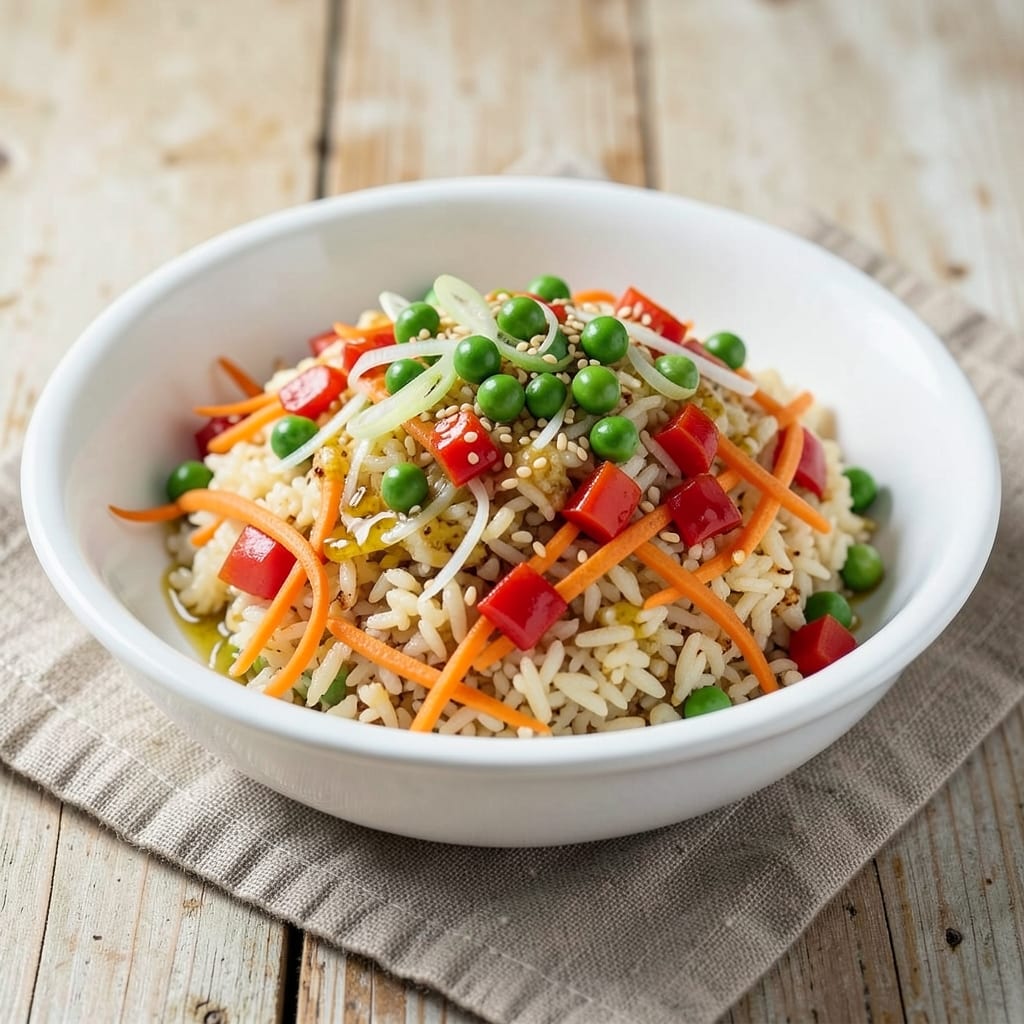
This Asian vegetable fried rice recipe transforms simple ingredients into a vibrant, wok-tossed masterpiece that delivers restaurant-quality flavor in just 20 minutes. The secret lies in high-heat stir-frying and layering umami-rich ingredients like soy sauce, garlic, and ginger—creating a dish that's as visually striking as it is delicious. I developed this recipe after years of perfecting the balance between crisp-tender vegetables and perfectly seasoned rice, ensuring every bite is packed with texture and depth.
The foundation of great fried rice is day-old rice—cooled and slightly dried—which prevents mushiness when stir-fried. We'll toast the rice in a hot wok with oil until fragrant, then incorporate an array of colorful vegetables (carrots, peas, bell peppers) that add crunch and freshness. A homemade sauce blend of soy sauce, sesame oil, and a touch of maple syrup for balance elevates the dish from ordinary to extraordinary, while optional garnishes like sesame seeds and green onions add final touches of sophistication.
What you'll achieve is a perfectly balanced dish with crisp edges on the rice, vibrant vegetables that retain their snap, and a sauce that coats every grain without overpowering. The aroma alone will have everyone gathering around the table, while the visual presentation—golden rice speckled with colorful vegetables—makes this dish as impressive for guests as it is satisfying for home cooks. This recipe proves that plant-based meals can be hearty, flavorful, and restaurant-worthy.
Whether you're preparing a quick weeknight dinner or bringing a dish to a potluck, this fried rice adapts beautifully to your needs. The method is straightforward yet professional, ensuring consistent results every time. Let's create this vibrant, flavorful dish together—your taste buds (and dinner guests) will thank you.
Ingredients for asian vegetable fried rice
Here’s what you’ll need to create this vibrant, restaurant-worthy fried rice masterpiece.
| Ingredient | Amount | Notes |
|---|---|---|
| Day-Old Cooked White Rice 🍚 | 4 cups | Cold, slightly dried for texture |
| Vegetable Oil 🫒 | 2 tbsp | High smoke point preferred |
| Carrots 🥕 | 1 ½ cups | Julienned into thin strips |
| Frozen Peas 🌱 | ½ cup | Thawed, no need to drain |
| Red Bell Pepper 🌶️ | ½ cup | Diced into small pieces |
| Green Onions 🧅 | ¼ cup | Sliced, white and green parts |
| Fresh Ginger 🌿 | 1 tbsp | Minced, peeled, aromatic |
| Garlic Cloves 🧄 | 4 cloves | Minced, aromatic intensity |
| Soy Sauce 🥢 | ⅓ cup | Light or all-purpose |
| Sesame Oil 🫒 | 1 tbsp | Toasted, for aroma |
| Pure Maple Syrup 🍯 | 1 tbsp | Balances saltiness |
| Toasted Sesame Seeds 🌿 | 1 tbsp | For garnish, optional |
| Diamond Crystal Kosher Salt 🧂 | ½ tsp | Fine grain preferred |
| Black Pepper 🌶️ | ¼ tsp | Freshly ground |
The rice is non-negotiable—day-old, cooled, and slightly dried. Trader Joe's sells pre-cooked rice in the freezer section that works perfectly, or cook your own and refrigerate overnight. For the vegetables, fresh carrots and bell peppers from the produce section give the best crunch, but frozen peas are a great shortcut. The ginger and garlic? Freshly minced makes all the difference—no powdered shortcuts here. Look for organic ginger at Whole Foods if you want extra flavor punch, but regular grocery store ginger works fine too.
No sesame oil? Avocado oil or neutral vegetable oil works in a pinch, but add a pinch of toasted sesame seeds at the end for that authentic aroma. Short on maple syrup? Agave nectar or a touch of brown sugar balances the soy sauce just as well. The soy sauce matters—low-sodium versions let you control the saltiness better. And if you’re feeling fancy, Trader Joe’s has a great toasted sesame oil that’s worth the splurge for this dish. For the veggies, baby carrots or pre-cut stir-fry mixes save time, but fresh is always better when you’ve got it.
Store leftover rice in an airtight container for 3-4 days—it reheats beautifully. The sauce components (soy, sesame oil, maple syrup) keep indefinitely in the pantry. For extra prep, chop all your veggies and store them in separate containers in the fridge for up to 3 days. Garnishes like sesame seeds and green onions stay fresh for 1 week in the fridge. Pro tip: Make a double batch—this reheats even better the next day, and the flavors meld into something truly special.
Why You'll Love This Recipe
- No-Chop Night Saved: I keep frozen peas and pre-cut bell peppers in my freezer just for this—no knife skills required. Honestly, the only prep is breaking up day-old rice and dicing carrots (which takes less time than waiting for fresh rice to dry out).
- Crispy-Creamy Magic: That first sizzle when the oil hits the rice? Pure satisfaction. The bell pepper adds sweetness while the peas pop with texture, and the carrots melt into tender sweetness—like a flavor party where everything plays nice.
- Lunchbox Hero: Between us, this is my go-to for meal prep. Pack it in containers and it stays fresh for days, or reheat it in minutes. My kids actually eat their veggies this way (no questions asked).
- Pantry Staple Power: Uses what you’ve got—no fancy ingredients, just basics. I’ve made this with whatever was in my fridge, and it’s always solid. Plus, leftovers taste just as good cold the next day (yes, really).
Step-by-step instructions for Asian vegetable fried rice
Here's how to transform simple ingredients into restaurant-quality fried rice with perfect texture and vibrant flavors.
Prepare the Vegetables for Maximum Flavor
Start by julienning the 1.5 cups carrots into thin, even strips using a sharp mandoline or knife. The thinner the strips, the faster they'll cook and the more evenly they'll absorb flavor. While the carrots cook quickly, the bell pepper needs a bit more time, so dice the 0.5 cup red bell pepper into small, uniform pieces—about ¼-inch cubes. This ensures everything cooks simultaneously in the wok.
Thaw the 0.5 cup frozen peas in a colander under warm running water for 2 minutes—just enough to soften them slightly. This prevents them from turning mushy when they hit the hot wok. Finely mince the 1 tbsp fresh ginger and 4 cloves garlic, using the side of your knife for the ginger to create a paste. This aromatic base will infuse the entire dish with depth. Slice the 0.25 cup green onions into ½-inch pieces, reserving the green tops for garnish later.
Heat the Wok and Build the Flavor Base
Heat a 14-inch wok or large skillet over high heat until it's smoking slightly. Add the 2 tbsp vegetable oil and swirl to coat the surface evenly. Once the oil shimmers but isn't smoking (about 30 seconds), add the minced ginger and garlic. Stir constantly for 30 seconds—you'll smell the aroma intensify as they sizzle. This is your flavor foundation, so don't rush it.
Add the julienned carrots and diced red bell pepper to the wok. Stir-fry for 2 minutes until the carrots begin to soften and the peppers release their juices. The vegetables should be vibrant and slightly blistered at the edges. If they stick, gently press down with a spatula to release them—this ensures even cooking. The high heat is crucial here; it preserves the vegetables' color and texture while building the sauce.
Add the Rice and Seasonings for Perfect Texture
Push the vegetables to one side of the wok and add the 4 cups day-old cooked white rice to the empty space. Let it sit undisturbed for 30 seconds to crisp slightly at the bottom—this creates that signature "wok hei" smokiness. Stir vigorously, breaking up any large clumps of rice as you go. The rice should sizzle and begin to release its starch, which will create a natural glue for the dish.
Pour in the 0.33 cup soy sauce and 1 tbsp sesame oil, then add the thawed peas. Stir-fry for 2-3 minutes until the rice is evenly coated and the peas are heated through. The rice should look glossy and slightly sticky, but still distinct grains should remain visible. If it looks dry, add 1-2 tablespoons of water to steam the rice and create a cohesive texture. The goal is al dente rice with a slight bite, not mushy.
Finish with Sweetness and Garnish
Drizzle in the 1 tbsp pure maple syrup and the 0.5 tsp diamond crystal kosher salt, then sprinkle with the 0.25 tsp black pepper. Toss everything together for 1 minute until the sweetness balances the saltiness and the flavors meld. The maple syrup adds a subtle caramel note that complements the umami from the soy sauce and the freshness of the vegetables.
Remove the wok from heat and stir in the sliced green onion whites. Garnish each serving with the reserved green onion tops and a sprinkle of 1 tbsp toasted sesame seeds. The sesame seeds add a nutty crunch and visual appeal. Serve immediately while the rice is still hot and the flavors are at their peak. The dish should be vibrant, aromatic, and packed with texture—crisp vegetables, tender rice, and a glossy, well-seasoned sauce.
Pro Tips For Making Asian Vegetable Fried Rice
- Prep Peas First: Toss frozen peas in a dry pan for 30 seconds before adding them to the rice—this thaws them faster and keeps them from turning mushy. I used to just dump them straight from the freezer, and they’d either stay icy or turn to mush in seconds. ---
- High Heat, Fast Stir: Crank the burner to medium-high and keep the wok or pan moving constantly—if the rice sits for more than 10 seconds in one spot, it’ll burn before the veggies cook. I learned this the hard way when my first batch smelled like burnt rice and regret. ---
- Dice Carrots Small: Cut carrots into ¼-inch pieces or smaller—they’ll cook faster and blend better into the rice instead of ending up as chewy chunks. I used to slice them thinly, but they’d turn to mush before the rest was done. ---
- Use Day-Old Rice: Cold, dry rice from the fridge clumps less and absorbs flavors better than fresh-cooked rice—no need to rinse it, just break up any big lumps with your hands. Trust me, the texture makes a real difference.
Perfect pairings for these flavors
Protein-Packed Additions
Boost this vegetarian fried rice with tofu or tempeh for extra protein—press and cube ½ cup firm tofu before stir-frying to remove excess moisture. Toss it with 1 tbsp soy sauce and ½ tsp cornstarch before adding to the wok for 2 minutes to create crisp edges. For a meatier texture, swap in ½ cup shredded rotisserie chicken or 2 scrambled eggs (cooked separately) at the end for a quick protein upgrade. 💪
Sauce Variations
Swap the maple syrup for 1 tbsp rice vinegar to brighten flavors, or add ½ tsp chili crisp for heat. For depth, mix 1 tbsp hoisin sauce with the soy sauce—it adds a sticky, slightly sweet contrast. I love using Kikkoman Hoisin for its balanced sweetness. A splash of mirin (just 1 tsp) also enhances umami without overpowering the dish.
Garnish Ideas
Top with crispy fried shallots for a crunchy, savory finish—just 2 tbsp adds drama. For freshness, sprinkle cilantro leaves or thinly sliced jalapeños for a spicy kick. A drizzle of sriracha mayo (mix 1 tbsp mayo with ½ tsp sriracha) elevates the dish to next-level restaurant quality. 🌶️
Beverage Pairings
Serve with a jasmine green tea to complement the dish’s floral notes and balance the richness. A crisp dry Riesling or Sauvignon Blanc enhances the umami and acidity. For non-alcoholic options, try sparkling yuzu soda—its citrusy tang cuts through the soy sauce’s saltiness. A cold iced matcha latte also pairs beautifully with the dish’s vibrant flavors.
Side Dish Harmony
Pair with miso soup for a light, comforting contrast—its fermented depth complements the fried rice’s crispness. A simple cucumber salad (tossed with rice vinegar, sesame oil, and chili flakes) adds refreshing crunch. For heartier meals, serve with steamed bok choy or edamame for extra texture. 🥗
Nutrition facts
Frequently asked questions
Why does the recipe call for day-old rice instead of fresh?
Freshly cooked rice is too moist and will turn mushy when stir-fried. Day-old rice has dried out slightly, creating individual grains that stay separate and crisp at the edges. For best results, refrigerate cooked rice for at least 6 hours or spread it on a tray to dry out for 30 minutes. This texture is key to authentic fried rice!
Can I make this recipe with a regular skillet instead of a wok?
While a wok gives you the best "wok hei" (smoky flavor), a 12-inch cast-iron skillet works perfectly. The key is using high heat and working in batches if needed. Just make sure your pan is hot enough before adding oil—this prevents sticking and creates those delicious crispy bits.
What vegetables can I substitute if I don't have carrots or bell peppers?
Use whatever colorful veggies you have! Swap carrots for snap peas, broccoli florets, or shredded cabbage, and bell peppers for zucchini, mushrooms, or corn kernels. The goal is variety in texture and color. Just cut them into similar sizes so they cook evenly. Frozen stir-fry mixes work too—just thaw them first.
How do I prevent the rice from turning out mushy?
Keep your heat high and stir constantly to avoid soggy rice. If the mixture looks dry, add just 1 tablespoon of water at a time to steam it through. Never use freshly cooked rice—it must be dry. Also, break up any large clumps before adding to the wok. The rice should be glossy but still have distinct grains.
Can I make this ahead of time for meal prep?
Yes! This fried rice actually tastes better the next day as flavors meld. Store in an airtight container for up to 3 days in the fridge. Reheat in a skillet over medium heat with a splash of water to restore crispness. For freezing, cook completely then freeze for up to 1 month—thaw overnight in the fridge before reheating.