
Main Courses
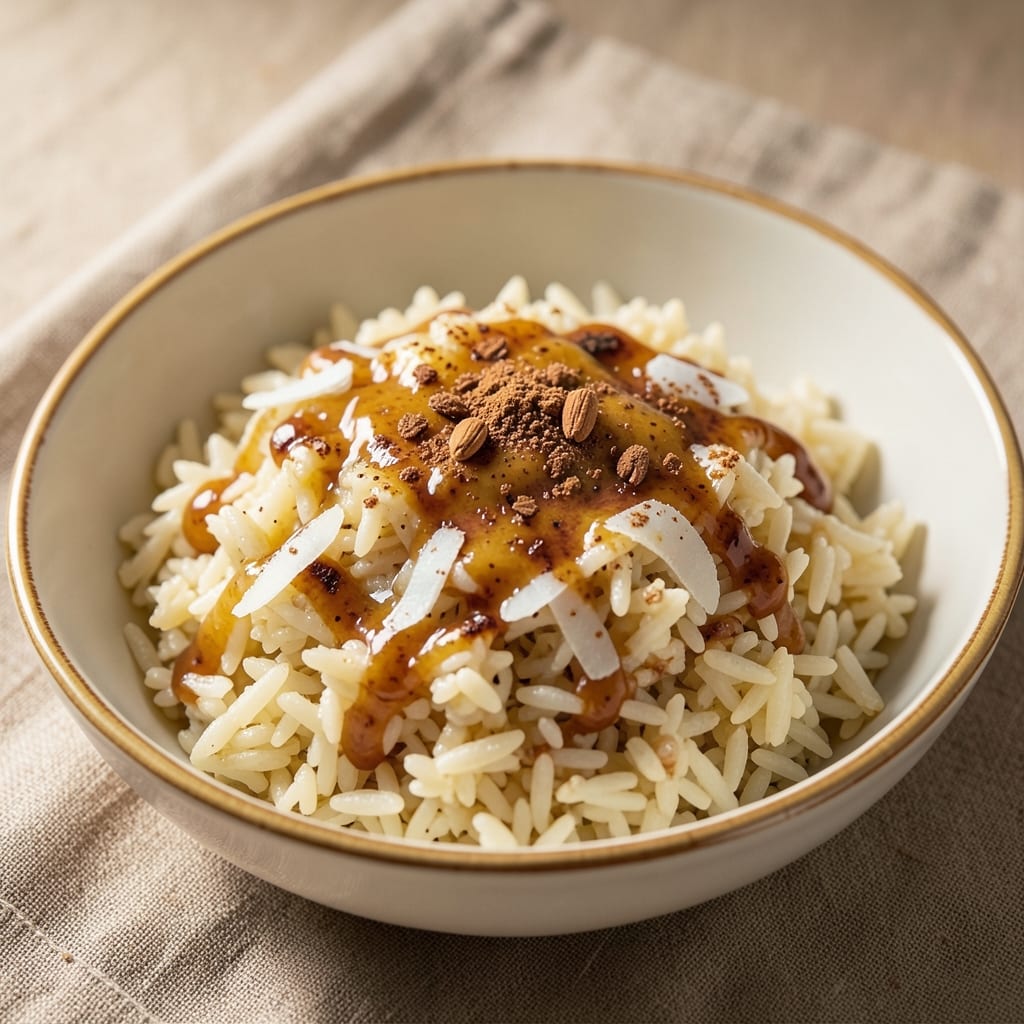
This 1 cup coconut rice recipe transforms simple jasmine or basmati rice into a luxurious, golden-creamy side dish that pairs perfectly with curries, grilled fish, or tofu. The secret lies in coconut milk’s rich texture and subtle sweetness, which infuses the grains without overpowering them—creating a dish that’s both elegant and effortless. With just 20 minutes of hands-on time, you’ll achieve restaurant-quality results that impress even skeptical guests.
The process is simpler than you’d expect: toast your rice in coconut oil for a nutty aroma, then simmer it in coconut milk until tender and creamy. Optional spices like cinnamon or cardamom add warmth, while a pinch of salt enhances the natural sweetness. This method works for both vegetarian and vegan diets, making it versatile for any meal plan. The texture is what sets it apart—creamy yet distinct, with each grain coated in velvety coconut flavor.
What makes this recipe stand out is its balance of simplicity and sophistication. No special equipment is needed, just a pot and patience (the rice needs time to absorb the coconut milk). The result is a dish that’s rich, aromatic, and subtly sweet, with a golden hue that makes it as visually appealing as it is delicious. Serve it alongside curries, stir-fries, or even as a standalone side with a sprinkle of fresh cilantro.
The best part? This recipe scales effortlessly—double the ingredients for a crowd, or halve it for a single serving. Leftovers keep well in the fridge for up to 3 days, reheating beautifully with a splash of coconut milk to restore creaminess. Whether you’re cooking for a weeknight dinner or a special occasion, this coconut rice delivers comfort and elegance in one perfect package.
Ingredients for 1 cup coconut rice
Nine ingredients transform ordinary rice into velvety, golden coconut rice in minutes.
| Ingredient | Amount | Notes |
|---|---|---|
| Jasmine Rice 🌾 | 1 cup | Uncooked, long-grain preferred |
| Full-Fat Coconut Milk 🥥 | 13 ½ oz | Canned, no additives |
| Coconut Oil 🫒 | 1 tbsp | Refined for neutral flavor |
| Water 💧 | ½ cup | Filtered preferred |
| Ground Cinnamon 🌿 | ¼ tsp | Freshly ground preferred |
| Ground Cardamom 🍃 | ⅛ tsp | Optional, for warmth |
| Sea Salt 🧂 | ¼ tsp | Diamond Crystal preferred |
| Fresh Cilantro 🌿 | ¼ cup | Chopped, for garnish |
| Lemon Juice 🍋 | 1 tbsp | Freshly squeezed |
| Unsalted Butter 🧈 | 1 tbsp | Optional, for richness |
The quality of your coconut milk makes all the difference here. Thai Kitchen or Goya brands deliver the creamiest texture, but any full-fat canned coconut milk works—just avoid the light versions, which lack richness. For the rice, jasmine or basmati are ideal; they absorb the coconut milk beautifully. If you're using basmati, rinse it first to remove excess starch, which prevents clumping. The cinnamon and cardamom should be freshly ground for maximum aroma—Penzeys Spices carries excellent whole spices if you're grinding them yourself. Store these whole spices in a cool, dark place to preserve their potency for up to 6 months.
No coconut milk? Substitute with equal parts light coconut milk and a splash of cream, though the texture will be slightly less luxurious. Fresh out of cinnamon? Allspice at half the amount works in a pinch, but the flavor profile shifts. The butter is truly optional—this dish shines without it—but if you're using it, unsalted is key to control the seasoning. For the cilantro, stems included if you're feeling adventurous; they pack extra flavor. If you hate cilantro, swap for fresh basil or parsley—just halve the amount since they're milder. The lemon juice brightens everything, so don't skip it, even if you're serving this with a tangy dish like ceviche.
This rice reheats beautifully—simply add a splash of water or coconut milk and warm through gently. It keeps in the fridge for up to 3 days, though the texture becomes slightly drier each day. For longer storage, portion into airtight containers and freeze for up to 3 months. When reheating frozen portions, thaw overnight in the fridge first, then warm with a splash of coconut milk. The golden hue comes from proper toasting of the rice in coconut oil—don't rush this step. For extra elegance, serve in a shallow dish and garnish with a drizzle of coconut milk and a sprinkle of toasted coconut flakes.
Why You'll Love This Recipe
- Crowd-Pleaser Base: I swear, this rice is the neutral canvas that makes everything taste better—think curry, grilled fish, or even just a fried egg on top. The cinnamon whispers warmth while the coconut milk keeps it lusciously creamy without overpowering.
- One-Pot Magic: Honestly, I can’t believe I used to dirty two pots for rice. Just toast the coconut oil, add the rice and milk, stir once, and let it simmer. Twenty minutes later, you’re done—no straining, no sticking, no stress.
- Leftover Luxury: Between us, this rice actually tastes better the next day. The grains soften just right, the coconut flavor deepens, and it reheats like a dream. I make a big batch on Sundays and eat it all week—no sad, dry rice here.
- Budget Bright Spot: Full-fat coconut milk might sound fancy, but a can lasts forever, and a little goes a long way. Plus, jasmine rice is cheap, and the cinnamon adds that je ne sais quoi without breaking the bank. Frugal but feels indulgent? Yes, please.
Step-by-step instructions for perfect coconut rice
Transform simple jasmine rice into luxurious coconut rice with this foolproof method.
Toast the Rice for Nuttiness
Heat a medium saucepan over medium heat and add the 1 tablespoon coconut oil. Once the oil shimmers, add the 1 cup jasmine rice and stir constantly for 2-3 minutes until the grains become translucent at the edges and release a nutty aroma.
This toasting step develops depth of flavor and prevents the rice from becoming mushy. You'll know it's ready when the rice stops sizzling and begins to smell toasty. I press down gently with a wooden spoon during the last minute to ensure even contact with the oil.
Add Coconut Milk and Water
Pour in the 13.5 oz full-fat coconut milk and 0.5 cup water, stirring to combine. Bring the mixture to a gentle boil over medium-high heat—you should see small bubbles forming around the edges of the pan. Once boiling, reduce heat to low and cover tightly with a lid.
The coconut milk should foam slightly as it heats. This is normal and indicates the fat is emulsifying. Let it simmer for 15 minutes without lifting the lid. I set a timer and check for steam escaping around the edges—this means the rice is absorbing liquid properly.
Season and Rest
After 15 minutes, remove the pan from heat and let it sit covered for 10 minutes. Then stir in the 0.25 teaspoon ground cinnamon, 0.125 teaspoon ground cardamom, and 0.25 teaspoon sea salt. Fluff the rice gently with a fork, being careful not to crush the grains.
The spices should dissolve evenly into the creamy coconut mixture. Here's the thing—coconut rice continues cooking off the heat, so resist the urge to peek or stir too soon. The residual heat will finish cooking the rice while allowing the spices to infuse completely.
Finish with Fresh Elements
Transfer the rice to a serving dish and stir in the 1 tablespoon lemon juice and 1 tablespoon unsalted butter (if using). The lemon brightens the coconut flavor while the butter adds richness. Finally, sprinkle with the 0.25 cup chopped fresh cilantro for freshness and color.
For the creamiest texture, I like to serve this immediately while still warm. The rice should be tender with a slight bite, and each grain should be coated in a golden coconut sauce. If it's too thick, stir in 1-2 tablespoons water to achieve the perfect creamy consistency.
Pro Tips For Making 1 Cup Coconut Rice
- Boil Water First: Heat your water and coconut milk together until it’s just about to simmer—then add the rice. I used to toss in cold milk and end up with uneven cooking. A quick boil first guarantees the rice absorbs the coconut flavor evenly, not just the bottom layer.
- Use Less Coconut Oil: Two teaspoons is plenty—any more and the rice turns greasy. Toast it in the pot first for 30 seconds until it smells nutty. That’s where the real coconut depth comes from, not just extra fat.
- Don’t Stir the Rice: After adding the rice, resist the urge to poke around. Stirring breaks the grains and makes it mushy. Cover and let it steam undisturbed for 15 minutes—trust the process.
- Toast the Cinnamon: Bloom the cinnamon in the coconut oil for 10 seconds until fragrant. Raw cinnamon tastes bitter and doesn’t dissolve well. This tiny step makes the flavor sing without overpowering the rice.
Essential equipment for this recipe
Basic Pot Essentials
You only need one pot for this recipe—I recommend a medium-sized stainless steel or heavy-bottomed pot (like All-Clad or Calphalon) to distribute heat evenly. Avoid nonstick pans; they can’t handle the high heat needed for toasting the rice properly. A tight-fitting lid is critical for trapping steam during cooking. If your pot doesn’t have one, use a silicon lid or even a plate with foil as a makeshift cover. 🔥
Measuring Tools
A precision measuring cup (like OXO Good Grips) ensures accurate rice-to-liquid ratios, which is key for perfect texture. For spices, use a small teaspoon—Penzeys Spices offers a set with built-in measures. A fine-mesh strainer helps rinse rice if using basmati, removing excess starch that can make the coconut rice gummy. I also keep a wooden spoon handy for stirring without scratching my pot.
Optional Extras
For garnishing, a sharp chef’s knife (like Wüsthof) and a cutting board make quick work of chopping cilantro. A microplane comes in handy for zesting lemon if you want extra brightness. If you’re adding toasted coconut flakes, a small skillet on low heat works perfectly for toasting them until golden. These tools aren’t mandatory, but they elevate the dish’s presentation and flavor.
Temperature Control
No fancy gadgets needed—just your stovetop and a kitchen thermometer (like Thermoworks) if you’re perfectionist. Monitor the heat closely: medium-high for boiling, then low once covered. The thermometer helps ensure the coconut milk doesn’t scorch. For even cooking, place your pot on the back burner if your stove has uneven heat distribution. This keeps the rice creamy and prevents burning.
Storage Containers
For leftovers, use glass airtight containers (like Pyrex) to preserve freshness. These keep the rice at room temperature for up to 3 days or in the fridge for 5 days. If freezing, portion into quart-sized freezer bags with 1 inch headspace**—this prevents ice crystals from ruining the texture. Label with the date to track freshness. Reheat gently with a splash of coconut milk to restore creaminess. ❄️
Nutrition facts
Frequently asked questions
Can I make this coconut rice with basmati instead of jasmine rice?
Yes! Basmati works beautifully—just rinse it first to remove excess starch, which prevents gummy texture. The grains will be slightly longer and more aromatic, though jasmine's natural sweetness pairs perfectly with coconut. For best results, use the same 1:1.5 rice-to-liquid ratio and toast the basmati for 1 extra minute to enhance its nutty flavor.
What if I don't have full-fat coconut milk?
Use light coconut milk mixed with 1 tablespoon cream or heavy cream per 13.5 oz to restore richness. The texture will be slightly thinner but still delicious. For a vegan option, blend 1 cup unsweetened coconut flakes + 1 cup hot water to make a quick substitute—strain before using.
Why does my coconut rice turn out dry or crunchy?
This usually happens if the heat is too high or the lid isn't tight enough. Always simmer on low heat after boiling, and cover with a lid that creates a seal. If it's still dry, stir in 1-2 tablespoons warm coconut milk while off heat. For extra creaminess, try adding 1 tablespoon butter at the end.
Can I make coconut rice in an Instant Pot?
Toast the rice in 1 tbsp coconut oil** on sauté mode for 2 minutes, then add 13.5 oz coconut milk + 0.5 cup water. Seal the lid, cook on high pressure for 4 minutes, then let it naturally release for 10 minutes. Finish with spices and lemon juice as directed. The texture will be slightly firmer but still creamy.
How do I make this recipe vegan?
Skip the butter and use vegan coconut oil instead. Ensure your coconut milk is labeled vegan (most brands are), and verify spices contain no animal additives. The natural sweetness of coconut milk makes this dish inherently vegan-friendly—just omit any dairy-based garnishes like butter or yogurt.