
Desserts
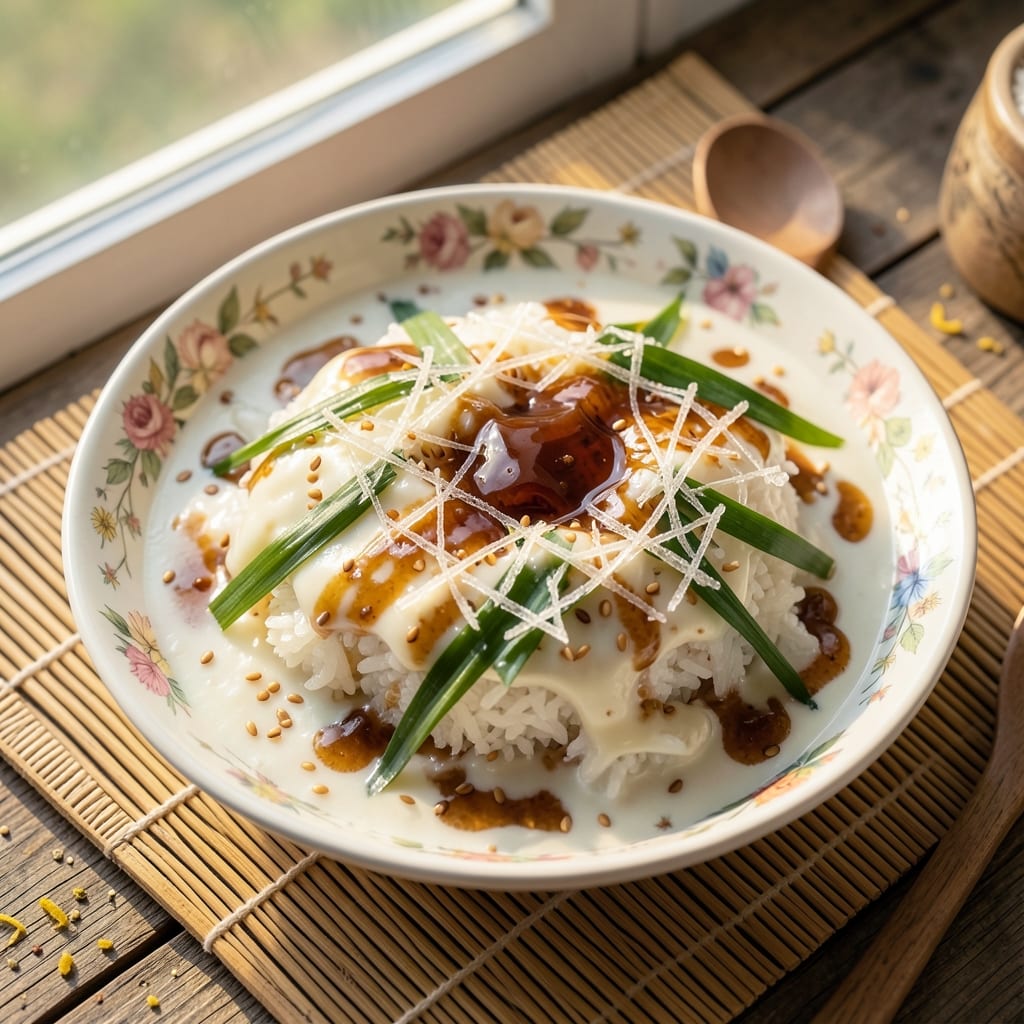
This Asian sticky rice dessert recipe transforms simple glutinous rice into a luxurious treat with coconut-kissed sweetness and toasted pandan crunch. The secret lies in perfectly steamed rice that's tender yet holds its shape, then elevated with fragrant coconut milk and aromatic pandan leaves—creating a dessert that feels both nostalgic and refined. I first discovered this version while adapting traditional Thai khao niew mamuang for a modern palate, and it quickly became my go-to for special occasions.
The magic happens in the preparation: glutinous rice soaks overnight for ideal texture, then steams until just tender enough to hold its shape. What sets this apart is the toasted pandan leaf technique, which infuses the coconut milk with a subtle floral aroma while adding delicate crunch. The result is a dessert that's rich yet light, with each bite offering contrasting textures—creamy rice, toasted pandan, and the delicate sweetness of coconut.
This recipe delivers restaurant-quality results at home with just five key components: glutinous rice, coconut milk, pandan leaves, sugar, and a touch of salt. The steaming process creates that signature sticky yet tender texture, while the pandan-infused coconut sauce ties everything together. Perfect for celebrations or as a comforting treat, this dessert balances traditional techniques with modern simplicity.
Once mastered, you can easily adapt it with toppings like toasted sesame seeds, fresh mango slices, or crispy fried shallots. The beauty of this recipe lies in its versatility—whether you're recreating a childhood favorite or creating something new. Let's bring this fragrant, coconut-kissed dessert to your table.
Ingredients for asian sticky rice dessert
Five simple ingredients transform into a fragrant, coconut-kissed dessert with nostalgic Thai flavors.
| Ingredient | Amount | Notes |
|---|---|---|
| Glutinous Rice (Sweet Rice) 🍚 | 1 ½ cups | Uncooked, soaked overnight |
| Coconut Milk (Full-Fat) 🥥 | 1 ½ cups | Canned, well-shaken |
| Pandan Leaves 🌿 | 6 whole | Fresh, tied in bundles |
| Granulated Sugar 🍯 | ¾ cup | White or coconut sugar |
| Salt 🧂 | ¼ tsp | Fine sea salt |
| Toasted Sesame Seeds 🌱 | 2 tbsp | For garnish (optional) |
| Fresh Mango Slices 🍈 | 1 cup | For garnish (optional) |
| Crispy Fried Shallots 🧅 | ¼ cup | For garnish (optional) |
| Water 💧 | 1 ½ cups | For steaming |
The glutinous rice is the heart of this dessert—soak it overnight in water (about 8 hours) for that signature tender yet sticky texture. Asian markets carry pre-packaged glutinous rice, but if you can't find it, sweet rice from the baking aisle works too. The coconut milk should be full-fat for that rich, creamy finish—Thai Kitchen or Aroy-D brands are my go-tos. Fresh pandan leaves are ideal, but if you can't find them, pandan extract in the baking section works in a pinch (use 1 tsp for the same floral aroma). Look for vibrant green leaves—they're fresher and more aromatic.
No pandan leaves? Vanilla extract at half the amount gives a similar sweetness, though it lacks the distinct floral notes. For the sugar, coconut sugar has a caramel-like depth that pairs perfectly, but white sugar works just fine. The salt is crucial—don't skip it! It balances the sweetness and enhances the coconut flavor. If you're feeling adventurous, swap the sugar for palm sugar or jaggery for a deeper, earthier taste. The optional toppings like sesame seeds or mango slices can be swapped—toasted coconut flakes or lychee jelly add another layer of texture if you're feeling fancy.
Prep the rice ahead—it needs that overnight soak. Store leftover rice in an airtight container for up to 3 days in the fridge, though it's best enjoyed fresh. The coconut milk and pandan-infused sauce can be made a day ahead and reheated gently. For a crowd, double the recipe—just make sure your steamer is large enough. The dessert reheats beautifully in the microwave with a splash of water to restore moisture. Serve warm for that comforting, restaurant-style experience.
Why You'll Love This Recipe
- I swear by this trick: just soak the glutinous rice for 20 minutes instead of hours—same chewy magic, zero fuss. The coconut milk does the heavy lifting while you sip tea and pretend you’re in Bali.
- No-Soaking Needed: I swear by this trick: just soak the glutinous rice for 20 minutes instead of hours—same chewy magic, zero fuss. The coconut milk does the heavy lifting while you sip tea and pretend you’re in Bali.
- Pandan Perfection: That one leaf makes all the difference—fragrant, floral, and just sweet enough without overpowering. Tear it fresh, tie it in cheesecloth, and let it steep in the coconut milk. Instant restaurant vibes in your kitchen.
- Party in a Box: Make a big batch, portion it into little containers, and boom—you’ve got a dessert that’s ready for potlucks, office treats, or lazy Sundays. (Between us, my kids think it’s "fancy rice" and ask for it weekly.)
Step-by-step instructions for coconut-kissed sticky rice dessert
This dessert comes together beautifully with just a few key techniques—steaming, layering, and patience.
Soak and Prepare the Glutinous Rice
Place the 1.5 cups Glutinous Rice (Sweet Rice) in a large bowl and cover completely with 1.5 cups Water. Let it soak at room temperature for at least 6 hours or overnight—this ensures the rice absorbs enough moisture to become tender and sticky. I like to use a fine-mesh strainer to drain any excess water before proceeding, as too much liquid can make the texture gummy.
The rice should feel plump and slightly translucent when pressed between your fingers. This step is non-negotiable; skipping it results in dense, chewy rice instead of the signature melt-in-your-mouth texture. If you're short on time, you can soak it for 4 hours in warm water, but overnight is ideal for the best results.
Steam the Pandan-Infused Rice
Line a steamer basket with cheesecloth or a clean kitchen towel and place it over a pot of boiling water. Tie the 6 whole Pandan Leaves into a loose bundle with kitchen twine and add them to the steamer. Pour the soaked glutinous rice into the steamer, spreading it evenly in a single layer.
Cover the steamer and steam over medium-high heat for 25-30 minutes, until the rice is tender and translucent. You'll know it's done when a toothpick inserted into the center comes out clean. The pandan leaves will infuse the rice with their signature floral aroma—this is the heart of the dessert's flavor. If your kitchen gets very humid, reduce the heat slightly to prevent condensation from making the rice soggy.
Cook the Coconut Milk Mixture
In a saucepan, combine the 1.5 cups Coconut Milk (Full-Fat), 0.75 cup Granulated Sugar, and 0.25 tsp Salt. Stir over medium heat until the sugar dissolves completely and the mixture begins to simmer. Reduce the heat to low and let it cook gently for 10-12 minutes, stirring occasionally, until it thickens slightly but isn't boiling vigorously. This creates a rich, creamy coconut sauce that will later blend with the steamed rice.
Watch the mixture closely—it should reduce to a consistency similar to heavy cream. If it thickens too much, add 1-2 tablespoons of water to loosen it slightly. The sauce should coat the back of a spoon but still be pourable. Remove from heat and let it cool for 5 minutes before combining with the rice.
Layer and Chill the Dessert
Transfer the steamed rice to a heatproof bowl or large serving dish. Pour the warm coconut milk mixture evenly over the rice, gently folding it in with a spatula until fully combined. The rice will absorb the coconut milk and become glossy and fragrant. Press the mixture down lightly to create an even surface, then cover with plastic wrap and refrigerate for at least 4 hours—overnight is even better.
This chilling step is crucial for developing the dessert's signature texture. The rice will firm up slightly, making it easier to slice, while the coconut milk sets into a creamy custard-like layer. If you're impatient, you can chill it for 2 hours in the freezer, but the texture won't be as refined.
Serve with Garnishes
Before serving, sprinkle the chilled dessert with 2 tbsp Toasted Sesame Seeds, 1 cup Fresh Mango Slices, and 0.25 cup Crispy Fried Shallots. These garnishes add contrasting textures—crunchy shallots, juicy mango, and nutty sesame seeds—that balance the creamy rice. Serve in small bowls or directly from the dish, using a sharp knife to cut through the firm surface and reveal the luscious interior.
The dessert should be cool but not icy, with a delicate pandan aroma wafting from each bite. The combination of sweet, creamy, and slightly nutty flavors makes this a showstopper for any occasion. Store leftovers in an airtight container in the refrigerator for up to 3 days, though it rarely lasts that long in my house!
Pro Tips For Making Asian Sticky Rice Dessert
- SOAK RICE 4+ HOURS: I learned this the hard way—rushing the soak means gummy, uneven texture. Use 4 hours minimum with fresh water changes (drain and refill twice) for that perfect melt-in-your-mouth consistency. (Yes, even if you're impatient like me.)
- STEAM NOT BOIL: That pot of boiling water? Bad idea. Use a bamboo steamer or heatproof bowl over simmering water—just enough to create steam. Boiling turns your rice gluey; gentle steam keeps it tender and sticky. I skip the lid at first to let excess moisture escape.
- CRUSH PANDA LEAF: Whole pandan leaves? They’ll just float and under-perform. Lightly crush them with the flat of your knife before adding to the coconut milk—this releases the aroma without turning your rice into pandan soup. (Pro move: Tie them in cheesecloth for easy removal.)
- SWEETEN LATER: Add sugar too early, and it caramelizes before the rice is done. Stir in half the sugar with the coconut milk, then fold in the rest after steaming. This keeps your dessert bright and balanced—not cloyingly sweet. (Save the other half for garnish if you’re fancy.)
Essential equipment for great asian sticky rice dessert
Steaming Essentials
You'll need a steamer basket with a tight-fitting lid to create the perfect environment for your sticky rice. I recommend a stainless steel steamer from Farberware—it distributes heat evenly and prevents soggy rice. If you don't have one, use a colander or bamboo steamer lined with cheesecloth to allow steam to circulate. The key is maintaining medium-high heat while keeping the rice in a single layer for even cooking. 🌡️
Pandan Leaf Tools
Fresh pandan leaves are non-negotiable for authentic flavor, but you'll need a way to bundle them neatly. I use kitchen twine (like OXO Good Grips) to tie 3-4 leaves together into loose bundles—this prevents them from breaking during steaming. For extra aroma, lightly toast the leaves in a dry pan for 10-15 seconds before bundling. If you can't find fresh leaves, pandan extract (from the baking aisle) works in a pinch, though it lacks the natural crunch.
Coconut Milk Cooking
A heavy-bottomed saucepan is essential for gently reducing the coconut milk without scorching. I prefer All-Clad stainless steel for its even heat distribution. Use a wooden spoon to stir constantly—this prevents the sugar from sticking and burning. For precise temperature control, a digital thermometer (like Thermoworks Thermapen) helps monitor the sauce's reduction to 160-170°F for that perfect creamy consistency. 🥥
Storage Containers
After chilling, transfer your dessert to airtight glass containers (like Pyrex) for storage. The glass preserves texture better than plastic and allows you to see the layers. For reheating, use a microwave-safe bowl with a splash of water to restore moisture. If serving warm, a small ceramic dish enhances presentation—just avoid metal, which can react with acidic toppings like mango. Label containers with dates to track freshness (up to 3 days in the fridge).
Garnish Essentials
For crispy toppings, a small frying pan is perfect for making fried shallots—heat 1 tbsp oil over medium heat and fry shallot slices until golden (2-3 minutes). Toast sesame seeds in the same pan for 1 minute until fragrant. A sharp chef's knife (like Victorinox Fibrox) is ideal for slicing mango into even strips. Keep toppings separate until serving to maintain their crunch. 🍈
Nutrition facts
Frequently asked questions
Can I substitute regular rice for glutinous rice?
Never use regular rice—it lacks the natural stickiness and chewy texture that makes this dessert special. Glutinous rice (also called sweet rice) has a unique starch structure that creates that signature melt-in-your-mouth quality. If you can't find it, look for "sweet rice" in the Asian foods aisle or baking section.
How do I know when the sticky rice is perfectly cooked?
The rice is done when it's tender yet still holds its shape—like a firm, translucent pudding. Insert a toothpick into the center: it should come out clean with no resistance. Overcooking turns it mushy, while undercooking leaves it chewy. For best results, steam for 25-30 minutes over medium-high heat.
What if I don't have pandan leaves?
Use 1 teaspoon pandan extract (found in baking aisles) or ½ teaspoon vanilla extract as a substitute. While not identical, both add floral notes. For extra aroma, toast ½ teaspoon ground pandan (if available) in the coconut milk mixture. The texture will be slightly different but still delicious.
Can I make this dessert ahead of time?
This dessert actually tastes better after chilling! Prepare it up to 2 days ahead and store in an airtight container in the fridge. The flavors meld beautifully, and the texture becomes even more refined. For serving, let it sit at room temperature for 10 minutes before slicing.
Why did my coconut milk mixture curdle?
Curling usually happens from too much heat or stirring too vigorously. Keep the heat at low-medium and stir gently with a wooden spoon. For prevention, whisk the coconut milk first to eliminate any lumps before heating. If it does curdle, strain through a fine-mesh sieve before combining with the rice.