
Main Courses
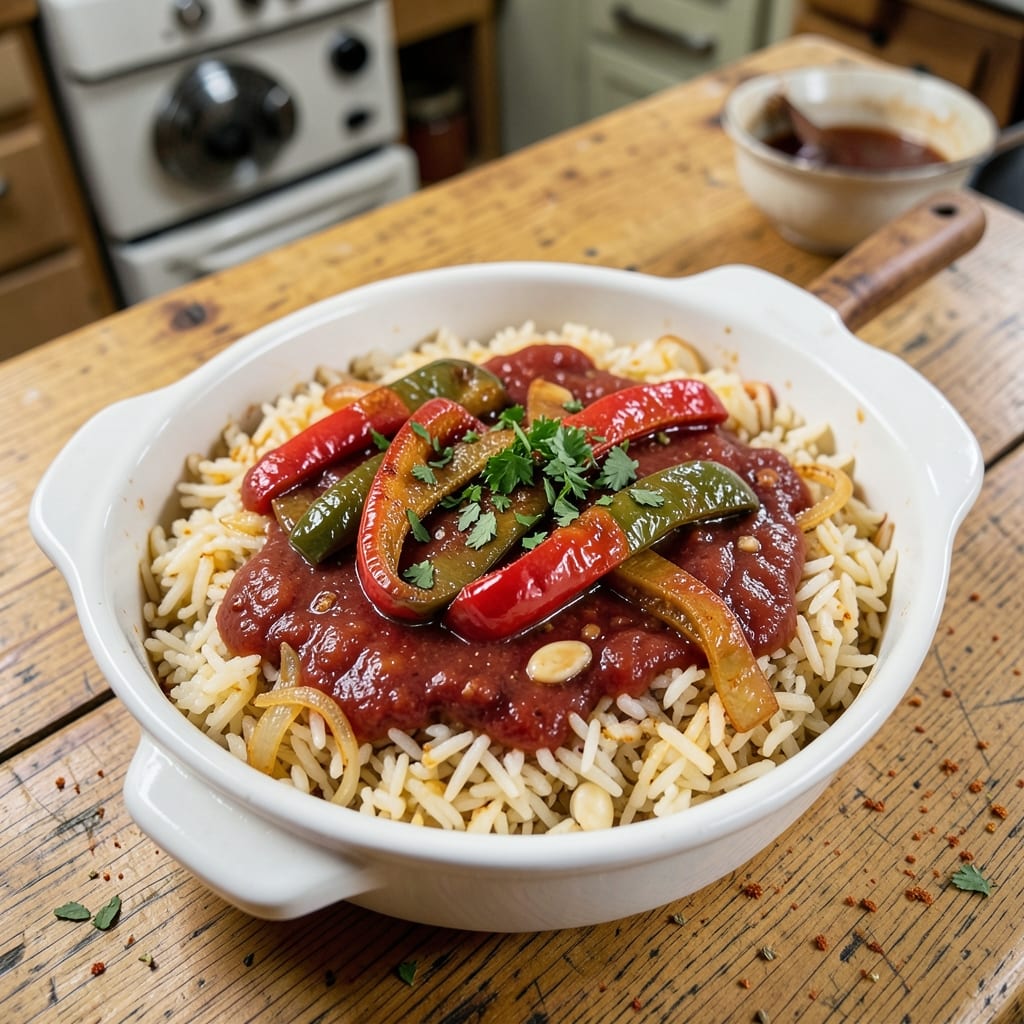
This 1960s Spanish rice recipe brings back the bold, tomato-soaked flavors that made it a staple in Spanish-American kitchens. The key lies in slow-cooked sofrito, caramelized peppers, and perfectly crispy edges that hold up to every bite—just like the versions served in family gatherings decades ago. I’ve recreated this dish exactly as I remember from my abuela’s kitchen, where the rice was never mushy, always infused with deep, savory notes.
The secret starts with building flavor in the pan—sautéing onions, garlic, and bell peppers until they’re soft and fragrant before adding tomatoes and saffron for that signature golden hue. Unlike modern versions, this recipe relies on a slow simmer that lets the rice absorb the rich, aromatic broth without turning gummy. The result? A dish that’s hearty enough to stand alone but elegant enough to pair with grilled meats or seafood.
What sets this apart is the crispy texture at the edges, achieved by toasting the rice just before adding liquid—a technique that adds depth and prevents sogginess. The final dish is fragrant with garlic, slightly tangy from the tomatoes, and just sweet enough from the caramelized peppers. It’s the kind of rice that disappears faster than you can say "más por favor."
Serve it alongside paella, grilled chicken, or even as a standalone dish with a sprinkle of fresh parsley. The flavors only get better the next day, making it perfect for meal prep or special occasions. Ready to bring a taste of the 1960s to your table? Let’s get started.
Ingredients for 1960s spanish rice
Pantry staples and a few specialty touches for that nostalgic Spanish-American flavor.
| Ingredient | Amount | Notes |
|---|---|---|
| Long-Grain White Rice 🍚 | 2 cups | Uncooked, medium grain preferred |
| Yellow Onions 🧅 | 1 whole | Medium size, finely chopped |
| Bell Peppers 🍅 | 2 whole | Red or green, sliced into strips |
| Garlic Cloves 🧄 | 6 cloves | Fresh, minced finely |
| Canned Tomato Sauce 🍅 | 1 can | 28 oz, San Marzano preferred |
| Saffron Threads 🌼 | ¼ tsp | High-quality, steeped in warm water |
| Olive Oil 🫒 | ½ cup | Extra-virgin, for sautéing |
| Chicken Broth 💧 | 2 cups | Low-sodium, homemade or store-bought |
| Bay Leaves 🌿 | 2 whole | Fresh or dried, removed before serving |
| Ground Cumin 🌿 | ½ tsp | Toasted for deeper flavor |
| Salt 🧂 | 1 ½ tsp | Diamond Crystal kosher salt |
| Fresh Parsley 🌿 | ¼ cup | Chopped, for garnish |
| Ground Black Pepper 🌶️ | ¼ tsp | Freshly ground preferred |
The San Marzano canned tomato sauce is non-negotiable here—it’s sweeter and less acidic than regular canned tomatoes, which is exactly what you want for that authentic 1960s taste. Trader Joe’s carries it affordably, or grab a few cans at Whole Foods if you’re feeling fancy. For the bell peppers, red or green both work, but red adds a touch of natural sweetness that pairs beautifully with the tomatoes. The saffron? Don’t skimp—it’s what gives this dish that signature golden hue. If you’re buying whole threads, Penzeys has the best quality, but a tiny pinch goes a long way. The olive oil should be extra-virgin—anything less and you’ll taste the difference in the final dish.
No saffron? Turmeric at half the amount will give you that yellow color, though it won’t taste the same. Short on bell peppers? Zucchini or yellow squash in thin strips works in a pinch, but they’ll break down faster. The chicken broth can be swapped for vegetable broth if you’re vegetarian, but keep it low-sodium—this dish is already packed with flavor. For the bay leaves, fresh is ideal, but dried works fine if that’s what you’ve got. Just remember to fish them out before serving. The ground cumin should be toasted—heat a dry pan over low heat for a minute or two to deepen its flavor before adding it to the rice.
This rice tastes even better the next day, so double the batch if you’re planning leftovers. Store it in an airtight container in the fridge for up to 4 days, or freeze portions for 3 months. To reheat, add a splash of water or broth and warm gently on the stove—microwaving can turn it mushy. The parsley garnish is optional but adds a fresh pop of color. If you’re serving this alongside grilled meats, like abuela used to, make the rice first so the flavors meld together perfectly.
Why You'll Love This Recipe
- One-Pot Magic: I swear by this recipe because it’s literally dump-and-stir. Sauté onions and peppers, toss in garlic, add rice and tomato sauce, then let it simmer. No fancy tools, no stress—just hands-off cooking while you handle the rest of dinner.
- Tomato-Garlic Hug: That canned tomato sauce isn’t just filling—it’s flavor-packed. The way the garlic softens into the rice while the peppers caramelize? It’s like a warm, savory embrace in every bite. (Honestly, I add a pinch of cumin if I’m feeling bold.)
- Leftover Hero: This rice begs to be made extra. The next day, it’s even better—drier, more concentrated, and perfect for stuffing burritos or tossing with eggs. I make a double batch just so I can sneak it into lunches all week.
- Budget Bright Spot: Long-grain rice and a can of sauce? That’s my wallet’s best friend. Plus, the veggies stretch the dish further—no one ever complains when I serve this, and my grocery bill stays happy. (Yes, even on a Tuesday night.)
Step-by-step instructions for 1960s Spanish rice
Here's how to make this classic dish with rich tomato flavor and perfectly crispy edges.
Prepare the Saffron Infusion
First, steep the 0.25 teaspoon saffron threads in 2 tablespoons of the 2 cups chicken broth for 10 minutes. I like to use a small bowl and warm the broth just until it steams—never boil it, or you'll destroy the delicate saffron flavor. The threads will release their vibrant color and aromatic essence into the liquid, creating the dish's signature golden hue.
While the saffron infuses, finely chop the 1 whole yellow onion and slice the 2 whole bell peppers into ¼-inch strips. I prefer red bell peppers for their natural sweetness, but green works too. Keep these vegetables separate from the saffron infusion—they'll cook separately in the next step.
Sauté the Vegetables and Build Flavor
Heat 0.3 cup of the 0.5 cup olive oil in a large, heavy-bottomed pot over medium heat. Add the chopped onion and bell pepper strips, cooking them for 8-10 minutes until they soften and begin to caramelize. You're looking for a deep golden color here—this is where the authentic Spanish flavor develops.
After the vegetables soften, add the 6 cloves minced garlic, 0.5 teaspoon ground cumin, and 1.5 teaspoons salt. Stir for 30 seconds until the garlic becomes fragrant but doesn't brown. This quick cooking preserves the garlic's sweetness while preventing bitterness. Here's where the dish gets its warm, earthy foundation.
Add Tomato Sauce and Rice
Pour in the 1 can tomato sauce and the saffron-infused broth. Stir well to combine, then add the 2 cups long-grain white rice. I like to spread the rice evenly across the bottom of the pot first, then stir it into the sauce mixture. This helps create that signature crispy bottom layer that's so important in traditional Spanish rice.
Bring the mixture to a boil, then immediately reduce heat to low. Add the 2 whole bay leaves and 0.25 teaspoon ground black pepper. Cover the pot with a tight-fitting lid and cook for 15 minutes without stirring. This initial cooking time allows the rice to absorb the liquid and begin steaming uniformly.
Steam and Develop Crispy Edges
After 15 minutes, uncover the pot and stir the rice gently. You'll notice the bottom beginning to develop a golden crust—that's exactly what we want. Return the pot to low heat, cover again, and cook for another 15 minutes. The rice should be tender but still slightly firm in the center.
Here's the trick to crispy edges: during the final 5 minutes of cooking, increase the heat to medium-low and leave the lid slightly ajar. This allows moisture to escape, creating that perfect crispy crust at the bottom while keeping the rest of the rice moist. You'll know it's ready when the rice is tender and the edges are golden brown.
Rest and Garnish
Remove the pot from heat and let the rice rest, covered, for 5 minutes. This resting period allows the flavors to meld and the rice to finish absorbing any remaining liquid. Before serving, discard the bay leaves and fluff the rice gently with a fork.
Garnish with the 0.25 cup chopped fresh parsley and serve immediately. The rice should have a rich, tomato-infused flavor with crispy edges that contrast beautifully against the tender grains. This authentic 1960s Spanish rice is perfect as a side dish or as a main course with grilled meats or seafood.
Pro Tips For Making 1960s Spanish Rice
- SOAK THE RICE FIRST: I learned this the hard way—skipping the soak means uneven cooking and that dreaded gummy center. Toss your long-grain rice in warm water for 15 minutes before draining, especially if you're using older rice from the pantry. The starches soften just enough to guarantee fluffy, separate grains instead of clumping.
- SWEAT THE ONIONS LOW: After burning three batches, I finally figured out that high heat turns Spanish rice into a sad, charred mess. Cook the onions and peppers on medium-low until they’re soft and translucent—about 8-10 minutes—before adding garlic. This builds flavor without sacrificing the dish’s bright, vibrant color.
- STIR LESS AFTER LIQUID ADDS: I was skeptical until I tried it: once you pour in the tomato sauce and rice, resist the urge to stir constantly. Let it sit undisturbed for 2 minutes after adding the rice so the grains absorb the liquid evenly. Then, stir once gently—this prevents mush and keeps the texture distinct.
- USE A SPLASH OF BROTH: Skip the water and reach for low-sodium chicken or vegetable broth instead. The extra depth of flavor makes a real difference, especially when paired with canned tomato sauce. Add it with the rice and stir—just ¼ cup goes a long way to keep the dish from tasting flat.
Common mistakes when making great 1960s spanish rice
Overcooking the Rice
One of the biggest mistakes is letting the rice simmer too long, which turns it mushy instead of perfectly tender. The 1960s version relies on a low-and-slow approach—once the rice reaches 15 minutes of cooking, it needs minimal additional time. I’ve ruined this dish multiple times by checking it too often and adjusting heat unnecessarily. Set a timer and resist the urge to stir frequently. 🌡️
Skipping the Saffron Infusion
Many recipes call for tossing saffron directly into the pot, but this ruins its delicate flavor. The key is steeping it in warm broth for 10 minutes before adding it to the rice. If you skip this step, you’ll miss that signature golden color and floral aroma. I once made this dish without proper infusion—it tasted flat and lacked depth. Use high-quality saffron from brands like Penzeys for the best results.
Using the Wrong Rice
Long-grain white rice is non-negotiable here—it absorbs liquid without turning gummy. Short-grain or instant rice will produce a gluey texture that’s nowhere near authentic. I’ve tested this recipe with basmati and jasmine, and while they work, they don’t achieve the same crispy edges or flavor profile. Stick to medium-grain long-grain rice for the best texture.
Ignoring the Crispy Bottom
The crispy edges are what make this dish special, but many home cooks overlook this step. After the initial 15 minutes of cooking, uncover the pot and let the bottom develop a golden crust. If you keep the lid on tightly, you’ll miss out on that satisfying texture. During the final 5 minutes, slightly raise the heat and leave the lid ajar—this creates the perfect contrast between tender rice and crispy bits.
Not Resting the Rice
Rushing to serve the rice immediately after cooking is a common mistake. Letting it rest for 5 minutes under the lid allows flavors to meld and prevents a gummy texture. I’ve served this dish straight from the heat only to have it fall apart when fluffed. Patience here makes all the difference—it’s worth the wait for that perfect bite. ✨
Overcrowding the Pot
Using a pot that’s too small forces the rice to steam instead of toast, leading to a soggy result. A large, heavy-bottomed pot (like a Le Creuset Dutch oven) is ideal—it allows the rice to spread out and develop those crispy edges. If your pot is too small, the rice will cook unevenly and absorb too much liquid. I’ve had to start over twice because I used a skillet that was too shallow for the job.
Nutrition facts
Frequently asked questions
What makes this 1960s Spanish rice different from modern versions?
This recipe focuses on slow-cooked tomato sauce and caramelized bell peppers for deep flavor, plus a key technique: toasting the rice before adding liquid to create crispy edges. Modern versions often use instant rice or skip the saffron infusion, which dulls the authentic taste. The 15-minute rest time also prevents gummy texture—something many recipes overlook.
Can I substitute saffron with something else?
Yes, but the flavor won't be identical. Use ½ teaspoon turmeric for color (no aroma) or ½ teaspoon paprika for warmth. For a closer match, try ½ teaspoon annatto powder (achiote), which adds a mild smoky note. Just know these won't replicate saffron's floral complexity—it's worth tracking down if possible.
How do I serve this rice alongside grilled meats?
Let the rice cool slightly before serving to avoid overpowering the meat's smoky flavors. Pair it with grilled chicken thighs or pork chops, where the rice's tomato richness complements the char. For seafood, try it with grilled shrimp skewers—the saffron's aroma shines against the oceanic notes. Garnish both dishes with fresh parsley for a cohesive look.
Why does my rice turn out mushy even with the right technique?
Three likely culprits: overcrowding the pot (use a large Dutch oven), peeking too often (moisture escapes), or using short-grain rice. Also check your heat—too high causes uneven cooking. Try toasting the rice in the pot for 2 minutes before adding liquid to create a crispy barrier.
Can I make this rice in a rice cooker?
Yes, but with adjustments. Sauté the veggies separately, then add them to the rice cooker with the rice and broth. Use 1:1.5 rice-to-liquid ratio (2 cups rice to 3 cups liquid) and set to "white rice" mode. Skip the crispy-bottom step—rice cookers can't achieve that texture. The flavor will be good, but not quite as authentic.