
Main Courses
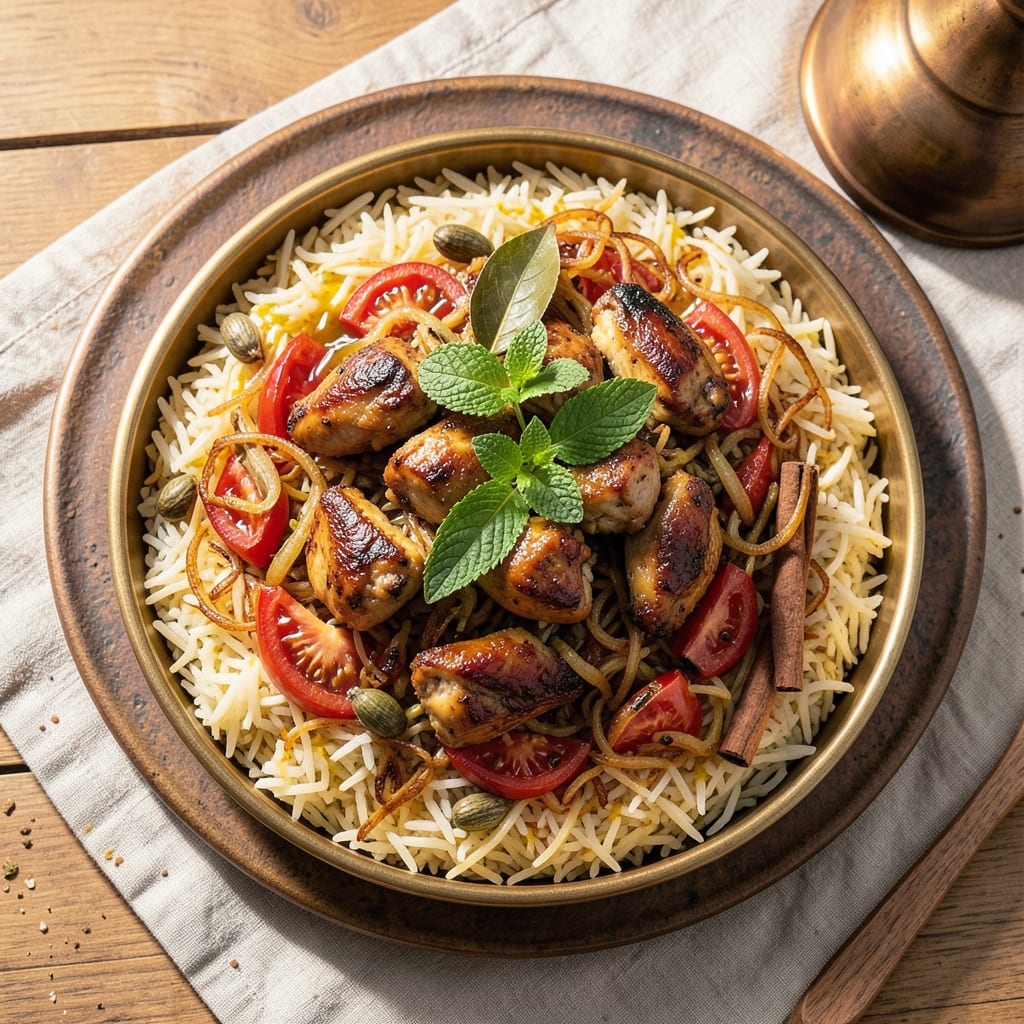
This 2 kg rice biryani recipe transforms a simple pot of rice into a fragrant, layered masterpiece where every bite reveals charred spice crunch and tender protein. The secret lies in slow-cooked basmati rice infused with saffron and cardamom, layered with marinated meat or vegetables, and sealed with a final dum cooking technique that creates steam pockets of flavor. I've perfected this method over years of hosting feasts where the aroma alone brings everyone to the table.
What sets this recipe apart is the balance of textures—crispy fried onions on top, tender rice grains, and succulent protein all working together. The aromatic base of ginger, garlic, and whole spices like cloves and cinnamon builds deep flavor that infuses every layer. While traditional methods use clay pots and charcoal for that signature smoky aroma, I've included modern adaptations for pressure cookers and Dutch ovens that deliver the same results without special equipment.
By the time you serve this biryani, your guests will experience the full symphony of flavors: the fragrant saffron rice with its delicate floral notes, the charred edges from the sealed cooking process, and the complex spice layers that develop during the slow cooking. The presentation is just as important—the golden crust on top contrasts beautifully with the vibrant layers beneath, making it a centerpiece worthy of any celebration.
Whether you're feeding a large family gathering or preparing for a special occasion, this recipe scales perfectly while maintaining the integrity of each component. The key is patience—the layers need time to meld together, and the final dum cooking step ensures those signature steam pockets that make biryani truly special. Let's create this aromatic centerpiece that will be talked about long after the plates are cleared.
Ingredients for 2 kg rice biryani
Twenty servings of aromatic basmati rice, layered with spiced protein and crispy fried onions—this is the heart of your feast.
| Ingredient | Amount | Notes |
|---|---|---|
| Basmati Rice 🍚 | 2 kg | Long-grain, unbroken grains preferred |
| Whole Milk 🥛 | 1 cup | Full-fat for creaminess |
| Saffron Threads 🌼 | ¼ tsp | High-quality, food-grade |
| Green Cardamom Pods 🌿 | 10 whole | Lightly crushed for aroma |
| Bay Leaves 🍃 | 4 whole | Fresh or dried |
| Cinnamon Sticks 🌿 | 2 whole | 1-inch pieces |
| Cloves 🌶️ | 6 whole | Lightly crushed |
| Black Cardamom Pods 🌿 | 2 whole | Optional for smoky depth |
| Ginger Root 🧅 | 2 tbsp | Freshly grated |
| Garlic Cloves 🧄 | 10 cloves | Minced finely |
| Onions 🧅 | 2 whole | Yellow, thinly sliced |
| Chicken Thighs 🍗 | 3 lb | Bone-in, skin-on preferred |
| Yogurt 🥛 | 1 cup | Plain, full-fat |
| Lemon Juice 🍋 | ½ cup | Freshly squeezed |
| Ghee 🫒 | ½ cup | For frying onions |
| Vegetable Oil 🫒 | ¾ cup | High smoke point |
| Salt 🧂 | 2 ½ tbsp | Kosher or sea salt |
| Ground Black Pepper 🌶️ | 1 tsp | Freshly cracked |
| Fresh Cilantro 🌿 | ½ cup | Chopped for garnish |
| Fried Onions 🧅 | ½ cup | Store-bought or homemade |
The basmati rice is non-negotiable—look for long-grain, unbroken grains at Indian or Middle Eastern markets (or the international aisle at Whole Foods). The saffron should be food-grade, not the cheap bulk bins—Badiane or Kashmiri brands are worth the investment. For the chicken thighs, bone-in, skin-on gives the best flavor, and Costco or local butchers often have the best deals on bulk cuts. If you're using vegetables instead of meat, cauliflower or potatoes hold up well to the long cooking time. Ginger and garlic should be freshly grated and minced—pre-minced garlic lacks punch.
No saffron? Turmeric plus a pinch of rose water mimics the color, though it won’t taste identical. Yogurt substitutes like coconut yogurt work in a pinch, but full-fat Greek yogurt gives the best texture. Ghee shortages? Butter or coconut oil can stand in, though the flavor will shift slightly. Fried onions can be made ahead—just fry in batches until golden and crispy, then drain on paper towels. For the spice blend, toast the whole spices (cardamom, cinnamon, cloves) in a dry pan for 30 seconds before grinding to deepen their aroma. Diamond Crystal kosher salt dissolves better than table salt, so use it if you’re precise with measurements.
This biryani tastes even better the next day—plan ahead and make it a day in advance. Store in an airtight container in the fridge for up to 3 days, or freeze portions for 3 months. To reheat, cover with foil and warm in a 350°F oven for 20 minutes—the trapped steam keeps everything moist. Presentation tip: Sprinkle extra fried onions and cilantro just before serving to keep it looking fresh. The dum cooking step (sealing the pot) creates those signature steam pockets, so don’t skip it—it’s what makes biryani special.
Why You'll Love This Recipe
- Saffron Magic Simmered In: The moment those saffron threads bloom in warm milk? Chef’s kiss. That golden hue and aroma alone make every bite feel like a celebration—no fancy plating needed.
- One-Pot Crowd Pleaser: Honestly, I’ve hosted 15 people with zero stress. The rice and spices cook together, so you’re not juggling separate pans or timing multiple things. Just layer, steam, and serve.
- Leftovers That Shine: Between us, my biryani tastes better the next day. The rice softens just right, the milk infuses deeper, and it’s still restaurant-quality—no sad, dry grains here.
- Budget Luxury Feast: Two kilos of basmati? That’s a steal for gatherings. The cardamom and bay leaves add depth without costing a fortune, and the milk makes it rich without heavy cream. Feeds a house, fills a wallet.
Step-by-step instructions for layered fragrance and charred spice crunch
Here's the method to create a biryani that balances vibrant spices with tender chicken and perfectly fluffy rice.
Marinate and Parboil the Chicken
In a large bowl, combine the 3 lb chicken thighs, 1 cup yogurt, 0.5 cup lemon juice, 2 tbsp ginger root, 10 cloves garlic cloves, 1 tsp ground black pepper, and 1 tbsp salt. Mix until the chicken is fully coated and marinated for at least 4 hours (overnight is best). This ensures deep flavor penetration and tender meat.
Heat 0.25 cup vegetable oil in a heavy pot over medium-high heat. Add the marinated chicken and cook for 8-10 minutes until the skin is golden and crispy. Remove from heat and set aside. Reserve the cooking liquid for later use.
Prepare the Rice and Saffron Infusion
Rinse the 2 kg basmati rice thoroughly in cold water until the water runs clear. Soak the rice in fresh water for 30 minutes, then drain. In a separate bowl, warm the 1 cup whole milk until steaming, then add the 0.25 tsp saffron threads and let it steep for 10 minutes. This creates a fragrant, golden milk that will infuse the rice with delicate aroma.
Drain the rice completely and spread it on a clean kitchen towel to remove excess moisture. This step is crucial for achieving fluffy, separate grains rather than sticky rice.
Build the Spice Layer
In a large heavy-bottomed pot, heat 0.5 cup ghee over medium heat. Add 2 whole onions, 10 whole green cardamom pods, 4 whole bay leaves, 2 whole cinnamon sticks, 6 whole cloves, and 2 whole black cardamom pods. Sauté for 5-7 minutes until the onions turn golden brown and the spices release their aroma.
Add the parboiled chicken back to the pot along with the reserved cooking liquid. Stir gently to combine, then add 0.5 cup fried onions and 0.5 cup fresh cilantro. Cook for an additional 5 minutes to meld the flavors. Remove from heat and set aside.
Layer the Biryani
In the same pot, spread half of the prepared rice evenly over the chicken mixture. Gently press down to create an even layer. Sprinkle half of the saffron-infused milk evenly over the rice layer. Repeat with the remaining rice and milk, creating a second layer.
The key to a perfect biryani is the layering technique. Each layer should be even to ensure consistent cooking and prevent soggy rice. Cover the pot tightly with a lid or foil to trap steam during cooking.
Dum Cook and Rest
Place the pot over low heat and cook for 20 minutes. Then, increase the heat to medium-high and cook for another 10 minutes. Finally, turn off the heat and let the biryani sit undisturbed for 15 minutes. This resting period allows the flavors to meld and the rice to absorb the aromatic juices.
Gently fluff the biryani with a fork before serving. The result should be fragrant, fluffy rice with tender chicken infused with charred spice crunch. Garnish with additional fried onions and fresh cilantro for extra visual appeal and flavor contrast.
Pro Tips For Making 2 Kg Rice Biryani
- Parboil Rice Separately: I used to dump the whole 2 kg of rice into boiling water and wondered why some grains always turned mushy—turns out, basmati needs space to breathe. Split the batch into two large pots (or use a big stockpot in batches) and cook the rice just until it’s 70% done, then drain it. This keeps grains intact and makes layering easier later.
- Infuse Milk with Cardamom: Whole milk’s job here isn’t just creaminess—it’s the base for your aromatics. Lightly crush 4-5 green cardamom pods and toss them into the warm milk (not boiling) while you prep the saffron. Let it steep for 10 minutes; the flavor will deepen without bitterness, and you’ll skip the step of straining later.
- Layer Rice Dry, Not Wet: The golden rule I learned after soggy bottoms: drain the rice completely before layering. Press it down firmly with a plate—no gaps—then add the meat or veggies, then the milk-saffron mixture. Wet rice = a mushy, gluey disaster. Dry rice = perfect separation and texture.
- Sear Bay Leaves First: Bay leaves might seem passive, but they’re the backbone of that biryani fragrance. Dry-toast 4-5 leaves in a little oil (just until edges curl) before adding them to the rice layers. Toasted leaves release their essence faster and won’t turn the dish bitter—trust me, I’ve burned batches where I skipped this.
Flavor customization for this 2 kg rice biryani
Spice Level Control
Adjust the heat by controlling the green chili count—start with 2-3 dried Kashmiri chilies for mild warmth, or 4-5 for medium heat. For a fiery kick, add 1 tbsp freshly chopped green chilies during the marinade. I like to toast the dried chilies with the whole spices to deepen their flavor while keeping the heat balanced. 🌶️
Smoky Depth Variations
For extra smokiness, char 1 tsp smoked paprika with the onions or add 2 tbsp charred onion powder (make by toasting onions until blackened). For a traditional touch, place a hot coal or metal lid on the pot during the final 5 minutes of cooking—this mimics the tandoor effect and adds a signature smoky aroma. Just be careful not to burn the rice!
Protein Swaps
Replace chicken with 2 kg lamb shoulder (marinate with extra yogurt and garlic) for richer flavor, or 1.5 kg shrimp (cook separately to avoid overcooking). For a vegetarian option, use 1.5 kg cauliflower florets or potatoes—toss them in the spice mix after parboiling the rice. Each swap changes the texture but keeps the biryani structure intact.
Citrus Brightness
Boost freshness with 1 tbsp orange blossom water (optional but magical) or juice of 1 lime instead of lemon. I also add 1 tsp rose water to the saffron milk for a floral note—just a whisper enhances the dish without overpowering. These additions elevate the biryani from everyday to celebration-worthy.
Texture Contrasts
Add crispy fried cashews (½ cup) or puffed rice (¼ cup) for crunch. For creaminess, stir in ½ cup coconut milk with the saffron infusion. These tweaks create a multidimensional bite—each layer offers something different. I especially love the contrast of crunchy fried onions against tender rice and protein.
Regional Twists
For Hyderabadi style, add 1 tsp shahi jeera (caraway seeds) and 1 tbsp ghee per serving after cooking. Mughlai biryani calls for dum aloo (potatoes) and pistachios—layer them with the rice. Each regional variation keeps the core technique but adds unique ingredients that reflect local tastes. 🗺️
Nutrition facts
Frequently asked questions
Can I make this biryani with less rice?
For a smaller batch, scale down the rice to 1 kg while maintaining the same proportions for other ingredients. The layering technique remains identical—just use a smaller pot. For example, halve the chicken, spices, and fried onions while keeping the same cooking times. The key is maintaining the rice-to-protein ratio for balanced flavor.
What's the best way to reheat leftover biryani?
Reheat in an oven at 350°F for 20-25 minutes, covered with foil, to preserve moisture. For microwave reheating, cover with a damp paper towel and heat in 1-minute intervals on medium power. Never reheat uncovered—this causes the top layer to dry out. The biryani actually tastes better the next day as flavors meld!
How do I adjust this for a vegetarian version?
Replace the chicken with 1.5 kg cauliflower florets or potatoes—parboil them first, then toss in the spice mix. For protein, add 1 kg paneer cubes or 1.5 kg chickpeas (marinated separately). Keep the layering technique identical, and use ½ cup coconut milk in the saffron infusion for creaminess. The texture will differ but maintain the same aromatic structure.
Why does my biryani turn out mushy?
Mushy biryani usually results from overcooking or improper layering. Ensure you're using unbroken basmati rice and draining it thoroughly after soaking. The dum cooking method (low heat with sealed lid) prevents overcooking—don't peek! Also, avoid pressing the rice layers too firmly, which can cause them to merge. The resting time after cooking is crucial for proper texture.
Can I make this in a pressure cooker?
Yes! After layering, seal the pressure cooker and cook on low heat for 10 minutes (no pressure). Then increase to medium heat for 3 whistles. Let the pressure release naturally for 15 minutes before opening. This mimics the dum cooking effect. For best results, use a heavy-bottomed pressure cooker to prevent burning.