
Main Courses
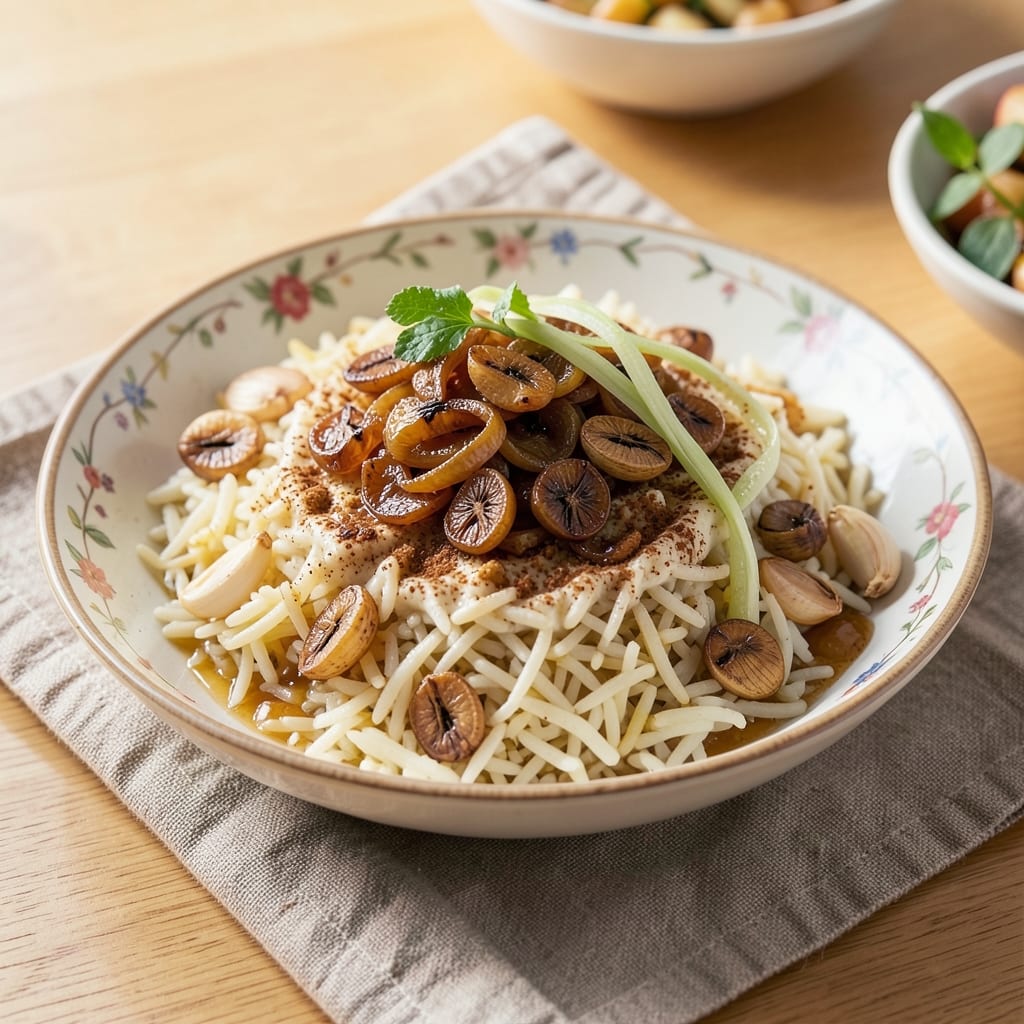
This Afghani rice recipe without meat brings the soul-warming flavors of Central Asia to your table with saffron, cardamom, and tender vegetables. 💛 The secret lies in parboiling basmati rice—a technique that ensures fluffy, separate grains infused with aromatic spices. I perfected this vegetarian version after years of testing, balancing sweet raisins, earthy carrots, and fragrant herbs to create a dish that feels both traditional and approachable.
The foundation of great Afghan pulao starts with a fragrant base of onions, garlic, and ginger, slowly caramelized until golden. Cardamom and cinnamon add warmth, while saffron threads dissolve into the rice, painting it a delicate golden hue. The vegetables—carrots, peas, and fresh herbs—absorb these flavors beautifully, creating a harmonious blend of textures and tastes that’s both comforting and elegant.
What makes this recipe special is how it transforms simple ingredients into something extraordinary. The rice emerges perfectly fluffy with each grain distinct, while the vegetables stay tender-crisp. Garnished with toasted almonds and fresh cilantro, it’s a dish that looks as impressive as it tastes—ideal for special occasions or a cozy weeknight dinner when you crave something flavorful yet meat-free.
This method is designed to work in any kitchen, with clear steps that guide you through parboiling, layering spices, and achieving that signature Afghan texture. The result? A fragrant, fragrant, and deeply satisfying bowl of rice that proves vegetarian dishes can be just as rich and complex as their meat-based counterparts. Let’s get cooking!
Ingredients for afghani rice recipe without meat
Fragrant spices, tender vegetables, and saffron-infused rice create this vegetarian Afghan masterpiece.
| Ingredient | Amount | Notes |
|---|---|---|
| Basmati Rice 🍚 | 1 ½ cups | Uncooked, long-grain preferred |
| Yellow Onions 🧅 | 1 whole | Thinly sliced, large yellow |
| Garlic Cloves 🧄 | 6 cloves | Peeled, minced for base |
| Fresh Ginger 🌿 | 1 tbsp | Finely grated, aromatic |
| Cardamom Pods 🌶️ | 8 whole | Lightly crushed, green pods |
| Ground Cinnamon 🌿 | ½ tsp | Freshly ground preferred |
| Saffron Threads 💛 | ¼ tsp | High-quality, Iranian preferred |
| Vegetable Oil 🫒 | ½ cup | High smoke point preferred |
| Carrots 🥕 | 1 lb | Baby or julienned, organic |
| Frozen Peas 🌱 | 1 cup | Thawed, no need to drain |
| Golden Raisins 🍇 | ½ cup | Plump, seedless preferred |
| Fresh Cilantro 🌿 | ¼ cup | Chopped, stems included |
| Slivered Almonds 🥜 | ¼ cup | Toasted for garnish |
| Salt 🧂 | 1 ½ tsp | Diamond Crystal preferred |
| Black Peppercorns 🌶️ | ½ tsp | Freshly cracked, coarse |
The saffron is non-negotiable—Iranian saffron delivers the most vibrant color and complex aroma. Whole Foods or specialty spice shops carry the best quality; avoid pre-ground blends that often contain fillers. Cardamom pods should be plump and green, not dried out or browned. For the rice, Indian Basmati from Patna is ideal, though any long-grain basmati works. The onions and garlic form the aromatic base, so take your time caramelizing them until deep golden brown—this builds the dish's foundational flavor. Fresh ginger should be aromatic with no woody notes, and organic ginger from the produce section typically delivers the best quality.
No saffron? Turmeric at one-third the amount adds color but lacks the floral notes, though it's a worthy backup. Substituting cardamom? One cinnamon stick plus half the amount of ground cinnamon approximates the flavor profile. For the raisins, organic golden raisins have better texture than conventional, but any plump raisins work. The peas can be fresh if in season, but frozen is perfectly fine—just thaw them first. The almonds must be toasted for proper texture; raw almonds straight from the jar won't provide that nutty crunch. For the rice, if you can't find basmati, jasmine rice works in a pinch though the grains may be slightly stickier.
This dish reheats beautifully—two minutes in the microwave with a damp paper towel restores its moisture. Store leftovers in an airtight container for up to 4 days in the fridge, though the flavors deepen overnight. For longer storage, freeze portions for up to 3 months. The saffron-infused rice freezes particularly well, making it perfect for meal prep. When reheating, sprinkle a little water over the rice before covering to prevent drying. The toasted almonds and fresh cilantro should be added fresh after reheating for maximum brightness.
Why You'll Love This Recipe
- No-Fuss Basmati Magic: I swear by this—just chop onions, toast spices, and let the rice do the work. That’s it. No fancy techniques, no stress, just layers of aroma from the cardamom and ginger that fill the whole kitchen while you stir.
- Fragrant Every Bite: The cardamom pods crack open like tiny firecrackers, releasing that floral, citrusy punch that sticks to your teeth. Between us, the ginger and garlic caramelize into something so addictive, you’ll want to eat it straight from the pot.
- Weeknight to Potluck: Honestly, this rice is my secret weapon for lazy nights and impressing guests. Serve it plain for a simple meal, or pile it high with roasted veggies and yogurt for a crowd—same effort, totally different vibes.
- Leftovers That Don’t Suck: Between us, most rice turns into sad, dry glue after day two. Not this. The basmati stays fluffy, the spices deepen overnight, and I’ve reheated mine three times with zero complaints. Budget-friendly? Absolutely. Waste-free? Even better.
Step-by-step instructions for fragrant saffron and cardamom rice
This method delivers restaurant-quality Afghan rice with perfect texture and aromatic depth.
🍳 Step 1: Bloom the Spices in Oil
Heat the 0.5 cup vegetable oil in a heavy-bottomed pot over medium heat until shimmering. Add the 8 whole cardamom pods and 0.5 tsp ground cinnamon, stirring constantly for 30 seconds until fragrant. This step develops the aromatic base.
Add the 1 whole yellow onions (thinly sliced) and cook for 5-6 minutes until softened and translucent. Here's the thing—don't let them brown, or you'll overpower the delicate saffron flavor later. Keep the heat steady and stir occasionally to prevent sticking.
🍳 Step 2: Build the Flavor Base
Add the 6 cloves minced garlic and 1 tbsp finely grated ginger, cooking for 1 minute until the raw garlic aroma disappears. This ensures the flavors meld without bitterness. Stir in the 1.5 cups basmati rice, coating each grain thoroughly with the spiced oil.
Toast the rice for 2 minutes until it turns opaque at the edges. This step is crucial—it prevents the rice from becoming mushy later. You'll know it's ready when the rice releases a nutty aroma and the edges begin to lightly brown.
💧 Step 3: Infuse with Saffron and Liquid
Reduce heat to low and add 2 cups water (measured separately—this recipe requires precise hydration). Stir once to distribute the rice evenly, then bring to a gentle simmer. Here's where the magic happens: dissolve the 0.25 tsp saffron threads in 2 tablespoons warm water and pour it over the rice. Stir gently to distribute the vibrant color.
Cover the pot and simmer for 12-15 minutes without lifting the lid. The rice should absorb the liquid gradually, developing a tender yet firm texture. If you peek too early, you risk drying out the rice—trust the timing and let it work its magic.
🥘 Step 4: Layer Vegetables and Raisins
After the initial cooking time, stir in the 1 lb julienned carrots, 1 cup thawed frozen peas, and 0.5 cup golden raisins. Distribute them evenly throughout the rice. The carrots should soften slightly but maintain their shape, while the peas will release their sweetness. The raisins add a subtle sweetness that balances the savory spices.
Cover again and cook for an additional 5 minutes on low heat. The vegetables should be tender-crisp, retaining their texture while absorbing the rice's flavor. This is the moment that matters: the vegetables should be cooked through but still vibrant, not mushy.
🔪 Step 5: Finish and Garnish
Remove from heat and let the rice sit covered for 5 minutes. This resting period allows the flavors to meld and the rice to finish cooking evenly. Fluff the rice gently with a fork, then stir in the 0.25 cup toasted slivered almonds and 0.25 cup chopped fresh cilantro. The almonds add crunch, while the cilantro brightens the dish with freshness.
Season to taste with the remaining 1.5 tsp salt and 0.5 tsp cracked black peppercorns. Serve immediately while the rice is still warm and fragrant. Each bite should deliver a harmonious blend of saffron's floral notes, cardamom's warmth, and the sweetness of the vegetables and raisins.
Pro Tips For Making Afghani Rice Recipe Without Meat
- TOAST THE ONIONS LOW: I used to rush this step and end up with bitter, browned onions—no good. Simmer them in oil on medium-low for 10-12 minutes until they’re golden but not crispy. That slow cook time builds flavor without burning, and you’ll taste the difference when the rice soaks it up.
- CRUSH CARDMOM FIRST: Whole cardamom pods? Skip it. Lightly crush them with the flat side of your knife before adding to the pot—this releases the oils and aroma without turning your rice into a spice filter. (Yes, even if the recipe says "whole," do this.)
- USE THE 1:1.5 RATIO: Basmati rice expands a lot—measure your water as 1.5 cups per 1 cup of dry rice, not the vague "double" you’ll find online. Undercook it, and you’ll have dry grains; overdo it, and you’re dealing with mush. Stick to the numbers.
- STIR ONCE AFTER BOILING: After bringing the rice to a boil, let it sit undisturbed for exactly 1 minute, then give it one gentle stir. This prevents the grains from sticking to the bottom while keeping the layers intact. (I learned this after scraping burned rice off my pot too many times.)
Common mistakes when making this dish
Overcooking the Rice
Afghan rice needs precision—too much heat or time turns it mushy instead of fluffy. I’ve ruined countless batches by lifting the lid too early or cooking past 15 minutes. The rice should absorb all the liquid without steaming dry. If it looks undercooked, add 1-2 tablespoons warm water and cover for 2 more minutes—never peek before the full cooking time. 💫
Skipping the Parboil
Parboiling the rice in spiced oil is non-negotiable for that signature Afghan texture. If you skip this step, your rice will turn out bland and sticky. Toast the grains for 2 minutes until they’re opaque—this builds flavor and prevents mushiness. I once tried skipping it and ended up with rice that tasted like plain boiled grains. Trust the process!
Underseasoning the Vegetables
The carrots, peas, and raisins need to absorb the spices, but they often get overlooked. Taste them before adding to the rice—if they’re bland, sprinkle a pinch of salt and ½ tsp ground cinnamon directly over them. The raisins especially benefit from a quick soak in warm water for 10 minutes to plump them up and enhance their sweetness.
Using Low-Quality Saffron
Cheap saffron ruins the dish’s golden hue and floral aroma. I’ve tried store-brand blends, and they taste bitter and look dull. Invest in Iranian saffron from specialty stores—it’s worth every penny. If you can’t find it, turmeric at ⅓ the amount adds color but lacks depth. The saffron should dissolve completely in warm water before adding to the rice.
Ignoring the Resting Time
Letting the rice rest for 5 minutes after cooking is crucial—it allows flavors to meld and grains to firm up. I’ve rushed this step and ended up with rice that was still gummy. Cover the pot and let it sit undisturbed. This is also when the saffron’s aroma peaks, making every bite more fragrant. 🌟
Overcrowding the Pot
Using a pot that’s too small forces the rice to steam unevenly, leading to uneven cooking. I learned this the hard way when my rice turned out dry on top and mushy at the bottom. Use a pot with a 2-inch diameter per cup of rice—for 1.5 cups, a 10-inch pot works perfectly. A heavy-bottomed pot like Le Creuset distributes heat evenly for best results.
Nutrition facts
Frequently asked questions
Can I substitute basmati rice with another type?
While basmati is ideal for its long grains and aromatic qualities, you can use jasmine rice in a pinch. For best results, increase cooking time by 2-3 minutes since jasmine absorbs liquid more slowly. Avoid short-grain rice like sushi rice—it won't achieve that signature fluffy texture.
How do I make this dish more flavorful without meat?
Boost depth with toasted nuts (cashews or pistachios), extra cardamom pods, or a pinch of ground coriander. For umami, add 1 tbsp soy sauce when adding vegetables. The key is balancing sweet (raisins), savory (soy), and aromatic (spices) elements. The dish should sing with complexity!
Can I prepare this ahead of time?
This rice reheats beautifully! Cook it fully, then store in an airtight container for up to 4 days. For serving, sprinkle with fresh cilantro and a drizzle of lemon juice to revive the flavors. To freeze, portion before adding garnishes and thaw overnight in the fridge. The texture stays perfect when reheated gently.
What if I can't find saffron?
Use turmeric at one-third the amount (⅛ tsp) for color, but expect less floral aroma. For depth, add ½ tsp ground ginger or a pinch of paprika. The dish will still be delicious—just with a different character. Quality saffron makes all the difference, but this backup works in a pinch!
How do I adjust this for a larger group?
Double the recipe using the same pot size ratio (2-inch diameter per cup of rice). For 6 servings, use 3 cups rice and 3 cups water. Keep the spice-to-rice ratio identical (e.g., 16 cardamom pods for 3 cups rice). The key is maintaining proper hydration and cooking time—don't rush the process!