
Main Courses
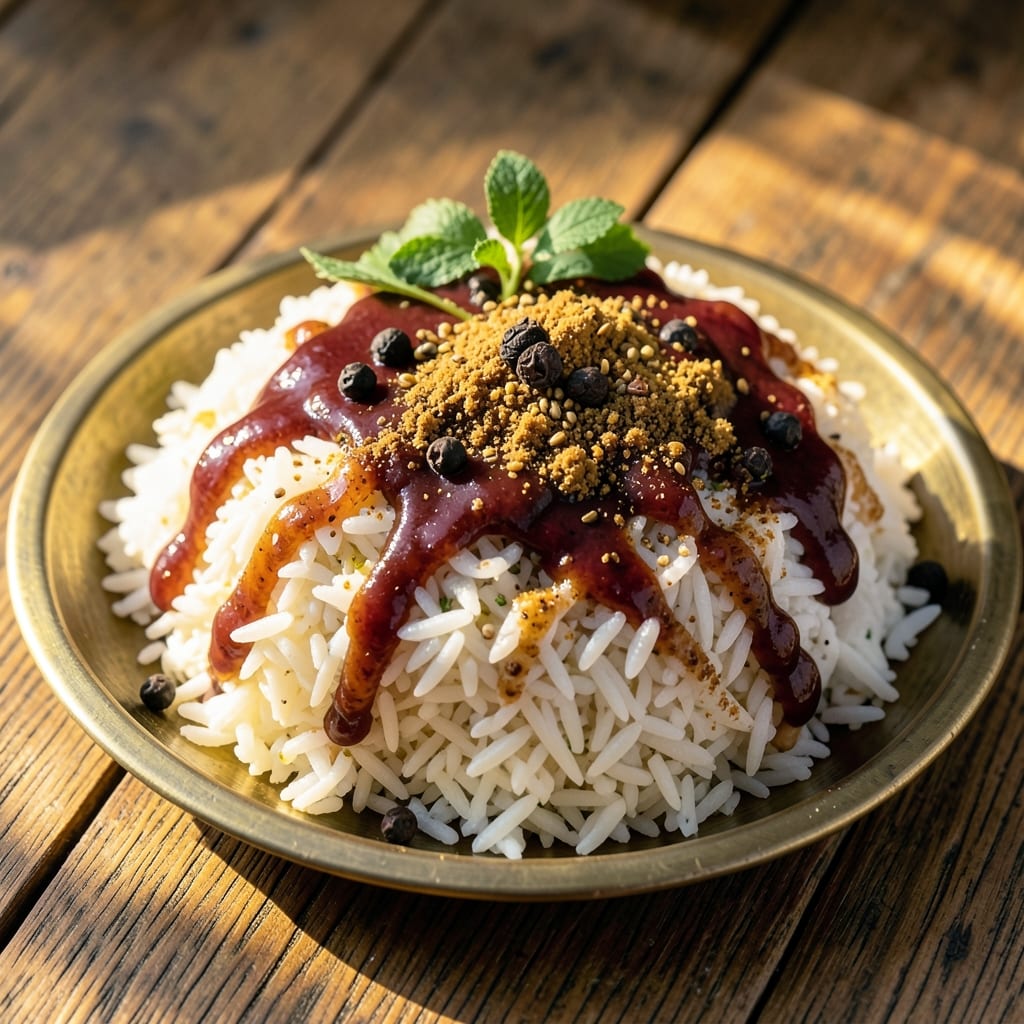
This Andhra tamarind rice recipe delivers a sour-tangy spice bomb with perfectly toasted rice and a fragrant, layered tempering that defines South Indian home cooking. The secret lies in slow-cooking tamarind with spices until it transforms into a glossy, concentrated paste—just sweet enough to balance the sharp tang. I developed this version after years of testing regional techniques, ensuring every bite delivers that signature crunch from lightly toasted rice and the complex aroma of mustard seeds, curry leaves, and red chilies.
The recipe begins with basmati rice parboiled until just tender, then spread on a wide skillet to toast until edges turn golden—this creates the signature crunch that makes it irresistible. While the rice toasts, the tamarind paste simmers with cumin, coriander, and a touch of jaggery, developing deep umami notes that cut through the rice's mild flavor. The tempering—mustard seeds, curry leaves, and dried red chilies—adds a smoky depth that elevates everything.
What you end up with is a dish that's bright, tangy, and perfectly balanced—the tamarind's sharpness softened by spices, the rice with just the right crunch, and a sauce that clings to every grain. This is the kind of meal that pairs beautifully with yogurt, sambar, or even a simple papad, making it a complete experience. The best part? It's vegetarian, gluten-free, and packed with authentic Andhra flavors.
Whether you're serving it for a family meal or a special occasion, this tamarind rice stands out as a restaurant-quality dish you can make at home. The key is patience—letting the tamarind cook down slowly and toasting the rice properly. Let's get started on this flavor-packed recipe that brings a taste of Andhra to your kitchen.
Ingredients for andhra tamarind rice
Toasted rice, tangy tamarind, and layered spices—this vegetarian dish packs Andhra flavors in every bite.
| Ingredient | Amount | Notes |
|---|---|---|
| Long-Grain Basmati Rice 🍚 | 1 ½ cups | Uncooked, high-quality grains preferred |
| Tamarind Concentrate 🍈 | ½ cup | Or 1/2 block tamarind pulp |
| Jaggery 🍯 | ¼ cup | Grated, for sweetness balance |
| Ground Cumin Seeds 🌿 | 1 tsp | Toasted for deeper aroma |
| Ground Coriander Seeds 🌿 | 1 tsp | Freshly ground preferred |
| Mustard Seeds 🌿 | 1 tsp | Whole, for tempering |
| Curry Leaves 🌿 | ¼ cup | Fresh, lightly packed |
| Dried Red Chilies 🌶️ | 4 whole | Or 1 tsp red chili powder |
| Asafoetida Powder 🌿 | ⅛ tsp | For umami depth |
| Ghee 🫒 | 2 tbsp | Or coconut oil for vegan |
| Salt 🧂 | ¾ tsp | Adjust to taste |
| Water 💧 | 3 cups | For rice cooking |
The tamarind is the soul of this dish. Look for blocks at Indian grocery stores—they're more concentrated than paste. If using pulp, soak it in warm water for 20 minutes to soften. Jaggery adds just enough sweetness to balance the tang; don't skip it. For the rice, Tilda or India Gate basmati toasts beautifully—avoid pre-cooked versions. The curry leaves are non-negotiable; they carry that signature South Indian aroma. If you can't find them fresh, dried leaves work at half the amount.
No tamarind blocks? Substitute with 1/4 cup lemon juice plus 1 tbsp sugar, but you'll lose that deep umami. Mustard seeds giving you trouble? Swap for 1/2 tsp cumin seeds, though the flavor will shift slightly. The jaggery can be replaced with brown sugar, but it won't have the same caramel notes. For the chilies, Kashmiri red chilies add color without heat—perfect for beginners. Always toast your spices; it unlocks their full potential. The ghee can be swapped for coconut oil if you're avoiding dairy, though it'll have a different mouthfeel.
This dish tastes even better the next day as flavors meld. Store leftovers in an airtight container for 3-4 days in the fridge. Reheat gently with a splash of water to restore moisture. For extra crunch, toast fresh rice in a dry pan before serving. The tamarind paste can be made ahead—it keeps for 2 weeks in the fridge. Portion the rice into individual servings before storing to maintain that perfect texture.
Why You'll Love This Recipe
- Few-Pan Magic: I swear by this one—just rice, tamarind, and a quick temper of spices. No chopping, no fuss, and the rice soaks up that tangy-sweet sauce like a dream. Honestly, it’s the kind of dish that makes me question why I ever complicate meals.
- Tamarind Tang Alert: That first bite? Chef’s kiss. The tamarind concentrate cuts through the jaggery’s sweetness, while the cumin and coriander ground into a paste give it this warm, earthy depth. It’s not just flavor—it’s a full sensory experience, and my family fights over seconds.
- Lunchbox Hero: Between us, this is my go-to for meal prep. Pack it cold or reheat it, and the rice stays fluffy. I make a big batch on Sundays—some for lunch, some for picnics, and yes, even for my picky teen who suddenly “loves” rice when it’s this good.
- Pocketbook Win: Jaggery and tamarind concentrate last forever, and a little goes a long way. I stretch this recipe to feed four for under $5, and the leftovers? Even better the next day. Budget-friendly doesn’t mean boring—this dish proves it.
Step-by-step instructions for Andhra tamarind rice
Here's how to create that perfect balance of sour, sweet, and spicy in every grain.
Cook the Rice to Perfect Al Dente
Rinse the 1.5 cups long-grain basmati rice thoroughly under cold water until the water runs clear—this removes excess starch and prevents gummy rice. Soak it for 20 minutes, then drain well. In a heavy-bottomed pot, combine the rice with 3 cups water and bring to a rolling boil over high heat. Once boiling, immediately reduce to low heat, cover tightly with a lid, and cook for 12 minutes.
I like to check the rice at the 10-minute mark—it should be tender but still slightly firm in the center. The key is to avoid overcooking; basmati rice continues cooking slightly after removing from heat. Once done, fluff with a fork and set aside, keeping the lid slightly ajar to let any excess steam escape. This prevents soggy rice when we mix in the tangy tamarind sauce later.
Prepare the Tamarind-Jaggery Sauce
In a separate saucepan, combine 0.5 cup tamarind concentrate, 0.25 cup jaggery, and 0.75 tsp salt. Heat over medium-low heat while stirring constantly with a wooden spoon. The jaggery will dissolve and the mixture will bubble gently—this takes about 5 minutes. Here's the thing: don't rush this step. The jaggery needs time to fully incorporate and create that signature sweet-tangy balance.
Once smooth and glossy, remove from heat and let cool slightly. Taste it now—it should be intensely sour with just a hint of sweetness. If it's too acidic, add a pinch more jaggery. If it's too sweet, a splash of water thins it out. This sauce is the heart of the dish, so get it right. Let it cool completely before mixing with the rice.
Toast the Spice Blend for Maximum Flavor
Heat 2 tbsp ghee in a small pan over medium heat until it shimmers but doesn't smoke. Add 1 tsp mustard seeds and let them pop audibly—this should take about 30 seconds. Then add 4 whole dried red chilies and 0.25 cup curry leaves. The chilies will darken slightly, and the curry leaves will release their aromatic oils. This is where the magic happens: the ghee carries the spices' flavors into every grain.
Immediately add 1 tsp ground cumin seeds and 1 tsp ground coriander seeds, stirring constantly for 1 minute until fragrant. Sprinkle in 0.125 tsp asafoetida powder and stir for another 10 seconds—this umami bomb elevates the dish from good to extraordinary. Remove from heat and let cool for 2 minutes before mixing with the rice.
Combine All Ingredients for Perfect Texture
Gently fold the cooled tamarind-jaggery sauce into the warm rice using a spatula, being careful not to mash the grains. Then mix in the spice blend, working it through evenly. The rice should be coated but still retain its individual grains—this is what gives Andhra tamarind rice its signature crunchy texture. If the mixture seems dry, add 1-2 tablespoons water to loosen it.
For the final touch, spread the rice on a large plate and let it cool to room temperature. This step is crucial—it allows the flavors to meld completely and the rice to develop that perfect toasted crunch. Once cooled, serve immediately or store covered in the refrigerator for up to 3 days. The longer it sits, the more intense the flavors become, especially that tangy tamarind punch.
Pro Tips For Making Andhra Tamarind Rice
- SOAK RICE 20 MINUTES: I learned this the hard way—rushing the soak leaves you with mushy, uneven grains. Use warm water (not boiling) and let the basmati sit for 20 minutes before draining. The starches soften just enough to handle the tamarind’s tang without falling apart.
- TOAST SPICES LOW: Skip the high flame—ground cumin and coriander burn faster than you think. Toast them in a dry pan on medium-low for 30 seconds until fragrant but not brown. Over-toasting turns them bitter, and you’ll taste it in every bite.
- DILUTE TAMARIND PROPERLY: Tamarind concentrate is thick stuff—mix it with twice the water you’d use for paste. Too little water and your rice turns cloyingly sweet; too much and the tamarind flavor gets lost. Taste as you go; adjust in 1-tablespoon increments.
- JAGGERY SHOULD MELT SLOWLY: Grate jaggery fine first—it dissolves faster and blends smoother. Heat the tamarind-water mix on low while stirring, then add jaggery gradually. If you dump it all in at once, you’ll end up with grainy pockets of sugar. Patience here makes the dish.
Serving suggestions for this andhra tamarind rice
Yogurt Pairing
Serve this tamarind rice with a dollop of homemade curd (yogurt) on the side. The cool, creamy texture contrasts beautifully with the warm, tangy rice. I like to whisk ½ cup plain yogurt with ½ tsp roasted cumin powder and a pinch of salt for extra depth. The yogurt helps balance the sharpness of the tamarind while adding a refreshing element to each bite. 💛
Sambar Complement
For a complete South Indian meal, pair your tamarind rice with Andhra-style sambar. This lentil-based stew with drumsticks, tomatoes, and spices creates a perfect harmony. The earthy sambar soaks up the tangy rice flavors while adding protein and fiber. I recommend making a small batch with 1 cup moong dal, 1 cup tamarind pulp, and 2 tbsp sambar powder for that authentic taste.
Papad Crunch
Add crispy papads to your serving platter for extra texture. The thin, crispy lentil wafers provide a satisfying crunch that contrasts with the soft rice. I love using murmura or rice papads—just heat them in a dry pan for 30 seconds until they puff up and turn golden. Serve them on the side or sprinkle them directly over the rice for a fun presentation.
Raita Refreshment
For a lighter option, prepare a cucumber-mint raita to accompany your meal. Grate 1 small cucumber and mix with ½ cup yogurt, 2 tbsp finely chopped mint, ½ tsp chaat masala, and a squeeze of lemon juice. This cooling side dish cuts through the richness of the tamarind rice perfectly and adds a refreshing element to your plate.
Pickle Pairing
Elevate your meal with a mango or lime pickle on the side. The sweet and sour flavors of Andhra pickles complement the tamarind rice beautifully. I recommend Kashmiri red chili pickle or raw mango pickle for that authentic Andhra touch. Just 1-2 tablespoons of pickle per serving enhances the overall flavor profile without overpowering the dish.
Fresh Herb Garnish
Finish your serving with a sprinkle of fresh coriander leaves or cilantro. The bright, fresh flavor adds a vibrant pop of color and freshness to the dish. I like to chop ¼ cup coriander leaves and sprinkle them just before serving. For an extra touch, add a few curry leaves on top to enhance the aromatic profile of the dish. 🌿
Nutrition facts
Frequently asked questions
Can I substitute tamarind paste for the tamarind concentrate?
Yes! Use ½ cup tamarind pulp (about ½ block) instead of concentrate. Soak it in warm water for 20 minutes first, then strain out the seeds and fibers. The pulp will yield a similar amount of liquid when cooked down. For extra tang, you might need 1-2 extra drops of lemon juice to balance the flavor.
Why does my tamarind rice turn out mushy instead of crunchy?
The crunch comes from toasting the rice properly after cooking. Spread the partially cooked rice on a wide skillet and toast on medium-low heat for 5-7 minutes, stirring gently until edges turn golden. If your rice is mushy, you likely overcooked it before toasting. For next time, check at 10 minutes and remove when just tender.
How can I make this tamarind rice spicier?
For extra heat, add ½ tsp red chili powder directly to the tamarind sauce while cooking. You can also increase the dried chilies in the tempering to 6-8 whole chilies or add 1 tsp cayenne pepper when mixing with the rice. For smoky depth, toast ½ tsp black peppercorns with the mustard seeds in the tempering.
Can I make this dish ahead of time?
This rice actually tastes better the next day as flavors meld. Store in an airtight container in the fridge for 3-4 days. Reheat gently with 1-2 tablespoons water to restore moisture. For extra crunch, toast fresh rice in a dry pan before serving. The tamarind sauce can also be made 2 days ahead and stored separately.
What's the best way to store leftovers?
Keep leftovers in an airtight container with parchment paper between layers to maintain texture. Refrigerate for up to 4 days. For longer storage, freeze portions for 1 month. Thaw overnight in the fridge and reheat with a splash of water. The rice will soften slightly but still taste delicious. Avoid microwaving—use a stovetop instead to preserve the crunch.