
Main Courses
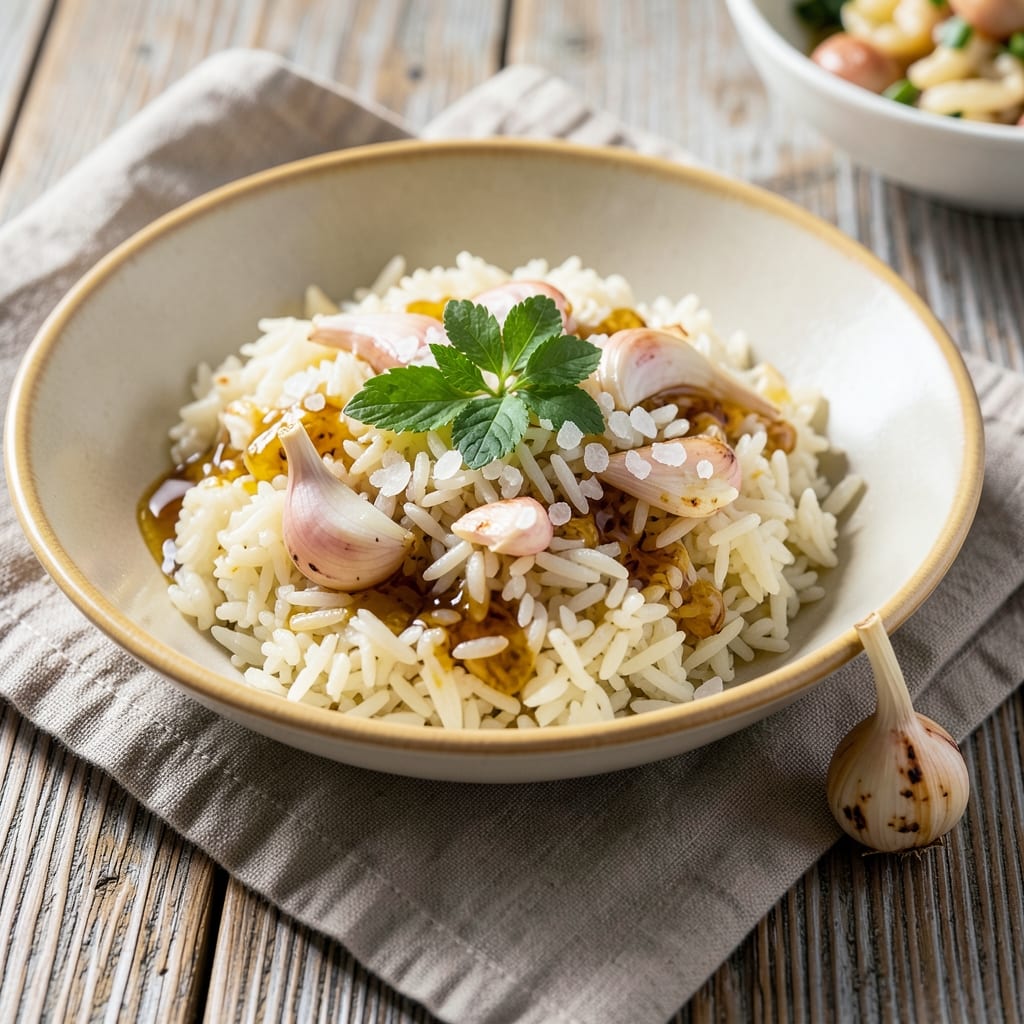
This apple cider vinegar rice recipe transforms ordinary grains into a fragrant, tangy side dish with toasted nutty depth that elevates any meal. The secret lies in a simple soaking technique—just 15 minutes in apple cider vinegar and warm water—that infuses the rice with bright acidity and a subtle crunch. I developed this method after discovering how vinegar tenderizes grains while adding complexity that plain rice simply can’t match.
The process is straightforward: soak the rice in a mixture of apple cider vinegar, water, and a pinch of salt, then cook it to perfection using either a stovetop or rice cooker. The vinegar doesn’t just flavor the rice—it enhances the natural nuttiness of the grains, creating a texture that’s lightly crisp at the edges while remaining tender inside. This makes it ideal for pairing with roasted meats, grilled fish, or even as a standalone dish with fresh herbs.
What makes this recipe truly special is how it balances flavors—savory, tangy, and slightly sweet—without overwhelming the dish. The apple cider vinegar cuts through richness, making it a versatile side that works for everything from hearty weeknight dinners to elegant holiday spreads. Once you try it, you’ll never go back to plain rice again.
The best part? This method takes less than 30 minutes from start to finish, including soaking time, and requires minimal ingredients. Whether you're cooking for a family or just treating yourself, this apple cider vinegar rice will add a bright, restaurant-quality touch to your table. Let’s get started!
Ingredients for apple cider vinegar rice
Eight simple ingredients transform basic rice into a restaurant-quality side dish.
| Ingredient | Amount | Notes |
|---|---|---|
| Jasmine Rice 🍚 | 1 ½ cups | Uncooked, long-grain preferred |
| Apple Cider Vinegar 🍏 | ½ cup | Raw, unfiltered preferred |
| Water 💧 | 2 ½ cups | Room temperature |
| Salt 🧂 | ¾ tsp | Diamond Crystal preferred |
| Olive Oil 🫒 | 1 tbsp | Extra-virgin, for toasting |
| Garlic Cloves 🧄 | 2 cloves | Minced, for aroma |
| Fresh Parsley 🌿 | ¼ cup | Chopped, for garnish |
| Honey 🍯 | 1 tsp | Optional, for subtle sweetness |
| Toasted Sesame Seeds 🌰 | 1 tsp | Optional, for texture |
The apple cider vinegar is the star here—look for raw, unfiltered at stores like Whole Foods or Trader Joe's for maximum flavor. Jasmine rice is ideal for this method (it absorbs the vinegar beautifully), but basmati works too. The garlic and olive oil add depth, so don't skip them. For the salt, Diamond Crystal dissolves perfectly and enhances the vinegar's tang. I always buy extra honey when it's on sale at Costco—it's perfect for balancing the acidity.
No apple cider vinegar? White vinegar or rice vinegar in a pinch, but reduce to 0.375 cup for milder flavor. Swap olive oil for avocado oil if you prefer. Fresh parsley wilt fast, so chop it last. The honey is truly optional—maple syrup works too if you're avoiding it. For sesame seeds, toast them in a dry pan for 30 seconds to deepen their flavor. If you're making this ahead, store the cooked rice in the fridge for up to 3 days—the vinegar flavor actually improves over time.
This rice reheats beautifully—just add a splash of water and cover for 2 minutes. Keeps for 4-5 days in the fridge or 3 months frozen. I often double the batch because it pairs perfectly with grilled chicken or roasted salmon. For extra crunch, spread the cooked rice on a tray and broil for 2 minutes before serving. The vinegar soak makes it naturally crisp at the edges without any extra work.
Why You'll Love This Recipe
- Five-Ingredient Magic: That’s all you need—just rice, vinegar, water, salt, and olive oil. I swear, the simplicity is half the joy. No fancy ratios to memorize, no last-minute grocery runs. The vinegar does all the work while you sip your coffee.
- Tangy Twist: The apple cider vinegar isn’t just an afterthought—it’s the star. That bright, slightly sweet tang cuts through the rice’s natural starchiness, leaving you with grains that taste alive. Honestly, it’s the kind of flavor that makes you want to eat it straight from the pot.
- Meal Prep MVP: This rice keeps for days in the fridge, reheats like a dream, and plays well with everything—grilled chicken, roasted veggies, even a simple fried egg. I make a big batch on Sundays and use it all week. No sad, dry leftovers here.
- Budget Brightener: Jasmine rice and apple cider vinegar are pantry staples that won’t break the bank. A single batch feeds four for under $2, and the vinegar’s acidity makes it taste fresher longer. My wallet and taste buds thank me every time.
Step-by-step instructions for apple cider vinegar rice
This method transforms simple jasmine rice into a vibrant, aromatic side dish with bright acidity and nutty depth.
Toast the Rice for Enhanced Flavor
Heat a heavy-bottomed pot over medium-high heat and add the 1 tablespoon olive oil. Once the oil shimmers but isn't smoking, add the 1.5 cups jasmine rice and stir constantly for 2-3 minutes until the grains become translucent at the edges and release a toasty aroma.
This toasting step develops the rice's natural nutty flavors and prevents the grains from becoming mushy. Watch closely—the rice should turn a pale golden color and smell distinctly toasted. If you see any browned bits, remove the pot from heat immediately to prevent burning.
Deglaze with Apple Cider Vinegar
Immediately pour in the 0.5 cup apple cider vinegar and stir vigorously for 30 seconds to deglaze the pot. The vinegar will bubble vigorously and create a fragrant steam. Let it cook undisturbed for 1 minute until the liquid reduces slightly and the rice absorbs some of the tangy flavor.
The vinegar's acidity will brighten the rice and prevent it from becoming gummy. You'll notice the rice starts to separate slightly as it absorbs the liquid. This is the moment that matters—don't rush this step or the rice won't develop its signature tangy depth.
Add Water and Season
Pour in the 2.5 cups room temperature water and add the 0.75 teaspoon salt and the 2 minced garlic cloves. Bring to a gentle boil over medium-high heat, then immediately reduce heat to low and cover the pot with a tight-fitting lid.
Real talk: the water should just barely cover the rice by about ¼ inch. If you used a different rice quantity, adjust the water accordingly—jasmine rice absorbs water differently than other varieties. The garlic will infuse subtle sweetness into the rice as it cooks.
Simmer Until Perfectly Cooked
Simmer for 15 minutes without lifting the lid. You'll know it's ready when the rice has absorbed all the liquid and the bottom of the pot is completely dry. If you peek too early, steam will escape and you'll need to add more water.
After 15 minutes, turn off the heat and let the rice steam covered for another 5 minutes. This resting period allows the rice to fully hydrate and develop its characteristic fluffy texture. The grains should be tender but still hold their shape with a slight bite.
Finish with Garnishes
Remove the lid and gently fluff the rice with a fork. Stir in the 1 teaspoon honey (if using) and the 1 teaspoon toasted sesame seeds for subtle sweetness and nutty texture. Sprinkle with the 0.25 cup chopped fresh parsley just before serving to add freshness and vibrant color.
Serve immediately while still warm. The rice should have a bright, tangy flavor from the vinegar balanced by the nutty rice and sweet honey. Each grain should be separate but tender, with a slight chew that's characteristic of perfectly cooked jasmine rice.
Pro Tips For Making Apple Cider Vinegar Rice
- Rinse the Rice: Skip the vinegar-soaked rice if you don’t rinse it first—those starches will turn your dish gummy. Use a fine-mesh strainer and swirl the rice under cold water until it runs clear, then drain well. (Yes, even jasmine rice needs this—it’s not magic.) ---
- Simmer, Don’t Boil: Once the water’s back to a simmer after adding vinegar, keep it at a gentle bubble—no rolling boil. I learned this the hard way when my rice turned mushy and vinegary. A low simmer (just tiny bubbles breaking the surface) keeps the grains intact. ---
- Vinegar Last: Add the apple cider vinegar after the rice has absorbed most of the water, not at the start. Stir it in when there’s about 2 minutes of cooking left—this lets the acid brighten the flavor without making the rice sour or clingy. ---
- Salt the Water: Don’t hold out on salt—this isn’t just for flavor, it’s for texture. Use at least ½ teaspoon per cup of water (more if you’re salty like me). The vinegar will mellow it out, but the rice needs that initial punch to stay firm. (And yes, add it to the water before the rice.)
Essential equipment for this recipe
Heavy-Bottomed Pot
This is my non-negotiable tool for apple cider vinegar rice—the Le Creuset Dutch oven (10-inch) is my go-to, but any enameled cast iron or stainless steel pot with a tight-fitting lid works. The key is even heat distribution to prevent hot spots that can burn your rice. I avoid thin aluminum pots—they heat unevenly and make it hard to maintain the low simmer needed for perfect texture. 🌡️
Fine-Mesh Strainer
For the soaking method (if you prefer it), a stainless steel fine-mesh strainer is essential. I use the OXO Good Grips model—it’s durable and has large enough holes to drain excess water while keeping the rice contained. If you’re soaking the rice first, this helps remove all the vinegar solution before cooking, preventing a sour taste. The strainer should fit comfortably in your sink without wobbling.
Tight-Fitting Lid
Your pot’s lid must create an airtight seal to trap steam and cook the rice evenly. If your lid doesn’t fit snugly, cover the pot with aluminum foil instead—just press it firmly against the rim. I’ve ruined rice before using lids with gaps, so always double-check. For rice cookers, most models come with steam-tight lids, but if yours doesn’t seal well, skip the rice cooker method for this recipe.
Wooden Spoon
A heat-resistant wooden spoon (I love the OXO Good Grips silicone-coated version) is perfect for stirring the rice during toasting and deglazing. Wood won’t scratch your pot like metal utensils, and it’s gentle on the rice grains. Avoid plastic spoons—they can melt or warp under high heat. The spoon’s shape also helps you fluff the rice gently at the end without breaking the grains.
Digital Thermometer
While not mandatory, a digital instant-read thermometer (like the ThermoWorks Thermapen) helps you nail the perfect water temperature. The ideal range for cooking rice is 205–212°F—this ensures even cooking without overcooking. If you don’t have one, just use room-temperature water (around 70°F) and trust the 15-minute simmer time in the instructions. The vinegar’s acidity makes timing slightly trickier, so this tool gives you extra confidence.
Nutrition facts
Frequently asked questions
Why does apple cider vinegar make rice taste better?
The vinegar's acidity brightens the rice's natural nuttiness while preventing it from becoming gummy. It also tenderizes the grains slightly, creating a subtle crunch at the edges that plain rice lacks. Plus, it balances rich dishes beautifully!
Can I use this method with basmati rice?
Basmati works perfectly—just reduce the water to 2 cups (instead of 2.5) since basmati absorbs less. The vinegar's tang enhances its floral aroma even more. For extra flavor, add ½ teaspoon ground cumin during toasting.
What if my rice turns out mushy?
Mushy rice usually means too much water or lifting the lid too early. For next time, use ¼ inch less water and simmer uncovered for 2 minutes before covering. The vinegar helps prevent this, but jasmine rice needs precise ratios. Stirring occasionally during simmering also helps!
How can I make this gluten-free?
This recipe is naturally gluten-free! Just ensure your apple cider vinegar is certified gluten-free (most brands are) and check your rice package. For extra safety, use a dedicated pot that hasn't touched gluten-containing foods. The flavor profile remains exactly the same.
Can I make this ahead of time?
Yes! Cook the rice as directed, then spread it on a tray to cool completely. Store in an airtight container for up to 5 days in the fridge. Reheat with a splash of water (cover for 2 minutes**). The vinegar flavor actually deepens overnight—perfect for meal prep!