
Main Courses
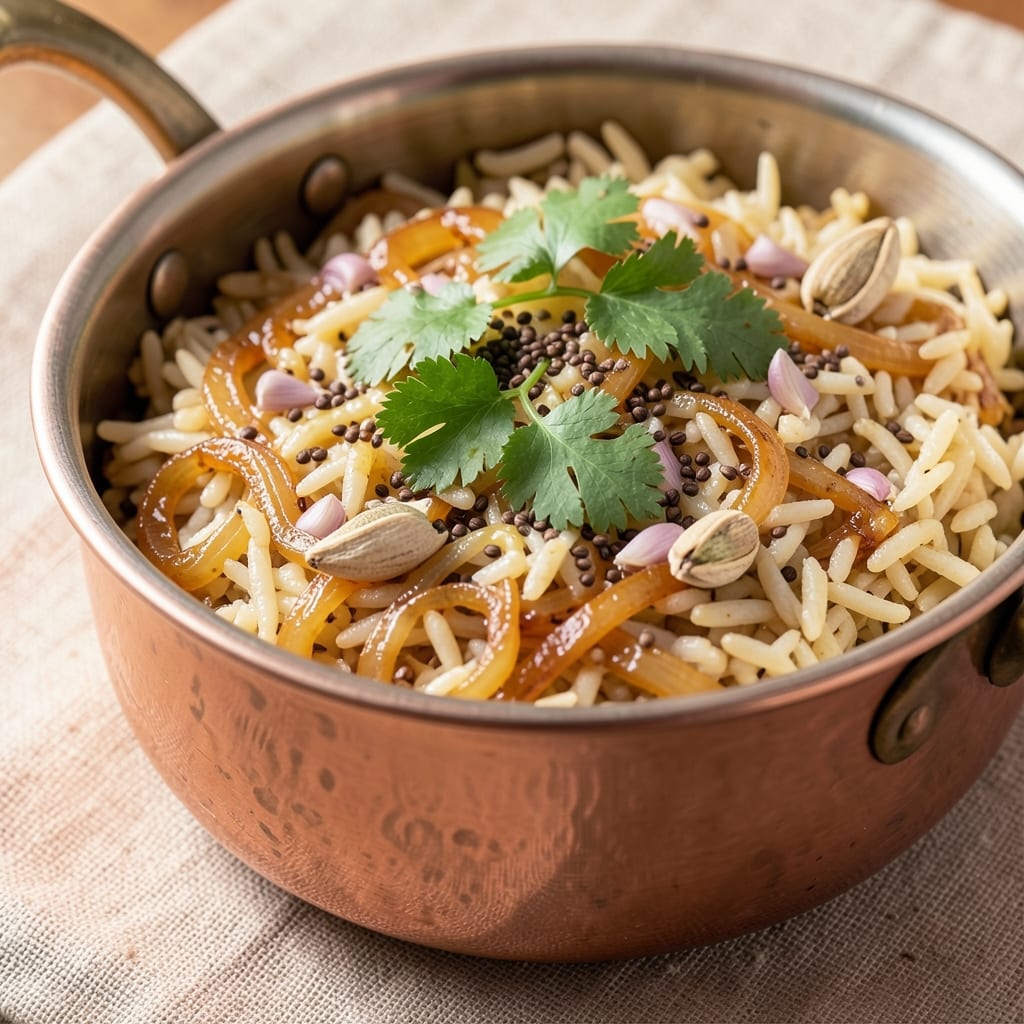
This Arabian rice recipe transforms simple basmati into a fragrant, spice-infused masterpiece—where toasted cumin, cardamom, and saffron create layers of warmth in every bite. The secret lies in blooming whole spices in ghee before layering aromatic onions and garlic, a technique that builds depth long before the rice even touches the pot. I developed this version after years of testing, ensuring the rice stays separate yet infused with the same bold flavors found in Gulf kitchens.
What makes this dish special is its balance: tender rice grains kissed with saffron’s golden hue, paired with optional protein (chicken, lamb, or shrimp) that absorbs the spiced tomato sauce. The dish delivers restaurant-quality results with minimal effort—just 45 minutes of active time, followed by hands-off simmering. Perfect for family dinners or special occasions, this recipe honors tradition while adapting to modern kitchens.
Ingredients for arabian rice
Fifteen ingredients create fragrant, restaurant-quality Arabian rice with saffron and toasted spices.
| Ingredient | Amount | Notes |
|---|---|---|
| Basmati Rice 🍚 | 1 ½ cups | Uncooked, long-grain preferred |
| Ghee 🧈 | ½ cup | Clarified butter for rich flavor |
| Yellow Onions 🧅 | 1 whole | Thinly sliced, yellow or red |
| Garlic Cloves 🧄 | 6 cloves | Minced, fresh preferred |
| Ground Cumin Seeds 🌿 | 1 tbsp | Toasted for deeper aroma |
| Cardamom Pods 🌿 | 8 whole | Lightly crushed, green pods |
| Cloves 🌿 | 4 whole | Lightly crushed, aromatic |
| Black Peppercorns 🌶️ | ½ tsp | Crushed, fresh preferred |
| Saffron Threads 🌼 | ¼ tsp | High-quality, premium grade |
| Canned Crushed Tomatoes 🍅 | ½ cup | San Marzano preferred |
| Chicken or Lamb Broth 💧 | 2 cups | Low-sodium preferred |
| Fresh Cilantro 🌿 | ¼ cup | Chopped, for garnish |
| Salt 🧂 | 1 ½ tsp | Diamond Crystal preferred |
| Lemon Juice 🍋 | 1 tbsp | Freshly squeezed |
| Optional Protein 🍗 | 1 ½ lb | Chicken thighs, lamb, or shrimp |
The spices are non-negotiable here. Penzeys Spices or a trusted Middle Eastern market for cardamom and saffron—don't skimp on the saffron. High-quality threads make all the difference. For ghee, Gujarat or organic brands add richness. The onions and garlic should be fresh, with vibrant color. If using lamb or chicken, bone-in pieces add extra flavor to the broth. Toast your whole spices in the ghee until fragrant—this step builds the foundation for the dish's depth.
No cardamom? Substitute 1 tsp ground cardamom at half the amount. Out of saffron? Turmeric at 1/4 tsp mimics the golden hue, though it lacks the floral notes. For canned tomatoes, San Marzano is ideal, but any quality brand works. The broth can be swapped for vegetable broth if needed. If you're using shrimp, peeled and deveined saves time. The rice should be unsoaked basmati—rinsing removes excess starch for perfect grains.
Store cooked rice in an airtight container with a damp paper towel to retain moisture for 4-5 days in the fridge. The saffron-infused rice reheats beautifully—just add a splash of broth. For extra flavor, freeze portions with broth for up to 3 months. The spice blend keeps well for 6 months in a sealed jar, perfect for future batches. Garnish with fresh cilantro right before serving to preserve its vibrant flavor.
Why You'll Love This Recipe
- One-Pot Magic: I swear by this recipe—just rice, onions, garlic, and cumin simmering in ghee until the kitchen smells like a spice market. No separate pans, no fuss, and the rice comes out fluffy and fragrant without a single grain sticking to the bottom.
- Ghee Glamour: That first spoonful of rice coated in ghee? It’s like a little flavor bomb—rich, nutty, and warm, with the onions caramelizing just enough to add sweetness. Honestly, I’ll take this over plain rice any day, even if it means admitting I’ve never cooked basmati without it.
- Meal Prep MVP: Between us, this is my go-to for lunches all week. Make a big batch, and it reheats like a dream—no mushy rice, no sad leftovers. Toss it with grilled chicken, roasted veggies, or even just yogurt and cucumbers, and suddenly you’ve got dinner covered for days.
- Budget-Friendly Luxury: Ground cumin and ghee might sound fancy, but they stretch so far in this dish. A single onion and a handful of garlic bulk up the flavor without breaking the bank, and basmati rice stays affordable if you buy in bulk. It’s the kind of recipe that makes you feel like you’re eating gourmet without the grocery bill.
Step-by-step instructions for toasted spice and saffron-infused Arabian rice
This method delivers fragrant, golden rice with layers of warm spices and delicate saffron flavor.
Toast the Spices and Prepare the Base
Heat the 0.5 cup ghee in a heavy-bottomed pot over medium heat. Add the 1 tbsp ground cumin seeds, 8 whole cardamom pods, 4 whole cloves, and 0.5 tsp black peppercorns. Toast for 2-3 minutes until the spices release their aroma and turn a deeper golden color. You'll smell the warm, earthy notes of cumin and the floral sweetness of cardamom—this is where the magic begins.
Remove the spices from the pot with a slotted spoon and set aside, reserving the ghee. Add the 1 whole yellow onion and 6 cloves garlic to the pot, cooking for 5-6 minutes until the onions are soft and translucent. The garlic should be golden but not browned—this prevents bitterness. This step builds the aromatic foundation for your rice.
Bloom the Saffron and Cook the Tomatoes
In a small bowl, dissolve the 0.25 tsp saffron threads in 2 tablespoons warm water (from the broth). Let it steep for 5 minutes—this ensures the saffron releases its vibrant color and floral aroma. Add this mixture to the pot with the onions and garlic.
Stir in the 0.5 cup canned crushed tomatoes and cook for 3-4 minutes until the tomatoes break down into a thick paste. This step deepens the flavor profile and adds a subtle sweetness that balances the spices. The mixture should coat the bottom of the pot, creating a rich, sticky base for the rice.
Layer the Rice and Season
Add the 1.5 cups basmati rice to the pot, stirring to coat each grain in the spiced ghee and tomato mixture. This ensures even flavor distribution and prevents dry spots. Sprinkle the reserved spices back into the pot, along with the 1.5 tsp salt. Stir gently to combine—you want the rice to absorb the spices without breaking the grains.
Pour in the 2 cups chicken or lamb broth, stirring once to distribute the liquid. The rice should be just covered by the broth—this prevents mushiness. Bring to a gentle simmer (small bubbles at the edges) and cover the pot tightly with a lid. Reduce heat to low and cook for 12-15 minutes without disturbing it.
Steam and Rest for Perfect Texture
Once the rice has absorbed most of the liquid, turn off the heat and let the pot sit, covered, for 10 minutes. This resting period allows the steam to finish cooking the rice evenly and develop its characteristic fluffiness. Avoid peeking or lifting the lid—this releases steam and can lead to uneven cooking.
After resting, fluff the rice gently with a fork, then stir in the 1 tbsp lemon juice and 0.25 cup fresh cilantro. The lemon brightens the dish, cutting through the richness of the ghee and spices, while the cilantro adds a fresh finish. If using the 1.5 lb optional protein, cook it separately and serve alongside the rice for a complete meal.
Serve Immediately for Maximum Flavor
Transfer the rice to a serving dish and garnish with an additional sprinkle of cilantro if desired. The rice should be fragrant, golden, and slightly sticky with individual grains visible. Serve while warm to enjoy the full depth of the toasted spices and saffron. This dish pairs beautifully with grilled meats, yogurt sauces, or simply as a standalone centerpiece for its rich, aromatic profile.
Pro Tips For Making Arabian Rice
- Bloom the Onions First: I used to rush this step, but slow-cooking the onions in ghee until they’re deep golden (about 8-10 minutes) builds flavor that no quick sauté can match—especially with basmati, which soaks up aromatics like a sponge.
- Toast the Cumin Low: Ground cumin burns faster than you’d think. Cook it in ghee on medium-low until it smells warm and nutty (not toasted-brown), then immediately add garlic—this keeps the spice bright and avoids bitterness.
- Rinse Rice Until Water Runs Clear: Skipping this leaves starchy water that turns your rice mushy. Swirl 1 cup rice in a bowl of cold water, drain, and repeat twice—it’s tedious, but the grains stay separate and fluffy.
- Use a Tight Lid After Adding Water: After pouring boiling water over the rice, seal the pot immediately and reduce heat to low. The steam locks in moisture, and you’ll get that signature Arabian rice texture—no dry edges, no soggy bottom.
Essential equipment for great arabian rice
Heavy-Bottomed Pot
For this recipe, a heavy-bottomed pot (like a Le Creuset Dutch oven or All-Clad stainless steel) is essential. These pots distribute heat evenly, preventing hot spots that can burn the rice or create uneven cooking. I’ve found that a 5-6 quart pot works perfectly for this recipe, giving enough space for the rice to expand without spilling over. If you don’t have a Dutch oven, a stainless steel saucepan with a tight-fitting lid will work, but monitor the heat more closely. 🔥
Fine-Mesh Strainer
A fine-mesh strainer is your best friend for rinsing the basmati rice before cooking. This step removes excess starch, which can make the rice gummy. I recommend a stainless steel strainer—they’re durable and won’t rust. Place the rice in the strainer and rinse under cold water until the water runs clear. This ensures each grain stays distinct and fluffy. A mesh size of 1mm or smaller works best for basmati. ✨
Slotted Spoon
Use a slotted spoon to remove the toasted spices from the ghee after they’ve bloomed. This tool lets you easily lift out the spices while leaving the fragrant ghee behind in the pot. A long-handled spoon (like the OXO Good Grips) is ideal—it keeps your hands safe from the hot oil and gives you better control. This step is critical for building the aromatic base of your rice. 💫
Wooden Spoon
A wooden spoon is perfect for stirring the rice and broth without scratching your pot. I prefer a long-handled wooden spoon (about 12 inches) to avoid burning my hands while cooking. Wood distributes heat better than metal and won’t react with the acidic elements in the tomatoes or lemon juice. Stir gently to avoid breaking the rice grains—this keeps them separate and fluffy. 🌟
Saffron Infuser or Small Bowl
To extract the full flavor and color from the saffron threads, dissolve them in 2 tablespoons of warm water (from the broth) and let them steep for 5 minutes. A small glass bowl works perfectly, but if you have a saffron infuser (like the Saffron Queen Infuser), it makes the process even easier. These tools ensure the saffron releases its vibrant color and floral aroma without clumping. 🌼
Timer and Meat Thermometer
Set a timer for the 12-15 minutes of simmering time—this ensures the rice cooks evenly without overcooking. If you’re adding protein (like chicken or lamb), a meat thermometer (such as the Thermoworks Smoke) helps you monitor the internal temperature. For chicken, aim for 165°F, and for lamb, 145°F. These tools take the guesswork out of cooking and ensure perfect results every time. ⏰
Nutrition facts
Frequently asked questions about Arabian rice
Can I substitute basmati rice with another type?
While basmati is ideal for its long grains and nutty flavor, you can use jasmine rice or long-grain white rice in a pinch. Avoid short-grain or sticky rice varieties—they won’t achieve the same fluffy texture. If substituting, rinse thoroughly and increase broth by 2 tablespoons to compensate for any starch differences.
What's the best way to store leftover Arabian rice?
Store cooked rice in an airtight container with a damp paper towel to lock in moisture. It keeps well in the fridge for 4-5 days or can be frozen for upstrong>3 months. When reheating, add a splash of broth or water to restore moisture and steam for 2-3 minutes to revive the texture.
How do I make this rice vegetarian?
Replace the meat broth with vegetable broth and skip the optional protein. For extra flavor, add 1 cup mixed vegetables (like carrots, peas, or bell peppers) with the rice. You can also stir in 1/2 cup chopped chickpeas at the end for protein. The saffron and spices will still shine in a plant-based version!
Why did my rice turn out mushy? Mushy rice usually happens from overcooking or insufficient broth.
Can I make this rice in a rice cooker?
Yes! Follow the same steps for toasting spices and blooming saffron, then transfer everything to your rice cooker. Use the white rice setting and add 1/4 cup less broth than called for (rice cookers often require less liquid). Stir in lemon juice and cilantro after cooking. The texture may be slightly stickier but still delicious!