
Main Courses
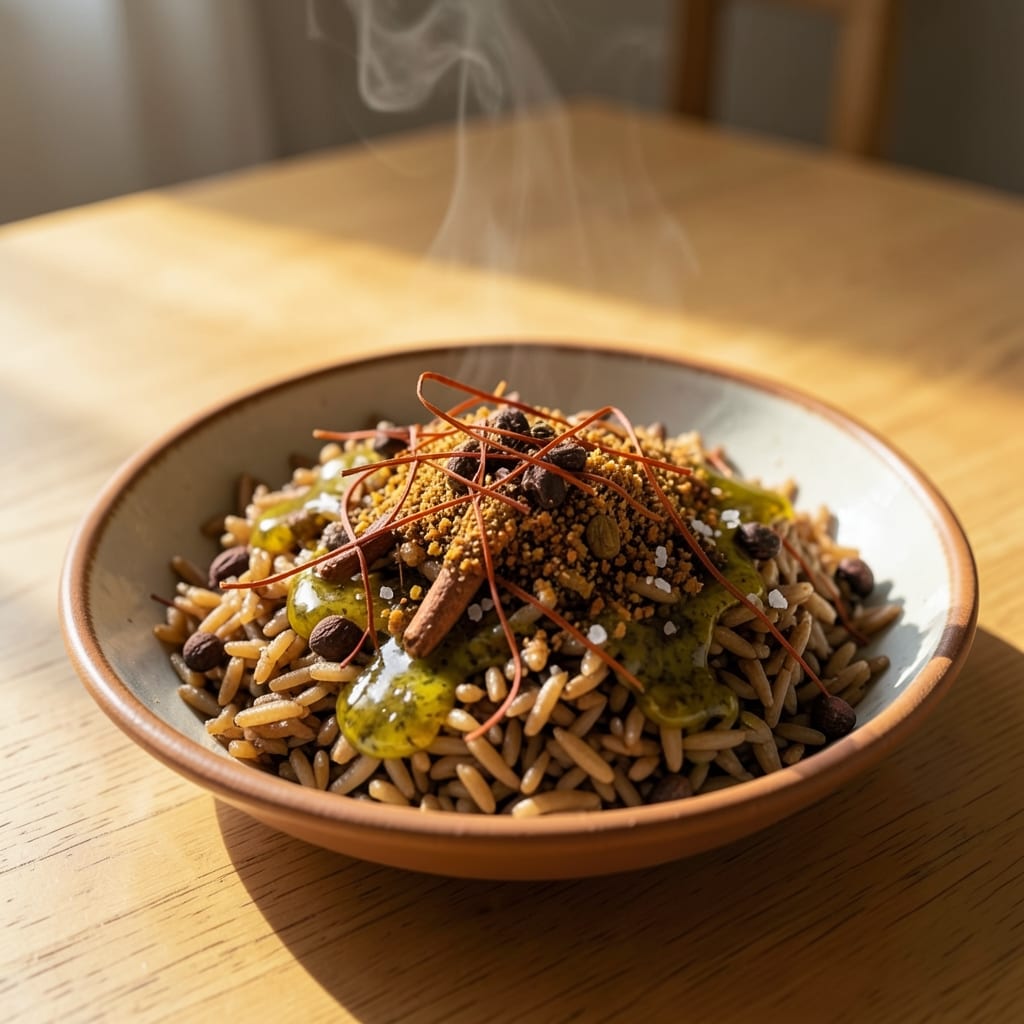
Arabic brown rice transforms simple grains into a fragrant, spice-infused centerpiece that belongs at any Middle Eastern feast. This one-pot method captures the essence of traditional preparation—saffron's golden hue, cardamom's warmth, and cinnamon's subtle sweetness—all developed through careful toasting and layering. The secret lies in soaking the rice first, which unlocks its natural nuttiness while allowing the spices to penetrate deeply during cooking.
What sets this recipe apart is its authenticity without requiring special equipment. A simple stovetop approach builds flavor through gentle simmering, where the rice absorbs aromatic oils from toasted spices. The addition of saffron threads (or powder) creates that signature golden color and floral aroma that defines Arabic cuisine. This method works equally well as a standalone vegetarian dish or as a perfect accompaniment to grilled meats and stews.
By the time you serve this dish, you'll have perfectly tender grains with a delicate crunch at the edges, infused with warm spice notes that linger on the palate. The texture is ideal—neither mushy nor dry—thanks to precise water-to-rice ratios and the soaking technique. Each bite delivers that comforting blend of earthy rice and aromatic spices that makes this dish a staple across the region.
For those looking to elevate their meal further, consider adding toasted nuts or plump raisins during the final minutes of cooking. These optional ingredients introduce textural contrast and subtle sweetness that complement the savory-spiced rice beautifully. The result is a dish that feels both rustic and refined, perfect for family gatherings or special occasions.
Ingredients for arabic brown rice
Toasted spices, saffron's golden hue, and aromatic herbs transform simple brown rice into a fragrant centerpiece.
| Ingredient | Amount | Notes |
|---|---|---|
| Long-Grain Brown Rice 🍚 | 1 ½ cups | Unwashed, whole-grain preferred |
| Saffron Threads 🌼 | ¼ tsp | High-quality, organic preferred |
| Ground Cardamom 🌿 | ½ tsp | Freshly ground for potency |
| Ground Cinnamon 🌶️ | ¼ tsp | Ceylon preferred for delicate flavor |
| Ground Cloves 🌶️ | ⅛ tsp | Lightly toasted for warmth |
| Extra-Virgin Olive Oil 🫒 | 2 tbsp | High-quality, fruity variety |
| Vegetable Broth 💧 | 3 cups | Low-sodium preferred |
| Salt 🧂 | 1 tsp | Diamond Crystal kosher preferred |
| Fresh Rosemary 🌿 | 1 sprig | For aromatic depth |
| Fresh Thyme 🌿 | 1 sprig | Leaves only, finely chopped |
| Toasted Almonds 🥜 | ¼ cup | Optional crunchy topping |
| Plump Raisins 🍇 | ¼ cup | Optional sweet contrast |
Saffron is the star here—Penzeys or organic brands deliver the most vibrant color and floral aroma. The threads should be a deep red, not dull brown. For cardamom and cinnamon, spice markets or bulk bins offer the freshest ground varieties. Toast your spices in a dry pan for 30 seconds before adding oil to deepen their flavor. Brown rice benefits from soaking—20 minutes in warm water removes excess starch, preventing mushiness. Fresh herbs like rosemary and thyme elevate the dish, but dried substitutes at half the amount work in a pinch.
No saffron? Turmeric at one-quarter the amount mimics the golden hue, though lacks floral notes. Substitute Ceylon cinnamon with regular, but reduce to one-eighth teaspoon to avoid bitterness. For the broth, homemade vegetable stock enhances flavor, but low-sodium store-bought is fine. The optional almonds and raisins add texture and sweetness—toast almonds separately for maximum crunch. If using pre-toasted nuts, skip the pan toasting step. For a quicker version, omit soaking and increase broth by one-third cup.
Store cooked rice in an airtight container for 4-5 days in the fridge, or freeze for 3 months. Reheat gently with a splash of water or broth to restore moisture. The spices intensify over time, so leftovers often taste richer. For best texture, serve immediately after cooking. If making ahead, reheat on low heat to preserve the delicate crunch at the edges. Garnish with extra herbs or a drizzle of olive oil before serving for a restaurant-quality finish.
Why You'll Love This Recipe
- Five-Ingredient Magic: I swear by this—just rice, saffron, and three warm spices. No chopping, no fussing, just simmer and let the cardamom and cinnamon work their slow, cozy spell. (Yes, even on a Tuesday night.)
- Golden Threads Glow: That first pinch of saffron turns the rice a dreamy yellow—like sunshine in a bowl. The cloves add a tiny, unexpected depth that makes it taste luxurious, not just healthy.
- Weeknight Workhorse: I make a big batch on Sundays and toss it into wraps, salads, or with grilled chicken all week. It’s my go-to when I need something reliable that still feels special.
- Budget Bright Spot: Brown rice is cheap, but this version tastes like a restaurant dish. A single jar of spices lasts forever, and you’ll use them in everything—coffee, stews, even toast. Smart money move.
Step-by-step instructions for spiced brown rice with saffron and toasted nuts
This aromatic rice dish transforms simple ingredients into a fragrant, complex base for Middle Eastern meals.
Toast the Spices and Prepare the Saffron Infusion
Heat the 2 tablespoons extra-virgin olive oil in a heavy-bottomed pot over medium-low heat. Add the 0.5 teaspoon ground cardamom, 0.25 teaspoon ground cinnamon, and 0.125 teaspoon ground cloves, stirring constantly for 1-2 minutes until the spices release their deep, toasty aroma. You'll notice the oil shimmering slightly and the spices darkening just enough to enhance their flavor without burning.
In a small bowl, steep the 0.25 teaspoon saffron threads in 2 tablespoons hot vegetable broth for 5 minutes to extract their vibrant color and floral notes. This infusion will become the heart of your rice's signature fragrance. Keep both mixtures warm while you prepare the remaining ingredients.
Sauté the Herbs and Cook the Rice
Add the 1 sprig fresh rosemary and 1 sprig fresh thyme (leaves only, finely chopped) to the pot with the toasted spices. Stir for 30 seconds until the herbs release their piney aroma. Then add the 1.5 cups unwashed long-grain brown rice, stirring to coat each grain with the fragrant oil and spices. This step ensures even distribution of flavor throughout the rice.
Pour in the remaining 2.75 cups vegetable broth (reserving the saffron infusion for later) and bring to a gentle boil. Reduce heat to low, cover tightly with a lid, and simmer for 15 minutes without disturbing. The rice will absorb liquid gradually, developing a nutty, earthy flavor as it cooks. Avoid peeking - each time you lift the lid, you release steam and prolong cooking time.
Infuse with Saffron and Complete Cooking
After 15 minutes, stir in the saffron infusion and the 1 teaspoon salt. The rice should be nearly tender but still slightly firm to the bite. If the liquid appears fully absorbed before the rice is tender, add 2-3 tablespoons hot water to prevent burning. Return to low heat, cover, and cook for an additional 10-15 minutes until the rice is tender with a slight bite remaining.
Remove from heat and let the rice steam undisturbed for 5 minutes. This resting period allows the grains to fully hydrate and develop their characteristic texture. The saffron will have transformed the rice into a golden-hued dish with delicate floral undertones that complement the warm spice profile.
Finish with Toasted Almonds and Raisins
In a dry skillet over medium heat, toast the 0.25 cup toasted almonds for 2-3 minutes until fragrant and lightly golden. Remove from heat and set aside. In the same pot, gently fold in the 0.25 cup plump raisins and toasted almonds. The raisins will soften slightly while absorbing the rice's aromatic flavors, creating a perfect balance of sweet and savory notes.
Serve immediately while still warm, allowing each guest to appreciate the complex layers of flavor - the nutty rice, floral saffron, warm spices, crunchy almonds, and sweet raisins. This dish makes an excellent base for grilled meats, roasted vegetables, or simply as a standalone aromatic rice preparation.
Pro Tips For Making Arabic Brown Rice
- TOAST THE SPICES FIRST: Heat your cinnamon, cardamom, and cloves in a dry pan for 30 seconds until fragrant—this wakes up their flavor and stops them from tasting raw. I used to skip this and wondered why my rice always tasted dull; now it’s the thing that makes the difference between "good" and "wow."
- SOAK THE SAFFRON: Crush the saffron threads with your fingers, then steep them in 2 tablespoons of hot water for 10 minutes before adding to the rice. This guarantees the color and aroma infuse properly—no more floating orange specks or weak flavor. (Yes, even if you’re impatient like me.)
- USE TWICE THE WATER: Brown rice needs 2½ to 3 cups of liquid per cup of rice (not the 2:1 ratio for white rice). I learned this the hard way—undercooked rice is chewy, and overcooked rice turns mushy. Start with 2½ cups, taste at 20 minutes, then add more if needed.
- STIR ONCE, THEN STOP: After adding the rice to boiling water, stir once to distribute it evenly, then walk away. Poking it constantly releases starch and turns the rice gummy. Let it cook undisturbed—your future self will thank you for the fluffy, separate grains.
Essential equipment for this recipe
Heavy-Bottomed Pot
This is your most important tool for even heat distribution and flavor development. I recommend a 5-6 quart enameled cast iron Dutch oven like the Le Creuset Signature—its thick base prevents hot spots and maintains consistent low heat essential for brown rice. The enamel coating also makes cleanup a breeze. A stainless steel pot with a tight-fitting lid works too, but avoid thin aluminum—it warms unevenly and can scorch your spices. 🔥
Fine-Mesh Strainer
A 2-3 inch fine-mesh strainer (like the OXO Good Grips) is perfect for rinsing your rice if you prefer a lighter texture. While this recipe calls for unwashed rice to preserve starch, you might want to rinse it first if you prefer less sticky grains. I also use this strainer to drain the saffron infusion after steeping, ensuring no bitter threads remain in the rice. Keep it handy for any last-minute liquid adjustments too.
Wooden Spoon
Use a heat-resistant wooden spoon (I prefer Oxo Good Grips) for stirring the spices and rice—it won’t scratch your pot like metal utensils. Wood naturally releases steam, helping distribute flavors evenly. When toasting the spices, the wooden spoon helps scrape up any stuck bits from the bottom, ensuring all the aromatic oils infuse into the rice. Avoid plastic spoons—they can melt under high heat.
Small Mixing Bowl
A small glass or ceramic bowl (like Pyrex) is ideal for steeping the saffron in warm broth. The transparency lets you monitor the color extraction, and the material won’t absorb flavors like plastic. I like to use a 4-ounce bowl—just enough to hold the saffron and broth without spilling. Keep it nearby while you toast the spices to streamline the process. 🌼
Timer and Thermometer
Set a kitchen timer (I use my phone’s) for the 15-minute simmering and 5-minute resting phases—brown rice needs precise timing to avoid overcooking. A candy or instant-read thermometer (like Thermoworks Thermapen) helps monitor the broth temperature—it should stay between 195-205°F for optimal texture. This ensures your rice cooks evenly without burning, especially when adding the saffron infusion.
Skillet for Toasting Nuts
A small stainless steel skillet (like Made In) is perfect for toasting the almonds separately. Its flat surface ensures even browning, and the metal conducts heat quickly. Toast the nuts over medium heat for 2-3 minutes, stirring constantly to prevent burning. The skillet’s size also makes it easy to transfer the toasted nuts directly to the rice pot without spills. 🥜
Nutrition facts
Frequently asked questions about Arabic brown rice
Why do I need to soak the brown rice before cooking?
Soaking for 20 minutes removes excess starch, preventing mushy texture and helping the rice absorb flavors more evenly. Brown rice benefits especially from this step because its hard outer layer needs extra time to soften. The soaking also reduces cooking time by 10-15 minutes, giving you perfectly tender grains with a slight bite.
Can I substitute saffron with something else?
Yes! For color, use one-quarter teaspoon turmeric, but it won't provide saffron's floral aroma. For flavor, try one-eighth teaspoon orange zest—it adds brightness that complements the spices. Just remember: saffron is irreplaceable for that signature golden hue and delicate perfume that defines authentic Arabic rice dishes.
What's the best way to store leftovers?
Transfer to an airtight container and refrigerate for up to 4-5 days. For longer storage, freeze for 3 months. When reheating, add 1-2 tablespoons water or broth to restore moisture. The spices actually intensify in flavor when stored properly, making leftovers taste even more aromatic!
How do I adjust this for a rice cooker?
Use the same ingredients but add one-third cup extra broth (brown rice expands more than white). Toast spices separately in a pan first, then add to the rice cooker with the saffron infusion. Cook on the brown rice setting and let steam for 5 minutes after cooking completes. The texture will be slightly firmer than stovetop but still delicious.
What are the best pairings for this rice?
This aromatic rice shines with grilled lamb chops, spiced chicken thighs, or roasted eggplant. For vegetarian meals, serve with hummus, baba ganoush, and a fresh cucumber salad. The nutty rice also complements Middle Eastern stews like lentil soup or chickpea curry. The toasted almonds and raisins add sweet contrast that balances rich, savory dishes beautifully.