
Main Courses
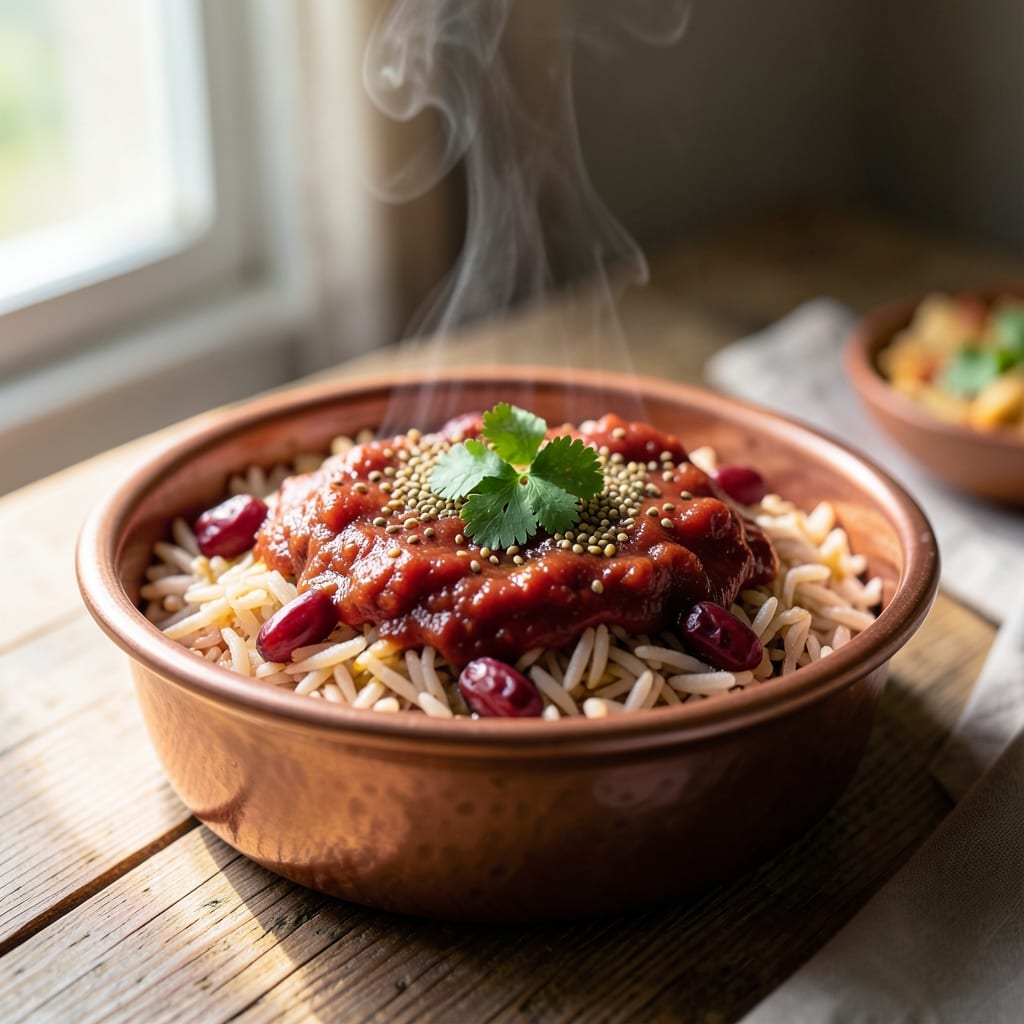
This Arabic red rice recipe brings the vibrant flavors of the Middle East to your table with its signature deep-red hue and complex blend of spices. Inspired by traditional Gulf cuisine, this dish transforms simple rice into a fragrant, spiced masterpiece that pairs perfectly with grilled meats or fresh salads. The secret lies in the slow-cooked tomato base and the addition of barberries, which lend a tangy, slightly bitter contrast to the warm spices.
The recipe begins with soaking and rinsing the rice to achieve that signature tender, fluffy texture while absorbing the rich, aromatic sauce. A blend of cumin, coriander, and turmeric forms the foundation, while tomatoes and barberries create a deep, velvety sauce that coats each grain. This method ensures every bite is packed with flavor without being overpowering, making it a crowd-pleaser for both novice and experienced cooks.
What sets this dish apart is its versatility—serve it as a standalone meal or pair it with grilled lamb, chicken, or even as a side for kebabs. The dish stays flavorful even when reheated, making it ideal for meal prep. The result is a visually stunning, deeply aromatic rice that tastes like a taste of home, no matter where you are.
Ready to transform your rice game? This recipe delivers restaurant-quality results with minimal effort, preserving the authenticity of Arabic cuisine while adapting to modern kitchens. Let’s get started!
Ingredients for arabic red rice
Transform simple basmati rice into a vibrant, spiced masterpiece with these authentic ingredients.
| Ingredient | Amount | Notes |
|---|---|---|
| Basmati Rice 🍚 | 1 cup | Long-grain, uncooked preferred |
| Canned Crushed Tomatoes 🍅 | 1 can | San Marzano preferred, 14 oz |
| Barberries 🍇 | ¼ cup | Fresh or dried, pitted |
| Ground Cumin 🌿 | 1 tbsp | Freshly toasted for depth |
| Ground Coriander 🌿 | 1 tbsp | Freshly ground preferred |
| Turmeric Powder 🌶️ | ½ tsp | Bright yellow for color |
| Garlic Cloves 🧄 | 3 cloves | Minced for aromatic base |
| Onion 🧅 | 1 whole | Yellow, finely diced |
| Olive Oil 🫒 | ½ cup | Extra-virgin for richness |
| Chicken Broth 💧 | 2 cups | Low-sodium preferred |
| Salt 🧂 | 1 ½ tsp | Diamond Crystal kosher |
| Black Pepper 🌶️ | ½ tsp | Freshly ground preferred |
| Lemon Juice 🍋 | 1 tbsp | Freshly squeezed |
| Fresh Parsley 🌿 | ¼ cup | Chopped for garnish |
The barberries are non-negotiable for that signature tangy bite—Middle Eastern markets or specialty grocery stores like Whole Foods carry them dried. If you can't find fresh, dried works just as well. For the tomatoes, San Marzano cans make all the difference—they're sweeter and less acidic, creating a velvety sauce. The basmati rice should be long-grain and uncooked; Lundberg Family Farms brand is my go-to for consistent results. Toast your cumin and coriander seeds lightly in a dry pan before grinding for deeper flavor—worth the extra minute.
No barberries? Substitute with dried cranberries at half the amount, though the flavor won't be identical. Short on chicken broth? Vegetable broth works just as well, but avoid beef or lamb broths to keep the dish authentic. The lemon juice can be swapped for vinegar in a pinch, but fresh is ideal. If you're using dried barberries, soak them in warm water for 15 minutes first to rehydrate. For the parsley, fresh is best, but dried at one-third the amount will work if you're in a bind. The olive oil should be extra-virgin—California brands like Corto or Colavita add a fruity note that complements the spices beautifully.
This rice reheats beautifully—actually tastes better the next day as the flavors meld. Store in an airtight container in the fridge for up to 5 days, or freeze portions for 3 months. I like to portion it into individual containers for easy meal prep—just microwave with a splash of water to revive. The dish stays vibrant in color and flavor when reheated, making it perfect for lunches. For extra richness, drizzle with a bit of olive oil before serving.
Why You'll Love This Recipe
- One-Pot Magic: I swear by this recipe when I’m too tired to wash pots—just toast the spices, dump in everything, and let it simmer. The basmati absorbs the flavors like a sponge, and the barberries add that bright, tangy punch without extra effort.
- Taste Like a Feast: That first bite? Warm, slightly sweet from the tomatoes, with earthy cumin and a hint of tartness from the barberries—it’s the kind of dish that makes you pause mid-bite. Honestly, I’ve had fancier meals, but this one sticks with you.
- Meal Prep MVP: Between us, this rice reheats like a dream—no mushy texture, no sad leftovers. I make a big batch on Sundays and use it all week: as a side for grilled chicken, stuffed in wraps, or even cold in salads. (Yes, even on a Tuesday night.)
- Budget Bright Spot: Canned tomatoes and dried barberries keep costs low, but the flavor? Ridiculously good. I’ve made this for potlucks, family dinners, and lazy takeout nights—it’s my go-to when I need something impressive without breaking the bank.
Step-by-step instructions for Arabic red rice
This method delivers vibrant, fragrant red rice with perfect texture and balanced spices every time.
Toast the Spices and Prepare the Base
Heat the 0.5 cup olive oil in a heavy-bottomed pot over medium heat. Add the 1 whole onion, finely diced, and cook for 5-6 minutes until softened and translucent. This step builds flavor—don't rush it.
Add the 3 cloves garlic cloves, minced, and cook for 30 seconds until fragrant. Immediately stir in the 1 tbsp ground cumin, 1 tbsp ground coriander, and 0.5 tsp turmeric powder. Toast the spices for 30 seconds until aromatic—this awakens their flavors and prevents bitterness.
Pour in the 1 can canned crushed tomatoes and stir well. Let the mixture simmer for 5 minutes until slightly thickened. This creates the rich tomato-spice base that will infuse the rice.
Cook the Rice with Broth and Barberries
Rinse the 1 cup basmati rice under cold water until the water runs clear. Add it to the pot and stir to coat in the tomato-spice mixture. Pour in the 2 cups chicken broth and add the 0.25 cup barberries. Stir gently to distribute the berries evenly.
Bring to a boil, then immediately reduce heat to low. Cover the pot with a tight-fitting lid and cook for 15 minutes without stirring. This allows the rice to absorb the liquid evenly and develop its signature red hue.
After 15 minutes, check the rice. If it's still firm to the bite, add 2 tablespoons water and cook another 5 minutes. The rice should be tender but still have a slight bite—it will finish cooking while resting.
Finish with Seasoning and Rest
Once the rice is tender, remove the pot from heat and let it sit covered for 10 minutes. This resting period allows the flavors to meld and the rice to finish cooking. Stir in the 1.5 tsp salt, 0.5 tsp black pepper, and 1 tbsp lemon juice.
Fluff the rice gently with a fork, then stir in the 0.25 cup fresh parsley, chopped. The parsley adds freshness that cuts through the richness of the spices. Taste and adjust seasoning if needed—this is where you ensure perfect balance.
For best results, serve immediately. The rice will continue to develop its deep red color and complex flavors as it sits. Pair with grilled meats or roasted vegetables for a complete Middle Eastern meal.
Pro Tips For Making Arabic Red Rice
- TOAST THE SPICES FIRST: I learned this the hard way—skipping the quick toast for cumin and coriander makes the dish taste flat. Heat them in the pot with a splash of oil for 30 seconds until fragrant. The aroma alone changes everything, and it prevents that bitter aftertaste from raw spices.
- SOAK THE RICE, NOT THE TOMATOES: Basmati rice needs a 15-minute soak in warm water, but never soak canned tomatoes—it turns them mushy. Drain them well and pat dry if they’re extra juicy. Trust me, you’ll notice the difference in texture.
- LOW AND SLOW AFTER BOILING: Once the rice and tomatoes hit a boil, drop the heat to the lowest setting you can tolerate. I used to rush it, and the rice would turn gummy. Let it simmer uncovered for 15 minutes—yes, even if it looks dry. The steam does the work.
- STIR IN BARBERRIES LATE: Add those precious barberries in the last 5 minutes of cooking. They burn fast, and their tartness is best preserved when they’re just warmed, not cooked into oblivion. Toss them in with a spoonful of the rice at the end—your dish will thank you.
Essential equipment for perfect results
Heavy-Bottomed Pot
This is my non-negotiable tool for Arabic red rice—it prevents scorching and ensures even heat distribution. I use a 5-quart enameled cast iron Dutch oven (like Le Creuset) because it retains heat beautifully and has sloped sides for easy stirring. If you don’t have one, a stainless steel pot with a thick base works too—just avoid thin aluminum. 🔥
Fine-Mesh Strainer
Rinsing basmati rice properly is key to fluffy texture, and a fine-mesh strainer (I love OXO’s Good Grips) makes this step effortless. Hold it under cold running water and agitate the rice until the water runs clear—this removes excess starch that causes gummy rice. A colander works, but it’s less precise.
Wooden Spoon
A heat-resistant wooden spoon (like Ozeri’s Ambler) is essential for stirring the tomato-spice base without scratching your pot. Wood distributes heat evenly and won’t react with acidic ingredients like tomatoes. Avoid metal spoons—they can discolor the rice and alter flavors over time.
Microplane or Garlic Press
For the garlic, a microplane or garlic press ensures you get finely minced cloves without burning them. I prefer the microplane because it yields a smoother texture and releases more flavor. If you’re mincing by hand, keep the heat low to avoid bitterness—garlic burns quickly! 🧄
Tight-Fitting Lid
Your pot’s lid must seal tightly to trap steam and cook the rice evenly. If your lid has gaps, line it with parchment paper or use a second smaller lid on top. I keep an extra glass lid (like from a Pyrex dish) on hand for this exact purpose—it’s a game-changer for steam retention.
Measuring Spoons
Precision matters with spices—use stainless steel measuring spoons (like West Bend’s) for accurate measurements. Ground cumin and coriander should be leveled, not heaped, to avoid overpowering the dish. A spice grinder (like Spiceworks) also helps toast spices fresh for deeper flavor.
Nutrition facts
Frequently asked questions
Why does Arabic red rice have such a deep red color?
The vibrant red hue comes from a perfect blend of turmeric and barberries. The turmeric provides the yellow base, while the tart barberries react with the tomatoes and spices during cooking to create that signature deep red. The longer the rice simmers, the more intense the color becomes!
Can I make this recipe without barberries?
Yes! If you can't find barberries, use dried cranberries at half the amount (about 1.5 tablespoons) for a similar tartness. For a different flavor profile, try dried cherries or even a splash of pomegranate molasses (1 teaspoon) to maintain the dish's complexity. The texture won't be identical, but the dish will still taste delicious.
How do I prevent my Arabic red rice from turning mushy?
Rinsing the rice thoroughly before cooking removes excess starch, which is key to fluffy texture. Also, never stir the rice while it cooks—just let it steam undisturbed for the first 15 minutes. If you need extra liquid, add it in small increments (2 tablespoons at a time) rather than all at once. Using a heavy-bottomed pot also helps distribute heat evenly.
Can I make this rice in a rice cooker?
Cook the tomato-spice base as directed, then transfer everything (including the barberries) to your rice cooker. Add the rice and broth, cook on high for 12 minutes, then switch to "keep warm" for 10 minutes. The rice cooker's gentle heat helps maintain the vibrant color and flavor. Just stir in the parsley and lemon juice after cooking.
What's the best way to store leftover Arabic red rice?
Store in an airtight container in the fridge for up to 5 days, or freeze for 3 months. To reheat, microwave with a splash of water or steam gently—this prevents drying out. The flavors actually improve overnight as the spices meld! For meal prep, portion into individual containers for easy grab-and-go lunches.