
Main Courses
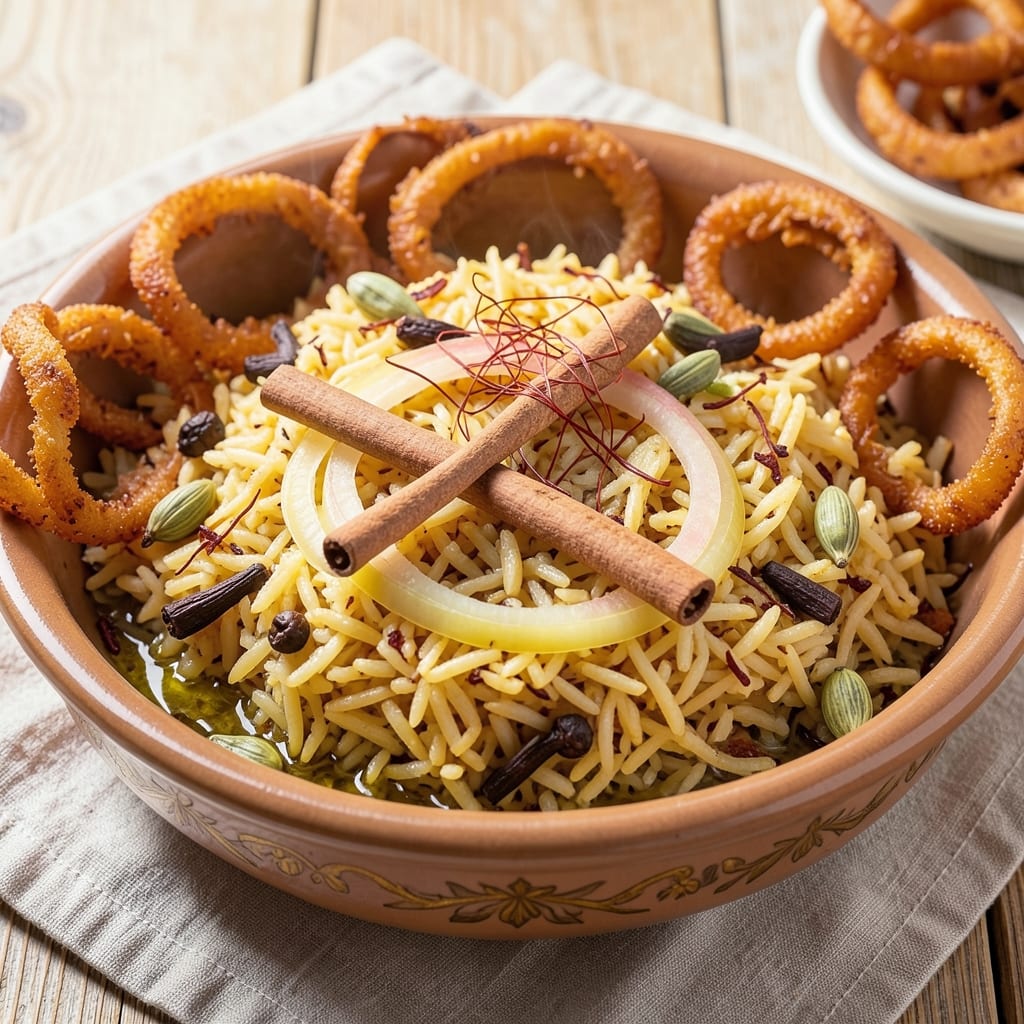
This Arabic saffron rice recipe transforms simple grains into a fragrant, golden centerpiece that belongs on any table. The secret lies in slow-toasting whole spices until they release their deep, toasty aromas—cinnamon, cardamom, and cloves—before layering them with saffron threads that dissolve into the rice for a luxurious, golden hue. I first discovered this technique while dining in a Moroccan home, where the rice wasn’t just a side but the star of the meal, served alongside tender lamb and spiced vegetables.
What makes this recipe special is the balance of textures and flavors: the rice stays distinct yet tender, while the spices infuse without overpowering. The saffron, steeped in warm water, releases its floral sweetness gradually, creating that signature aroma that fills every room. Unlike many saffron rice recipes, this method doesn’t require constant stirring—just patience and a few key techniques to achieve restaurant-quality results at home.
The final dish is a symphony of golden grains, toasted spices, and delicate saffron threads that melt into every bite. It’s rich enough to stand alone but versatile enough to pair with grilled meats, stews, or even as a standalone vegetarian meal. The spices develop deeper as the rice cooks, rewarding you with layers of warmth and complexity that turn a simple grain into something extraordinary.
Ready in about 45 minutes, this recipe is perfect for special occasions or weeknight dinners when you want to elevate your meal. The process is straightforward, but the result is anything but ordinary—each grain infused with the essence of Arabic cuisine. Let’s get started on creating this fragrant, golden masterpiece.
Ingredients for arabic saffron rice
Golden grains and aromatic spices transform simple rice into a luxurious centerpiece for any meal.
| Ingredient | Amount | Notes |
|---|---|---|
| Basmati Rice 🍚 | 1 ½ cups | Uncooked, long-grain preferred |
| Saffron Threads 🧡 | ¼ tsp | High-quality, premium grade |
| Whole Cinnamon Sticks 🌿 | 2 pieces | About 1-inch each |
| Green Cardamom Pods 🌿 | 8 whole | Lightly crushed |
| Whole Cloves 🌶️ | 6 whole | Lightly toasted |
| Yellow Onion 🧅 | 1 whole | Medium size, finely chopped |
| Garlic Cloves 🧄 | 4 cloves | Peeled and minced |
| Ghee or Butter 🧈 | ½ cup | Unsalted preferred |
| Vegetable Stock 💧 | 2 cups | Low-sodium preferred |
| Salt 🧂 | 1 ½ tsp | Kosher or sea salt |
| Fresh Lemon Juice 🍋 | 1 tbsp | For brightness |
| Fresh Parsley 🌿 | ¼ cup | Chopped, for garnish |
The saffron is non-negotiable here—look for premium threads at specialty markets or online (think Penzeys or Saffron Empire). A little goes a long way, so don’t skimp. The spices—cinnamon, cardamom, and cloves—need to be whole and toasted properly. Whole Foods or Middle Eastern grocery stores carry authentic whole spices, not the pre-ground stuff. For the rice, Basmati is essential—it stays distinct and fragrant when cooked right. Rinse it first to remove excess starch, which keeps the grains separate. The ghee adds richness; if you’re avoiding dairy, use extra-virgin olive oil instead.
No saffron? Turmeric at half the amount gives color, but no floral aroma. Short on cardamom? Allspice or nutmeg can substitute, though the flavor won’t be identical. The vegetable stock can be swapped for water, but homemade or quality store-bought stock adds depth. For the onion and garlic, caramelizing them first builds sweetness—don’t skip this step. Fresh lemon juice brightens the dish; bottled won’t cut it. The parsley is optional but adds freshness—dried won’t work here.
Toast the spices in a dry pan until fragrant—this releases their oils and aromas. Store the saffron in a dark, airtight container in the fridge to preserve its potency. The cooked rice keeps well for 3-4 days in the fridge, though it’s best reheated gently with a splash of water. For leftovers, freeze portions for up to 3 months. Garnish with parsley right before serving—it wilts quickly once chopped.
Why You'll Love This Recipe
- I’ll be real: whole spices are cheap, and they last forever. A few cinnamon sticks and cardamom pods stretch across multiple batches, while saffron—though pricier—goes a long way. Plus, leftovers reheat like a dream, keeping that fragrant steam alive for days. Budget-friendly? Check. Minimal waste? Double check.
- One-Pot Magic: I swear by this—just rice, spices, and water. No fancy layers, no risk of burning the bottom. Toss everything in, simmer, and walk away. That golden saffron hue? It infuses effortlessly while you prep the rest of the meal.
- Golden Threads Glow: Honestly, the saffron makes this dish feel like a celebration. A few strands steeped in warm water, and suddenly your rice smells like sunshine and spice. The cinnamon and cardamom add warmth, but it’s that saffron aroma that steals the show—subtle, luxurious, and impossible to resist.
- Weeknight to Feast: Between us, this rice works for everything. Pile it next to grilled chicken for a weeknight dinner, serve it at a potluck with lamb, or make a big batch for lazy Sundays. The spices mellow as they sit, so even reheated, it’s still rich and fragrant—not bland or sad.
Step-by-step instructions for Arabic saffron rice
Here's the method for fragrant, golden rice where each grain absorbs the essence of saffron and spice.
Toast the Whole Spices for Depth of Flavor
Heat a dry skillet over medium heat. Add the 2 pieces whole cinnamon sticks, 8 whole green cardamom pods, and 6 whole cloves. Toast for 2-3 minutes until the spices release their aroma and turn slightly darker in color. You'll smell an immediate burst of warmth—this is when they're ready.
Remove the spices from heat immediately and set aside. Over-toasting can make them bitter, so watch closely. These toasted spices will infuse the rice with their complex, earthy notes that balance the saffron's delicate sweetness. Don't skip this step—it's what transforms ordinary rice into something extraordinary.
Bloom the Saffron in Warm Stock
In a small bowl, combine the 0.25 tsp saffron threads with 2 tablespoons of the 2 cups vegetable stock. Let this steep for 10 minutes while you prepare the remaining ingredients. The saffron needs warmth to release its vibrant color and floral aroma—this ensures every grain gets that signature golden hue.
I always use premium saffron here. The cheaper varieties won't dissolve properly and will leave your rice looking pale. After steeping, you should see the liquid turn a beautiful golden yellow. Save this infused stock—it's the heart of your rice's flavor.
Sauté Onion and Garlic in Ghee
In a medium saucepan with a tight-fitting lid, melt the 0.5 cup ghee or butter over medium heat. Add the 1 whole yellow onion, chopped, and cook for 5-6 minutes until softened and translucent. Add the 4 cloves garlic, minced, and cook for another 1 minute until fragrant—but don't let it brown.
The ghee should bubble gently but not smoke. If it starts to brown too quickly, reduce the heat slightly. This aromatic base forms the flavor foundation for your rice. The onions should be completely tender before moving forward—you'll know they're ready when they lose their raw edge and become sweet.
Combine Rice and Infused Stock
Add the 1.5 cups basmati rice to the pan and stir to coat each grain in the ghee mixture. Pour in the remaining 1.5 cups vegetable stock (the uninfused portion) and the saffron-infused stock. Add the 1.5 tsp salt and bring to a boil over high heat.
Once boiling, immediately reduce heat to low, add the toasted spices, and cover tightly with the lid. The rice should cook undisturbed for 15 minutes. Here's the key: don't peek or stir. The steam needs to build evenly to create those separate, fluffy grains we want.
Rest and Finish with Lemon and Parsley
After 15 minutes, turn off the heat and let the rice steam for another 10 minutes with the lid still on. This resting period allows the rice to absorb any remaining liquid and develop its final texture. The grains should be tender but still have a slight bite—this is perfect al dente rice.
Fluff the rice gently with a fork, then stir in the 1 tbsp fresh lemon juice and 0.25 cup fresh parsley. The acidity brightens the dish while the parsley adds freshness. Serve immediately while still warm, garnished with additional parsley if desired. Each bite should deliver fragrant saffron, toasted spice, and the perfect balance of richness from the ghee.
Pro Tips For Making Arabic Saffron Rice
- Bloom the Saffron First: Toss the saffron threads into a teaspoon of warm water—not boiling—and let them steep for at least 10 minutes before adding to the rice. I used to just sprinkle it dry, and the flavor was always weak. This step extracts the full golden depth, and the water blends right into the rice without clumping.
- Toast the Spices Lightly: Dry-toast the cinnamon sticks, cardamom pods, and cloves in a separate pan over medium heat for 30 seconds until fragrant. This unlocks their aroma without burning them—just enough to smell like a spice shop. Skip this, and your rice will taste like you forgot the spices entirely.
- Use Double the Water: Arabic saffron rice needs a 2:1 water-to-rice ratio (not the usual 1.5:1). The saffron and spices demand more liquid to infuse properly, and the rice will absorb it beautifully. I learned this after my first batch turned out dry and bland—now I always measure carefully.
- Stir Once, Then Stop: After adding the rice to the pot, stir just once to distribute it evenly, then leave it alone. Poking and stirring releases starch too early, turning the rice mushy. Cover and let it steam undisturbed—this is how you get that perfect, separate-grain texture. (Yes, even if it looks uneven at first.)
Flavor customization for arabic saffron rice
Spice Variations
Swap the cinnamon, cardamom, and cloves for star anise and black peppercorns—a common variation in Levantine cuisine. Toast 2 star anise pods and 4 black peppercorns for 3 minutes until fragrant, then proceed with the recipe. The star anise adds a licorice-like depth, while the peppercorns bring subtle heat. 🌟
For a North African twist, add 1 tsp ground cumin and ½ tsp smoked paprika to the ghee before sautéing the onions. These spices complement the saffron beautifully while adding earthy warmth. Toast 2 bay leaves alongside the cinnamon for an extra herbal layer.
Saffron Alternatives
If saffron is unavailable, turmeric is the closest substitute—but expect a different flavor. Use ⅛ tsp turmeric (half the amount) dissolved in the stock. For color without saffron, try ½ tsp annatto powder (achiote), which gives a golden hue and mild smokiness. Neither replicates saffron’s floral aroma, though.
For a budget-friendly option, blend ½ tsp turmeric with ¼ tsp orange zest and 1 tbsp honey for a sweeter, citrusy alternative. Steep this mixture in the stock for 10 minutes—it won’t be identical, but it adds vibrant color and brightness.
Texture Adjustments
For extra fluffy rice, rinse the basmati in cold water until the water runs clear, then soak for 20 minutes before cooking. This removes excess starch, preventing gummy grains. For stickier rice, reduce the stock by ¼ cup—this creates a slightly creamier texture while keeping the grains distinct.
Add 2 tbsp chopped almonds or pistachios during the final resting phase for crunch. Toast them separately in ghee for 2 minutes until golden, then fold into the rice before serving. This adds texture contrast and nutty richness.
Vegetarian Adaptations
Boost the dish with roasted vegetables like butternut squash or eggplant. Toss 1 cup diced squash with 1 tbsp olive oil, ½ tsp cumin, and ¼ tsp salt, then roast at 400°F for 20 minutes. Fold into the rice before serving for hearty texture.
For a protein-packed version, stir in 1 cup cooked chickpeas or crumbled feta cheese during the resting phase. The chickpeas add fiber, while feta brings tangy creaminess. Garnish with extra parsley and a drizzle of lemon-olive oil for brightness.
Nutrition facts
Frequently asked questions
Can I use regular rice instead of basmati?
While you can try long-grain white rice, basmati is essential for authentic texture. Its slender grains stay separate and fragrant when cooked properly. For a similar result, look for jasmine rice—rinse it thoroughly and use the same 1:1.5 rice-to-stock ratio. Short-grain rice like sushi rice will turn mushy and lose the distinct grains we want.
How do I know when the saffron is properly infused?
The saffron-infused stock should turn a vibrant golden yellow after 10 minutes of steeping. If it stays pale, your saffron may be old or low-quality. Fresh saffron threads dissolve completely and create that signature floral aroma. For extra potency, crush the threads lightly with your fingers before steeping.
Why does my rice turn out mushy?
Mushy rice usually means one of two things: either you stirred too much during cooking (which releases starch) or you didn't use enough stock. For perfect texture, use the exact 1:1.5 rice-to-stock ratio and never stir after the initial boil. Let the rice steam undisturbed for the full 15 minutes before resting. If it's still too soft, spread it on a tray and dry it in the oven at 200°F for 10 minutes.
Can I make this recipe without ghee?
Yes, but the flavor will be slightly different. Use extra-virgin olive oil for a neutral option or butter for richness. If using butter, reduce the amount slightly (¼ cup) since it has more water content. For a dairy-free version, toast the spices in olive oil and use it throughout. The key is getting the onions and garlic properly caramelized to build flavor.
What's the best way to store leftovers?
Store cooked rice in an airtight container in the fridge for up to 4 days. To reheat, sprinkle with 1 tsp water per cup of rice, cover, and microwave for 1-2 minutes on medium heat. For freezing, portion into 1-cup servings and freeze for up to 3 months. Thaw overnight in the fridge before reheating. The saffron flavor intensifies when reheated gently.