
Main Courses
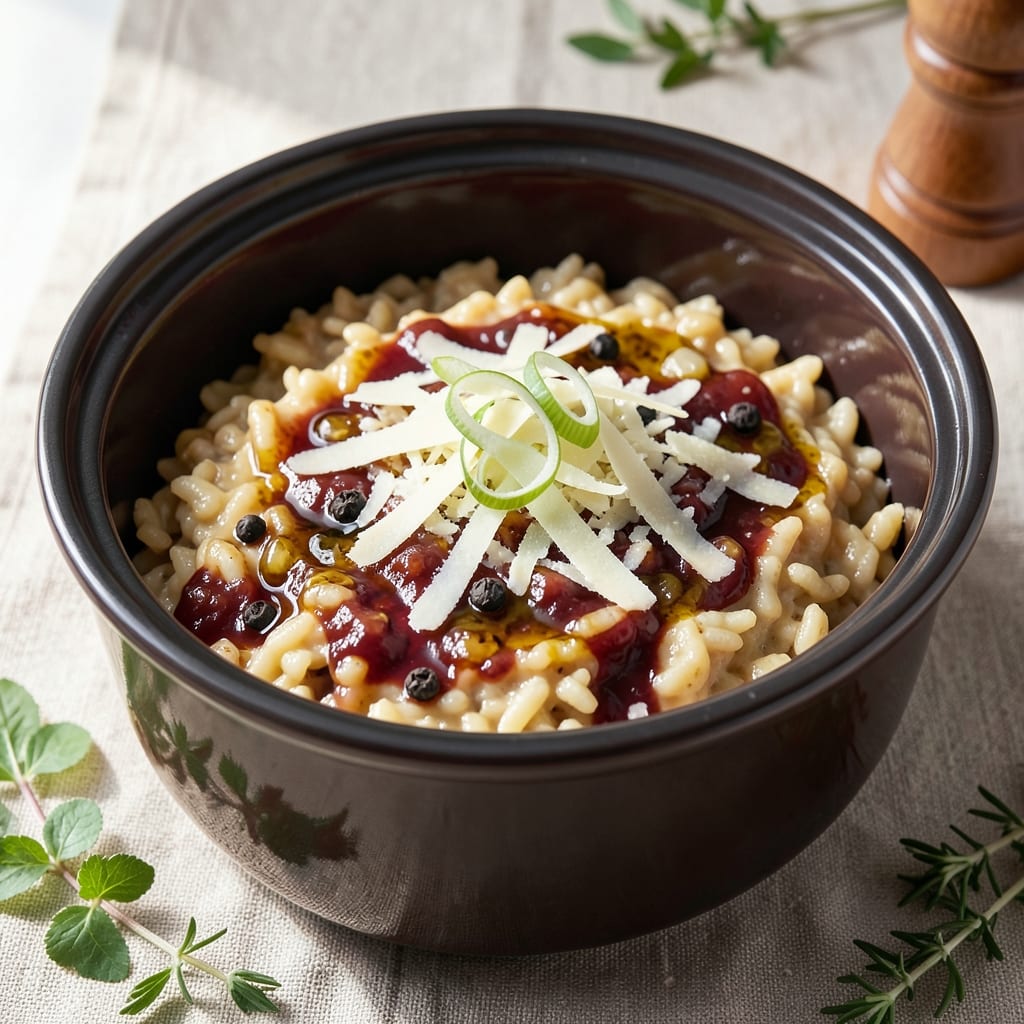
This Arborio rice in rice cooker recipe transforms your weekday dinner into restaurant-quality risotto with minimal effort. The secret lies in the rice cooker's gentle heat, which cooks the grains slowly while absorbing liquid—creating that signature creamy texture without constant stirring. I've perfected this method after years of trial and error, and it never fails to impress. What sets this recipe apart is the hands-off approach: no need to monitor the pot or stir constantly like traditional risotto. The rice cooker handles the work while you focus on building flavor with aromatics, broth, and Parmesan. For best results, use a 1:1.5 rice-to-liquid ratio and let the cooker's natural cycle work its magic. By the end, you'll have perfectly creamy Arborio rice with a delicate al dente bite—ideal for serving as risotto or as a side dish. The texture is velvety yet substantial, with each grain holding its shape while absorbing rich, savory flavors. This is comfort food at its finest, made effortless. Whether you're feeding a family or cooking for one, this method delivers consistent results every time. The rice cooker's even heat distribution ensures no grain is undercooked or mushy, making it the foolproof way to achieve creamy perfection. Let's get started!
Ingredients for arborio rice in rice cooker
Pantry staples plus a few fresh ingredients—this rice cooker risotto is foolproof magic.
| Ingredient | Amount | Notes |
|---|---|---|
| Arborio Rice 🍚 | 1 cup | Unrinsed for best starch absorption |
| Vegetable Broth 💧 | 1 ½ cups | Homemade or quality low-sodium |
| White Wine 🍷 | ½ cup | Dry variety like Sauvignon Blanc |
| Onion 🧅 | 1 whole | Yellow, finely diced |
| Garlic Cloves 🧄 | 3 cloves | Minced for aromatic base |
| Parmesan Cheese 🧀 | ½ cup | Freshly grated from block |
| Unsalted Butter 🧈 | 2 tbsp | Cold, cubed for finishing |
| Olive Oil 🫒 | 1 tbsp | Extra-virgin for sautéing |
| Salt 🧂 | 1 tsp | Kosher or sea salt |
| Black Pepper 🌶️ | ½ tsp | Freshly ground for finishing |
| Fresh Thyme Leaves 🌿 | ¼ tsp | Dried works in a pinch |
| Lemon Zest 🍋 | 1 tsp | Brightens the final flavor |
Arborio rice is the star here, and unrinsed is key—those surface starches are what create the creaminess. Lundberg or Barilla are my go-tos, but any Arborio works. The broth? Homemade is ideal, but Pacific Foods or Imagine low-sodium cubes save time. For the wine, any dry white will do—whatever's open. Fresh thyme adds depth, but dried works at half the amount. The Parmesan? Grate it yourself—pre-grated gets clumpy and tastes like sawdust.
No Arborio rice? Carnaroli is the next best thing, but the texture won't be identical. Short on wine? Extra broth plus a splash of lemon juice keeps it bright. The butter should be cold when you add it at the end—cubed from the fridge melts perfectly. For extra richness, stir in 1/4 cup heavy cream at the finish. The lemon zest can be skipped if you're not a fan, but trust me, it's worth the extra minute.
This reheats beautifully—just add a splash of broth and let the rice cooker's steam work its magic. Keeps for 3-4 days in the fridge, though it's best the first day. For leftovers, portion into containers with a little extra broth at the bottom—prevents drying out. Freezes for up to 3 months if you're planning ahead. The rice cooker's even heat means no lumps or dry spots, so you can't mess it up.
Why You'll Love This Recipe
- No Chopping Chaos: I swear by this—just dice the onion and garlic once, then toss them in with the rice. The rice cooker does the rest while I’m stirring the sauce or folding in cheese. Minimal effort, maximum result.
- Wine-Infused Magic: That splash of white wine? It’s not just fancy—it deepens the flavor in ways plain broth never could. The rice ends up with a subtle richness, almost like a hug from a French bistro, but with zero pretension.
- Weeknight to Dinner Party: Same base, endless twists. Keep it simple with a sprinkle of Parmesan for a quick lunch, or go all out with mushrooms, peas, and a fried egg on top for a fancier spread. It’s my secret weapon for "I’ll make it work" nights.
- Leftovers That Don’t Suck: Unlike risotto, this rice actually tastes better the next day. Reheat it with a splash of broth, and it’s still creamy and satisfying—perfect for packed lunches or lazy Sunday breakfasts. No sad, dry grains here.
Step-by-step instructions for creamy risotto in a rice cooker
Here's how to transform your rice cooker into risotto magic—no stirring required.
Sauté the Aromatics Until Golden
Heat the 1 tablespoon olive oil in your rice cooker's sauté function over medium heat. Add the 1 whole onion, finely diced, and cook for 5 minutes until soft and translucent. Here's the thing—don't rush this step. You want the onion to actually caramelize slightly at the edges for deeper flavor.
Add the 3 cloves garlic cloves, minced, and the 0.25 teaspoon fresh thyme leaves (or dried if substituting). Cook for another 1-2 minutes until the garlic is fragrant but not browned. That's your signal to move to the next ingredient—it should smell like a warm Italian kitchen. If it starts to brown too quickly, reduce the heat slightly.
Toast the Arborio Rice
Add the 1 cup Arborio Rice to the rice cooker and stir to coat the grains completely in the onion-garlic mixture. This creates a flavorful crust on each grain. Cook for 2 minutes on sauté, stirring constantly, until the rice turns slightly translucent at the edges and you can see little star-shaped patterns forming.
I like to press down gently on the rice with a wooden spoon during this time—this prevents it from sticking to the bottom and ensures even toasting. You're building flavor here, so don't skip this step. The rice should look dry and separate, not clumping together.
Add Wine and Broth
Pour in the 0.5 cup White Wine and stir until completely absorbed by the rice. This might take 1-2 minutes—you'll see the wine disappear into the grains. Then add 1 cup of the 1.5 cups Vegetable Broth and the 1 teaspoon Salt. At this point, you can switch your rice cooker to its regular cooking function.
Here's where the magic happens: the rice cooker will automatically add the remaining 0.5 cup Vegetable Broth at the appropriate time. Most rice cookers have a "risotto" or "creamy" setting that handles this automatically. If yours doesn't, you'll need to add the remaining broth manually when the rice starts to absorb the liquid.
Let the Rice Cooker Work Its Magic
Close the lid and let the rice cooker do its thing. This is where patience pays off—the rice will cook slowly, absorbing the broth gradually and releasing its starches to create that signature creamy texture. The cooking time will vary by model, but typically takes 18-22 minutes total.
Don't be tempted to peek or stir—this is the moment that matters. The rice cooker's gentle heat and timed broth additions create the perfect al dente texture without any effort from you. You'll know it's done when the rice is tender but still has a slight bite in the center, and all the liquid is absorbed.
Finish with Butter, Cheese, and Zest
Once the rice cooker finishes, let it sit for 2 minutes with the lid closed. Then stir in the 2 tablespoons Unsalted Butter, 0.5 cup Parmesan Cheese, 0.5 teaspoon Black Pepper, and 1 teaspoon Lemon Zest. The butter and cheese will melt into the warm rice, creating an incredibly rich, velvety texture.
Taste and adjust seasoning if needed—you might want to add a pinch more salt or a splash of broth if it's too thick. The lemon zest brightens everything up, cutting through the richness. Serve immediately while still warm, with extra Parmesan on top if you're feeling fancy.
Pro Tips For Making Arborio Rice In Rice Cooker
- Sear the Onion First: Don’t just chop and toss—cook the onions in a dry pan until they’re deep golden, almost caramelized, before adding broth. I used to skip this, and the rice just tasted flat. The extra 5 minutes of browning builds flavor that the rice cooker can’t replicate. ---
- Use Cold Broth: Add the vegetable broth cold, not hot, to the rice cooker. The shock of cold liquid helps the Arborio rice absorb evenly without turning mushy. I learned this after three batches of sad, gluey risotto—trust the process. ---
- Stir Once, Then Stop: After adding the wine and initial splash of broth, stir once to distribute, then let the rice cooker do its thing. Poking and prodding releases starch too early, and you’ll end up with a gummy mess. Resist the urge to check on it. ---
- Toast the Rice Dry: Before adding liquid, toast the Arborio rice in the rice cooker (on sauté mode if it has one) for 2–3 minutes until it smells nutty. This step unlocks the rice’s natural starch, which is what makes risotto creamy. Skipping it means bland, watery rice.
Dietary considerations for arborio rice in rice cooker
Gluten-Free Adaptations
Arborio rice is naturally gluten-free, making this recipe perfect for those avoiding gluten. Simply use certified gluten-free vegetable broth and ensure your white wine is also gluten-free (some wines contain barley). I recommend Freixenet Cordon Negro or Bartles & Jaymes gluten-free options. The texture remains creamy, but the flavor stays true to traditional risotto. 🌱
Vegetarian Versions
This recipe is already vegetarian-friendly, but you can enhance it further by adding sautéed mushrooms or roasted vegetables like zucchini or bell peppers. For extra richness, stir in ¼ cup nutritional yeast along with the Parmesan—it adds a cheesy, umami depth without dairy. The rice cooker handles these additions beautifully, distributing flavors evenly.
Dairy-Free Options
Skip the butter and Parmesan, then use 2 tablespoons olive oil and ½ cup nutritional yeast for a dairy-free finish. For a creamier texture, add ¼ cup coconut cream at the end. The rice cooker's gentle heat ensures the coconut cream blends smoothly without curdling. This version still delivers that signature velvety texture while keeping it plant-based.
Low-Carb Considerations
If you're watching carbs, this recipe isn't ideal since Arborio rice is higher in starch. However, you can reduce the portion to ½ cup rice and increase the broth to 2 cups total for a lighter version. Add extra sautéed veggies like spinach or asparagus to bulk up the dish without adding many carbs. The rice cooker's even heat ensures the smaller amount of rice cooks perfectly.
Allergen-Friendly Tips
For nut allergies, avoid any nut-based broths and stick to vegetable or chicken broth. If you're sensitive to sulfites, choose a sulfite-free wine like Yellow Tail. For soy allergies, ensure your vegetable broth is soy-free. The rice cooker's simplicity makes it easy to control ingredients—just swap any potential allergens with safe alternatives. Always double-check labels, especially for broth and wine.
Nutrition facts
Frequently asked questions
Can I use any rice in a rice cooker for creamy risotto?
No, Arborio rice is essential for creamy risotto because its high starch content creates that signature texture. Substitutes like jasmine or basmati won't work—they lack the necessary starch. If you must substitute, try Carnaroli, but expect a slightly different (though still delicious) texture.
Why does my risotto turn out mushy in the rice cooker?
Overcooking is the most common culprit. Arborio rice should have a slight bite when done. Use the 1:1.5 rice-to-liquid ratio and let the rice cooker's natural cycle handle the timing. If it's still mushy, you likely added too much broth or overcooked it—check your rice cooker's manual for risotto-specific settings.
Do I need the sauté function for this recipe?
Yes, the sauté function is crucial for building flavor. Toasting the rice and aromatics develops deep, rich tastes that can't be replicated by just adding ingredients cold. If your rice cooker lacks a sauté function, use a separate pan first, then transfer everything to the cooker before adding liquids.
Can I make this risotto ahead of time?
Fresh is best, but you can prep components ahead. Sauté the onions and garlic, then store them in the fridge for up to 2 days. Toast the rice separately and refrigerate. When ready to cook, combine everything in the rice cooker and proceed with the recipe. For leftovers, reheat with a splash of broth to restore creaminess.
What if my rice cooker doesn't have a risotto setting?
No problem! Use the white rice setting and add the remaining 0.5 cup broth manually when the rice starts absorbing liquid (around 10 minutes). Monitor closely—the rice cooker's heat will vary by model. If it finishes too early, switch to "keep warm" mode and add more broth gradually.