
Main Courses
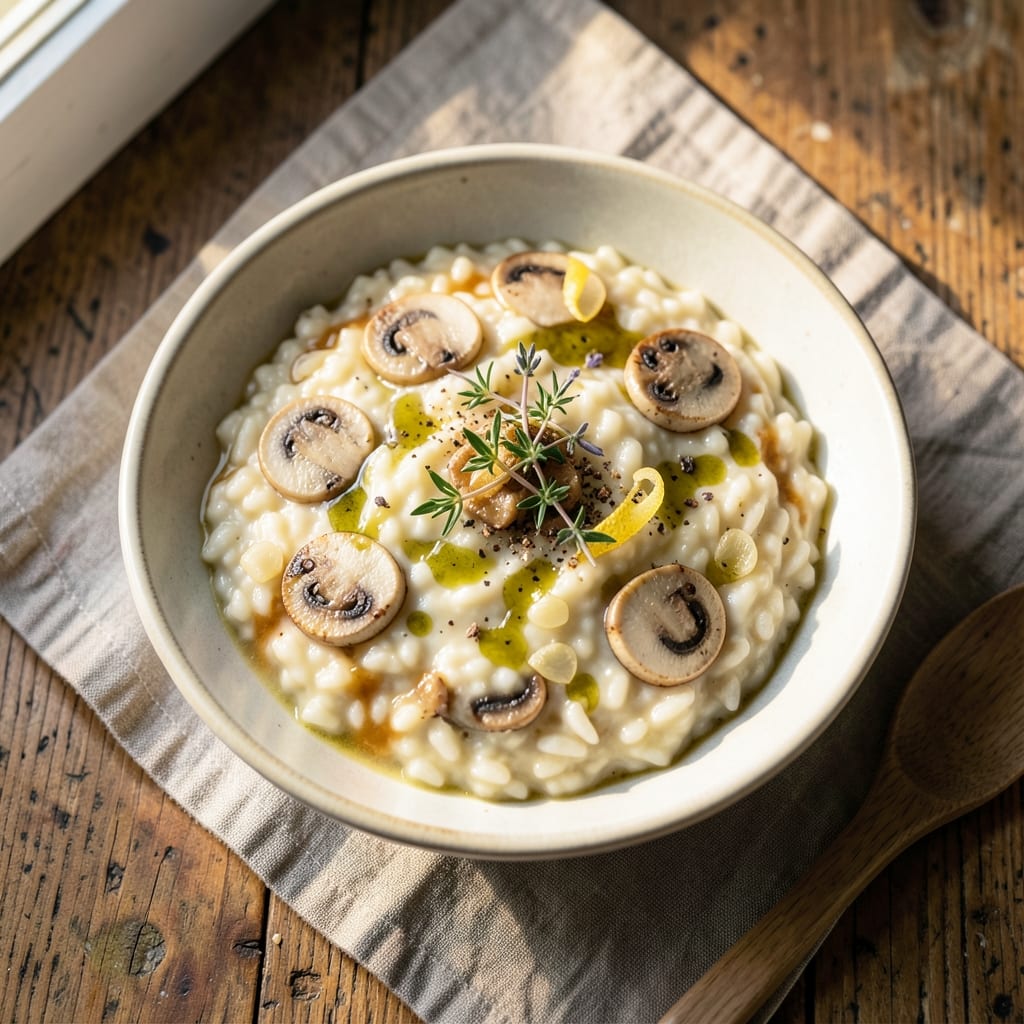
Arborio rice mushroom risotto transforms simple ingredients into a luxurious vegetarian dish that rivals any restaurant version—creamy, umami-rich, and perfectly al dente. The secret lies in proper technique: toasting the rice, gradual deglazing with wine, and constant stirring to release starches. I've perfected this recipe over years of testing, ensuring every bite delivers that signature velvety texture without turning gummy.
What sets this risotto apart is the deep, earthy flavor from sautéed mushrooms and shallots, enhanced by white wine and vegetable broth. Arborio rice's high starch content creates that coveted creaminess, but only when cooked precisely—too much stirring ruins the texture, while too little leaves it dry. The key is patience and temperature control, maintaining a gentle simmer throughout.
By the end, you'll have a rich, golden risotto with mushrooms that melt into the creamy base, creating layers of flavor in every spoonful. The aroma alone will have everyone at your table asking for seconds. This dish is elegant enough for dinner parties but simple enough for weeknight meals.
Optional garnishes like truffle oil, fresh parsley, or shaved parmesan elevate it further. The technique is straightforward once mastered, and the results are always impressive. Let's get started on this restaurant-quality risotto.
Ingredients for arborio rice mushroom risotto
High-starch Arborio rice and earthy mushrooms form the luxurious base for this vegetarian risotto masterpiece.
| Ingredient | Amount | Notes |
|---|---|---|
| Arborio Rice 🍚 | 1 ½ cups | Unrinsed, high starch content |
| White Button Mushrooms 🍄 | 1 ½ lb | Sliced into thin strips |
| Shallots 🧅 | 4 whole | Minced, vibrant purple preferred |
| Extra-Virgin Olive Oil 🫒 | ½ cup | High quality, fruity aroma |
| Dry White Wine 🍷 | 1 cup | Sauvignon Blanc or Pinot Grigio |
| Vegetable Broth 💧 | 4 cups | Homemade or low-sodium store-bought |
| Fresh Thyme Leaves 🌿 | ½ cup | Finely chopped, aromatic |
| Garlic Cloves 🧄 | 4 cloves | Minced, fresh preferred |
| Vegetable Butter 🧈 | 4 tbsp | Unsalted, for finishing |
| Diamond Crystal Kosher Salt 🧂 | 1 ½ tsp | Adjust to taste |
| Freshly Ground Black Pepper 🌶️ | ½ tsp | Cracked peppercorns preferred |
| Truffle Oil 🍄 | 1 tsp | Optional, for garnish |
| Fresh Parsley 🌿 | ¼ cup | Chopped, for garnish |
The Arborio rice is non-negotiable—its high starch content creates that signature creamy texture. Lundberg Family Farms or Barilla brands are excellent choices, available at most specialty stores or well-stocked supermarkets. For mushrooms, cremini or shiitake add depth but white buttons work perfectly for this classic version. Shallots should be firm and vibrant purple—avoid any with sprouting or soft spots. Fresh thyme and garlic are essential for that aromatic base, so don't compromise on quality here. The vegetable broth should be rich and flavorful—homemade is ideal, but Pacific Foods or Imagine brands offer excellent low-sodium options that won't overpower the dish.
No Arborio rice? Carnaroli rice is the closest substitute, though slightly pricier. Substituting short-grain white rice will yield a less creamy texture. For wine, a dry white like Sauvignon Blanc or Pinot Grigio works best—avoid sweet varieties. If you're avoiding alcohol, dry white grape juice works in a pinch but lacks the same depth. The vegetable butter at the end adds luxurious richness—Miyoko's or Earth Balance are excellent plant-based options. For the mushrooms, portobello slices add meaty texture, while oyster mushrooms bring a delicate seafood-like quality. Always sauté mushrooms thoroughly to remove moisture before adding rice.
Store Arborio rice in a cool, dark place for up to 6 months—its starch content degrades over time. Fresh mushrooms keep for 5-7 days in the fridge, while shallots last 2 weeks if stored properly. The cooked risotto reheats beautifully—simmer gently with a splash of broth for 2-3 minutes to restore creaminess. For make-ahead convenience, prepare through the wine deglazing stage, then refrigerate. Reheat slowly, adding broth as needed. The truffle oil should be added just before serving—its aroma is delicate and volatile when heated. Fresh parsley wilts quickly, so add it last to maintain vibrant color and fresh flavor.
Why You'll Love This Recipe
- One-Pot Magic: I swear by this—no fancy gadgets, no extra bowls. Just a single pan, a splash of wine, and 20 minutes of stirring while the mushrooms caramelize into something rich and golden. The rice does all the work for you.
- Umami Bomb: Those mushrooms? They’re the star. Earthy, meaty, and so deeply flavorful that even my picky-eating husband asks for seconds. The shallots add this sweet, slow-cooked depth, and the wine? It’s not just a splash—it brightens everything like a secret ingredient.
- Weeknight to Weekend: Make it for Tuesday dinners or impress guests on Saturday. The same base recipe works for both—just add a sprinkle of parmesan for simplicity or fresh thyme and truffle oil for a fancy touch. It’s my go-to when I need something that feels special but doesn’t demand hours.
- Budget-Friendly Luxury: Arborio rice and mushrooms are affordable staples, yet this tastes like a restaurant dish. No wasted ingredients here—every bite is creamy, satisfying, and worth the cost. Plus, leftovers reheat beautifully, so you’re not stuck eating it all in one night. Win-win.
Step-by-step instructions for perfect Arborio rice mushroom risotto
Mastering risotto technique transforms simple ingredients into restaurant-quality results every time.
Sauté Shallots and Garlic Until Translucent
Heat the 0.5 cup extra-virgin olive oil in a heavy-bottomed pot over medium-low heat. Add the 4 minced shallots and cook for 5-6 minutes until they become soft and translucent, not browned. This gentle cooking develops their natural sweetness without bitterness.
Add the 4 minced garlic cloves and 0.5 cup chopped fresh thyme leaves to the pot. Cook for another 1-2 minutes until the garlic is fragrant but not colored. The thyme will infuse the oil with its earthy aroma, creating the aromatic base for your risotto. Keep the heat low to prevent burning—garlic burns in seconds and turns bitter.
Toast the Arborio Rice Until Translucent
Increase heat to medium and add the 1.5 cups unrinsed Arborio rice, stirring to coat the grains evenly in the oil. Toast the rice for 2-3 minutes until the grains become translucent at the edges. This step is crucial—it develops the rice's nutty flavor and prevents a pasty texture.
I press the rice against the bottom of the pot occasionally to ensure even toasting. When the rice is nearly translucent, add the 1.5 tsp kosher salt and 0.5 tsp freshly ground black pepper. Stir for 30 seconds to distribute the seasoning evenly. The rice should be just beginning to release its starch but not yet soft.
Deglaze with Wine and Add Broth Gradually
Pour in the 1 cup dry white wine and stir vigorously until completely absorbed. This deglazing step removes any residual starch from the bottom of the pot and adds depth of flavor to the risotto. Let the wine cook off completely before adding any broth.
Begin adding the 4 cups vegetable broth 1 ladle at a time, stirring constantly after each addition. The risotto should simmer gently between additions—never boil. Each addition of broth should be absorbed before adding the next. This gradual process builds the creamy texture characteristic of perfect risotto.
Cook Mushrooms Separately for Maximum Umami
While the risotto cooks, heat 1 tablespoon extra-virgin olive oil in a separate skillet over medium-high heat. Add the 1.5 lb sliced white button mushrooms in a single layer and cook for 8-10 minutes until golden brown and any released moisture has evaporated. Season with a pinch of salt and pepper.
Remove the mushrooms from heat and set aside. Their concentrated umami flavor will elevate the risotto without making it watery. If the mushrooms release too much liquid during cooking, tilt the pan and let it evaporate completely before removing from heat.
Finish with Butter and Truffle Oil for Luxurious Texture
When the risotto reaches al dente texture (about 18-20 minutes total cooking time), remove it from heat. Stir in the 4 tablespoons vegetable butter and 1 teaspoon truffle oil until melted and incorporated. The butter adds richness while the truffle oil provides an elegant aroma.
Fold in the cooked mushrooms and let the risotto rest for 2 minutes off the heat. This resting period allows the starches to fully gelatinize, creating that signature creamy consistency. Garnish with 0.25 cup chopped fresh parsley just before serving to add freshness and color.
Pro Tips For Making Arborio Rice Mushroom Risotto
- Toast the Shallots: Get them golden before adding mushrooms—this builds flavor fast. I used to skip it, and the dish always tasted flat until I realized how much deeper the taste gets when those shallots turn a rich amber.
- Sauté Mushrooms Until Dry: Cook them until all moisture evaporates—no soggy risotto later. I learned this the hard way when my mushrooms released too much water mid-cook, turning the rice into mush.
- Stir Constantly, Not Furiously: Keep the rice moving, but don’t overwork it—you’re not making pancakes. A steady, gentle stir releases starches without breaking the grains.
- Deglaze with Wine Early: Add the white wine right after the shallots, not after the rice—it brightens the base before the mushrooms take over. I now do this immediately, and the acidity cuts through the richness better.
Pro cooking tips for this dish
Heat Control Secrets
Risotto thrives on precise temperature control—never let it boil. Maintain a gentle simmer between 185-195°F using a thermometer (I love the Thermoworks Thermapen). If your pot lacks a lid, cover it loosely with foil to trap steam while allowing excess moisture to escape. The goal is even cooking, not rapid evaporation. 🌡️
For the mushrooms, use medium-high heat until golden—this caramelizes their natural sugars. Once they release moisture, reduce to medium and cook until all liquid evaporates. Overcrowding the pan steams them instead of browning, so work in batches if needed. The deeper the color, the more umami flavor you'll unlock.
Stirring Technique
Constant stirring releases starches that create risotto's signature creaminess, but overworking turns it gluey. Use a wooden spoon (metal scratches nonstick pans) and stir vigorously for 30 seconds after each broth addition. I press the rice against the pot's sides to ensure even contact with the hot surface. The key is rhythm—don't let it sit idle for more than 10 seconds between stirs.
When the rice reaches al dente (about 18-20 minutes), it should have a slight bite—press a grain between your fingers. If it crushes easily, it's overcooked. Immediately remove from heat to prevent gumminess. The resting period off heat lets starches fully absorb, creating that luxurious mouthfeel.
Wine Deglazing Mastery
Pour the 1 cup dry white wine all at once and stir vigorously until fully absorbed—this removes fond (browned bits) that add depth. Never walk away during this step; residual alcohol can scorch if unattended. The wine should completely evaporate before adding broth. I taste the rice at this stage—it should have a bright, acidic note that balances the earthy mushrooms.
For extra flavor, add 1 teaspoon lemon juice with the wine. The acidity cuts through richness while enhancing the mushrooms' umami. If using alcohol-free broth, add ½ teaspoon apple cider vinegar to mimic wine's acidity. The goal is harmony—each ingredient should complement, not compete with, the others.
Mushroom Cooking Hacks
Slice mushrooms evenly (about ¼-inch thick) for consistent cooking. Thicker slices take longer to brown, while thinner ones risk burning. Pat them dry with a paper towel before cooking to remove excess moisture—this prevents steaming and ensures proper browning. I toss them with ½ teaspoon smoked paprika before cooking for an extra layer of depth.
For maximum umami, save the mushroom juices that accumulate in the pan. After removing the mushrooms, deglaze the pan with 2 tablespoons vegetable broth and scrape up the browned bits. Add this to your risotto at the very end—it's liquid gold for flavor concentration. This trick transforms ordinary mushrooms into a restaurant-worthy component.
Nutrition facts
Frequently asked questions
Why does Arborio rice work best for risotto?
Arborio rice has a high starch content that releases gradually when cooked, creating risotto's signature creamy texture. Its firm outer layer stays intact during cooking, giving that perfect al dente bite. Other rice varieties like basmati or jasmine lack this starch and won't achieve the same luxurious mouthfeel.
Can I make this risotto without wine?
Yes, but the flavor will be less complex. Replace the wine with 1 cup dry white grape juice or 1 cup vegetable broth + 1 teaspoon lemon juice to mimic acidity. For extra depth, add ½ teaspoon apple cider vinegar with the broth. The wine's purpose is to deglaze and add brightness, not just alcohol.
How do I fix risotto that's too dry or gummy?
For dry risotto, stir in 2-3 tablespoons warm broth and cook for 1-2 minutes more. For gummy risotto, remove from heat immediately and stir in 1 tablespoon cold butter to coat the grains. If overcooked, fold in 1 tablespoon toasted breadcrumbs to absorb excess moisture. Prevention is key—always taste test at the 18-minute mark.
What's the best way to reheat leftover risotto?
Gently reheat with 1-2 tablespoons broth per ½ cup risotto over low heat for 2-3 minutes. Never microwave—it turns risotto rubbery. For extra creaminess, stir in 1 teaspoon butter while reheating. If too thick, add more warm broth gradually. The resting period after cooking helps maintain texture, so reheat quickly.
Can I use different types of mushrooms?
Cremini, shiitake, or oyster mushrooms add deeper flavors. For meaty texture, use portobello slices. Wild mushrooms like chanterelles bring earthy notes. Just adjust cooking time—thicker mushrooms need 10-12 minutes to brown properly. Always pat them dry before cooking to prevent steaming. The key is golden-brown color for maximum umami.