
Main Courses
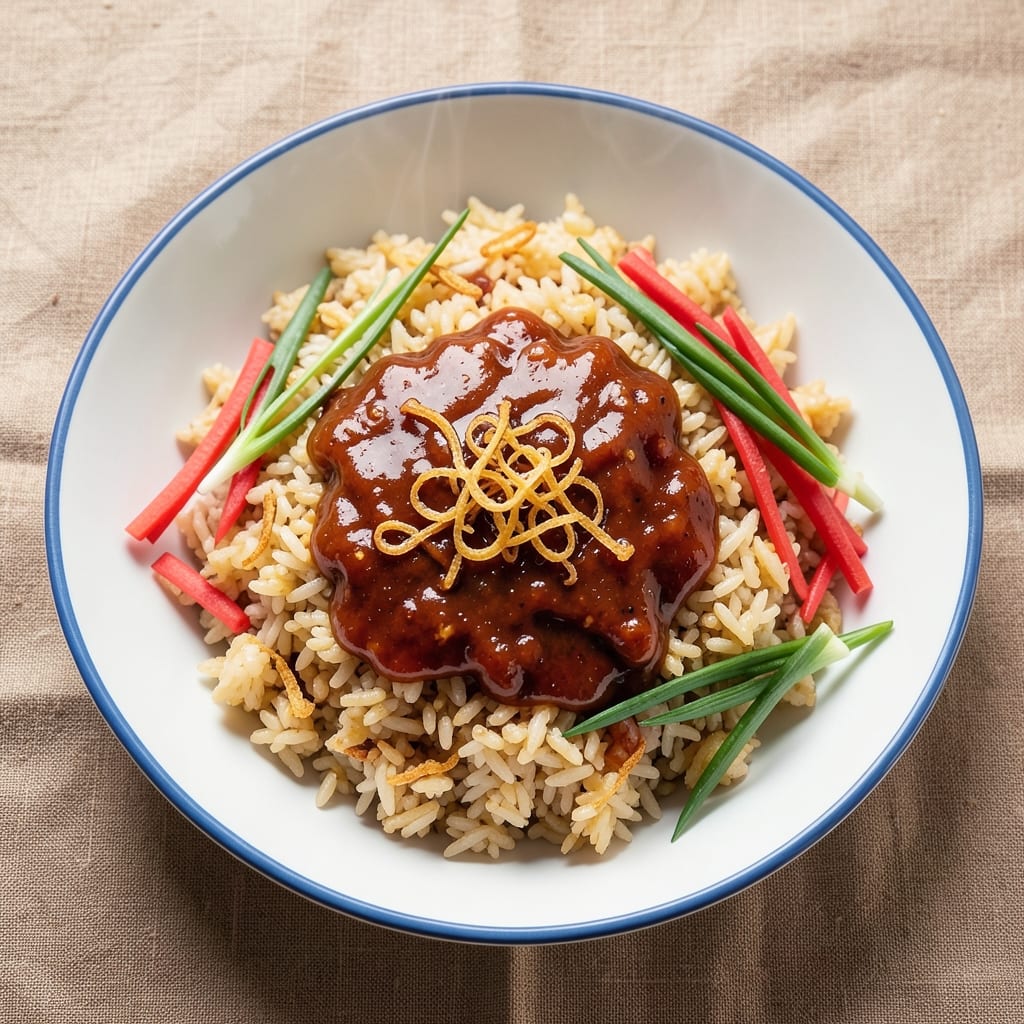
This Arirang fried rice recipe delivers the bold, spicy, and eggy richness that makes Korean fried rice a standout dish. The secret lies in perfectly seasoned rice, tender protein, and a balance of sweet, savory, and umami flavors that come together in every bite. I’ve refined this recipe to stay true to traditional techniques while adapting for home kitchens—no fancy equipment required.
The foundation starts with day-old rice, stir-fried in a hot pan with a blend of gochujang (Korean chili paste), soy sauce, and a touch of sugar for depth. Thinly sliced pork or beef adds protein, while eggs create that signature custardy texture. The vegetables—carrots, onions, and sometimes peas—add color and crunch, while sesame oil and toasted sesame seeds finish with an aromatic punch.
What sets this dish apart is the layered flavor: the heat from the gochujang, the savory richness of the eggs, and the subtle sweetness of the seasoning. It’s hearty enough for a main course but simple enough for a weeknight meal. The result? A dish that’s as satisfying as it is authentic, with every ingredient playing its part.
Ready in about 20 minutes, this fried rice is perfect for feeding a crowd or meal prepping. Serve it with kimchi or a side of quick-pickled vegetables for the full Korean dining experience. Let’s get cooking!
Ingredients for arirang fried rice
Day-old rice, bold flavors, and a hot pan—this is all you need for authentic Arirang fried rice.
| Ingredient | Amount | Notes |
|---|---|---|
| Day-Old Cooked White Rice 🍚 | 4 cups | Cold and dry, not sticky |
| Gochujang (Korean Chili Paste) 🌶️ | 2 tbsp | High-quality brand preferred |
| Soy Sauce 🥫 | 2 tbsp | Light or all-purpose |
| Rice Vinegar 🍶 | 1 tbsp | White or seasoned |
| Granulated Sugar 🍚 | 1 tbsp | White or brown sugar |
| Vegetable Oil 🫒 | 3 tbsp | High smoke point |
| Large Eggs 🥚 | 3 whole | Room temperature preferred |
| Ground Pork 🐖 | 1 lb | 80% lean, finely chopped |
| Carrots 🥕 | 1 medium | Julienned or thinly sliced |
| Yellow Onion 🧅 | 1 medium | Thinly sliced |
| Frozen Peas 🌱 | ½ cup | Thawed and drained |
| Sesame Oil 🫒 | 1 tbsp | Toasted sesame oil preferred |
| Toasted Sesame Seeds 🌰 | 1 tbsp | For garnish |
| Salt 🧂 | ½ tsp | Kosher or sea salt |
| Black Pepper 🌶️ | ¼ tsp | Freshly ground |
The rice is non-negotiable here—day-old, dry, and cold works best. Cook a little extra the night before so you have perfect rice for this dish. For the gochujang, Maesil Gochujang or Dae Jang Gochujang are the gold standards, but any high-quality brand will do. The pork should be finely chopped—ask your butcher to grind it if you're not up for the task. Carrots and onions should be julienned thinly for even cooking. I always grab frozen peas from Trader Joe's because they're pre-thawed and ready to use.
No gochujang? Substitute 1 tbsp sriracha plus 1 tbsp tomato paste for heat, though you'll lose some depth. Running out of pork? Thinly sliced beef or chicken works just as well. The eggs are crucial for that custardy texture—room temperature eggs scramble more evenly. For extra richness, add 1 tbsp of vegetable broth to the pan while cooking. The sesame oil should be toasted—look for it in the Asian aisle or toast regular sesame oil in a dry pan for 30 seconds.
Store leftovers in an airtight container for up to 3 days in the fridge. Reheat gently in a pan with a splash of water to restore moisture. This dish freezes beautifully for up to 2 months—portion into single servings before freezing. For meal prep, double the recipe and freeze half. The flavors actually improve overnight as everything melds together.
Why You'll Love This Recipe
- One-Pan Magic: I swear by this recipe when I’m too tired to wash dishes—just toss the rice, gochujang, and a splash of soy sauce in one hot pan, and let the residual heat do the work. The gochujang caramelizes into a glossy, slightly sticky glaze that’s impossible to resist.
- Sweet-Spicy Kick: That perfect balance of gochujang’s smoky heat and sugar’s gentle sweetness? It’s the kind of flavor that makes you pause mid-bite. Honestly, I’ve tried other fried rice recipes, but this one hits exactly right—no overpowering burn, just a slow-building warmth that lingers.
- Lunchbox Hero: Between us, this is my secret weapon for packed lunches. The rice stays firm overnight, and the gochujang-soy glaze keeps it tasting fresh even after a day in the fridge. My kids (and my husband) always come home for it—no sad leftovers here.
- Budget-Friendly Staple: Day-old rice? Pantry staples? This recipe costs me pennies per serving, and it stretches for days. I’ll be real: I’ve made it with whatever veggies I had lying around (spinach, carrots, even leftover kimchi), and it’s never let me down. Zero waste, maximum flavor.
Step-by-step instructions for Korean-style spiced fried rice
This method delivers restaurant-quality Arirang fried rice with perfectly balanced heat, umami, and eggy richness.
Prepare the Base Ingredients
First, break up the 4 cups day-old cooked white rice with your hands or a fork until it resembles coarse grains. This prevents clumping and ensures even cooking. In a large mixing bowl, combine the rice with 2 tbsp gochujang, 2 tbsp soy sauce, 1 tbsp rice vinegar, 1 tbsp granulated sugar, 0.5 tsp salt, and 0.25 tsp black pepper. Mix thoroughly until the rice is evenly coated and the sauce is fully absorbed. Let this mixture sit for 10 minutes—this allows the flavors to meld and the rice to dry out slightly, which is crucial for achieving that signature crispy texture.
While the rice marinates, prepare the vegetables. Thinly slice the 1 medium yellow onion and 1 medium carrot into matchstick-sized strips for even cooking. Thaw and drain the 0.5 cup frozen peas—they should be completely dry to prevent steaming when added later. The ground pork can be left as-is, but patting it dry with paper towels will help it brown better during cooking.
Cook the Pork and Vegetables
Heat 2 tbsp vegetable oil in a large skillet or wok over medium-high heat until shimmering. Add the 1 lb ground pork and cook, breaking it apart with a wooden spoon, until it loses its raw color and begins to brown—about 4-5 minutes. The pork should be fully cooked through but still slightly juicy. Transfer the pork to a plate and set aside.
In the same skillet, add the remaining 1 tbsp vegetable oil and increase heat to high. Add the sliced onions and carrots, stirring constantly for 2-3 minutes until they soften slightly but retain some bite. Add the drained peas and cook for another 1 minute, just until heated through. This quick cooking preserves their texture and prevents them from turning mushy.
Scramble the Eggs
Return the cooked pork to the skillet and push it to one side, creating space in the pan. Add the 3 whole large eggs to the empty side of the skillet. Let them sit undisturbed for 5-10 seconds until the edges begin to set, then gently scramble with a spatula, folding the eggs as you go. Cook until just set—soft curds are ideal for this dish, so avoid overcooking. Remove the eggs from the skillet and set aside with the pork and vegetables.
Here's the thing—this step is where the dish gets its signature richness. The eggs should be slightly runny in the center when you remove them, as they'll continue cooking when mixed with the hot rice. If you scramble them too much, they'll dry out and lose that creamy texture.
Combine and Finish
Return the skillet to medium-high heat and add the marinated rice to the pan. Spread it out evenly and let it cook undisturbed for 1-2 minutes until the bottom begins to develop a golden crust. This is your signal to fold in the pork, vegetables, and scrambled eggs. Use a spatula to gently combine everything, pressing down lightly to help distribute the heat evenly.
Cook for another 2-3 minutes, stirring occasionally, until the rice is heated through and the flavors are fully integrated. The mixture should look moist but not soggy, with visible pieces of pork, vegetables, and egg. Taste and adjust seasoning if needed—you can add a splash of water if the rice seems too dry, or a bit more soy sauce if it needs more umami.
Garnish and Serve
Transfer the fried rice to serving plates and drizzle each portion with 1 tbsp sesame oil. Sprinkle generously with 1 tbsp toasted sesame seeds for added texture and aroma. The sesame oil adds a nutty depth, while the seeds provide a satisfying crunch that contrasts with the soft rice and eggs.
Serve immediately while hot. The dish should be vibrant in color—deep reds from the gochujang, bright yellows from the eggs, and pops of green from the peas. Each bite should deliver a perfect balance of spicy, savory, and creamy elements, with the crispy edges of the rice adding texture. Pair with a cold beer or green tea to complement the bold flavors.
Pro Tips For Making Arirang Fried Rice
- Prep Rice Like a Pro: Break up the day-old rice with your hands first—no need for a fork—then spread it on a tray to dry out for 10 minutes. Cold, clumpy rice fries like glue; dry, separated grains get that perfect texture. (Yes, even if you're impatient like me.) ---
- Marinate Rice, Not Sauce: Toss the broken-up rice with a light mix of gochujang, soy sauce, and a splash of rice vinegar (about 1 tablespoon total) before frying. This lets the flavors soak in instead of turning your rice into a sad, mushy paste. I learned this the hard way—over-marinating kills the bite. ---
- High Heat First, Low Heat Finish: Start frying on max heat until the rice sizzles and turns golden in spots, then lower to medium. Rushing the heat gives you raw pockets; letting it crisp first guarantees that smoky, caramelized edge everyone craves. (Your future self will thank you.) ---
- Sugar Last, Not First: Add the granulated sugar after the rice is mostly cooked, not at the start. It burns fast and turns bitter—trust me, I’ve ruined batches by tossing it in too early. Sprinkle it in the last 30 seconds for a sweet, glossy finish without the charred aftertaste.
Best sauces and condiments for this arirang fried rice
Gochujang Sauce
The star of Arirang fried rice is its gochujang sauce, a fermented chili paste that brings deep umami and heat. For an extra boost, mix 2 tbsp gochujang with 1 tbsp soy sauce, 1 tsp rice vinegar, and ½ tsp sugar to create a quick sauce. Drizzle 1-2 tbsp over the finished fried rice for a glossy, flavorful finish. I like to add a splash of water or broth to thin it slightly for easier drizzling. 🌶️
Sesame Oil Drizzle
Toasted sesame oil is non-negotiable for authentic flavor. Heat 1 tbsp sesame oil in a small pan for 30 seconds until fragrant, then cool slightly before drizzling over the fried rice. For extra richness, mix it with ½ tsp toasted sesame seeds and a pinch of black pepper for a quick garnish. The nutty aroma elevates the dish instantly. Store extra sesame oil in a cool, dark place to preserve its flavor.
Egg Sauce Twist
Transform your scrambled eggs into a silky sauce by adding 1 tbsp water or broth to the pan while cooking. Once the eggs are just set, stir vigorously for 10-15 seconds until smooth and creamy. Fold this sauce into the fried rice at the end for a luxurious, custardy texture. For extra depth, add ½ tsp soy sauce to the eggs before scrambling. 🥚
Kimchi Stir-In
For a tangy kick, stir ¼ cup chopped kimchi into the fried rice during the final 2 minutes of cooking. The acidity cuts through the richness, balancing the heat from the gochujang. I recommend using spicy kimchi (like Hana Gochujang brand) for maximum flavor. If your kimchi is watery, drain it first to avoid a soggy texture.
Sweet and Spicy Glaze
Create a quick glaze by simmering 1 tbsp gochujang, 1 tbsp honey, and ½ tsp soy sauce in a small saucepan over low heat for 2 minutes. Brush this glaze over the fried rice just before serving for a caramelized, sticky finish. It adds a perfect balance of sweetness and heat. Store leftover glaze in an airtight container for up to 1 week in the fridge.
Nutrition facts
Frequently asked questions
Why does the recipe call for day-old rice?
Day-old rice is crucial because it's drier and more separate than freshly cooked rice, which prevents clumping and creates those signature crispy edges when stir-fried. Fresh rice releases too much moisture, making it hard to achieve the perfect texture. Cook a little extra the night before and store it uncovered in the fridge to dry out completely.
Can I make this with chicken or beef instead of pork?
Thinly sliced chicken breast or beef (like sirloin) works perfectly—just cook it until fully done but still tender. For beef, slice against the grain for maximum tenderness. The cooking time will be slightly longer than pork, so adjust accordingly. Chicken should reach 165°F while beef should hit 145°F for medium-rare.
How do I adjust the spice level?
Start with the 2 tbsp gochujang called for, then taste as you go. For milder heat, reduce to 1 tbsp or substitute with 1 tbsp tomato paste + 1 tsp sriracha. For extra spice, add ½ tsp gochugaru (Korean chili flakes) or a dash of gochujang powder. Always taste before serving—you can't overdo it with more gochujang!
What's the best way to reheat leftovers?
Reheat in a skillet over medium heat with 1 tbsp oil and a splash of water to restore moisture. Stir constantly for 3-4 minutes until hot through. Microwaving works too, but the texture suffers—cover with a damp paper towel and heat in 30-second intervals, stirring between each. For extra flavor, add ½ tsp sesame oil while reheating.
Can I make this vegetarian?
Yes! Replace the pork with ½ cup mushrooms (shitake or oyster) and add ½ cup tofu (pressed and cubed) for protein. Boost umami with 1 tbsp soy sauce and 1 tsp vegetable broth. For extra richness, stir in 1 tbsp nutritional yeast or a spoonful of vegan gochujang**. The texture will be slightly different but still delicious.