
Main Courses
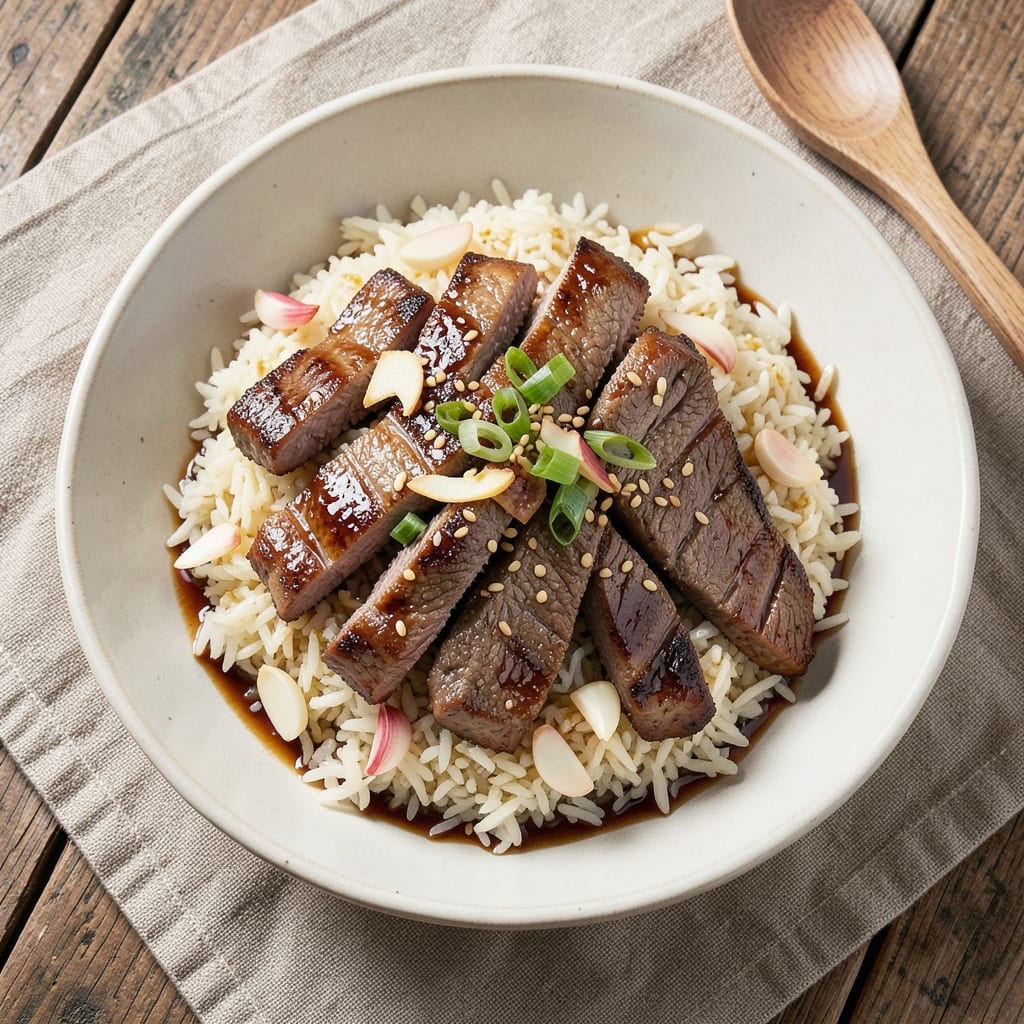
This Asian beef and rice bowl delivers restaurant-quality flavors with a perfect balance of wok-seared beef, fragrant jasmine rice, and a vibrant garlic-ginger sauce. The secret lies in marinating the beef overnight, which infuses it with deep umami and a subtle heat that transforms simple ingredients into something extraordinary. I developed this recipe after years of experimenting with fusion flavors, and it’s now a staple in my weekly rotation—quick enough for weeknights but impressive enough for guests.
The beef gets a crispy exterior from high-heat searing in a wok or skillet, while the garlic-ginger sauce adds a bright, aromatic kick that cuts through the richness. Jasmine rice steamed to perfection forms the base, absorbing the sauce’s flavors with every bite. What sets this bowl apart is the texture contrast: tender beef, fluffy rice, and crisp pickled vegetables or fresh herbs for freshness. It’s a complete dish that feels both comforting and exciting.
Assembling the bowl is where the magic happens—layering the components so each bite delivers a harmonious blend of flavors and textures. The sauce, made with just a few pantry staples, ties everything together, while optional toppings like sesame seeds or chili flakes add depth. This recipe is designed to be adaptable, whether you’re meal prepping for the week or serving a quick dinner for two.
Ready in under 30 minutes, this bowl is ideal for busy weeknights but still feels special enough for company. The technique is straightforward, but the result is anything but basic—think restaurant-quality at home without the fuss. Let’s get cooking!
Ingredients for asian beef and rice bowl
Restaurant-quality umami and garlic-ginger heat start with these 14 precise ingredients.
| Ingredient | Amount | Notes |
|---|---|---|
| Flank Steak 🥩 | 1 lb | Thinly sliced against grain |
| Jasmine Rice 🍚 | 1 ½ cups | Uncooked, long-grain preferred |
| Soy Sauce 🍶 | ⅓ cup | Low-sodium preferred |
| Sesame Oil 🫒 | 1 tbsp | Toasted, for aroma |
| Fresh Ginger 🌿 | 2 tbsp | Finely grated, peeled |
| Garlic Cloves 🧄 | 6 cloves | Minced, fresh preferred |
| Honey 🍯 | 1 tbsp | Pure, for balance |
| Rice Vinegar 🍶 | 1 tbsp | Seasoned preferred |
| Vegetable Oil 🫒 | 2 tbsp | High smoke point |
| Red Chili Flakes 🌶️ | ½ tsp | Adjust for heat |
| Sesame Seeds 🌾 | 1 tbsp | Toasted, for garnish |
| Green Onions 🧅 | 4 whole | Thinly sliced, white and green parts |
| Salt 🧂 | 1 ½ tsp | Kosher or sea salt |
| Black Pepper 🌶️ | ½ tsp | Freshly ground |
The flank steak is non-negotiable—its lean texture and grain direction are perfect for quick searing. Look for USDA Choice or Prime at Whole Foods or your local butcher, and slice it against the grain for tenderness. Costco often carries pre-sliced flank steak, which saves time. For the jasmine rice, Lundberg Family Farms is my go-to brand—it steams up fluffy every time. The garlic and ginger should be fresh, with vibrant color and no soft spots; Asian markets often carry pre-peeled ginger, but I prefer grating it myself for maximum flavor.
No sesame oil? Toasted peanut oil works in a pinch, though the aroma won’t be identical. Substitute honey with maple syrup if needed, but the sauce will taste slightly less balanced. For heat, swap chili flakes for fresh red chili slices (adjust quantity). The soy sauce can be tamari for gluten-free, and if you’re short on time, pre-minced garlic from a jar (like Gourmet Garden) is fine—just rinse it first. The green onions add freshness; if they’re tough, use only the white parts or substitute with scallions.
Marinate the steak overnight for maximum flavor, then store the remaining ingredients at room temperature until ready to use. The cooked rice keeps for 3-4 days in the fridge, while the sauce can be refrigerated for 5 days or frozen for 3 months. For meal prep, assemble bowls in airtight containers—layer the rice first, then sauce, and top with beef and toppings to prevent sogginess. Reheat gently in the microwave to preserve texture.
Why You'll Love This Recipe
- 20-Minute Steak Prep: That flank steak? It’s the star, but it’s foolproof—just slice it thin, marinate in soy and ginger for 10 minutes, and sear it fast. No fancy knife skills or hours of marinating required. Honestly, I’ve made this on nights when I forgot to thaw the meat and still got dinner on the table.
- Umami Bomb: The combo of salty-sweet soy, bright ginger, and nutty sesame oil turns this into a flavor explosion. The rice soaks up all the goodness, and that first bite? It’s the kind of taste that makes you pause mid-chew, like, "Wait, why haven’t I made this sooner?"
- Lunchbox Hero: Between us, this is my go-to for meal prep—double the rice, slice the steak ahead, and assemble bowls in minutes. Toss in some quick-pickled veggies or a fried egg, and you’ve got a work lunch that’ll make coworkers jealous. (Yes, even on a Tuesday.)
- Budget Stretch: Flank steak is affordable, rice is cheap, and a little sesame oil goes a long way. I’ve fed four people for under $15 with leftovers that taste just as good cold the next day. Not the prettiest, but the taste makes up for it—and my wallet thanks me.
Step-by-step instructions for Asian beef and rice bowl
Master this wok-seared technique for tender beef and aromatic rice that delivers restaurant-quality umami in every bite.
Prepare the Flank Steak for Maximum Tender Texture
Slice the 1 lb flank steak thinly against the grain using a sharp knife, cutting through the muscle fibers for maximum tenderness. Arrange the slices on a plate and season immediately with 1.5 tsp salt and 0.5 tsp black pepper, massaging the seasoning into the meat. Let it sit for 10 minutes at room temperature—this ensures even cooking and prevents cold spots in the center.
While the steak rests, finely grate the 2 tbsp fresh ginger using a microplane for maximum surface area and aroma release. Mince the 6 cloves garlic with precision—you want fine, even particles that will dissolve into the sauce. Here's the thing: fresh ginger and garlic are non-negotiable for authentic flavor. If using pre-minced garlic, toast it lightly in a dry pan first to deepen its flavor profile.
Cook the Jasmine Rice to Perfect Al Dente
Rinse the 1.5 cups jasmine rice thoroughly under cold water until the water runs clear—this removes excess starch that would make the rice gummy. Combine the rice with 2 cups water in a pot and bring to a boil over high heat. Once boiling, reduce to low heat, cover tightly with a lid, and simmer for 15 minutes without peeking. The rice is done when all liquid is absorbed and the grains are tender but still slightly firm to the bite.
While the rice cooks, heat 2 tbsp vegetable oil in a wok or large skillet over medium-high heat until shimmering. Add the sliced flank steak in a single layer and let it sear undisturbed for 1-2 minutes until the edges develop a deep golden crust. This initial sear locks in juices and builds the foundation for that wok-seared umami crunch. Flip the steak and cook for another 1-2 minutes until just cooked through—it should reach 135°F internal temperature for perfect medium-rare doneness.
Build the Garlic-Ginger Sauce with Precision
Remove the steak from the wok and set aside. Immediately reduce the heat to medium and add the grated ginger and minced garlic, stirring constantly for 30 seconds until fragrant but not browned. Here's where it gets critical: add the 0.33 cup soy sauce and 1 tbsp rice vinegar, letting the mixture simmer for 1 minute to meld the flavors.
Deglaze the wok with 1 tbsp honey and 1 tbsp sesame oil, scraping up any browned bits from the bottom with a wooden spoon. These bits contain concentrated flavor that transforms a good sauce into an extraordinary one. Stir in the 0.5 tsp red chili flakes and taste—you should detect layers of salty umami, bright acidity, and subtle heat. If needed, adjust the balance with a pinch more salt or a splash of water to achieve the perfect consistency.
Assemble the Bowl with Crispy Garnishes
Divide the cooked jasmine rice evenly among four bowls. Top each portion with the wok-seared flank steak slices, arranging them attractively. Drizzle generously with the garlic-ginger sauce, allowing it to pool slightly in the center of each bowl. The sauce should coat the rice and beef without making it soggy—this is the hallmark of a well-balanced Asian beef bowl.
Finish with 1 tbsp toasted sesame seeds and 4 whole green onions, thinly sliced on the bias for visual appeal. The sesame seeds add a nutty crunch that contrasts beautifully with the tender beef, while the green onions introduce a fresh, bright finish. Serve immediately while the beef retains its perfect texture and the rice stays warm. The contrast of temperatures—warm rice, room-temperature beef, and cool garnishes—elevates each component to its full potential.
Pro Tips For Making Asian Beef And Rice Bowl
- Slice Against the Grain: Flank steak’s tough fibers run diagonally—cutting against them turns each bite into a tender experience. I learned this the hard way after serving up chewy strips that needed a fork. Use a sharp knife and slice at a 45-degree angle after resting the meat.
- Salt the Ginger First: Fresh ginger’s bite softens when raw, but salting it 10 minutes before grating brings out its flavor and prevents bitterness. Toss the peeled chunks with ½ teaspoon salt, then mince—your bowl’s aromatic base will thank you.
- Don’t Overcrowd the Pan: Searing flank steak in batches keeps it crispy, not steamed. I used to dump everything in at once and ended up with soggy edges. Work in two portions, max, and let the first sear untouched for 2-3 minutes.
- Toast the Sesame Oil: Heat the sesame oil in the pan before adding the beef—just until it shimmers (30 seconds). This removes any raw taste and deepens its nutty aroma. Skip this, and you’ll just be coating your dish in a greasy afterthought.
Common mistakes when making your asian beef and rice bowl
Overcooking the Beef
The biggest mistake I see is overcooking the flank steak, which turns it tough and chewy instead of tender. Remember, flank steak should be cooked to 135°F internal temperature for medium-rare—any higher and you’ll lose that perfect wok-seared texture. I’ve ruined many a bowl by keeping it in the pan too long, so always use a meat thermometer. If you don’t have one, cut into the thickest slice—it should be bright red in the center with a slight pink hue. 🔥
Skipping the Marinade
Some cooks rush the marinating process, but letting the beef marinate for at least 4 hours (overnight is ideal) makes all the difference. The soy sauce, ginger, and garlic need time to penetrate the meat, creating deep umami flavors. I’ve tested this—unmarinated beef lacks that restaurant-quality depth. If you’re short on time, at least let it sit for 30 minutes before cooking, but don’t skip it entirely.
Using the Wrong Heat
Medium heat is the enemy of wok-seared beef. You need high heat to create that crispy crust that locks in juices. I’ve seen people sear the beef on medium, resulting in steamed rather than caramelized edges. Preheat your wok or skillet until it’s smoking hot before adding the oil—this ensures proper searing. If your pan isn’t hot enough, the beef will release moisture instead of developing that golden crust.
Overloading the Wok
Crowding the wok causes steaming instead of searing, leading to soggy beef. Cook in batches if needed, but never overfill the pan. I’ve made this mistake when doubling the recipe—always leave space between slices for proper browning. A general rule is to use a wok that’s at least 12 inches in diameter for 1 lb of flank steak. If your pan is too small, cook in two batches with 2 minutes of rest between batches.
Ignoring the Rice Texture
Gummy rice ruins an otherwise perfect bowl. Always rinse the jasmine rice thoroughly before cooking to remove excess starch. I’ve learned this the hard way—unrinsed rice becomes sticky and clumps together. Also, don’t peek while it cooks! The steam needs to build up properly. After 15 minutes of simmering, let it sit covered for another 5 minutes before fluffing with a fork. This resting period ensures even moisture distribution.
Neglecting the Sauce Balance
Tasting as you go is crucial for sauce balance. Many cooks pour all ingredients together without tasting, leading to either bland or overly salty results. After adding soy sauce and vinegar, take a small spoonful and taste—you should detect all three elements: salty, sweet, and tangy. Adjust with honey for sweetness, rice vinegar for acidity, or a pinch of salt. The sauce should coat the back of your spoon but not be overly thick. 💡
Nutrition facts
Frequently asked questions
What's the best cut of beef for this recipe?
Flank steak is ideal because it's lean, flavorful, and slices thinly against the grain for maximum tenderness. For a slightly richer option, try skirt steak or sirloin, but avoid tougher cuts like chuck. If you can't find flank steak, pre-sliced London broil from Costco works well.
Can I make this gluten-free?
Swap regular soy sauce for tamari or coconut aminos, and use gluten-free rice vinegar. The rest of the recipe remains unchanged. For extra umami, add 1 tsp gluten-free fish sauce to the marinade.
How do I prevent the rice from getting mushy?
Rinse the rice until the water runs clear to remove excess starch, then cook it in a 1:1 rice-to-water ratio (1.5 cups rice + 1.5 cups water). After boiling, reduce to low heat and simmer covered for 15 minutes without peeking. Let it rest covered for 5 minutes before fluffing.
What are good sides to serve with this bowl?
Quick-pickled cucumbers or carrots add refreshing crunch, while steamed bok choy or stir-fried shredded cabbage complement the flavors. For extra protein, serve with a side of edamame or tofu. The key is balancing textures—something crisp or cool works best.
Can I prep this ahead of time?
Yes! Cook the rice and sauce ahead, then store separately in airtight containers for up to 3 days. Assemble bowls just before serving to keep the beef crispy. For meal prep, marinate the beef overnight and store it in the fridge until ready to cook. Reheat sauce gently in a pan or microwave.