
Side Dishes
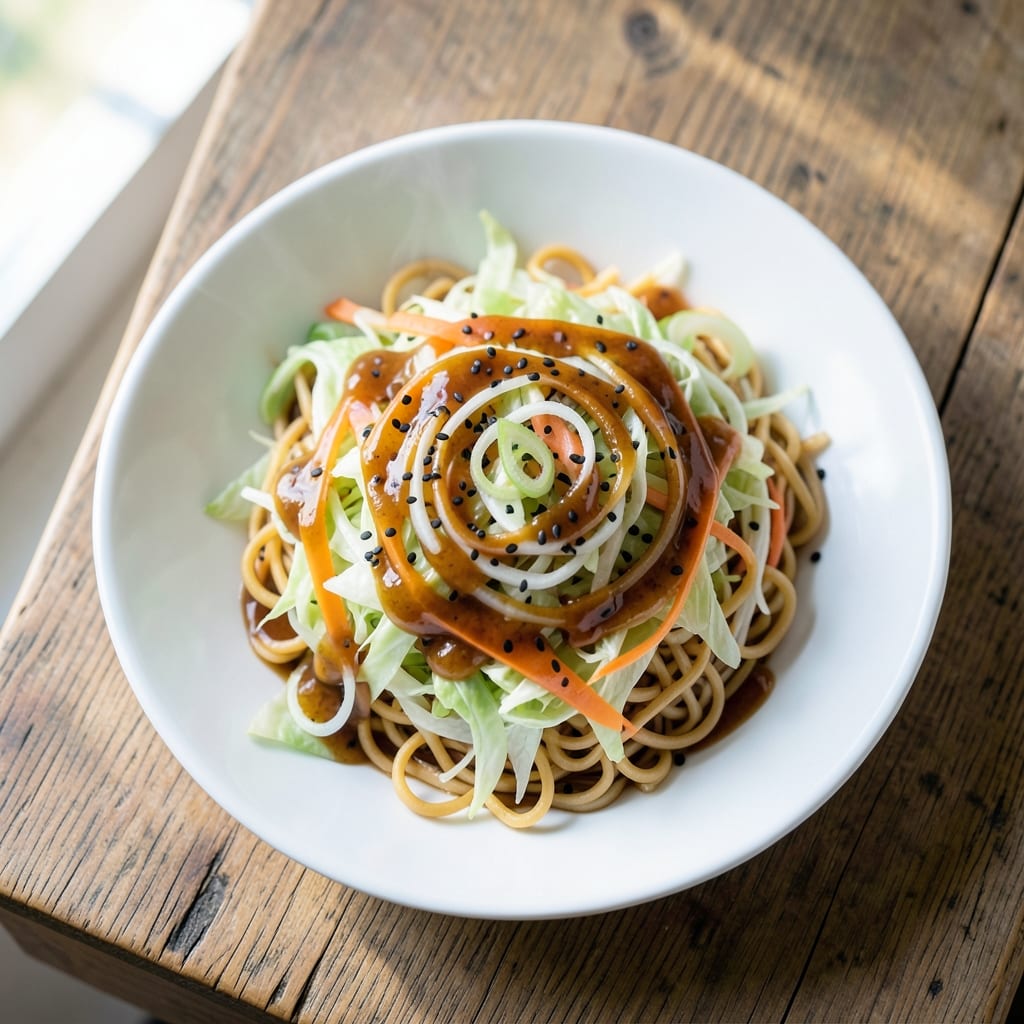
This Asian coleslaw recipe with ramen noodles and rice vinegar transforms a simple side dish into a bold, umami-packed crunch that stands up to any main course. 💛 The secret lies in perfectly cooked ramen—chewy and slightly crispy—paired with shredded cabbage and carrots for a texture play that's addictive. I developed this recipe after craving something fresh yet satisfying, and the balance of tangy rice vinegar, savory soy, and nutty sesame oil delivers every time.
The dressing is where the magic happens—a simple blend of rice vinegar, soy sauce, sesame oil, and a touch of honey that creates a glossy, flavorful coating for every bite. Toasted sesame seeds add an extra layer of depth, while garlic brings a subtle punch. What makes this dish special is how it combines two unexpected elements: the hearty texture of ramen noodles with the crisp freshness of coleslaw, all tied together by a dressing that's both refreshing and deeply savory.
By the time you're done, you'll have a side dish that's crunchy, chewy, and packed with umami—perfect for serving alongside grilled meats, as a light lunch bowl, or even as a cold noodle salad. The best part? It comes together in under 30 minutes with minimal prep, making it ideal for weeknight dinners or meal prep. The flavors only get better as it sits, so it's perfect for making ahead and taking to picnics or potlucks.
Don't be afraid to customize it—add sliced green onions for extra freshness, a sprinkle of chili flakes for heat, or even some chopped cilantro for brightness. The possibilities are endless, but the foundation is foolproof. Let's get started on this restaurant-worthy side dish that's anything but ordinary.
Ingredients for asian coleslaw recipe with ramen noodles and rice vinegar
Ramen noodles, crisp cabbage, and tangy dressing collide in this umami-packed Asian coleslaw that's anything but basic.
| Ingredient | Amount | Notes |
|---|---|---|
| Ramen Noodles 🍜 | 8 oz | Uncooked, any flavor variety |
| Green Cabbage 🥬 | 4 cups | Shredded, outer leaves removed |
| Carrots 🥕 | 2 medium | Shredded, about 1 cup total |
| Rice Vinegar 💧 | ½ cup | Seasoned preferred for depth |
| Sesame Oil 🫒 | 2 tbsp | Toasted, for nutty flavor |
| Soy Sauce 🥢 | 2 tbsp | Low-sodium preferred |
| Honey 🍯 | 1 tbsp | For subtle sweetness |
| Toasted Sesame Seeds 🌾 | 2 tbsp | For crunch and aroma |
| Garlic Cloves 🧄 | 2 cloves | Minced for subtle punch |
| Green Onions 🌱 | 3 whole | Thinly sliced, for freshness |
| Salt 🧂 | ½ tsp | Kosher or sea salt |
| Black Pepper 🌶️ | ¼ tsp | Freshly ground preferred |
| Chili Flakes 🔥 | ½ tsp | Optional for heat kick |
The ramen noodles are the star here—look for the thin, flat varieties like Hakata or Shoyu. Trader Joe's and Asian markets always have the best selection, but any brand works. Cook them just slightly under package instructions (they'll finish in the dressing). For the cabbage, green cabbage gives the best crunch, but red adds pretty color. Carrots? Orange or purple both work—just shred them finely. The garlic is non-negotiable for that subtle punch, but garlic powder in a pinch (half the amount).
No sesame oil? Toasted peanut oil works in a pinch, though it's not quite the same. Short on honey? Maple syrup or agave keeps it veggie-friendly. The soy sauce can be swapped for tamari or coconut aminos if gluten's a concern. For extra crunch, crushed peanuts or fried shallots are perfect additions. The chili flakes? Go easy—they pack a punch! And if you're feeling fancy, add a splash of mirin to the dressing for extra depth.
This keeps beautifully for 4-5 days in the fridge—flavors actually improve as it sits! Store in an airtight container with parchment between layers to keep everything crisp. For meal prep, double the dressing and store separately. The noodles stay chewy for 2 days in the fridge, but for longer storage, freeze the dressing separately and toss with fresh noodles when ready. Perfect for lunches or potlucks!
Why You'll Love This Recipe
- No-Cook Crunch: I swear by the shredded cabbage and carrots—just slice, soak in ice water for 10 minutes, and drain. That’s it. No chopping board wars, no peeling stress, and the noodles? Cooked in 3 minutes flat.
- Umami Magic: The ramen seasoning packet isn’t just for broth—it’s the secret. Tossed with rice vinegar and a drizzle of sesame oil, the noodles get this funky, savory-sweet bite that makes every forkful irresistible. Honestly, I’ve had people ask what’s in it.
- Lunchbox Legend: Between us, this keeps perfectly for days. Pack it in bento boxes for work or school—crunchy, tangy, and no soggy bottoms. My kids actually finish their veggies now, and that’s saying something.
- Pantry Rescue: Green cabbage wilting? Carrots looking sad? Ramen noodles gathering dust? This recipe turns scraps into something ridiculously good. It’s my go-to when I’m low on cash or time—always delivers.
Step-by-step instructions for Asian-inspired ramen noodle coleslaw
This fusion dish transforms simple ramen noodles into a crunchy, tangy slaw with bold Asian flavors.
👨🍳 Step 1: Cook and Cool the Ramen Noodles
Bring 8 oz ramen noodles to a boil in a pot of salted water for 2-3 minutes—just until al dente. Drain immediately and rinse under cold water to stop cooking. This prevents them from becoming mushy in the slaw. Spread them on a baking sheet and let cool completely for 10 minutes. I like to fan them with a fork to speed up cooling and create some texture.
Here's the thing—cool noodles absorb dressing better and won't turn to paste. If you skip this step, your slaw will be soggy. Trust me, the wait is worth it for that perfect crunch when you eat it.
🥘 Step 2: Prepare the Crunchy Vegetable Mix
In a large bowl, combine 4 cups shredded green cabbage and 2 medium shredded carrots. The cabbage should be thinly sliced for maximum crunch, and the carrots should be julienned into fine matchsticks. Add 3 whole thinly sliced green onions and 2 cloves minced garlic. Toss everything gently with 0.5 tsp salt and 0.25 tsp black pepper—this draws out moisture and helps the vegetables soften slightly while keeping their texture.
I know it seems counterintuitive to salt raw vegetables, but this step actually makes them taste fresher in the final dish. Let the mixture sit for 5 minutes while you prepare the dressing, then give it a final toss before combining.
🍳 Step 3: Whisk the Tangy Umami Dressing
In a small bowl, whisk together 0.5 cup rice vinegar, 2 tbsp soy sauce, 1 tbsp honey, 2 tbsp sesame oil, and 0.5 tsp chili flakes (if using). The dressing should be smooth and slightly thick—this is your flavor base. Taste it now: it should be bright, salty, sweet, and just slightly spicy. If it needs more balance, add a pinch more honey or a splash of water to thin it slightly.
This is where the magic happens. The rice vinegar gives that signature tang, while the soy sauce and sesame oil bring deep umami flavor. Don't skip the chili flakes—they add just enough heat to make this slaw irresistible.
🥘 Step 4: Combine Everything for Maximum Crunch
Add the cooled ramen noodles to the vegetable mixture and toss gently but thoroughly. Pour the dressing over everything and mix until the noodles and vegetables are evenly coated. Sprinkle with 2 tbsp toasted sesame seeds and toss one more time. The seeds add an extra layer of texture and nutty aroma that ties everything together.
Let the slaw sit for 10 minutes before serving—this allows the flavors to meld and the dressing to penetrate the noodles and vegetables. If you're serving it as a side, give it one final toss right before plating to restore that perfect crunch.
Pro Tips For Making Asian Coleslaw Recipe With Ramen Noodles And Rice Vinegar
- Boil Noodles Until Al Dente: I learned this the hard way—overcooked ramen noodles turn mushy in the slaw, soaking up dressing like a sponge. Cook them one minute less than package instructions, drain immediately, and rinse under cold water to stop cooking. The slight bite keeps the texture perfect.
- Shred Cabbage Fine and Toss with Salt: Thick, uneven shreds make this slaw look lazy and taste bland. Use a mandoline for even slices or a sharp knife with a rocking motion, then pile the cabbage in a bowl and sprinkle with ½ teaspoon salt—let it sit 10 minutes to soften and release water. Squeeze out excess moisture before mixing with other ingredients.
- Skip the Raw Carrot Shreds: Raw carrots stay crunchy but dull the flavor of the dressing. Instead, lightly steam or sauté shredded carrots for 2-3 minutes until just tender—this softens them enough to absorb flavor without losing texture. Cool completely before adding to the slaw.
- Balance Dressing with Sesame Oil Last: Adding sesame oil early makes the dressing split and taste bitter. Mix everything else—rice vinegar, sugar, garlic, and a pinch of salt—first, then stir in ½ teaspoon sesame oil right before serving. This keeps the aroma bright and the flavors cohesive.
Storing and reheating your leftovers
Fridge Storage Tips
Store your Asian ramen coleslaw in an airtight container with parchment paper between layers to preserve that all-important crunch. I use glass Pyrex containers because they keep everything fresh longer. Keep it refrigerated at 40°F or below for up to 4-5 days—the flavors actually deepen as it sits! The noodles stay chewy for 2 days if stored properly, but the cabbage may soften slightly after day 3. 🥬
Freezing the Dressing
For longer storage, freeze the dressing separately in an ice cube tray or small container. Once frozen, transfer cubes to a freezer bag with 1 inch headspace to prevent freezer burn. When ready to serve, thaw the dressing in the fridge overnight, then toss with fresh ramen noodles and veggies. This method keeps the texture perfect for up to 3 months. 🧊
Reheating for Crunch
If you're reheating, I recommend the microwave method for quick lunches. Cover with a damp paper towel and heat on 70% power for 1-2 minutes, then stir. Add a splash of rice vinegar if the noodles seem dry. For stovetop reheating, warm gently in a skillet over low heat with 1 tbsp water to restore moisture—just 2-3 minutes is all it takes. 🔥
Meal Prep Strategy
Double the dressing recipe and store it separately in a small jar with a tight lid. This way, you can keep the noodles and veggies fresh for 3-4 days while the dressing stays potent. When ready to eat, combine everything and toss—no soggy textures here! I pack this in mason jars for easy grab-and-go lunches. The key is keeping the components separate until serving time. ✨
Reviving Day-Old Slaw
If your coleslaw loses some crunch overnight, don't toss it! Toss with 1 tsp toasted sesame oil and ½ tsp rice vinegar, then chill for 30 minutes before serving. The acidity will perk up the flavors, and the oil adds back some richness. For extra crunch, sprinkle with crushed peanuts or fried shallots right before eating. It's like giving your slaw a second chance! 💪
Nutrition facts
Frequently asked questions
Can I use any ramen noodles for this recipe?
The thin, flat varieties like Hakata or Shoyu-flavored ramen work best—they hold up better to the dressing and provide that satisfying chew. Avoid thick noodles or instant ramen with heavy seasoning packets, as they can make the dish too salty or change the texture. For extra flavor, try chili oil or miso-flavored ramen!
How do I keep the cabbage extra crispy?
Salt the shredded cabbage 5 minutes before mixing—this draws out moisture. Then, pat it dry with paper towels and toss with 1 tsp cornstarch before adding the dressing. Chill for 30 minutes before serving to lock in crunch. Pro tip: Use a mandoline for even, thin slices!
What if I don't have rice vinegar?
Substitute with apple cider vinegar or white vinegar, but reduce to ¼ cup—they're stronger. For depth, add ½ tsp sugar to balance. The dressing will still work, but the tang will be slightly sharper. Avoid balsamic or red wine vinegar—they'll overpower the dish.
Can I make this gluten-free?
Yes! Use gluten-free tamari or coconut aminos instead of soy sauce, and opt for rice noodles or gluten-free ramen. Check labels—some ramen brands have hidden gluten. The texture will be slightly different, but the flavors stay bold. For extra crunch, add toasted gluten-free crackers!
Why does my slaw get soggy?
Sogginess happens when noodles aren't fully cooled or the dressing is too wet. Always rinse and cool noodles completely before mixing, and let the slaw sit 10 minutes before serving. For extra insurance, store components separately in the fridge and toss just before eating.