
Main Courses
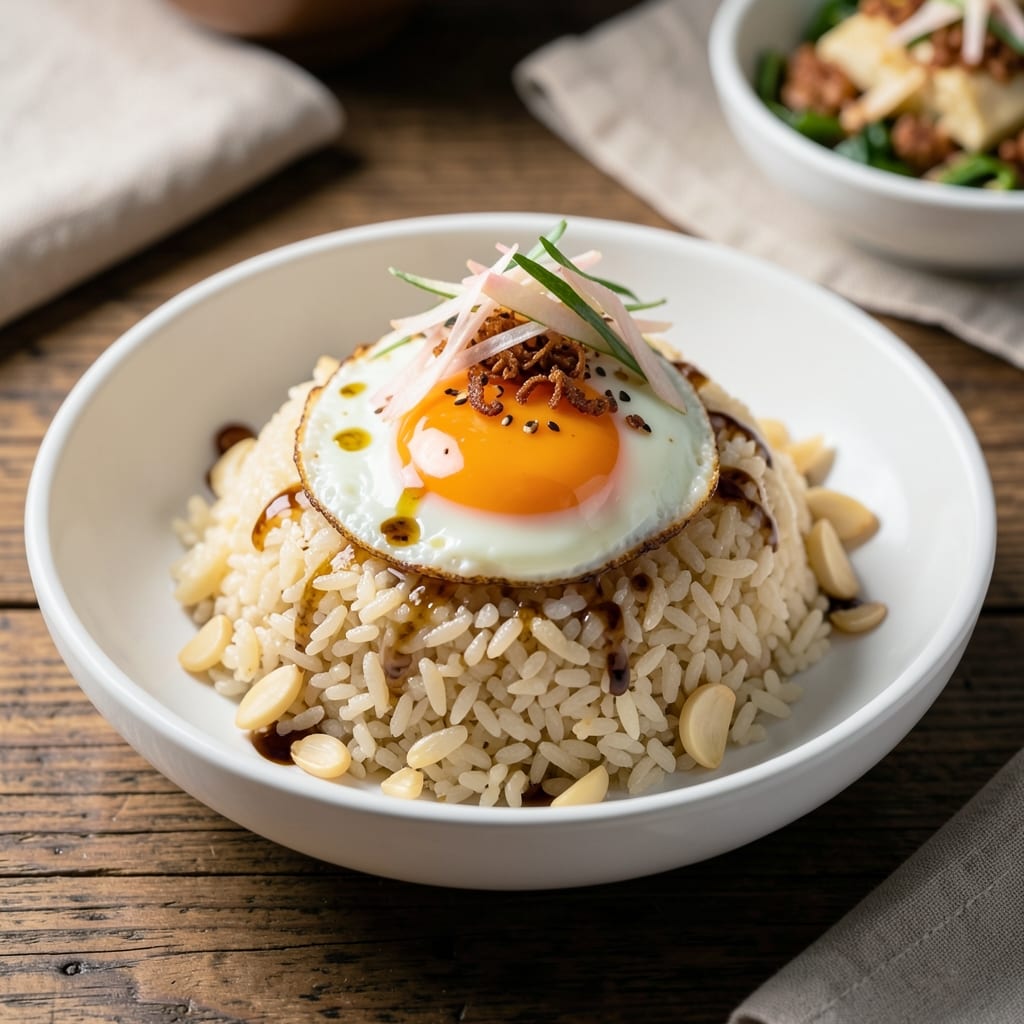
This Asian egg rice recipe transforms simple ingredients into a restaurant-quality dish with wok-seared umami and silky fried eggs that stick together perfectly. 🔥 The secret lies in high-heat cooking techniques that create crispy rice edges while keeping the eggs tender and flavorful—no takeout needed. I developed this after years of perfecting the balance between smoky wok aromas and rich, savory egg layers.
The foundation starts with perfectly cooked rice—slightly cooled and seasoned with soy sauce and sesame oil for depth. Then comes the egg technique: whisked with a touch of sugar for subtle sweetness, then seared in a hot pan until just set but still creamy inside. The wok method ensures quick cooking while building layers of flavor through aromatics like garlic, ginger, and scallions.
What you end up with is a dish that's bold in flavor but simple to execute—crispy rice at the edges, tender eggs that cling together, and a sauce that's tangy, savory, and perfectly balanced. The aroma alone will have everyone at the table asking for seconds, while the texture delivers that satisfying contrast between crispy rice and velvety eggs.
This recipe works as a complete meal on its own or pairs beautifully with quick-pickled vegetables for brightness. The best part? It comes together in under 30 minutes without sacrificing restaurant-quality results. Let's get started with the ingredients that will change your weeknight dinners forever.
Ingredients for asian egg rice
Transform simple pantry staples into restaurant-quality Asian egg rice with crispy edges and silky eggs.
| Ingredient | Amount | Notes |
|---|---|---|
| Large Eggs 🥚 | 6 whole | Room temperature for even cooking |
| Jasmine Rice 🍚 | 1 ½ cups | Uncooked, long-grain preferred |
| Light Soy Sauce 🥢 | ¼ cup | Kikkoman preferred for balance |
| Sesame Oil 🫒 | 1 tbsp | Toasted, not flavored |
| Garlic Cloves 🧄 | 6 cloves | Minced, fresh preferred |
| Fresh Ginger 🌿 | 1 tbsp | Grated, peeled |
| Scallions 🧅 | 4 whole | White and light green parts |
| Vegetable Oil 🫒 | ½ cup | High smoke point |
| Granulated Sugar 🍯 | 1 tsp | For egg sweetness |
| White Pepper 🌶️ | ½ tsp | Freshly ground |
| Salt 🧂 | 1 tsp | Diamond Crystal kosher |
| Sesame Seeds 🌾 | 1 tbsp | Toasted for garnish |
The rice is your foundation—jasmine rice delivers that fragrant base perfect for wok cooking. Kirkland Signature brand from Costco is my go-to for consistency, but any long-grain variety works. Cook it slightly underdone (just until water absorbs) so it continues steaming in the wok. For the eggs, room temperature is critical—they'll cook more evenly and develop that signature silky texture. The Kikkoman soy sauce provides the umami backbone without overpowering, while toasted sesame oil adds depth that regular sesame oil can't match. Penzeys Spices is where I source my toasted sesame oil for that nutty aroma.
No fresh ginger? Freshly grated is ideal, but ground ginger at half the amount works in a pinch. Scallions can be swapped for green onions, but the white parts add more flavor. The high-smoke-point vegetable oil is non-negotiable—Avocado oil or grapeseed oil are perfect, but don't use olive oil here. For the eggs, sugar balances the savory flavors while keeping them tender. The white pepper adds warmth without the green specks—trust me, it makes a difference. If you're missing sesame seeds for garnish, toasted peanuts give a similar crunch.
Rice reheats beautifully—just add a splash of water and cover for 2-3 minutes. Eggs should be used immediately after cooking for that restaurant-quality stick-together texture. Store cooked rice in an airtight container for up to 3 days, though it's best fresh. The sesame oil and soy sauce can be pre-mixed in a small jar and kept in the pantry for 6 months. For leftovers, reheat gently in a skillet with a splash of water to restore crispiness.
Why You'll Love This Recipe
- No Chopping Needed: I swear by this when I’m too tired to dice anything—just crack eggs, stir-fry whole garlic cloves, and let the sesame oil do the work. The rice soaks up all the flavor without any extra prep.
- Umami Bomb: That first crack of sesame oil hitting the pan? Instant aroma alert. The soy sauce and garlic turn the eggs into something richer than your basic scrambled—crispy edges, silky centers, and a savory punch that sticks with you.
- Lunchbox Hero: Between us, this is my go-to for packed lunches. Cold or reheated, it’s still solid—just toss in a handful of peas or carrots if you’re feeling fancy. My kid brings it back with half gone every time.
- Pantry Staple: Jasmine rice, eggs, soy sauce—you’re probably already stocked. No weird ingredients, no last-minute grocery runs. And if you make a big batch? It reheats like a dream, so you’re covered for days without extra effort.
Step-by-step instructions for wok-seared umami rice with silky eggs
Master this technique for restaurant-quality texture and flavor every time.
🍳 Step 1: Cook the Jasmine Rice to Perfect Al Dente
Rinse the 1.5 cups jasmine rice under cold water until the water runs clear, then drain in a fine-mesh strainer. Transfer to a pot with 3 cups water (measured after draining rice) and bring to a boil over high heat. Once boiling, reduce to low heat, cover tightly with a lid, and cook for 12 minutes.
This low-and-slow method creates separate grains with minimal starch release—critical for the wok-searing later. After 12 minutes, turn off the heat and let it steam 10 minutes undisturbed. Fluff gently with a fork, then spread the rice on a tray to cool slightly. The grains should be tender but still slightly firm to the tooth—this prevents mushiness when seared.
👨🍳 Step 2: Build the Umami Marinade and Sear the Aromatics
In a small bowl, whisk together the 0.25 cup light soy sauce, 1 tbsp sesame oil, 1 tsp granulated sugar, 0.5 tsp white pepper, and 1 tsp salt. Set aside. In a wok or large skillet, heat 0.5 cup vegetable oil over medium-high heat until shimmering (about 350°F). Add the 6 cloves minced garlic and 1 tbsp grated ginger, cooking for 30 seconds until fragrant but not browned.
Here's the thing—don't walk away. Garlic burns in seconds, and you want that sweet, nutty aroma preserved. Add the white and light green parts of 4 whole scallions, sliced into 1-inch pieces, and stir-fry for 1 minute until softened but still vibrant. Pour the marinade over the aromatics and cook for 30 seconds until slightly reduced. This concentrated base will carry the dish's depth of flavor.
🥘 Step 3: Wok-Sear the Rice for Crispy Edges
Return the cooked rice to the wok with the aromatic marinade. Using a spatula, gently press down on the rice in small sections to create even contact with the hot surface. Cook undisturbed for 2-3 minutes until the bottom develops a deep golden-brown crust. This is your signal to fold and repeat—lift the edges, flip the rice, and press down again for another 2 minutes.
Real talk: This is the moment that matters. The Maillard reaction happening here creates that wok-seared umami flavor. If the rice starts sticking, add 1 tablespoon water and stir gently to release it. The final texture should be crispy on the outside, tender inside, with pockets of smoky aroma from the aromatics.
🍳 Step 4: Fry the Eggs to Silky Perfection
Crack the 6 whole large eggs into a bowl, then season lightly with 0.25 tsp salt and 0.25 tsp white pepper. Heat 1 tablespoon vegetable oil in a separate nonstick skillet over medium-low heat (around 300°F). Pour the eggs in, then immediately reduce heat to low. Cover the skillet and cook for 3-4 minutes until the whites are set but yolks remain runny and vibrant.
The key here is patience. You want the whites just firm enough to hold the yolks' shape when lifted, but still custardy inside. If the edges brown too quickly, lower the heat further. Slide each egg onto a plate, keeping them warm while you prepare the final garnish.
🍽️ Step 5: Assemble and Garnish for Restaurant-Worthy Presentation
Divide the wok-seared rice among 4 plates, mounding it slightly in the center. Top each portion with 1½ silky fried eggs, arranging them slightly off-center for visual appeal. Drizzle with any remaining pan juices from the wok, then sprinkle evenly with 1 tbsp toasted sesame seeds. Finish with a final pinch of white pepper and a few extra scallion slices for brightness.
Serve immediately while the eggs are still warm at the core. The contrast of crispy rice, silky eggs, and umami-packed aromatics makes this dish unforgettable. For extra drama, garnish with a few sesame seeds toasted in a dry pan for 30 seconds until fragrant—this adds a nutty crunch that ties everything together.
Pro Tips For Making Asian Egg Rice
- CRISP THE GARLIC FIRST: Toss minced garlic into the hot pan before adding oil—it sizzles instantly and infuses deeper flavor. I used to wait, and the garlic just steamed into oblivion. High heat for 10 seconds is all it takes.
- USE COLD EGGS FOR CLEANER RICE: Pull eggs straight from the fridge, crack them into a bowl first, then scramble gently over low heat. Cold eggs cook slower, giving you time to fold them into the rice without turning it into a gluey mess. (Yes, even if you're impatient like me.)
- SALT THE RICE WATER LIGHTLY: Skip the heavy salt—just a pinch. Too much makes the rice taste flat and dull, especially when you're drowning it in soy sauce later. Trust me, the eggs and sesame oil carry enough flavor.
- STIR THE RICE IN BATCHES: Don’t dump all the rice into the pan at once—work in small portions while the eggs cook. This keeps the texture fluffy and prevents the eggs from turning rubbery. (Your future self will thank you.)
Pro cooking tips for this recipe
Wok Heat Mastery
Your wok must be screaming hot before adding rice—aim for 400°F or until a drop of water sizzles violently. I use a 14-inch carbon steel wok (like Mauviel) because it retains heat better than cast iron. Preheat it for 3-5 minutes on high heat, then wipe with a paper towel to remove any oil buildup. This ensures proper searing and prevents sticking. 🔥
Egg Whisking Technique
Whisk your eggs vigorously for 30 seconds until ribbons form when the whisk is lifted. Add the 1 tsp sugar while whisking to help emulsify the yolks and whites. For extra silkiness, I add 1 tsp water to the egg mixture—this prevents overcooking and keeps the texture tender. Use a heatproof silicone spatula to gently fold the eggs in the pan for even cooking.
Rice Texture Secrets
Your rice should be warm but not hot when searing—ideal temperature is 100-110°F. If it's too hot, spread it on a tray for 5 minutes to cool slightly. The goal is crispy edges with tender centers. Work in batches if needed—I use a 12-inch wok for 2 cups rice at a time. Press the rice down firmly with a spatula for 10 seconds per section to create that perfect crust.
Umami Boost Hacks
For deeper flavor, add 1 tsp fish sauce to the marinade (I use Red Boat brand). Toast 1 tsp sesame seeds in the dry wok for 30 seconds before adding oil—this adds nutty aroma. If you're feeling adventurous, stir in ½ tsp dried shiitake powder (available at Asian markets) for earthy depth. The key is balancing sweet (sugar), salty (soy), and umami (fish sauce) for complexity.
Egg Plating Trick
For that restaurant-quality presentation, use a ring mold (or upside-down bowl) to shape the rice into neat mounds. Slide the eggs onto the rice while still warm—their residual heat will help set the presentation. Garnish with extra sesame seeds toasted in a dry pan until fragrant. A final drizzle of toasted sesame oil (not flavored) adds that signature aroma that makes this dish irresistible. ✨
Nutrition facts
Frequently asked questions
Can I make this recipe with short-grain rice instead of jasmine?
Short-grain rice like sushi rice will work, but the texture will be stickier and less crispy when seared. For best results, use jasmine or basmati rice—their separate grains create that perfect wok-seared crust. If you must use short-grain, spread the rice on a tray after cooking and let it dry out for 10 minutes before searing to reduce stickiness.
How do I prevent the eggs from sticking to the pan?
Use a nonstick skillet and heat it over medium-low heat (around 300°F) before adding oil. A heatproof silicone spatula helps gently fold the eggs without breaking them. If eggs stick slightly, they're still perfectly edible—just use a little more oil next time. The key is patience: cover the pan for 3-4 minutes to set the whites gently.
Can I make this dish vegetarian?
This recipe is already vegetarian as written, but for extra protein, stir in ½ cup chopped tofu or ½ cup mushrooms when searing the aromatics. For umami depth, add 1 tsp vegetarian fish sauce or ½ tsp dried shiitake powder to the marinade. The dish maintains its crispy texture and rich flavor without meat.
Why does my rice turn mushy when searing?
Mushy rice usually means the grains were overcooked or too hot when searing. Cook rice to al dente (12 minutes on low heat, then 10 minutes off heat), then spread it on a tray to cool to 100-110°F before searing. Work in batches—don't overcrowd the wok—and press the rice down firmly for 10 seconds per section to create crispy edges.
What's the best way to reheat leftovers?
Reheat in a skillet over medium heat with 1 tablespoon water per 2 cups rice, covered for 2-3 minutes. For eggs, warm them in the microwave for 10-15 seconds or gently in a dry pan. The rice will lose some crispiness but regain texture with the steam. Store cooked rice in an airtight container for up to 3 days—it reheats better than most fried rice.