
Main Courses
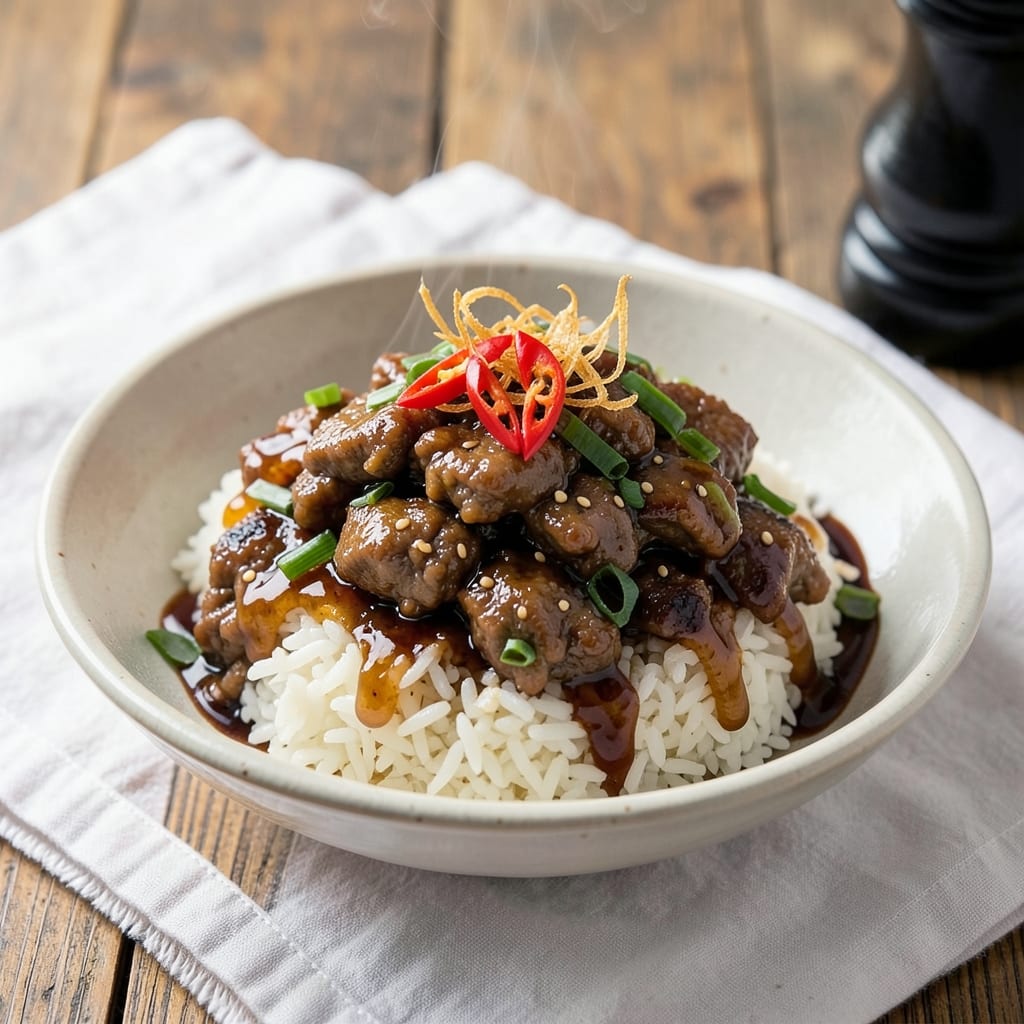
This Asian ground beef and rice recipe delivers the perfect balance of wok-seared umami and fragrant jasmine rice in a single, satisfying dish. The secret lies in high-heat stir-frying ground beef with aromatic spices until deeply caramelized, then simmering it in a rich, savory sauce that clings to every bite. I developed this recipe after years of refining stir-fry techniques, ensuring the beef stays tender while developing that signature wok-hei flavor—smoky, charred notes that elevate the dish from ordinary to extraordinary.
The foundation of this recipe is jasmine rice, cooked to fluffy perfection and infused with a light garlic-ginger oil that adds depth without overpowering. Meanwhile, the beef gets marinated in a blend of soy sauce, sesame oil, and a touch of honey, creating a flavor profile that’s both sweet and savory. The dish comes together in under 40 minutes, making it ideal for weeknight dinners without sacrificing restaurant-quality results. Whether you’re serving it as a main course or pairing it with steamed greens, the combination of textures—tender beef, fragrant rice, and crisp vegetables—makes every bite irresistible.
What sets this recipe apart is the two-stage cooking process: first, searing the beef in a hot wok to render fat and build flavor, then deglazing with a splash of rice vinegar to lift those caramelized bits into the sauce. The result is a dish that’s deeply flavorful yet balanced, with each component—rice, beef, and sauce—playing its part harmoniously. The aroma alone will draw everyone to the table, and the first bite delivers that perfect marriage of smoky, sweet, and umami flavors.
For added texture, consider topping with toasted sesame seeds or sliced green onions, which add a fresh contrast to the rich, savory base. This recipe scales easily for a crowd, making it perfect for gatherings or meal prep. The leftovers reheat beautifully, retaining that wok-seared depth and fragrant aroma. Let’s get cooking—your taste buds will thank you.
Ingredients for asian ground beef and rice
Jasmine rice, wok-seared beef, and aromatic spices—this recipe delivers restaurant-quality umami in under 40 minutes.
| Ingredient | Amount | Notes |
|---|---|---|
| Ground Beef (80/20 fat ratio) 🥩 | 1 ¼ lb | Finely ground for even cooking |
| Jasmine Rice 🍚 | 1 ½ cups | Uncooked, long-grain preferred |
| Low-Sodium Soy Sauce 🥄 | ⅓ cup | For balanced saltiness |
| Sesame Oil 🫒 | 1 tbsp | Toasted for authentic aroma |
| Honey 🍯 | 1 tbsp | Light variety preferred |
| Rice Vinegar 🍶 | 1 tbsp | White vinegar substitute |
| Garlic Cloves 🧄 | 4 cloves | Minced for aromatic base |
| Fresh Ginger 🌿 | 1 tbsp | Grated, finely chopped |
| Green Onions 🧅 | ¼ cup | Sliced, for garnish |
| Toasted Sesame Seeds 🌰 | 1 tbsp | For crunchy texture |
| Vegetable Oil 🫒 | 2 tbsp | High smoke point preferred |
| Ground Black Pepper 🌶️ | ½ tsp | Freshly cracked |
| Gochujang (Optional) 🌶️ | 1 tbsp | For spicy depth |
| Water 💧 | 2 cups | For rice cooking |
The ground beef makes or breaks this dish—80/20 fat ratio is non-negotiable for that signature wok-hei flavor. Look for finely ground beef at Costco or your local Asian market for the best texture. If you can't find 80/20, 90/10 with an extra 1/2 tbsp sesame oil works in a pinch. The jasmine rice should be day-old if possible, as it absorbs flavors better—cook a double batch and refrigerate leftovers. For the sesame oil, Kadoya or La Choy are my go-tos, but any toasted sesame oil will do. Fresh ginger and garlic? Buy them whole—they'll last longer and taste brighter than pre-minced.
No sesame oil? Avocado oil at half the amount gets you close, though it lacks that nutty depth. Short on rice vinegar? Apple cider vinegar works, but reduce to 1/2 tbsp to avoid overpowering. The gochujang is optional but adds that signature Korean-inspired kick—Maesil Gochujang is the gold standard, but any good-quality gochujang from the Asian aisle will work. For the rice, 1.5 cups uncooked yields about 4 cups cooked—perfect for 4 servings. Pro tip: Rinse the rice before cooking to remove excess starch and prevent mushiness. The green onions should be bright white at the base—avoid wilted stems.
This dish reheats like a dream—microwave with a splash of water to revive the rice texture. Keeps for 4 days in the fridge or 3 months frozen. For meal prep, portion the rice and beef separately—reheat the beef in a skillet with a splash of water, then mix with rice. The sesame seeds and green onions add freshness, so toast them fresh before serving. Double the recipe if you're feeding a crowd—the flavors only get better when scaled up. Store leftovers in airtight containers to lock in that wok-seared aroma.
Why You'll Love This Recipe
- I’ll be real: this feeds four for under $10, and the leftovers taste just as good the next day. The 80/20 beef adds richness without breaking the bank, and jasmine rice stretches perfectly. Dinner solved, wallet happy.
- One-Pan Magic: Honestly, I swear by this recipe when I’m too tired to wash dishes. Brown the beef, stir in the jasmine rice (no pre-cooking needed), and let it simmer—no extra pots, no fuss. That 80/20 ground beef caramelizes so fast, you’ll smell it before the timer goes off.
- Sweet-Savory Balance: Here’s what sold me—the honey and soy sauce combo. It’s not just salty; there’s this little burst of sweetness that makes every bite addictive. A splash of sesame oil at the end? Instant restaurant vibes in my own kitchen.
- Lunchbox Hero: Between us, this is my secret weapon for meal prep. Pack it in containers the night before, and it reheats like a dream—no soggy rice, no dry beef. My kids grab it for school lunches, and honestly? They ask for it more than their favorite takeout.
Step-by-step instructions for wok-seared ground beef with jasmine rice
Here's how to create restaurant-quality Asian-inspired ground beef that's perfectly seared and infused with umami, paired with fragrant jasmine rice.
Prepare the Jasmine Rice for Perfect Texture
Rinse the 1.5 cups jasmine rice thoroughly under cold water in a fine-mesh strainer until the water runs completely clear. This removes excess starch that would make the rice gummy. Transfer the rinsed rice to a pot and add the 2 cups water. Bring to a boil over high heat while stirring once to prevent sticking.
Once boiling, immediately reduce heat to low, cover tightly with a lid, and let simmer for 15 minutes. The rice should absorb all the water and steam gently. Avoid peeking during this time—each time you lift the lid, you release steam and potentially overcook the rice. After 15 minutes, turn off the heat and let it sit covered for another 10 minutes. The residual heat will finish cooking the rice perfectly, resulting in tender grains with a delicate floral aroma.
Build the Umami-Packed Ground Beef Base
Heat the 2 tablespoons vegetable oil in a large skillet or wok over medium-high heat until shimmering. Add the 1.25 lb ground beef (80/20 fat ratio) and break it apart with a wooden spoon, letting it sizzle undisturbed for 3-4 minutes until browned. This high-fat ratio is key—it renders beautifully for flavorful searing.
Once the beef is browned, add the 4 cloves minced garlic and 1 tablespoon finely grated fresh ginger, stirring for 30 seconds until fragrant. The garlic should sizzle audibly and turn golden—this indicates it's ready to release its full flavor. Immediately add the 0.33 cup low-sodium soy sauce and 1 tablespoon rice vinegar, stirring to combine. Let the mixture simmer for 2 minutes until slightly reduced, creating a glossy, flavorful base.
Sweeten and Finish the Beef Mixture
Reduce heat to medium-low and stir in the 1 tablespoon honey and 1 tablespoon sesame oil. The honey will caramelize slightly, adding a subtle sweetness that balances the savory soy sauce. If using, add the 1 tablespoon gochujang now and stir for 1 minute until fully incorporated. The optional gochujang adds a subtle heat that complements the dish beautifully.
Season generously with the 0.5 teaspoon ground black pepper and taste the mixture. You should detect layers of umami from the soy sauce, sweetness from the honey, and a hint of acidity from the rice vinegar. If needed, adjust seasoning with a pinch more soy sauce or pepper. Remove from heat and set aside.
Combine and Garnish for Presentation
Fluff the cooked jasmine rice with a fork and transfer it to a serving platter or individual bowls. Spoon the ground beef mixture evenly over the rice, allowing the aromatic steam to rise and infuse the grains. The contrast between the tender rice and hearty beef creates an irresistible texture.
Garnish each serving with the 0.25 cup sliced green onions and 1 tablespoon toasted sesame seeds. The green onions add a fresh, crisp bite, while the sesame seeds contribute a delightful nutty crunch. Serve immediately while the rice is still warm and the flavors are at their peak intensity. This dish is best enjoyed fresh—every bite delivers a perfect balance of textures and flavors.
Pro Tips For Making Asian Ground Beef And Rice
- Crank the Heat First: Don’t let the beef simmer in its own juices right away—sear it over high heat for 2-3 minutes until it loses its raw color. This step builds flavor and prevents a mushy, waterlogged texture later, especially with 80/20 fat. (Yes, even if you’re impatient like me.)
- Break the Soy Sauce In: Add half your low-sodium soy sauce with the beef at the start, not all at once. The amino acids caramelize faster this way, giving that deep umami kick without overpowering. Save the rest for the final toss—trust me, it matters more than you’d think.
- Skip the Overcrowding: If your pan’s too packed with beef, it’ll steam instead of brown. Cook in batches if needed—just 1-2 minutes per batch—so you get that crispy edge. Overcrowding turns your stir-fry into a sad, greasy mess. (I learned this the hard way.)
- Toast the Rice First: Dry-toast your jasmine rice in the same pan for 30 seconds after removing the beef, using the leftover fat. It adds a nutty depth and prevents the rice from turning mushy when you mix it in later. (No, you don’t need extra oil—just the beef’s residue.)
Best sauces and condiments for this asian ground beef and rice
Classic Soy-Ginger Sauce
The foundation of this dish is the soy-ginger sauce, where low-sodium soy sauce (⅓ cup) meets fresh ginger (1 tbsp grated) and garlic (4 cloves minced). This trio creates a bold umami base that clings perfectly to the beef. For extra depth, I add 1 tbsp toasted sesame oil and 1 tbsp honey to balance the saltiness with a touch of sweetness. The rice vinegar (1 tbsp) brightens the sauce, cutting through the richness. Trust me, this sauce transforms simple ground beef into something restaurant-worthy. 🌶️
Spicy Gochujang Twist
If you love heat, stir in 1 tbsp gochujang (Korean chili paste) during the final minute of cooking. This adds a fiery, fermented depth that pairs beautifully with the sweet-savory sauce. For a milder kick, reduce to ½ tbsp or swap for sriracha (1 tsp). The gochujang also introduces a subtle earthy complexity that elevates the dish beyond basic stir-fry territory. Pro tip: Toast the gochujang in the pan for 30 seconds before adding the beef to deepen its flavor. 🔥
Sweet and Tangy Glaze
For a glossy, caramelized finish, replace the honey with a 1:1 mix of brown sugar and rice vinegar (1 tbsp each). Simmer this glaze with the beef for 2-3 minutes until syrupy. The brown sugar adds molasses notes, while the vinegar keeps it bright. This works especially well if you’re serving the dish with steamed bok choy or cucumber salad—the tangy-sweet contrast is unbeatable. I like to finish with a drizzle of extra sesame oil for that authentic wok-hei aroma. 🍯
Creamy Sesame Dressing
Take your dish up a notch with a creamy sesame dressing on the side. Blend 2 tbsp tahini, 1 tbsp soy sauce, 1 tsp rice vinegar, 1 tsp honey, and 1 tbsp water until smooth. Drizzle this over the rice and beef just before serving for a silky, nutty contrast. It’s like a quick peanut sauce but with a toastier, more aromatic profile. Perfect for those who love texture play—each bite becomes a flavor explosion. 🥄
Umami Bomb: Mushroom Gravy
For a richer, deeper sauce, sauté ½ cup finely chopped shiitake mushrooms with the garlic and ginger. Their earthy umami intensifies the soy sauce, creating a velvet-like gravy that coats every grain of rice. Deglaze with 1 tbsp dry sherry (or extra rice vinegar) for an added layer of complexity. This works especially well if you’re serving leftovers—reheat the gravy separately and mix it in at the end to restore that restaurant-quality sheen. 🍄
Nutrition facts
Frequently asked questions
Can I use lean ground beef instead of 80/20 fat ratio?
While leaner beef (like 90/10) works, you'll lose that signature wok-seared flavor and caramelization. For best results, stick with 80/20 fat ratio—it renders beautifully and creates deeper umami notes. If you must use leaner beef, add 1/2 tbsp extra sesame oil to compensate for the lost fat.
How do I make this dish spicier?
Add 1 tbsp gochujang (Korean chili paste) when finishing the beef mixture, or swap for 1 tsp sriracha plus 1/2 tsp red pepper flakes. For heat lovers, toast the gochujang in the pan for 30 seconds before adding the beef to deepen the spicy notes. Always taste first—you can adjust while cooking!
What's the best rice substitute if I don't have jasmine?
Use long-grain white rice or brown rice (though brown rice needs 50% more water and 15 extra minutes cooking). For extra aroma, add 1 tsp toasted sesame oil to the cooked rice. Avoid short-grain rice—it becomes too sticky when mixed with the beef sauce.
Can I prep this dish ahead of time?
Cook the rice and beef mixture separately, then refrigerate in airtight containers for up to 4 days. Reheat the beef in a skillet with 1 tsp water to restore moisture, then mix with rice. For best texture, add fresh green onions and sesame seeds just before serving.
Why did my beef turn out dry?
Overcooking is the most common cause. Remove the beef from heat as soon as it reaches 160°F (about 5-6 minutes total cooking time). Also, avoid stirring constantly—let it brown undisturbed for 3-4 minutes first. If using leaner beef, add 1 tbsp water during the final minute of cooking to restore juices.