
Side Dishes
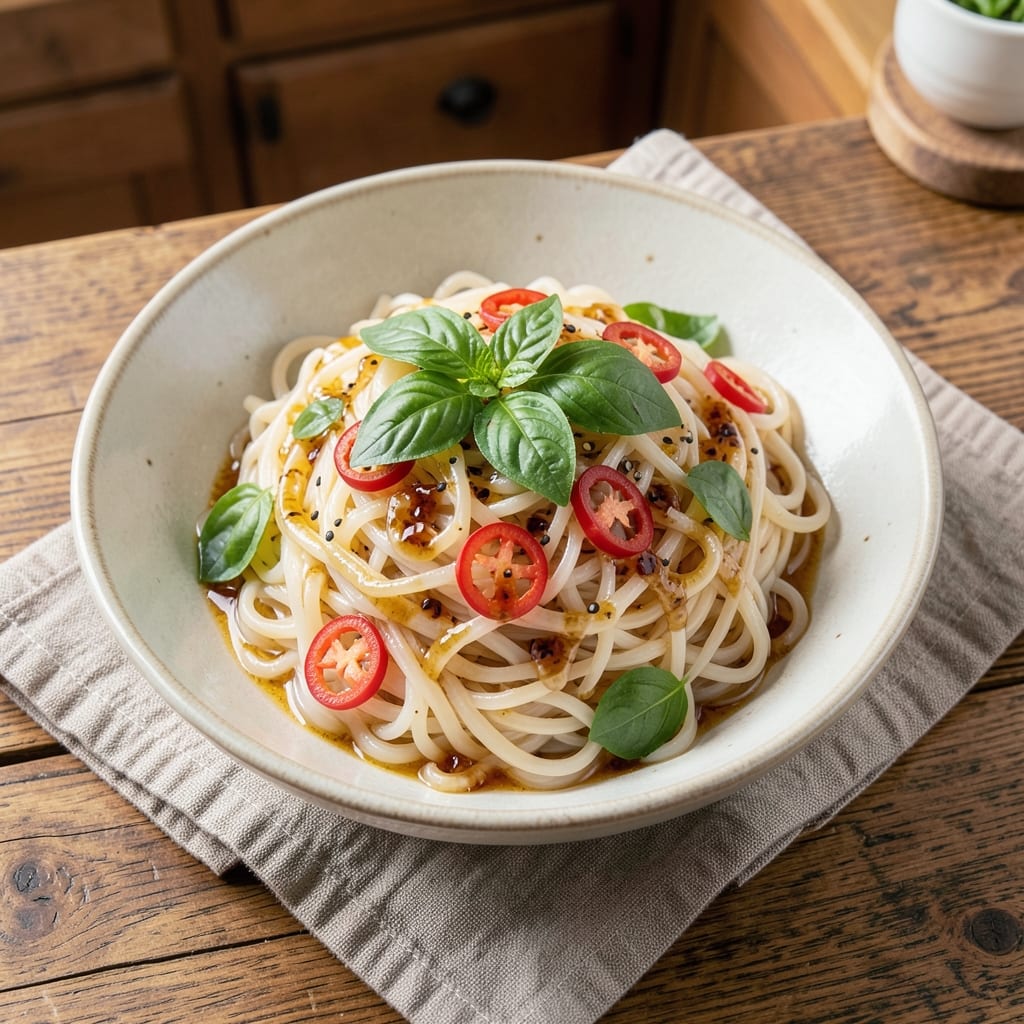
This Asian rice noodle side dish delivers the perfect balance of silky texture and bright citrus-lime zing that elevates any meal. The secret lies in perfectly cooked rice noodles—al dente yet tender—tossed with a tangy dressing that brightens every bite. I developed this recipe after years of experimenting with Asian-inspired sides, and it consistently receives rave reviews for its simplicity and bold flavor. What makes this dish special is its versatility—it works as a refreshing cold salad, a quick stir-fry, or even a light soup base. The citrus-lime dressing cuts through the noodles' natural starchiness, creating a harmonious blend of sweet, sour, and umami. You'll love how the noodles maintain their chewy texture while absorbing the vibrant flavors without becoming soggy. By the end, you'll have a dish that's restaurant-quality but easy to recreate at home. The bright colors and fresh aromas make it visually appealing, while the balance of flavors ensures it's satisfying on its own or as a complement to grilled meats, roasted vegetables, or sushi. This is the kind of side dish that transforms ordinary meals into something extraordinary. Ready in just 15 minutes, this recipe is perfect for weeknight dinners or meal prep. The ingredients are simple, the technique is straightforward, and the results are consistently delicious. Let's get started!
Ingredients for asian rice noodle side dish
Simple ingredients that transform into a restaurant-quality Asian rice noodle dish.
| Ingredient | Amount | Notes |
|---|---|---|
| Rice Noodles (Stir-Fry/Vermicelli) 🍜 | 8 oz | Dried, uncooked, medium width |
| Fresh Lime Juice 🍋 | ½ cup | Freshly squeezed, seeds removed |
| Fresh Lemon Juice 🍋 | ¼ cup | Freshly squeezed, no pulp |
| Fish Sauce 🍶 | 1 tbsp | Red Boat brand preferred |
| Sesame Oil 🫒 | 1 tbsp | Toasted, for aroma |
| Honey 🍯 | 1 tbsp | Wildflower or clover variety |
| Fresh Ginger 🧄 | 1 tbsp | Finely grated, peeled |
| Garlic Cloves 🧄 | 3 cloves | Minced, fresh |
| Red Bell Pepper 🌶️ | 1 whole | Thinly sliced, seeds removed |
| Green Onion 🧅 | 3 whole | Thinly sliced, white and green parts |
| Vegetable Oil 🫒 | 1 tbsp | For stir-frying |
| Salt 🧂 | ½ tsp | Diamond Crystal kosher |
| Black Pepper 🌶️ | ¼ tsp | Freshly ground |
| Cilantro Leaves 🌿 | ¼ cup | Chopped, fresh |
| Crushed Peanuts 🥜 | ¼ cup | Lightly toasted |
The rice noodles are the foundation—look for stir-fry or vermicelli type with medium width (about 1/8-inch). Thai Kitchen or Three Ladies brands are my go-to for consistent texture. Soak them in warm water for 10 minutes until pliable but still slightly firm. Over-soaking turns them mushy, and that's a flavor killer. For the citrus, Mexican limes have the perfect balance of tartness, but regular limes work too. If you can't find fresh ginger, substitute 1 tsp ground ginger, but it won't have the same punch. The fish sauce is non-negotiable here—Red Boat is the gold standard, but any good-quality brand will do.
No fish sauce? Soy sauce plus a splash of vinegar gets you close, but the umami won't be quite the same. Running short on sesame oil? Toasted peanut oil at half the amount works in a pinch, though it lacks that nutty aroma. The honey should be mild—avoid dark varieties like buckwheat, which can overpower the citrus. For extra crunch, toasted cashews swap perfectly for peanuts. The red bell pepper adds color and a subtle sweetness, but yellow or orange bell peppers work just as well. If you're feeling adventurous, throw in a handful of Thai basil leaves for an authentic touch.
Cooked noodles keep well in the fridge for 3-4 days, but the dressing separates after a day or two. Store them separately and toss just before serving. For meal prep, freeze the uncooked noodles in a sealed bag—they'll last up to 3 months. The dressing, however, is best made fresh. If you're prepping ahead, keep the dressing ingredients separate and mix just before tossing with the noodles. This dish reheats beautifully—just add a splash of water or broth to prevent drying out. Leftovers make an excellent quick lunch or light dinner.
Why You'll Love This Recipe
- I swear by this trick: just boil the noodles for 2 minutes, then shock them in ice water. They’re tender but still hold shape—no mushy mess, no waiting forever. That lime and lemon juice? They brighten the whole dish while you’re still chopping veggies.
- Here’s what sold me: this keeps perfectly for 3 days in the fridge. Toss it cold with grilled chicken for a protein boost, or reheat it with a fried egg on top. Pack it for work or school—it’s the ultimate no-fuss side that still feels special.
Step-by-step instructions for Asian rice noodle side dish
Here's how to create a vibrant, tangy rice noodle dish with perfect texture and bold flavors.
Soak the Rice Noodles Until Flexible
Place the 8 oz rice noodles (stir-fry/vermicelli) in a large bowl and cover completely with warm water. Let them soak for 10-15 minutes until they become pliable and can be separated easily with your fingers. This hydration process is crucial—under-soaked noodles will be tough, while over-soaked ones will turn mushy.
Drain the noodles thoroughly using a fine-mesh strainer and rinse with cold water to stop the cooking process. Toss them gently with 1 tablespoon sesame oil to prevent sticking and add a subtle nutty aroma. Set aside while you prepare the remaining ingredients. The noodles should be tender but still hold their shape when pressed between fingers.
Create the Citrus-Ginger Dressing
In a small bowl, whisk together the 0.5 cup fresh lime juice, 0.25 cup fresh lemon juice, 1 tablespoon honey, 1 tablespoon fish sauce, 1 tablespoon finely grated ginger, and 3 minced garlic cloves. This bright, zesty dressing is the heart of the dish—don't skip the fish sauce, as it adds depth of umami that balances the citrus.
Taste the mixture and adjust seasoning if needed. You want a balance of sweet, tangy, and slightly salty. The dressing should coat the back of a spoon with a glossy sheen. Set it aside while you prepare the vegetables—this gives the flavors time to meld slightly before combining.
Stir-Fry the Vegetables
Heat 1 tablespoon vegetable oil in a large skillet or wok over medium-high heat until shimmering. Add the 1 whole red bell pepper, sliced thinly, and stir-fry for 2-3 minutes until slightly softened but still vibrant in color. Remove the pepper and set aside.
In the same pan, add the 3 whole green onions, sliced thinly, and cook for 30 seconds until fragrant. Add the 0.5 teaspoon salt and 0.25 teaspoon black pepper, tossing to coat the onions evenly. Remove from heat and set aside with the bell pepper. The vegetables should retain their crisp texture—overcooking will make them limp and unappetizing.
Combine Everything for Perfect Texture
Return the skillet to medium heat and add the drained rice noodles. Toss gently to coat them with the residual heat from the pan. Pour the citrus-ginger dressing over the noodles and stir vigorously for 1-2 minutes until everything is evenly coated and the noodles are heated through.
Add the stir-fried vegetables back to the pan and toss everything together for another 30 seconds. The noodles should be silky and glossy, not dry or clumpy. If they appear too thick, add 1-2 tablespoons of warm water to loosen the mixture. The dish should have a vibrant color from the citrus and vegetables, with a glossy sheen indicating proper hydration.
Finish with Crushed Peanuts and Cilantro
Transfer the noodle mixture to a serving platter and sprinkle evenly with 0.25 cup chopped cilantro leaves and 0.25 cup lightly toasted crushed peanuts. The peanuts add a satisfying crunch that contrasts beautifully with the silky noodles, while the cilantro brings freshness to each bite.
Toss gently one final time to distribute the toppings evenly. Serve immediately while the noodles are hot and the dressing is still vibrant. This dish shines as a side for grilled meats or as a light main course—either way, the balance of textures and flavors makes it unforgettable.
Pro Tips For Making Asian Rice Noodle Side Dish
- SOAK NOODLES UNTIL THEY’RE SLIGHTLY STICKY: I learned this the hard way—dry noodles clump like glue when they hit the pan. Soak them in warm water for 10-15 minutes until they’re soft but still hold their shape when pressed. Drain just before cooking, and they’ll absorb the sauce perfectly without turning mushy.
- JUICE LIMES AND LEMONS LAST: Fresh citrus brightens the dish, but add it after everything else is off the heat. The acid cuts through the richness of sesame oil and fish sauce, but if you toss it in too early, you’ll end up with a watery, diluted sauce. Save a squeeze for garnishing—it makes the dish look as good as it tastes.
- STOP WHEN NOODLES ARE AL DENTE: Overcooked rice noodles turn to mush, and undercooked ones are chewy and unappealing. Test a piece after 2-3 minutes of stir-frying—it should be tender but still hold a slight bite. If you’re unsure, err on the under side; they’ll finish cooking in the sauce.
- SWAP FISH SAUCE FOR SOY SAVE TIME: If you’re short on time or don’t have fish sauce, a 1:1 swap with soy sauce works in a pinch—but balance it with a pinch of sugar (½ tsp) to mimic the umami-sweet depth. No sugar? A splash of rice vinegar adds brightness without overpowering. The dish won’t be identical, but it’ll still taste great.
Storing and reheating this recipe
Refrigerator Storage
Store your cooked noodles in an airtight container with a tight-fitting lid for up to 3-4 days in the fridge. I like using glass Pyrex containers because they keep the noodles from absorbing fridge odors. The dressing should be kept separate until ready to toss—this prevents the noodles from becoming soggy or the dressing from separating. If you want to store the dressing separately, whisk it again before serving to restore its glossy texture. 🥫
Freezer Storage
For longer storage, freeze the cooked noodles in a single layer on a tray before transferring them to a freezer-safe bag. This prevents clumping. The noodles will keep for up to 3 months—just thaw overnight in the fridge before reheating. The dressing freezes poorly, so I recommend making it fresh when you're ready to eat. If you must freeze it, store it separately in a small container with a tight seal. ❄️
Reheating Stovetop
My favorite method is reheating on the stovetop to maintain that silky texture. Add the noodles to a skillet with 1 tablespoon water or vegetable broth, cover, and heat over medium-low heat for 2-3 minutes. Stir occasionally to prevent sticking. If the noodles look dry, add another splash of liquid. Finish with a quick toss of fresh lime juice and a sprinkle of toasted crushed peanuts for that fresh-from-the-pan crunch. 🔥
Microwave Reheating
For a quick fix, transfer noodles to a microwave-safe bowl, sprinkle with 1 teaspoon water, and cover with a damp paper towel. Heat on high for 90 seconds, stir, then heat another 30 seconds if needed. The microwave can make noodles gummy, so I always add extra water and stir well. Finish with a drizzle of fresh lime juice to revive the flavors—this is key for cutting through any dullness. 💡
Reviving Texture
If your reheated noodles seem dry or clumpy, don't toss them! Add 1-2 tablespoons of warm water or broth and toss gently. The extra liquid helps restore that glossy sheen and silky texture. For extra freshness, stir in 1 tablespoon fresh lime juice and a pinch of salt—this brightens the flavors and makes the dish taste almost as good as fresh. The key is to act quickly while the noodles are still warm. ✨
Meal Prep Tips
For meal prep, cook the noodles and vegetables separately, then store them in separate containers. When ready to eat, toss everything together with the dressing. This keeps the noodles from absorbing moisture and becoming mushy. I also like to prep the dressing ingredients separately and mix them just before serving—this ensures maximum freshness and zing. Label your containers with dates to keep track of freshness. 📅
Nutrition facts
Frequently asked questions
Can I use regular pasta instead of rice noodles?
No, rice noodles are essential for this dish—they have a delicate, silky texture that absorbs flavors beautifully. Regular pasta (like spaghetti) is too dense and will make the dish heavy. For a similar texture, try rice vermicelli or thin rice stick noodles instead. The key is finding noodles labeled "stir-fry" or "vermicelli" type.
How do I prevent the noodles from sticking together?
After draining, immediately toss the noodles with 1 tablespoon sesame oil to create a protective barrier. Keep them in a single layer in a bowl while prepping other ingredients. If they start sticking, add a splash of warm water and toss gently. Never let them sit in water after draining—they'll turn mushy.
What if I don't have fish sauce?
Use 1 tablespoon soy sauce plus 1 teaspoon rice vinegar as a substitute, but the umami flavor won't be identical. For a vegetarian option, try 1 tablespoon coconut aminos plus 1/2 teaspoon mushroom powder. The fish sauce adds depth that's hard to replicate, but these alternatives work in a pinch.
Can I make this dish ahead of time?
Yes! Cook the noodles and vegetables separately, then store them in airtight containers for up to 3 days. Keep the dressing ingredients separate until ready to serve. When reheating, toss everything together with fresh lime juice to revive the flavors. The texture will be best when served fresh, but the flavors hold up well.
What's the best way to adjust the spice level?
This recipe is naturally mild, but you can add heat by including 1/2 teaspoon chili flakes or 1 tablespoon minced Thai chilies with the vegetables. For a smoky kick, add 1/2 teaspoon smoked paprika to the dressing. Always taste as you go—start with less and adjust gradually.