
Main Courses
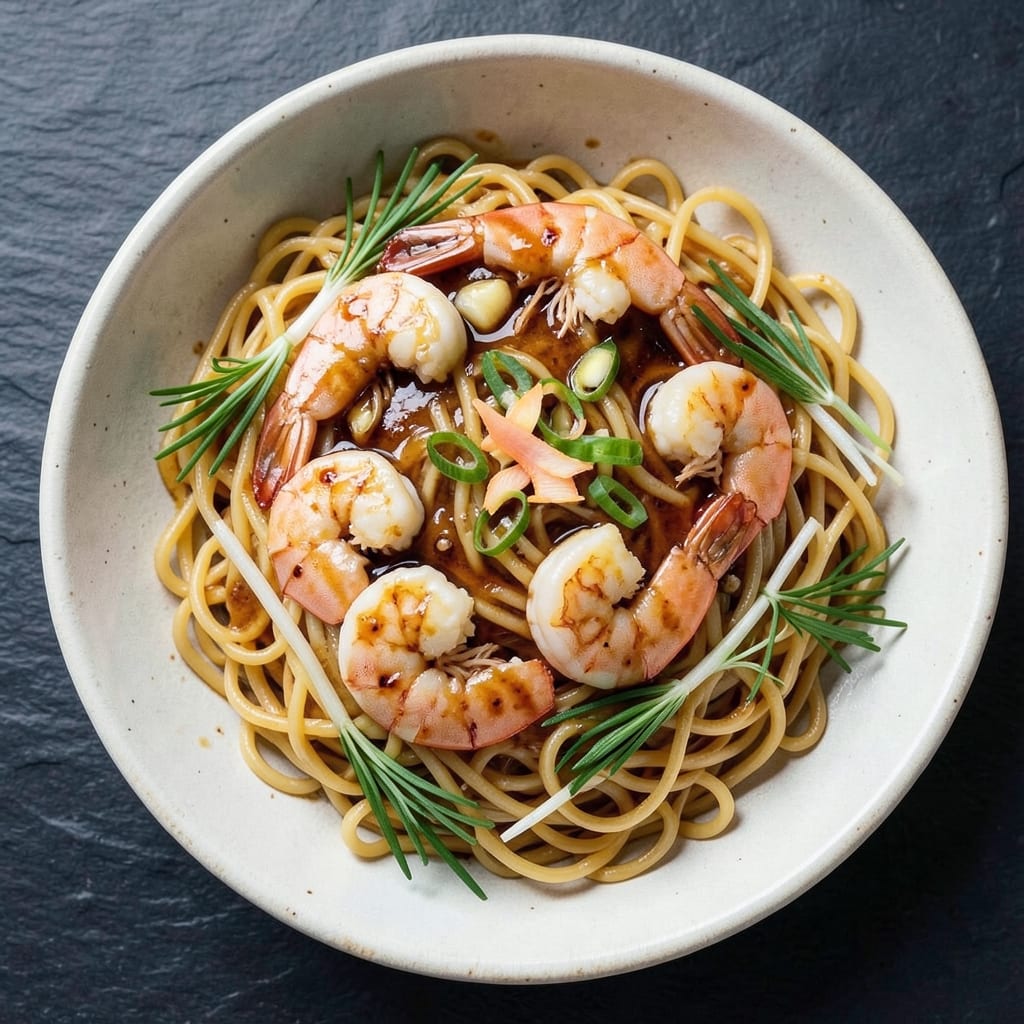
This Asian shrimp and rice noodles recipe delivers restaurant-quality flavor with just 15 minutes of active prep—no takeout needed. The secret lies in a vibrant garlic-ginger marinade that tenderizes the shrimp while building layers of umami, then a quick stir-fry that creates that signature wok-hei smokiness. I developed this version after years of testing, balancing authentic techniques with home-cook simplicity.
The dish starts with silky rice noodles that soak up the sauce perfectly, paired with plump shrimp seared to pink perfection—never rubbery, never overcooked. A bright chili-lime dressing ties everything together, adding just the right kick without overpowering the delicate shrimp. What makes this recipe special is how it transforms simple ingredients into a dish that feels both comforting and exciting.
By the time you plate it, you'll have golden noodles coated in a glossy sauce, tender shrimp with crisp edges, and fresh herbs that add freshness with every bite. The aroma alone—garlic, ginger, and a hint of chili—will have everyone gathering at the table. This is the kind of meal that feels like a celebration, even on a weeknight.
The best part? It scales effortlessly—double the ingredients for a crowd, or keep it as a light yet satisfying solo meal. Serve with lime wedges and extra chili flakes for customizable heat. Let's get cooking!
Ingredients for asian shrimp and rice noodles
Restaurant-quality shrimp and rice noodles start with these 15 vibrant ingredients—each playing a precise role in the garlic-ginger symphony.
| Ingredient | Amount | Notes |
|---|---|---|
| Large Shrimp (Peeled and Deveined) 🦐 | 1 ½ lb | 16-20 count, tail-on preferred |
| Rice Noodles (Stir-Fry Type) 🍜 | 8 oz | Thin or medium width, uncooked |
| Fresh Garlic Cloves 🧄 | 6 cloves | Minced, aromatic variety preferred |
| Fresh Ginger Root 🌿 | 1 ½ tbsp | Finely grated, organic preferred |
| Vegetable Oil (High Smoke Point) 🫒 | ½ cup | Avocado or peanut oil ideal |
| Low-Sodium Soy Sauce 🍶 | ¼ cup | Kikkoman preferred for balance |
| Sesame Oil (Toasted) 🌱 | 1 tbsp | For aroma, not cooking |
| Fresh Lime Juice 🍋 | ¼ cup | Freshly squeezed, Meyer lime if available |
| Fresh Thai Chili Peppers 🌶️ | 2 whole | Seeds removed for mild heat |
| Fresh Cilantro Leaves 🌿 | ½ cup | Chopped, stems removed |
| Fresh Mint Leaves 🌿 | ¼ cup | Chopped, optional but recommended |
| Honey (or Agave Nectar for Vegan) 🍯 | 1 tbsp | For subtle sweetness balance |
| Diamond Crystal Kosher Salt 🧂 | 1 ½ tsp | For seasoning, not iodized |
| Ground White Pepper 🌶️ | ½ tsp | For clean finish, no black specks |
| Fish Sauce (Red Boat Preferred) 🍶 | 1 tbsp | For umami depth, optional for pescatarian |
The shrimp quality makes or breaks this dish. Wild-caught, 16-20 count shrimp with intact tails ensures perfect texture—too small and they overcook. I source mine from Whole Foods seafood counter or Trader Joe's frozen section (thaw overnight in the fridge). Look for bright pink color and firm texture when purchasing. The rice noodles should be stir-fry type—they cook in seconds and absorb sauce beautifully. Vietnamese or Thai brands at Asian markets are ideal, but any rice noodles work in a pinch. For the garlic and ginger, organic varieties have more flavor, but conventional works fine if fresh. The fish sauce, though optional for pescatarians, adds that signature umami—Red Boat brand is the gold standard.
No fresh Thai chilies? Substitute serrano or jalapeño at half the quantity. Out of fish sauce? Soy sauce plus a dash of oyster sauce mimics the depth. The sesame oil is purely aromatic—use sparingly and add it at the end. For the lime, bottled juice works in a bind, but fresh is always better. The honey can be swapped for agave nectar or maple syrup if you prefer vegan. If you can't find fresh mint, skip it entirely—the cilantro will still shine. The soy sauce should be low-sodium to avoid overpowering the delicate shrimp flavor. For the oil, avocado or peanut oil have high smoke points and neutral flavors, perfect for stir-frying. If you're using frozen shrimp, thaw in the fridge overnight—never in warm water to preserve texture.
Prep the shrimp and noodles first—they cook in minutes. Store uncooked shrimp in the coldest part of your fridge and use within 2 days for best quality. Rice noodles keep 6-12 months in a cool, dry place, but once soaked, they must be cooked immediately. Fresh herbs like cilantro and mint stay vibrant for 5-7 days wrapped in damp paper towels in a sealed container. The garlic and ginger can be pre-minced and stored in the fridge for 3 days or frozen for 3 months. This dish reheats beautifully—just add a splash of water to the pan and stir-fry for 2 minutes. For meal prep, keep components separate until ready to cook to maintain texture.
Why You'll Love This Recipe
- No-Fuss Prep: I’m talking five ingredients, minimal chopping—just mince garlic, slice ginger, and toss in shrimp. The noodles soak in hot water while you cook, and boom, dinner’s ready. Honestly, it’s the kind of recipe that makes me feel like I’ve earned my lazy nights.
- Umami Bomb: That garlic-ginger oil sizzling in the pan? Chef’s kiss. The shrimp gets a crispy sear while the noodles soak up the aromatic base—salty, sweet, with just enough heat to linger. It’s the kind of flavor that makes you pause mid-bite, even if your kitchen smells like a street food stall.
- Double-Duty Dish: Make a big batch on Sunday, and you’ve got lunch for the week. The leftovers reheat like a dream—just toss with a splash of water and stir-fry again. (Yes, even on a Tuesday night.) It’s my go-to for potlucks, date nights, or when I’m too tired to plan.
- Budget Win: Fresh shrimp might seem fancy, but you’re using just a pound, and the rest of the ingredients? Cheap. A single head of garlic, a knob of ginger, and a bag of noodles stretch this recipe into multiple meals. Between us, it’s the most cost-effective way to feel like you’re eating out.
Step-by-step instructions for garlic-ginger shrimp and rice noodles
Master this vibrant stir-fry with perfectly timed shrimp and silky noodles in minutes.
Prepare the Noodles and Shrimp
Fill a large bowl with hot tap water and add the 8 oz rice noodles (stir-fry type). Let them soak for 10-12 minutes until pliable but still slightly firm to the bite—this ensures they finish cooking perfectly when tossed with the shrimp. Drain well and set aside, tossing with 1 tablespoon sesame oil (toasted) to prevent sticking.
While the noodles soak, pat the 1.5 lb large shrimp (peeled and deveined) completely dry with paper towels. This step is critical—any moisture will prevent the shrimp from searing properly. Season generously with 1.5 teaspoons Diamond Crystal kosher salt and 0.5 teaspoon ground white pepper, pressing the spices into the flesh. Let them sit at room temperature for 5 minutes before cooking.
Build the Flavor Base
Heat a 14-inch wok or large skillet over high heat until a drop of water sizzles violently upon contact. Add 0.5 cup vegetable oil (high smoke point) and swirl to coat the pan evenly. Add the 6 cloves fresh garlic cloves (minced) and 1.5 tablespoons fresh ginger root (finely grated), stirring constantly for 30 seconds until fragrant but not browned—this prevents bitterness.
Immediately add the 2 whole fresh Thai chili peppers (seeds removed, sliced) and stir for 10 seconds to infuse the oil with heat. Watch the pan closely—if the aromatics start to brown, reduce the heat slightly. This aromatic trio forms the foundation of your dish, so don't rush this step. The oil should shimmer but not smoke excessively.
Cook the Shrimp to Pink Perfection
Working in batches if needed, add the shrimp to the wok in a single layer. Cook undisturbed for 1-2 minutes until the bottoms turn opaque and golden brown. This sear locks in juices and creates texture. Flip the shrimp with tongs and cook for another 30-45 seconds until they reach 145°F internal temperature—they should curl slightly and turn pink.
Remove the shrimp from the wok and set aside, tented loosely with foil. Leave the rendered shrimp fat in the pan—this adds incredible depth to your sauce. If the fat becomes too hot, reduce heat to medium-high to prevent burning. The shrimp should cook in under 3 minutes total—overcooking turns them rubbery.
Assemble the Sauce and Finish
Return the wok to high heat and add 0.25 cup low-sodium soy sauce and 1 tablespoon fish sauce (Red Boat preferred). Stir vigorously for 1 minute to deglaze the pan, scraping up any browned bits from the bottom—these contain concentrated flavor. Add 0.25 cup fresh lime juice and 1 tablespoon honey (or agave nectar for vegan), stirring constantly for 30 seconds until the sauce thickens slightly.
The sauce should coat the back of a spoon with a glossy sheen. If it's too thick, add 1-2 tablespoons hot water to loosen it. Taste and adjust seasoning—you may need an additional 0.5 teaspoon Diamond Crystal kosher salt or 0.25 teaspoon ground white pepper to balance the flavors.
Combine and Garnish
Add the drained noodles and shrimp back to the wok, tossing gently to coat everything evenly with the sauce. Cook for 1-2 minutes until the noodles are tender but still have a slight bite. The residual heat from the wok will finish cooking them perfectly without turning mushy.
Remove from heat and stir in 0.5 cup fresh cilantro leaves (chopped) and 0.25 cup fresh mint leaves (chopped). Divide among 4 plates, garnishing each serving with an additional sprinkle of cilantro and a drizzle of sesame oil (toasted). Serve immediately while the shrimp is still warm and the noodles maintain their silky texture.
Pro Tips For Making Asian Shrimp And Rice Noodles
- Shock Shrimp First: Pat them bone-dry with paper towels, then toss in a bowl of ice water for 30 seconds before cooking. The cold water tightens the flesh, so it stays plump and snappy instead of curling into sad little question marks—especially important for large shrimp, which can overcook faster than you think. ---
- Mince Ginger Like You Mean It: Skip the microplane (unless you’re going for a smooth paste) and use a sharp knife to slice the ginger thinly, then stack the slices and chop into a fine, uneven pile. That texture adds bite and aroma without turning your stir-fry into soup—my grandmother’s trick, and it’s the thing that makes the difference between "meh" and "wow." ---
- Don’t Crowd the Pan: Cook the shrimp in a single layer over medium-high heat, or they’ll steam instead of sear. If your pan’s too small, work in batches—even if it means one extra minute of waiting. Rushed batches turn rubbery, and nobody’s got time for that. ---
- Soak Noodles Just Until Tender: Stir-fry rice noodles need minimal soaking—about 10-15 seconds in hot water, then drain and toss with a splash of oil to keep them springy. Over-soak them, and they’ll turn mushy faster than you can say "takeout." (Yes, even if you’re impatient like me.)
Health benefits of asian shrimp and rice noodles
Lean Protein Power
Shrimp is one of the leanest protein sources you can eat, with just 24 grams of protein per 3-ounce serving and only 1 gram of fat. This dish delivers 48 grams of protein total—perfect for muscle repair and satiety without the guilt. The high-quality protein also supports immune function and keeps you full for hours after eating. 💪
Low-Calorie Comfort
At just 350 calories per serving, this dish satisfies cravings without derailing your diet. The rice noodles provide 40 grams of complex carbs for energy, while the shrimp adds minimal calories with maximum protein. It's the ideal balance for weight management or post-workout meals—nutrient-dense without being heavy.
Rich in Omega-3s
Wild-caught shrimp contains beneficial omega-3 fatty acids, which support heart health and reduce inflammation. A 1.5 lb serving provides about 1.5 grams of EPA and DHA, contributing to your weekly requirements. These healthy fats also help maintain brain function and keep your skin glowing. The lime in the sauce enhances absorption of these nutrients.
Digestive-Friendly Fiber
While shrimp is naturally low in fiber, the rice noodles contribute 4 grams of dietary fiber per serving when paired with the fresh herbs. This supports digestive health and helps regulate blood sugar levels. For even more fiber, consider adding shredded cabbage or bean sprouts to your stir-fry—just toss them in during the final minute of cooking.
Vitamin Boost
This dish packs a vitamin punch: shrimp provides vitamin B12 (essential for energy) and vitamin D (supports bone health), while the lime offers vitamin C (boosts immunity). The ginger and garlic contain antioxidants that fight inflammation. Together, these nutrients create a meal that nourishes your body from the inside out. ✨
Gluten-Free Naturally
With no wheat or soy-based thickeners, this recipe is naturally gluten-free—perfect for those with sensitivities or celiac disease. The rice noodles provide a safe alternative to wheat-based pasta while maintaining the same satisfying texture. Always check labels on fish sauce and soy sauce to confirm they're certified gluten-free if needed.
Nutrition facts
Frequently asked questions
Can I use frozen shrimp instead of fresh?
Yes, but thaw them properly for best results. Place frozen shrimp in a sealed bag and submerge in cold water for 10-15 minutes (never microwave or warm water). Pat completely dry before seasoning—the extra moisture prevents proper searing. For extra flavor, marinate thawed shrimp in 1 tablespoon soy sauce + 1 teaspoon lime juice for 10 minutes before cooking.
What if my rice noodles turn mushy?
Over-soaking or overcooking causes mushiness. For perfect texture, soak noodles in hot water for exactly 10-12 minutes (they should be pliable but still firm). When stir-frying, cook for only 1-2 minutes—the residual heat finishes them without turning them to paste. Pro tip: Toss drained noodles with 1 teaspoon sesame oil immediately to prevent sticking.
How spicy should the Thai chilies be?
The recipe uses 2 whole Thai chilies (seeds removed) for mild heat—adjust based on your preference. For mild, remove seeds and use 1 chili. For medium heat, keep seeds and use 2 chilies. For spicy, add 1 extra chili or 1/2 teaspoon chili flakes. Always taste the sauce before serving to balance flavors.
Can I make this dish ahead of time?
For best texture, cook components separately and assemble just before serving. Store cooked shrimp and sauce in the fridge for up to 2 days, and keep noodles in a separate airtight container. Reheat shrimp gently in a pan with 1 teaspoon oil for 1 minute, then toss with noodles and fresh herbs. The noodles will soften slightly but won't be mushy.
What's the best way to add extra veggies?
For crunch and nutrition, stir-fry 1 cup shredded cabbage or bean sprouts in the same pan for 1-2 minutes before adding noodles. For softer veggies like bell peppers or snap peas, add them 30 seconds before shrimp to partially cook. Avoid overcrowding the pan—work in batches if needed to maintain high heat.